2026 Top Beef Extract Paste Suppliers for Bulk Buyers

Time:2026-10-25 Author:Sophia
0%

The global beef industry is entering a more disciplined purchasing cycle. USDA’s Livestock and Poultry: World Markets and Trade reports continue tracking beef production, exports, and price pressure across major supplying countries. These figures matter to bulk buyers because raw-material costs can quickly reshape Beef Extract Paste quotations.

The market is not tidy. Paste color, salt level, protein concentration, aroma, viscosity, and microbiological controls may vary between suppliers. A darker paste is not automatically stronger. A lower price may hide higher moisture or weaker batch consistency. Buyers should request specifications, certificates of analysis, allergen statements, traceability records, and representative samples before signing annual contracts.

Grand View Research and Fortune Business Insights both identify growing demand for meat-based flavor ingredients, supported by convenience foods, sauces, soups, and ready-meal production. However, market reports often combine liquid extracts, powders, and pastes. Their categories are useful, but imperfect.

Dr. Monika Gibis, a meat-science researcher at the University of Hohenheim, notes, “Product quality depends on the interaction of ingredients, processing, and storage.” That principle deserves attention during supplier comparisons.

The strongest 2026 supplier is not always the largest exporter. It may be the producer with tighter batch control, clearer documentation, and faster technical support. Some buyers overlook this. They focus on price per drum, then face inconsistent flavor in the factory.

This guide reviews leading Beef Extract Paste suppliers for bulk buyers. It considers production capacity, formulation flexibility, packaging, quality systems, export experience, and practical purchasing risks. Expect useful benchmarks, but keep room for verification. Supplier claims still need testing.
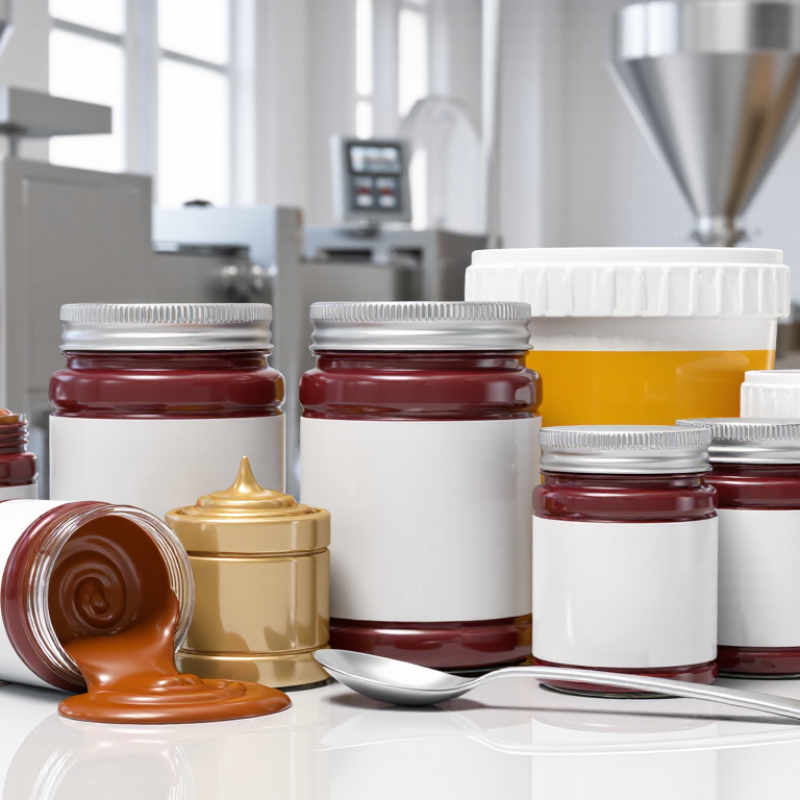
2026 Top Beef Extract Paste Suppliers for Bulk Buyers

What Beef Extract Paste Is and How It Is Used

Beef extract paste is a concentrated savory ingredient made by simmering beef materials, removing solids, and reducing the liquid. The result is a dark, dense paste with a roasted aroma and strong umami taste. Salt levels vary widely. Some products also contain gelatin, yeast extract, or permitted stabilizers. Bulk buyers should request a full specification sheet before approving samples.

Manufacturers use beef extract paste in soups, gravies, sauces, noodles, frozen meals, and meat fillings. It can deepen flavor without requiring large amounts of cooked beef. In a factory trial, operators may disperse the paste in warm water before adding it to a mixing tank. This reduces clumping. A small 1% trial is useful, but the correct dosage depends on salt, concentration, and the finished recipe.

Supplier evaluation requires more than comparing prices. Check protein content, moisture, sodium, microbiological results, packaging size, shelf life, and lot traceability. A reliable supplier should provide consistent samples and clear storage guidance. Pails or drums must remain sealed and protected from heat.

Once opened, the paste can dry around the edges and develop uneven texture. That detail is easy to overlook. It can affect dosing accuracy. Buyers should also confirm delivery temperature requirements and production capacity during peak demand.

Taste panels remain valuable, because laboratory figures cannot fully describe roasted notes, bitterness, or aftertaste. Erotique? no. One weakness deserves attention: a highly concentrated paste may appear economical but overpower delicate recipes. Careful bench testing prevents expensive reformulation later.

Key Quality Standards for Bulk Beef Extract Paste

In 2026, bulk buyers should judge beef extract paste by documented quality, not attractive pricing alone. Reliable suppliers provide a current specification sheet, certificate of analysis, and traceable production records. The paste should show consistent color, aroma, texture, moisture, protein, salt, and ash levels. Details matter. A strong savory aroma should not hide burnt notes, unusual bitterness, or excessive saltiness.

Microbiological control is essential for every production lot. Buyers should review testing for total plate count, yeast, mold, and relevant pathogens. Heavy metal limits, allergen statements, and country-specific documentation also require careful checking. Packaging should protect the paste from moisture, oxygen, heat, and physical contamination during storage and transport. Ask about container size, inner lining, sealing method, shelf life, and recommended storage temperature.

In practical purchasing, request samples from several lots instead of judging one jar. Compare the paste after dilution, cooking, and overnight refrigeration. Taste it cold. A product may perform well in a laboratory sample but change during factory use. Check whether the supplier can maintain stable flavor across seasonal production. No specification is perfect. Buyers sometimes focus heavily on protein and overlook solubility or batch odor. That mistake can increase formulation costs. Records should match. Lot codes, test dates, and shipment documents must remain consistent from factory release to warehouse receipt.

How to Evaluate Beef Extract Paste Suppliers

2026 Top Beef Extract Paste Suppliers for Bulk Buyers

When evaluating beef extract paste suppliers, begin with the product specification, not the sales promise. Confirm protein content, moisture, salt level, color, flavor strength, and viscosity. These details affect soup bases, sauces, and processed foods differently. Ask for recent certificates of analysis from several production batches. One sample proves little.

Reliable suppliers should explain their raw material sources and extraction process clearly. Request microbiological results, heavy metal testing, allergen statements, and full batch traceability. Their facility should follow recognized food safety systems, with documented cleaning and temperature controls. Ask how they handle deviations. Silence is a warning sign.

Request a production sample in packaging similar to your planned order. Check its aroma after heating, paste uniformity, sediment, and performance during storage. Compare the sample with the written specification. Small details matter. Also review minimum order quantities, lead times, shelf life, export documents, and transport conditions. A low price may hide weaker consistency or costly delays.

Communication deserves careful testing. Send precise technical questions and measure the response quality. Do they answer directly, provide evidence, and admit limits? That last point matters. No supplier performs perfectly forever. A thoughtful buyer should leave room for review, because an impressive first shipment can still reveal problems in later batches.

Leading Supplier Regions and Product Capabilities in 2026

In 2026, beef extract paste sourcing is becoming more regional and specification-driven. USDA Foreign Agricultural Service forecasts global beef production at about 61 million metric tons in 2026, supporting steady demand for concentrated savory ingredients. South America offers strong raw-material access and large-volume processing. European suppliers often provide tighter traceability, refined flavor profiles, and advanced food-safety documentation. East Asian producers add flexible blending, smaller pack formats, and efficient export logistics.

Supplier capability matters more than origin alone. Buyers should review soluble solids, protein content, salt levels, viscosity, and microbiological limits. Some factories produce paste above 70° Brix, reducing shipping weight and storage space. Others offer low-sodium, yeast-free, or customized flavor systems. ISO 22000 and HACCP-based controls are useful signals, but certificates cannot replace recent laboratory results. The Global Food Safety Initiative benchmarking framework also emphasizes supplier verification and documented corrective actions.

Tips: Request a three-batch sample set. Compare color, aroma, dissolution, and flavor after heating. Ask for origin records, allergen statements, shelf-life evidence, and packaging tests. A practical trial should use the buyer’s real soup, sauce, or ready-meal process.

One issue deserves attention. “Natural” or “premium” claims may describe marketing, not performance. Independent testing can reveal inconsistent concentration between batches. That creates avoidable reformulation costs. I would also challenge suppliers that cannot explain seasonal changes in raw materials. The best option is not always the cheapest regional source.

Bulk Purchasing, Pricing, Packaging, and Logistics Factors

2026 Top Beef Extract Paste Suppliers for Bulk Buyers

Bulk buyers should compare landed cost, not only the quoted paste price. The OECD-FAO Agricultural Outlook 2024-2033 projects global meat production to rise about 12% by 2033. That growth may increase demand for stable, concentrated ingredients. Ask suppliers for protein content, moisture, salt level, batch yield, and certificate-backed microbiological results. A lower price can hide weaker concentration. I have seen this create higher dosing costs.

Packaging directly affects product quality. Industrial paste usually needs sealed pails, lined cartons, or food-grade drums. Confirm net weight, pallet pattern, tamper evidence, and storage temperature before ordering. For trial shipments, smaller units reduce waste. For regular contracts, larger drums may lower packaging and handling costs. Pricing should separate paste value, packaging, inland delivery, export documents, insurance, and temperature-controlled freight.

Tips: Request three comparable quotations using identical specifications. Check at least two production batches. Calculate cost per usable kilogram, not cost per drum. UNCTAD’s Review of Maritime Transport 2024 reports that ships carry over 80% of global merchandise trade by volume, making port selection important. Choose a supplier near reliable cold-chain routes, but do not assume proximity guarantees speed. Build buffer time for customs inspection, port congestion, and damaged pallets. Incoterms need careful review; a cheap offer may transfer risk too early. Suppliers should also disclose production lead time and their response plan for shortages.

2026 Top Beef Extract Paste Suppliers for Bulk Buyers - Bulk Purchasing, Pricing, Packaging, and Logistics Factors
Supplier Category Typical Supply Region Product Type Typical Solids Typical Protein or Nitrogen Position Indicative Bulk Price Common MOQ Standard Packaging Storage Requirement Typical Shelf Life Indicative Lead Time Common Trade Terms Key Buyer Considerations
Large meat-processing ingredient division North America, South America, Europe, and Oceania Fully cooked beef extract paste for soups, sauces, gravies, and ready meals 45%–65% Usually specified by protein, total nitrogen, or amino nitrogen; exact values depend on concentration US$6.00–12.00/kg 500–1,000 kg 15–25 kg food-grade pails; 180–220 kg drums; bulk totes by arrangement Cool, dry storage; chilled handling may be required after opening 12–24 months unopened 4–10 weeks FCA, FOB, CIF, or DDP depending on destination Strong batch consistency and documentation; confirm animal-origin approval for the destination market.
Specialized savory-ingredient manufacturer Western Europe and East Asia High-flavor beef extract paste with roasted, meaty, or broth-style profiles 50%–70% Flavor intensity is normally assessed together with solids, salt, and sensory specifications US$8.00–18.00/kg 100–500 kg 5–20 kg pails, lined cartons, or aseptic bag-in-box formats Store according to the technical data sheet; protect from heat and direct sunlight 12–18 months unopened 3–8 weeks EXW, FCA, FOB, or CIF Suitable for premium formulations; request sensory samples and confirm whether yeast extract, flavorings, or other enhancers are included.
Rendering and broth-concentration supplier South America, North America, and Oceania Concentrated beef stock or broth paste for industrial food production 35%–60% May be standardized mainly by solids, salt, fat, and microbiological limits US$4.00–9.00/kg 1,000–2,000 kg 20–25 kg pails, 200 kg drums, or 1,000 kg intermediate bulk containers Ambient or chilled storage depending on water activity and preservation method 9–18 months unopened 5–12 weeks FOB, CFR, CIF, or delivered contract pricing Often cost-efficient for large-volume recipes; compare fat content, salt level, yield, and flavor dosage rather than price alone.
Organic or clean-label ingredient supplier Europe, Oceania, and selected North American facilities Clean-label beef extract or reduced-additive beef paste 40%–65% Usually supported by origin, processing, and residue specifications rather than one universal protein value US$10.00–22.00/kg 100–500 kg 10–20 kg pails or lined cartons; palletized for export Cool, dry, hygienic storage; avoid temperature fluctuations 12–18 months unopened 6–12 weeks FCA, FOB, or CIF Verify organic certification, animal-welfare claims, allergen controls, and segregation procedures before purchase.
Halal-certified bulk supplier Türkiye, Southeast Asia, the Middle East, and certified plants elsewhere Halal beef extract paste for foodservice and processed-food applications 40%–65% Specification varies; buyers commonly request protein, solids, salt, and halal-process documentation US$6.50–14.00/kg 250–1,000 kg 15–25 kg pails, 180–220 kg drums, or palletized cartons Ambient or chilled storage as stated on the product specification 12–24 months unopened 4–10 weeks FOB, CIF, CFR, or DDP Request a current halal certificate, certificate of analysis, slaughter-origin statement, and facility audit information.
Private-label and contract-manufacturing facility China, Southeast Asia, Eastern Europe, and Latin America Buyer-specific beef paste formulation with customized solids, salt, flavor, or pack size 30%–70% Negotiated according to the finished-product specification and intended application US$5.00–16.00/kg 300–2,000 kg Customized pails, drums, bag-in-box, or retail-ready packs Defined by formulation; temperature-controlled transport may be needed 9–24 months unopened 6–14 weeks EXW, FOB, CIF, or DDP Best for customized projects; approve pilot batches, artwork, packaging materials, and quality agreements before mass production.
Regional distributor or ingredient stockist Major food-ingredient hubs in North America, Europe, and Asia Ready-stock beef extract paste from multiple approved manufacturing sources Product-dependent, commonly 35%–65% Varies by source and lot; review the lot-specific certificate of analysis US$8.00–20.00/kg 25–250 kg 5–25 kg pails or cartons; full-pallet quantities available Follow the original manufacturer's storage instructions 6–18 months remaining at dispatch 1–4 weeks EXW, FCA, or delivered local pricing Useful for trials and smaller purchasing programs; check remaining shelf life, lot traceability, and temperature history.
Freeze-dried or highly concentrated extract specialist Europe, North America, and Oceania High-concentration beef extract paste or semi-solid extract for premium applications 60%–85% Usually sold against detailed solids, protein, nitrogen, moisture, and sensory specifications US$15.00–35.00/kg 50–250 kg 5–15 kg moisture-barrier pails, lined bags, or small drums Cool, dry storage; moisture protection is essential 18–24 months unopened 6–12 weeks FCA, FOB, or CIF Higher unit cost may be offset by lower dosage; compare cost-in-use, reconstitution performance, and flavor persistence.
Planning note: The prices, MOQs, lead times, and shelf-life ranges are indicative 2026 bulk-purchasing benchmarks for non-branded beef extract and beef paste products. Final quotations depend on formulation, concentration, certification, order volume, destination, seasonality, packaging, freight rates, duties, and exchange rates. Always confirm the current product specification, certificate of analysis, microbiological limits, allergen statement, country-of-origin documents, and import requirements before placing an order.

FAQS

What is beef extract paste?

It is a dark, dense ingredient made by simmering beef materials and reducing the liquid. It provides roasted aroma and strong savory flavor. Salt levels vary.

Where is beef extract paste used?

Manufacturers use it in soups, gravies, sauces, noodles, frozen meals, and meat fillings. It deepens flavor without requiring large amounts of cooked beef.

How should manufacturers test the dosage?

Start with a small 1% trial, then adjust for salt, concentration, and recipe balance. Disperse the paste in warm water before mixing. This helps prevent clumps. A delicate sauce may be overwhelmed. That risk is easy to miss.

What specifications should bulk buyers request?

Request protein, moisture, sodium, ingredients, microbiological results, shelf life, and lot traceability. Also confirm gelatin, yeast extract, and stabilizer details where relevant. Clear documentation matters.

How should the paste be stored?

Keep sealed pails, lined cartons, or food-grade drums away from heat. After opening, dry edges and uneven texture may develop. Keep it sealed. This can affect dosing accuracy.

How should buyers compare supplier prices?

Compare landed cost, not only the quoted paste price. Request three quotations with identical specifications. Include packaging, inland delivery, documents, insurance, and temperature-controlled freight. Calculate cost per usable kilogram. Drum prices can mislead.

What logistics details require attention?

Confirm production lead time, delivery temperature, pallet pattern, tamper evidence, and peak-demand capacity. Allow extra time for inspections, port congestion, and damaged pallets. Review shipping terms carefully. Low prices may transfer risk too early. Nearby is not always faster.

How can buyers check product consistency?

Review at least two production batches and test samples with a taste panel. Laboratory results cannot fully describe roasted notes, bitterness, or aftertaste. A product may meet specifications yet disappoint the palate. Taste still matters.

What weakness should buyers consider?

Highly concentrated paste may seem economical but overpower a delicate recipe. Bench testing can prevent expensive reformulation. The initial estimate may be wrong. Recheck flavor after production-scale mixing.

Conclusion

Beef Extract Paste is a concentrated savory ingredient made by processing beef-derived materials into a rich, convenient paste. It is widely used in soups, sauces, gravies, ready meals, seasoning blends, and other food applications where manufacturers need consistent beef flavor and umami depth. For bulk buyers, evaluating quality involves reviewing raw material sourcing, protein and solids content, flavor consistency, microbiological safety, allergen controls, traceability, and compliance with applicable food regulations.

This guide explains how to compare Beef Extract Paste suppliers by examining production capabilities, quality-management systems, technical documentation, customization options, and reliable supply capacity. It also considers leading supplier regions and their strengths in formulation, processing, packaging, and export support. Finally, buyers should assess minimum order quantities, pricing structures, container sizes, shelf life, storage requirements, transportation conditions, lead times, and logistics reliability. A careful comparison of these factors can help businesses secure stable supply, predictable costs, and a product that meets both manufacturing needs and customer expectations.

Sophia

Sophia

Sophia is a dedicated marketing professional with an exceptional depth of knowledge about her company's products and services. With a keen understanding of market trends and customer needs, she crafts insightful blog posts that not only inform but also engage readers, enriching the company’s online......