2026 Top Beef Powder Suppliers for Global Buyers?

Time:2026-10-12 Author:Amelia
0%

Choosing reliable Beef Powder suppliers in 2026 requires more than comparing prices on a spreadsheet. Global buyers must examine raw material quality, processing controls, documentation, and delivery performance. A low-cost quotation may hide inconsistent protein levels, weak traceability, or unstable supply. Those details matter when the powder enters instant meals, nutrition products, sauces, or emergency food programs.

Temple Grandin, a respected meat-processing expert and animal science professor, has said, “People are the most important part of a food safety system.” Her observation remains practical for Beef Powder sourcing. Buyers should assess the supplier’s production team, facility hygiene, batch testing, allergen controls, and response time. A trustworthy partner can provide certificates of analysis, microbiological results, origin records, and clear packaging specifications. Ask difficult questions.

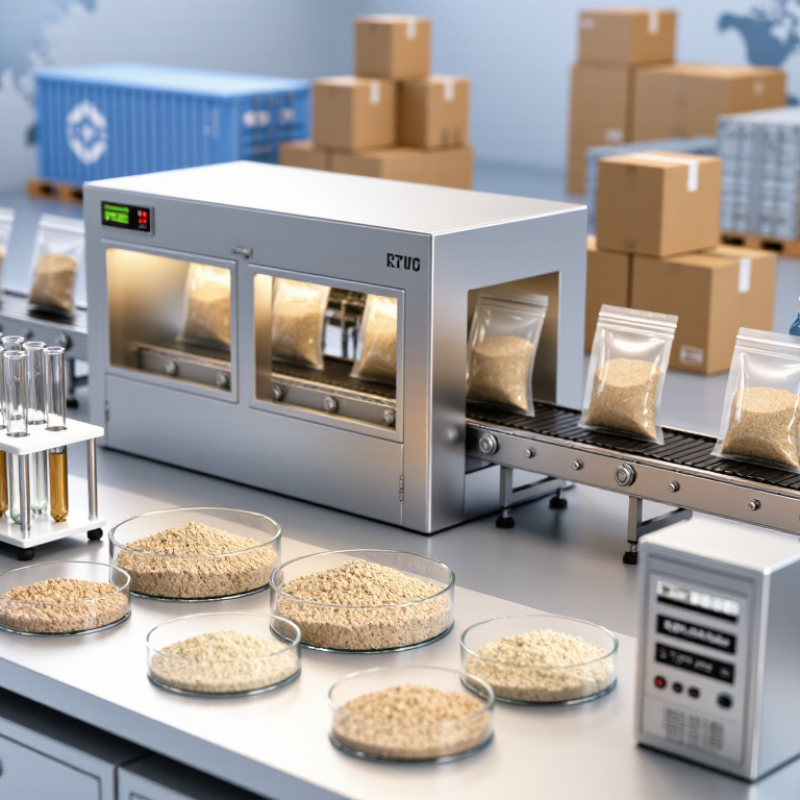
This guide reviews leading Beef Powder suppliers for global buyers in 2026. It considers product composition, drying technology, customization options, export experience, minimum order quantities, and communication quality. Some suppliers may appear strong online but provide limited technical evidence. That is a warning sign. Others may offer excellent powder but lack dependable shipping support. We should admit one limitation: supplier rankings can change quickly because regulations, harvest conditions, freight costs, and production capacity are not fixed. Careful buyers should verify current certificates and samples before signing contracts. A practical test helps. Inspect the powder’s color, aroma, solubility, particle size, and flavor after reconstitution. Evidence beats polished promises.
2026 Top Beef Powder Suppliers for Global Buyers?

What Is Beef Powder and How Is It Used Globally?

Beef powder is dehydrated beef, processed into a fine, concentrated ingredient. Producers may use cooked beef, stock, or lean muscle, then apply spray-drying or freeze-drying. The final powder can deliver savory flavor, protein, and aroma in a smaller volume. It appears in instant soups, sauces, seasoning blends, ready meals, nutrition products, and some animal foods.

Global demand reflects wider food-market changes. The OECD-FAO Agricultural Outlook 2024–2033 projects world meat consumption to increase by 12% by 2033, compared with the 2021–2023 average. Meanwhile, USDA’s 2025 Livestock and Poultry: World Markets and Trade estimates global beef production at roughly 61 million tonnes. These figures do not guarantee powder growth, but they show a large raw-material base. Applications differ by region. In Asia, small sachets may flavor noodles or broths. In Europe and North America, manufacturers often use powder in convenience foods and culinary mixes. The category is less standardized than buyers sometimes assume.

Tips: Ask for moisture, protein, microbiological, and solubility results. Confirm the beef source, processing method, batch traceability, and storage temperature. A low price can hide weak flavor or poor dispersion. Test a sample in hot water and in the finished recipe. It may perform differently. Suppliers should also provide clear allergen statements and documentation matching the destination market.

How to Evaluate Beef Powder Suppliers in 2026

2026 Top Beef Powder Suppliers for Global Buyers?

How to Evaluate Beef Powder Suppliers in 2026

Choosing a beef powder supplier requires more than comparing prices. Buyers should examine protein content, moisture, solubility, flavor, and particle size. These details affect filling speed, taste, and final product stability. Request a current specification sheet and a batch-specific certificate of analysis. Generic documents are not enough.

Reliable suppliers can explain their raw material origin and processing controls clearly. Ask about allergen management, microbiological testing, heavy metal limits, traceability, and storage conditions. Third-party laboratory results add confidence, but the laboratory’s accreditation should also be verified. Check whether packaging includes lot numbers, production dates, and realistic shelf-life information. Import documents must match the destination market’s requirements.

Practical testing remains essential. Prepare the powder in your own facility and compare color, aroma, dispersion, and yield. Keep samples from different batches, not only one attractive sample. We once trusted a polished document too quickly; later, small differences in solubility affected production efficiency. That mistake changed our evaluation process.

Supplier responsiveness matters too. A dependable partner answers technical questions, reports deviations honestly, and maintains a clear recall procedure. No supplier is perfect. Consistent evidence matters more than confident promises.

Key Certifications and Quality Standards for International Buyers

2026 Top Beef Powder Suppliers for Global Buyers: Key Certifications and Quality Standards for International Buyers

For global buyers, certification is the first filter, not the final decision. The WHO estimates that unsafe food causes 600 million illnesses and 420,000 deaths annually. That figure explains why beef powder suppliers need documented controls from slaughter through drying, milling, and packing. Buyers should request HACCP records, ISO 22000 or FSSC 22000 certification, and recent third-party audit results. Each certificate should match the actual production site and product scope.

Traceability must work in practice. A reliable supplier should identify the livestock source, production lot, drying temperature, moisture level, and packaging date within hours. Codex Alimentarius principles support hazard analysis, allergen control, sanitation, and verified process monitoring.

For international shipments, buyers should also check microbiological limits, heavy-metal testing, veterinary drug screening, and country-specific import rules. Halal or kosher certification may be essential for particular markets.

Small details matter. A sealed sample bag should show a readable lot code, not only a sales label. Moisture migration can cause caking during long sea transport. That risk is often underestimated. USDA and FAO market reports show how widely meat supply chains cross borders, but market data cannot replace laboratory evidence. Certificates can expire, testing can be incomplete, and supplier websites can look more convincing than factory records. Independent sampling before shipment remains a practical safeguard.

Leading Beef Powder Supplier Categories by Region and Product Type

2026 Top Beef Powder Suppliers for Global Buyers

Leading beef powder suppliers differ by region and product type. In North America, large processors often provide spray-dried beef powder for soups, sauces, and high-protein mixes. European suppliers commonly emphasize traceability, allergen controls, and documented processing standards. Asia-Pacific manufacturers may offer flexible packaging and competitive custom formulations. Latin American sources can be attractive for raw material access, but buyers should verify processing capacity and export documentation.

Product categories require different supplier capabilities. Whole-beef powder suits meal replacements and savory applications. Beef broth powder delivers roasted flavor, while hydrolyzed beef protein dissolves more easily in sports nutrition products. Organ-based powders serve specialized nutrition formulas and need clear labeling. Spray-dried products usually support efficient transport and storage. Freeze-dried powder may preserve a fresher taste, although the cost can rise sharply.

Reliable buyers compare more than price. They review certificates of analysis, microbial testing, moisture levels, heavy-metal results, origin records, and shelf-life data. Samples should be tested in the intended recipe, not only in a laboratory cup. No supplier scorecard is perfect. A low moisture result may still hide poor flavor performance. I would also question unusually fast delivery promises. They may reflect ready stock, or incomplete documentation. Clear communication about animal source, processing temperature, packaging, and destination rules reduces avoidable problems. Supplier audits remain valuable, but even careful teams can miss changes between production batches.

2026 Top Beef Powder Suppliers for Global Buyers? - Leading Beef Powder Supplier Categories by Region and Product Type

Regional supplier categories and typical commercial specifications for global procurement. Values are indicative ranges and should be confirmed through the supplier’s current certificate of analysis, food-safety documents, and import requirements.

Region Leading Supplier Category Main Beef Powder Product Type Typical Protein Content Typical Moisture Common Raw-Material Source Typical Applications Key Buyer Verification Points
North America Large-scale meat processors and specialized functional-ingredient manufacturers Spray-dried beef protein powder Approximately 70–85% on a dry basis Generally 3–8% Edible beef trimmings, lean beef, or hydrolyzed beef materials Protein beverages, meal replacements, savory mixes, nutrition products USDA or equivalent inspection, allergen controls, pathogen testing, country-of-origin documentation, lot traceability
North America Bone-broth ingredient producers and dehydrated-food manufacturers Beef bone broth powder Approximately 45–75% on a dry basis Generally 2–7% Beef bones, connective tissue, and broth concentrates Instant soups, sauces, stocks, ready meals, sports nutrition Broth concentration method, sodium level, heavy-metal limits, microbiological results, solubility, flavor profile
South America Export-oriented beef processors and animal-protein ingredient suppliers Spray-dried or drum-dried beef powder Approximately 65–82% on a dry basis Generally 4–8% Lean beef, cooked beef, and edible beef by-products Processed meat, pet food, savory seasoning, emergency food, nutrition formulas Export eligibility, sanitary certificate, heat-treatment parameters, veterinary controls, pesticide and veterinary-drug residue compliance
South America Collagen and gelatin ingredient manufacturers using bovine hides or bones Bovine collagen peptide powder Typically 90% or higher on a dry basis Usually 5–8% Bovine hides, skin, or bones processed into collagen peptides Powdered supplements, beverages, nutrition bars, functional foods Peptide molecular-weight distribution, amino-acid profile, bovine-origin statement, BSE/TSE controls, solubility, contaminant testing
Europe Specialized nutraceutical ingredient manufacturers and regulated meat processors Hydrolyzed beef protein powder Approximately 75–90% on a dry basis Generally 3–7% Controlled bovine muscle or collagen-derived material Clinical nutrition, sports nutrition, high-protein foods, dietary supplements EU food-law compliance, HACCP, allergen status, novel-food assessment where applicable, heavy metals, amino-acid and digestibility data
Europe Gelatin and hydrocolloid manufacturers Bovine gelatin powder Typically 85–92% on a dry basis Usually 8–14% Bovine hides or bones Capsules, confectionery, desserts, dairy products, clarification, bakery applications Bloom strength, viscosity, particle size, pH, gel time, microbiological limits, bovine traceability and religious certification if required
Oceania Grass-fed beef processors and premium animal-protein ingredient suppliers Premium beef organ powder Approximately 65–80% on a dry basis Generally 4–8% Dehydrated beef liver, heart, kidney, or other edible organs Capsules, tablets, functional powders, pet nutrition, traditional-food products Organ identification, drying temperature, vitamin A and iron levels, microbiological safety, country-of-origin and animal-diet claims
Oceania Freeze-dried food and specialty nutrition manufacturers Freeze-dried cooked beef powder Approximately 60–78% on a dry basis Usually 2–5% Cooked lean beef or beef meal prepared for dehydration Outdoor meals, instant food, premium pet food, flavor systems Water activity, oxidation stability, rehydration performance, packaging barrier, shelf-life data, export quarantine requirements
East Asia Food-ingredient distributors and contract powder-processing manufacturers Beef flavor and savory beef seasoning powder Highly variable; commonly 10–50% depending on formulation Generally 3–8% Beef extracts, hydrolyzed beef, stock concentrates, or blended savory ingredients Instant noodles, sauces, snacks, soups, ready-to-eat meals Full ingredient declaration, glutamate and nucleotide content, carrier materials, allergen statement, flavor-naturalness and labeling requirements
South Asia Dehydrated meat processors and private-label nutrition manufacturers Dehydrated beef meat powder Approximately 55–75% on a dry basis Generally 4–8% Cooked lean beef or mechanically processed edible beef material, subject to local regulation Instant meals, savory mixes, institutional catering, pet food Species authenticity, religious certification, pathogen control, production hygiene, import permits, water activity and shelf-life validation
Middle East and Africa Halal-certified meat processors and regional ingredient distributors Halal beef broth and beef protein powder Approximately 45–80% on a dry basis, depending on product type Generally 3–8% Halal-slaughtered beef, bones, connective tissue, or beef extracts Halal instant foods, soups, sauces, nutrition products, foodservice formulations Valid halal certificate, slaughter and segregation records, import registration, sodium level, heat-treatment records, microbiological compliance
Global / Multi-Region Custom-formulation and contract-manufacturing suppliers Customized beef powder blends Specified by formulation; commonly 20–85% protein Typically 3–8% Beef protein, broth, collagen, organ powder, carriers, or seasoning components Private-label supplements, sports nutrition, pet food, processed foods, foodservice Minimum order quantity, formulation ownership, production capacity, packaging format, shelf life, certifications, customs classification, continuity of supply
Procurement note: Protein, moisture, fat, ash, sodium, solubility, microbiological limits, and certification status vary by raw material and processing method. Global buyers should request a current specification sheet, certificate of analysis, certificate of origin, allergen declaration, traceability statement, and destination-market compliance documents before approval.

How to Compare Prices, Minimum Orders, and Export Services

2026 Top Beef Powder Suppliers for Global Buyers?

How to Compare Prices, Minimum Orders, and Export Services

Comparing beef powder suppliers requires more than checking the quoted price. Confirm protein content, fat level, moisture, particle size, and processing method. A lower price may reflect weaker specifications or shorter shelf life. Request a recent certificate of analysis, product specification sheet, and lot number before negotiating.

Minimum order quantities can change the real cost. A supplier offering a 500-kilogram MOQ may suit a trial market, while a 5-ton order could reduce the unit price. Calculate packaging, inland transport, insurance, customs charges, and storage. Compare quotations under the same Incoterm and currency. Small mistakes happen here.

Export support deserves equal attention. Reliable suppliers should explain documentation, health certificates, origin records, labeling rules, and shipment schedules. Ask how they protect powder from moisture during ocean transport. Check whether sample approval matches the final production lot. Response speed also matters when a port delays clearance. However, fast replies do not prove dependable service. Verify references, audit reports, laboratory results, and traceability records. My own preference would be to test one smaller shipment before committing to a large contract. It costs more initially, but it exposes weaknesses that a spreadsheet can miss.

2026 Top Beef Powder Suppliers for Global Buyers

Indicative comparison of key commercial factors used when evaluating beef powder suppliers for international procurement.

The chart uses representative B2B planning benchmarks for non-branded beef powder sourcing: minimum order quantity, typical production lead time, protein content, and export market coverage. Actual prices, specifications, documentation, and delivery terms should be confirmed directly with each supplier.

FAQS

What is beef powder?

Beef powder is dehydrated beef processed into a fine, concentrated ingredient. It may come from cooked beef, stock, or lean muscle. It provides savory flavor, aroma, and protein in a small volume.

Where is beef powder commonly used?

It appears in instant soups, sauces, seasoning blends, ready meals, and nutrition products. Some animal foods also use it. Small sachets may flavor noodles or broths.

How is beef powder produced?

Producers usually cook and concentrate the material before drying it. Spray-drying and freeze-drying are common methods. The method can affect aroma, solubility, color, and cost.

What should buyers check before selecting a supplier?

Request moisture, protein, solubility, microbiological, and particle-size results. Confirm the beef source, processing method, lot traceability, and storage temperature. A low price may hide weak flavor or poor dispersion.

Why is sample testing important?

Powder can behave differently in hot water and finished recipes. Test color, aroma, dispersion, yield, and taste in your own facility. Test several batches, not one attractive sample.Test it hot.

Which documents should an international buyer request?

Ask for a current specification sheet and a batch-specific certificate of analysis. Check allergen statements, laboratory results, shelf-life details, and import documents. Generic documents are not enough.

What quality certifications and controls matter?

Food-safety systems, sanitation records, hazard controls, and recent third-party audits are useful filters. Certificates should match the real factory and product scope. They must remain valid.

How can buyers reduce shipment and storage risks?

Check lot codes, production dates, packaging seals, moisture levels, and storage temperatures. Moisture migration may cause caking during sea transport. Keep retention samples for later comparison.

What makes a supplier dependable?

A dependable supplier answers technical questions clearly and reports deviations honestly. It should maintain traceability and a practical recall procedure. No supplier is perfect. Consistent evidence matters more than confident promises.Documents can mislead.

What mistake should buyers avoid?

Do not rely on polished documents or one successful sample. Small solubility differences can slow filling and change production yield. We once trusted paperwork too quickly. That experience deserved more skepticism.

Conclusion

This guide offers global buyers a practical overview of Beef Powder, including how it is produced, what nutritional and functional benefits it may provide, and how it is used in soups, sauces, seasonings, ready meals, sports nutrition, and pet food. It explains the main product variations, such as dehydrated beef powder, beef stock powder, and customized blends, helping buyers identify the option that best fits their application and target market.

The article also presents a structured approach to evaluating suppliers in 2026. It covers traceability, ingredient transparency, manufacturing capacity, consistency, packaging, and customer support, along with important certifications and quality standards for international trade. Buyers will learn how to compare suppliers by region and product type, assess pricing and minimum order quantities, and review export services such as documentation, shipping coordination, private labeling, and sample availability. These criteria can support informed purchasing decisions while balancing quality, cost, compliance, and reliable long-term supply.

Amelia

Amelia

Amelia is a seasoned marketing professional with a wealth of expertise in our company’s core offerings. With an unwavering passion for driving growth and innovation, she plays a pivotal role in shaping our marketing strategies and enhancing brand visibility. A key aspect of her responsibilities......