Casein Hydrolysate is not a single, uniform ingredient. It can vary in peptide size, solubility, taste, and intended use. For global buyers, those differences matter in practical ways: a powder that disperses well in a protein drink may not suit a fermentation medium or a research application. Small details count.
This 2026 guide introduces key types, including enzymatically produced and differently hydrolyzed casein ingredients. It explains how processing methods can influence peptide profiles, bitterness, and performance, while noting that product specifications vary by supplier. A technical data sheet is a useful starting point, not a guarantee of results. Ask about protein content, moisture, solubility, microbiological quality, traceability, and batch-to-batch consistency. Then test samples in the actual formulation or process. Results can shift with pH, temperature, and other ingredients.
Global sourcing adds another layer. Buyers should confirm intended-use suitability, documentation, packaging, shelf life, and applicable market requirements with qualified suppliers. No product type is best for every application. Even familiar specifications can leave questions unanswered, and that is worth acknowledging. The right choice depends on the end use, process conditions, and evidence from trials. This overview offers a practical framework for comparing options, not a substitute for technical review or product testing.
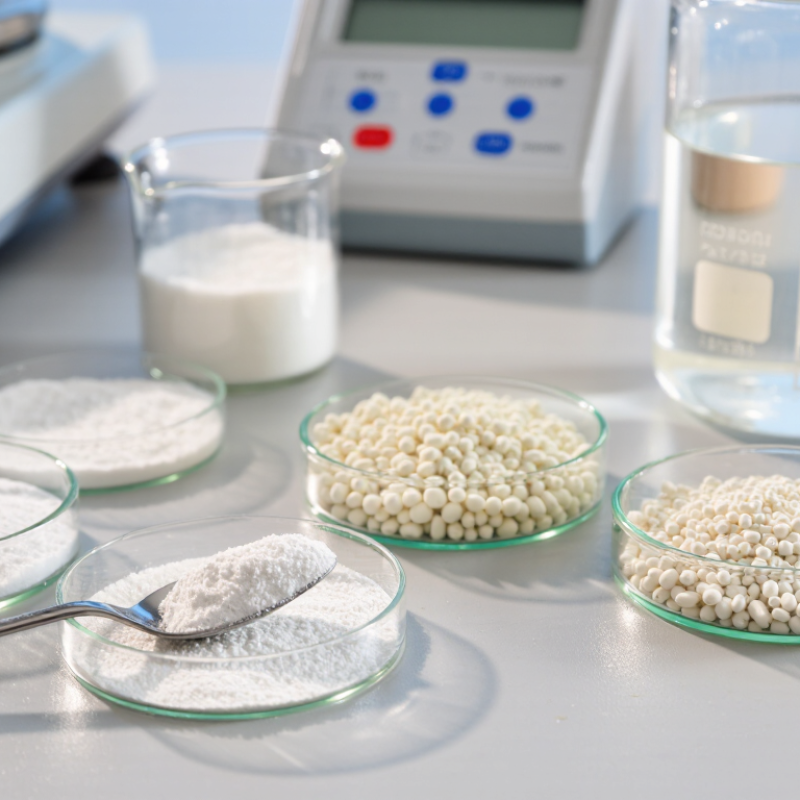
Casein hydrolysate is casein, the main protein in milk, broken into smaller peptides and amino acids. Enzymes usually perform this breakdown. The resulting powder can dissolve differently and taste more bitter than intact casein. Its properties depend on the starting material and processing conditions.
Production typically begins with casein separated from milk. A processor adds selected proteases under controlled temperature and pH, then allows the enzymes to split protein bonds for a set time. Heat can stop enzyme activity. Filtration and drying then help create a stable ingredient. The result varies. Hydrolysis level, filtration, and drying influence peptide size, solubility, and flavor. One caveat: a process description may sound exact, while the finished peptide profile still varies between batches. Hydrolysis also should not be assumed to remove every milk-related allergen concern.
Tips: Buyers can request specifications for peptide profile, solubility, moisture, and batch consistency. Check the intended application with a qualified food scientist. A small trial may reveal bitterness or mixing issues that a specification sheet misses.
Typical proportions of the major protein fractions in bovine casein—the starting material used to produce casein hydrolysates.
Values are approximate typical proportions and vary with milk source and measurement. Casein hydrolysates are produced by breaking casein proteins into peptides, most commonly with enzymes; products are often differentiated by the enzyme used, degree of hydrolysis, and peptide-size distribution. Acid hydrolysis is another route, but can alter certain amino acids.
Casein hydrolysates are commonly classified by hydrolysis level: low, moderate, or high. The degree of hydrolysis (DH) estimates how many peptide bonds have been cleaved. The boundaries vary. There is no single cutoff used consistently across suppliers, so buyers should check the stated DH and test method rather than rely on the category name alone.
Low-DH material generally contains more larger peptides and may retain more of casein’s functional character. Moderate hydrolysis offers a balance of smaller peptides and processing properties, though results depend on the enzyme and production conditions.
High-DH material typically contains shorter peptides and may dissolve more readily, but bitterness can become more noticeable.
Not a simple trade-off. A high DH can look impressive on paper, yet still be unsuitable for a neutral-tasting drink or a formulation that needs particular foaming behavior. For a reliable comparison, review the specification, analytical method, peptide-size profile, and sensory data. Requesting samples from multiple production lots can also reveal variation that a single certificate may not show.
Casein hydrolysates differ mainly by enzyme choice, hydrolysis depth, and peptide-size profile. Enzymatic products are often designed for improved solubility or easier incorporation into beverages and nutrition powders. More extensive hydrolysis can create smaller peptides, but may also increase bitterness. That trade-off matters. Buyers should compare peptide distribution, degree of hydrolysis, solubility at the intended pH, and sensory data—not just the ingredient name.
The FAO report Milk and Dairy Products in Human Nutrition (2013) describes casein as roughly 80% of bovine milk protein. This large protein fraction provides varied peptide sequences after processing, but it does not guarantee identical performance between batches. Acid- or rennet-derived starting casein can also influence the material entering hydrolysis. In practical trials, check whether a powder disperses cleanly in a glass of cold water, forms persistent foam, or leaves a bitter finish. Enzyme-specific hydrolysates may support different emulsifying or foaming behaviors; results depend on processing conditions and formulation. Some supplier specifications are thin on peptide-size data. I would treat that as a point to verify, not assume. Compare independent compositional analysis and application tests before selecting a grade.
2026 Top Casein Hydrolysate Types for Global Buyers
Casein hydrolysates serve different roles across food, nutrition, and research. Enzymatic breakdown creates smaller peptides, changing solubility, taste, and performance. FAO’s Dairy Market Review 2024 reports global milk production above 900 million tonnes, indicating a broad dairy raw-material base. The OECD-FAO Agricultural Outlook 2024–2033 projects continued growth in milk production, but that does not guarantee consistent hydrolysate quality. Buyers still need batch-level specifications.
In foods, selected hydrolysates can contribute savory notes or support protein fortification in soups and nutrition bars. Their bitterness can also be noticeable. In specialized nutrition, peptide size and protein content matter, while suitability depends on the product’s intended use and applicable standards. In research, casein hydrolysates are used as nutrient sources in laboratory culture media; researchers should check composition and lot consistency before comparing results. Not interchangeable.
Tips: Request the degree of hydrolysis, peptide profile, solubility, and microbiological specifications. Test the ingredient in the actual recipe or medium, not just in water. One trade-off is easy to miss: more hydrolysis may improve solubility but intensify bitterness. Keep a retained sample from each lot for troubleshooting.
| Type | How It Is Produced / Typical Profile | Food Uses | Nutrition Uses | Research and Laboratory Uses | Key Buyer Checks |
|---|---|---|---|---|---|
| Broad-spectrum enzymatic hydrolysate | Casein is broken down with one or more proteases. Peptide size and composition vary with the enzyme system and processing conditions. | May be used as a protein-derived ingredient for formulation or flavor applications where permitted and appropriate. | Can be considered for protein-containing formulations; suitability depends on the product specification and applicable regulations. | May serve as a complex nitrogen source in laboratory media and other research formulations. | Check enzyme and processing details, protein and moisture specifications, microbiological limits, allergen information, and intended-use compliance. |
| Limited enzymatic hydrolysate | Produced with controlled, relatively limited proteolysis. It generally contains a mixture of larger peptides and smaller peptides; exact distribution is process-dependent. | Can be evaluated for protein fortification, solubility, and functional properties in a specific food matrix. | Potentially suitable for formulations that require partially hydrolyzed casein, subject to formulation and regulatory review. | Useful when a less extensively hydrolyzed casein-derived material is needed as a complex nutrient source. | Request the method used to measure degree of hydrolysis and, where relevant, peptide-size distribution. Do not infer performance from the category name alone. |
| Extensively enzymatic hydrolysate | Further proteolysis produces a greater proportion of short peptides and free amino acids than a limited hydrolysate; the profile varies by process. | May be considered for specialized formulations, subject to taste, functionality, and local food regulations. | Can be used in selected nutrition formulations when its composition and intended use meet product and regulatory requirements. | May be used as a complex peptide or nitrogen source in experimental media. | Assess bitterness, amino-acid profile, solubility, peptide distribution, and intended-use limits. Hydrolysis alone does not establish hypoallergenic status. |
| Enzyme-specific hydrolysate | Made with a specified protease, such as trypsin or pepsin. Enzyme choice influences cleavage patterns, but the final profile also depends on processing conditions. | Application depends on the resulting sensory and functional properties and whether the ingredient is authorized for the intended use. | May be evaluated for specialized formulations; suitability cannot be determined from the enzyme name alone. | Useful where a particular digestion or cleavage approach is required for an experiment or comparative study. | Verify enzyme identity, source, activity or processing information, residual-enzyme controls where relevant, and batch-to-batch consistency. |
| Acid-hydrolyzed casein | Produced by acid treatment rather than protease digestion. Strong acid hydrolysis can destroy tryptophan and alter or reduce recovery of some other amino acids. | Use depends on the specific product and applicable food regulations; it should not be treated as interchangeable with an enzymatic food ingredient. | Generally requires careful review of amino-acid composition and intended-use suitability before consideration in a nutrition product. | May be selected for analytical, biochemical, or media-related work when an acid hydrolysate is specifically required. | Check hydrolysis conditions, amino-acid limitations, residual processing chemicals, and whether the material is suitable for the intended application. |
| Microbiological-grade casein digest | A casein-derived digest manufactured and specified for laboratory culture-media use. It is a complex mixture rather than a chemically defined compound. | Not automatically suitable for food use; laboratory grade does not establish food-grade status. | Not automatically suitable for human or animal nutrition; confirm grade and regulatory status independently. | Used as a source of peptides and nitrogen in selected microbiological media and research formulations. | Review the technical specification, test methods, microbiological quality, traceability, and explicit grade designation. Avoid substituting grades without validation. |
Global buyers compare casein hydrolysates by more than protein content. Products may differ in hydrolysis degree, peptide-size distribution, solubility, flavor, and intended application. These details affect performance in nutrition, food processing, and laboratory formulations. Ask suppliers for current specifications and batch-level certificates of analysis, including test methods. A stated peptide profile is useful, but it may not predict how a powder behaves in your own process. Test samples under realistic mixing conditions.
Small differences matter.
Compliance depends on the product’s intended use and destination market. Review allergen declarations, ingredient origin, traceability records, contaminant limits, and supporting quality documents against your requirements. Do not assume one document set covers every market.
Not always.
Compare suppliers on production capacity, lead times, packaging options, and shelf-life data, then confirm these details in writing. Ask how they handle specification changes or delayed shipments. A clean certificate is reassuring, yet it cannot replace consistent batches and responsive communication.
Buyers should also acknowledge their own uncertainty: early trials may not reflect full-scale production. A pilot order can reveal gaps before long-term supply plans are set.
It is casein, milk’s main protein, broken into smaller peptides and amino acids. Enzymes usually do this.
Casein is separated from milk and treated with proteases under controlled temperature and pH. Heat stops enzyme activity. Filtration and drying create a stable powder.
Hydrolysis level, filtration, and drying affect peptide size, solubility, and flavor. Batch differences can remain, even when the process sounds precise.
Ask for peptide profile, solubility, moisture, and batch consistency data. Request current batch certificates of analysis and their test methods. Details matter.
Test samples under realistic mixing conditions. A small trial may reveal bitterness or mixing issues that a specification sheet misses.
No. Do not assume hydrolysis removes every milk-related allergen concern. Review allergen declarations for the product and destination market.
Check ingredient origin, traceability, contaminant limits, and supporting quality records. Requirements vary by market. Not always.
Confirm capacity, lead times, packaging, and shelf-life data in writing. Ask how specification changes and delayed shipments are handled. A pilot order can reveal gaps, though early trials may not predict full-scale results.
Casein Hydrolysate is produced by breaking down casein protein into smaller peptides, with the process and degree of hydrolysis shaping its composition and performance. Products may be grouped by hydrolysis level, peptide size, solubility, taste, and other functional characteristics. Less extensively hydrolyzed types can retain more of the properties of intact protein, while more extensively hydrolyzed types generally contain smaller peptides and may offer different solubility and sensory profiles. Understanding these distinctions helps buyers match a product to its intended application.
Across food and nutrition formulations, casein hydrolysates can contribute protein and influence texture, dispersibility, and flavor; research applications may require consistent specifications and documentation. In 2026, global buyers can compare options by reviewing protein content, peptide profile, processing controls, quality records, applicable compliance documentation, packaging, lead times, and supply reliability. Clear product specifications and consistent communication with suppliers support informed sourcing decisions and help ensure that the selected type meets the practical needs of its market and application.

Hongrun Baoshun