Global buyers are reassessing Corn Steep Liquor Powder as fermentation demand expands in 2026. This ingredient is not merely a low-cost nutrient source. It can influence microbial growth, enzyme production, fermentation speed, and final batch consistency.
Fermentation biotechnology researcher Dr. M. M. El-Mansi has described corn steep liquor as “a rich source of nitrogen, amino acids, vitamins, and minerals for industrial fermentation.” That description explains its value, but it does not tell the whole story. Powder performance depends on corn origin, steeping conditions, drying temperature, moisture, protein content, ash, solubility, and storage history.
The right grade matters.
Some powders disperse quickly in warm water. Others leave dark sediment or produce noticeable odor. Buyers should request a current specification sheet, certificate of analysis, allergen statement, microbiological results, and traceability records. Production sites should also confirm whether the material suits feed, fermentation, agricultural, or laboratory applications.
This guide examines the leading Corn Steep Liquor Powder types expected to attract global attention in 2026. It compares practical differences, not just advertised percentages. A higher protein figure may look impressive, yet it may not guarantee better fermentation performance. That assumption deserves testing.
Small trials remain essential. Measure dissolution time, pH response, nitrogen availability, and batch-to-batch behavior before signing a large contract. Supplier reputation helps, but documented evidence matters more. The market is growing. Quality is still uneven.
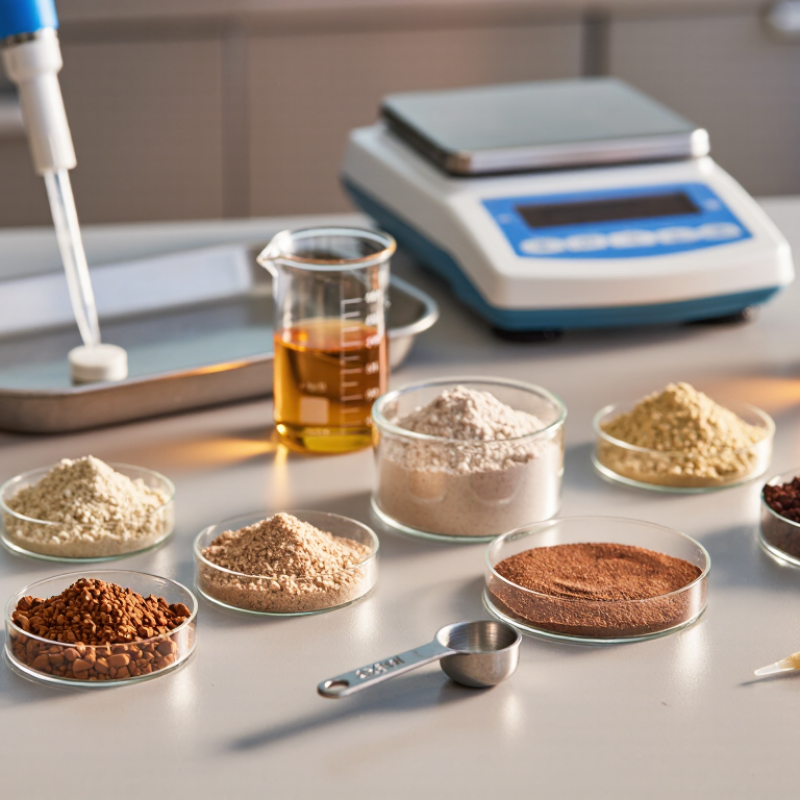
Corn Steep Liquor Powder: Definition, Composition, and Core Properties
Corn steep liquor powder is a dried form of corn steep liquor, a nutrient-rich liquid produced during corn wet milling. Manufacturers concentrate and dry this liquid into a free-flowing powder for easier storage and transport.
Its composition usually includes soluble proteins, peptides, amino acids, lactic acid, minerals, and residual carbohydrates. The exact profile changes with steeping conditions, corn quality, and drying temperature. Typical buyers examine protein content, moisture, ash, pH, solubility, and amino nitrogen. These figures matter more than appearance alone. A pale brown powder may still differ significantly in fermentation performance.
The powder is generally hygroscopic, so it can absorb moisture during humid transport. It should remain sealed, cool, and dry. Good material disperses in water with limited lump formation, although complete instant solubility is not guaranteed. That detail deserves attention. Buyers should request a recent certificate of analysis, microbiological results, batch traceability, and storage guidance. A sample trial is also wise before large-volume purchasing. In practical use, small variations may affect microbial growth, nutrient balance, or process consistency. No specification sheet can replace testing under the buyer’s actual conditions.
How Corn Steep Liquor Powder Is Produced and Standardized
2026 Top Corn Steep Liquor Powder Types for Global Buyers
Corn steep liquor powder begins with controlled corn steeping, not simple drying. During wet milling, corn kernels remain in warm water with sulfur dioxide and naturally formed lactic acid. The steep water is separated, filtered, concentrated, and usually spray-dried. Each stage affects color, odor, solubility, and nutrient consistency.
Feedipedia’s technical profile reports that corn steep liquor commonly contains about 45–50% dry matter before concentration. Its crude protein level varies by process and raw material. Buyers should not treat these figures as fixed specifications. The powder may also contain lactic acid, minerals, residual sugars, and ash. Small changes in steeping time can alter the final profile.
Standardization requires more than protein testing.
A practical certificate of analysis should include moisture, crude protein, ash, pH, lactic acid, bulk density, solubility, and microbial limits. AOAC methods can support protein and moisture verification. FAOSTAT recorded global maize production above 1.2 billion tonnes in 2023, creating a large raw-material base. That scale does not guarantee uniform powder. Regional corn quality still matters. Sulfur dioxide residues and labeling requirements must meet the destination market’s rules. In my view, color remains an underrated quality signal, although it cannot replace laboratory data. Insufficient attention to hygroscopicity may also cause caking during long-distance shipping.
Major Types of Corn Steep Liquor Powder in the 2026 Market
Major Types of Corn Steep Liquor Powder in the 2026 Market
Corn steep liquor powder is produced from the liquid fraction of corn wet milling. It contains soluble nitrogen, amino acids, minerals, and organic compounds. Global buyers usually select types by drying method, nutrient profile, and application needs.
Spray-dried corn steep liquor powder is widely used in fermentation and microbial nutrition. It dissolves quickly and often provides consistent handling during batching. Drum-dried powder may contain slightly larger particles and can suit applications where slower dispersion is acceptable. Granulated or agglomerated powder creates less dust during transfer. This feature matters in warehouses and automated feeding systems.
Some suppliers offer standard, high-protein, or customized nutrient grades. However, these labels can differ between producers. Buyers should request moisture, total nitrogen, crude protein, ash, pH, solubility, and microbial test results. Color and odor also deserve attention. A dark brown powder with a mild fermented smell is often expected, but strong burnt notes may indicate processing problems.
Packaging affects quality more than many buyers expect. Moisture-proof bags and clean pallets help prevent caking during long-distance shipping. Smaller trial shipments are sensible before annual contracts. No single type is best. In practice, a highly soluble grade may cost more, while a granulated grade may reduce dust and labor. Specifications still need review. Even experienced teams can overlook storage humidity, which may quietly change powder flow and performance.
2026 Top Corn Steep Liquor Powder Types for Global Buyers
Major commercial types of corn steep liquor powder classified by typical buyer application and protein specification.
How to read the chart: Fermentation-grade powder generally targets the highest protein level because it is used as a nutrient source for microbial culture media. Feed-grade powder is commonly specified around 40–45% protein, while fertilizer and biostimulant applications may accept a broader specification range. Actual values vary according to corn processing, drying method, moisture, ash, and buyer contract requirements.
Protein figures represent typical commercial specification points rather than market-share percentages. Product specifications should be verified through the supplier’s current certificate of analysis.
Global Applications Across Feed, Fermentation, and Agriculture
2026 Top Corn Steep Liquor Powder Types for Global Buyers
Corn steep liquor powder is gaining attention across feed, fermentation, and agriculture. The category is not perfectly standardized. Buyers should compare protein, amino nitrogen, moisture, ash, solubility, and microbial limits.
USDA’s April 2025 WASDE report estimated 2024/25 global corn production at about 1.2 billion metric tons. That large raw-material base supports wider ingredient availability, but quality still depends on processing control.
Feed formulators commonly assess standard, high-protein, and low-ash powder grades. These materials can provide nitrogen, minerals, and soluble nutrients in livestock and aquaculture diets.
Alltech’s Agri-Food Outlook 2025 estimated global manufactured feed production at approximately 1.126 billion tonnes in 2024. Small formulation differences matter at this scale.
A powder that bridges nutrient gaps may reduce the need for separate inputs, but digestibility must be verified through laboratory testing.
Fermentation producers often prefer highly soluble grades with consistent nitrogen content. They may use the powder in microbial cultivation, enzyme production, and organic acid processes.
Agriculture buyers may evaluate it as a nutrient-containing soil amendment, especially where transport and storage require a dry format. Yet field performance is not automatic.
The FAO emphasizes soil-specific nutrient management, and corn steep liquor powder should be tested against local soil conditions. A low-ash specification can still disappoint if solubility is poor. That is an overlooked detail.
Key Buying Criteria for International Corn Steep Liquor Powder Buyers
International buyers need more than a product name when selecting corn steep liquor powder in 2026.
Type matters, but performance matters more. Spray-dried powder may suit feed and fermentation applications, while carrier-based grades can improve flow. Ask how the powder was processed, not only how it is priced.
Request a current specification sheet and a batch-specific certificate of analysis. Check soluble protein, total nitrogen, moisture, ash, pH, and particle size. These figures affect mixing, storage, and biological performance. Do not accept vague terms such as high quality.
Reliable sourcing also depends on traceability. The supplier should identify the corn origin, production date, lot number, and recommended storage conditions. Review testing for microbial limits, heavy metals, and relevant mycotoxins.
Confirm that documents match the destination market’s import and labeling requirements. Packaging deserves attention too. Moisture-resistant bags, secure inner liners, and clear pallet markings can prevent costly problems during long sea transport. Small details matter.
Before signing a large contract, request a representative sample and run a controlled application trial. Compare solubility, odor, sediment, and performance against your current material. A low quotation can be misleading. Freight, customs delays, and inconsistent batches may erase the apparent saving.
It is easy to overvalue laboratory numbers and undervalue handling behavior. That judgment deserves review. Buyers should also confirm lead times, claim procedures, and replacement terms in writing. Good purchasing is not perfect; it becomes stronger when assumptions are tested.
Conclusion
Corn Steep Liquor Powder is a concentrated, dried ingredient derived from the nutrient-rich steeping liquid generated during corn wet milling. It typically contains proteins, amino acids, minerals, organic acids, carbohydrates, and other soluble nutrients, making it a versatile functional material. Its nutritional profile, moisture level, solubility, color, odor, and consistency may vary according to processing and standardization methods. Modern production generally includes filtration, concentration, drying, grinding, and quality testing to achieve stable specifications for international trade.
In the 2026 market, major types may be differentiated by protein content, solubility, particle size, drying method, and intended application. Global buyers use Corn Steep Liquor Powder in animal feed formulations, microbial fermentation, enzyme and amino acid production, and agricultural nutrient products. When selecting a supplier, buyers should evaluate composition, batch consistency, microbiological safety, contaminant control, packaging, shelf life, documentation, transportation conditions, and compliance with destination-market requirements. Reliable specifications and transparent quality management are essential for efficient and predictable use.

 Hongrun Baoshun