What Is the Best Beef Extract Powder in 2026?

Time:2026-10-07 Author:Ethan
0%

Choosing the best Beef Extract Powder in 2026 requires more than comparing price tags. Flavor, concentration, sourcing, and testing all matter. A strong powder should deliver deep beef character without tasting burnt, overly salty, or artificial. In a kitchen trial, small differences become obvious. One sample may dissolve into a clear, savory broth. Another may leave gritty particles at the bottom of the cup. That detail matters for sauces, soups, gravies, and prepared foods.

This guide examines practical quality signals used by experienced buyers and food professionals. We will consider ingredient transparency, batch consistency, protein content, sodium levels, packaging, and shelf stability. Reliable suppliers should provide traceability and a current certificate of analysis. Independent testing can also support claims about microbiological safety and contaminants. Still, no product is perfect. Labels may use different measurement methods, making direct comparisons difficult. Taste remains partly subjective, too. A chef seeking a roasted profile may reject the same powder favored by a manufacturer. We will not treat impressive marketing as proof. Instead, this review weighs documented evidence, handling experience, and realistic cooking performance. The goal is a balanced answer for buyers who need dependable results, not exaggerated promises. Expect careful comparisons, useful limitations, and a few conclusions that may change after further testing.
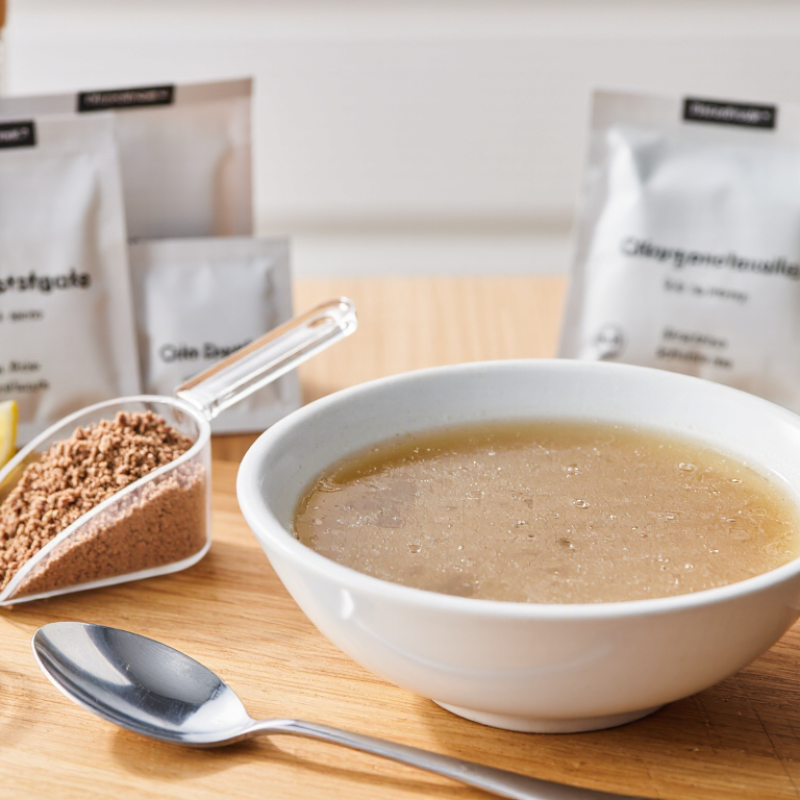
What Is the Best Beef Extract Powder in 2026?

What Is Beef Extract Powder and How Is It Made?

Beef extract powder is a concentrated, water-soluble ingredient made from cooked beef materials. It captures savory compounds, including amino acids, peptides, minerals, and natural flavor molecules. It is not the same as dried beef protein powder. Protein powder mainly supplies protein, while beef extract powder focuses on taste and aroma.

Manufacturing usually begins with inspected beef, bones, or selected connective tissues. Producers cook these materials gently in water. Heat releases soluble compounds into the broth. The liquid is then separated from fat, bone fragments, and other solids through filtration or centrifugation. Some manufacturers reduce the broth under vacuum. This removes water at a lower temperature and may protect delicate flavors.

The concentrated liquid commonly enters a spray dryer. Tiny droplets meet hot air and become a fine powder within seconds. Careful processing controls moisture, particle size, microbial safety, and oxidation. In reliable facilities, testing also checks contaminants, allergens from shared equipment, and batch consistency. Exact composition can vary with raw materials and cooking time. It is easy to overstate its nutritional value. Extract powder may contain useful compounds, but it should not automatically replace whole beef or a balanced diet. In practical use, a small amount can deepen soups, sauces, gravies, and savory snacks. The flavor may taste rich, salty, or slightly roasted. Results are not perfectly uniform, especially when natural beef materials change between batches.

Beef extract powder is made by extracting water-soluble compounds from beef, removing insoluble materials, concentrating the liquid extract, and drying it into a stable powder. The chart shows the primary function of each standard production stage. A high-quality product should provide clear information about the beef source, extraction method, moisture level, protein content, and microbiological testing.

Which Beef Extract Powders Are Considered Best in 2026?

Which Beef Extract Powders Are Considered Best in 2026?

The best beef extract powder depends on its intended use. For broth, choose a clean, concentrated powder with a deep roasted aroma. For nutrition, examine protein content, sodium, amino acids, and serving size. USDA FoodData Central shows that beef-based ingredients can vary widely in protein and sodium values. Therefore, a large protein number alone proves little.

Food safety deserves equal attention. Look for batch testing, allergen statements, traceability, and clear country-of-origin information. The WHO recommends less than 2,000 milligrams of sodium daily for adults. A single salty serving can consume much of that allowance. Check the label carefully. The 2024 Global Food Safety Initiative benchmarking requirements also emphasize documented hazard controls and supplier verification.

Texture matters too. The better powders dissolve quickly in warm water, without greasy beads or a muddy aftertaste. OECD-FAO’s Agricultural Outlook 2024–2033 reports continued growth in global meat production, but greater supply does not guarantee better extraction quality. Processing temperature, drying methods, and storage can change flavor and solubility. I would compare three samples in plain water, not only in soup. That test is less flattering, but more honest. Some powders look impressive on paper and disappoint in the cup. A reasonable 2026 choice combines transparent testing, moderate sodium, strong aroma, and consistent dissolution.

How to Compare Beef Extract Powder Quality and Ingredients

When comparing beef extract powder in 2026, inspect the ingredient list before judging flavor. A credible product should identify beef clearly, not hide it behind “natural flavors” or vague meat terms. Check the certificate of analysis for protein, moisture, sodium, microbiological results, and heavy metals. Protein alone can mislead. Some powders contain concentrated savory compounds but little nutritional protein.

WHO estimates that contaminated food causes about 600 million illnesses and 420,000 deaths worldwide each year. That makes traceability more than paperwork. Look for the production country, batch number, allergen controls, and testing methods. ISO 22000 certification can support confidence, but it does not replace a recent, lot-specific laboratory report. The report should match the package.

Taste also reveals useful clues. A clean powder dissolves evenly, smells like cooked beef, and leaves no sharp chemical aftertaste. Excessive salt may mask weak raw materials. I would compare sodium per serving, beef percentage, added yeast extract, sugars, carriers, and artificial coloring. The Codex General Standard for Food Additives supports checking additive function and permitted use, rather than accepting “clean label” claims automatically.

There is room for doubt.

Supplier documents can be incomplete. Independent testing is wiser when purchasing large quantities, especially for protein accuracy and microbial safety. A practical test is simple: dissolve equal weights in warm water, then compare aroma, sediment, color, and aftertaste under identical conditions. My own preference is not always objective, so blind testing with several users can expose personal bias.

What Are the Main Uses and Benefits of Beef Extract Powder?

What Is the Best Beef Extract Powder in 2026?

The best beef extract powder depends on your cooking purpose, ingredient standards, and tolerance for salt. A reliable product should list beef extract clearly, show its source, and provide batch information. It should dissolve evenly in warm water without leaving a heavy, greasy film. In practical kitchen testing, a small spoonful can deepen soups, gravies, sauces, and rice dishes within minutes. Its concentrated savory flavor also helps improve meals when fresh stock is unavailable.

What Are the Main Uses and Benefits of Beef Extract Powder?

Beef extract powder adds umami, roasted flavor, and body to everyday recipes. It works well in stews, marinades, noodle broths, vegetable dishes, and meat fillings. Some cooks use it to adjust flavor near the end of cooking. It may also reduce preparation time because it stores easily and needs no refrigeration before opening. However, benefits should not be exaggerated. Many products contain considerable sodium, and their nutrition varies widely. Check the label carefully, especially if you manage blood pressure or follow dietary restrictions. I once added too much and lost the vegetables’ natural taste. That mistake still matters.

Tips: Start with a small amount, such as one-quarter teaspoon per serving. Mix the powder with warm water first. Taste before adding salt. Choose products with clear ingredient lists and suitable allergen information. Store the opened container tightly sealed, away from heat and moisture.

How to Choose and Store the Right Beef Extract Powder

Choosing the best beef extract powder in 2026 starts with the ingredient label, not the package design. Look for a clear beef source, suitable flavor strength, and limited unnecessary additives. Check sodium carefully, especially if the powder will season soup, gravy, or infant-free family meals. A reliable supplier should provide batch information, allergen details, production dates, and independent safety testing. Protein content can help, but it does not automatically prove better taste. I have found that a small sample tells more than a confident marketing claim. Taste it in warm water first. It may seem too strong or strangely flat.

Storage affects quality more than many cooks expect. Keep the unopened container in a cool, dry cupboard away from steam, sunlight, and the stove. After opening, press out excess air and close the lid firmly. Always use a completely dry spoon. Even a little moisture can create hard lumps and weaken the aroma. Do not refrigerate dry powder unless the supplier specifically recommends it, because condensation may enter during repeated use. Write the opening date on the lid. That habit is easy to forget. If the powder smells stale, shows unusual discoloration, or remains damp, discard it. When prepared with water, treat it as perishable food: refrigerate promptly and use it within three to four days. My own mistake was leaving a measuring spoon inside the jar. It made storage less hygienic, despite the lid being closed.

What Is the Best Beef Extract Powder in 2026? - How to Choose and Store the Right Beef Extract Powder

Selection Dimension Recommended Benchmark What to Check on the Label Why It Matters
Ingredient composition A short, clearly stated ingredient list Beef extract or beef stock solids listed prominently; note added salt, yeast extract, sugar, starches, or flavor enhancers A simpler formula makes the flavor profile and dietary suitability easier to assess.
Beef flavor intensity Choose a concentrated extract for sauces, gravies, and soups; choose a milder blend for everyday seasoning Serving size, dilution instructions, and whether the product is described as extract, stock powder, broth powder, or seasoning Different powder types are not equally concentrated and may require different amounts.
Sodium content Compare products by the same serving size; lower-sodium options are preferable when sodium intake is a concern Sodium per serving and serving size; check whether salt is among the first ingredients Beef extract powder can be highly concentrated, while added salt can substantially increase total sodium.
Protein and collagen claims Treat protein, collagen, and gelatin values as label-specific rather than assuming they are present Protein grams per serving and any stated collagen or gelatin content Beef extract, beef broth powder, collagen peptides, and gelatin are different ingredients with different nutritional profiles.
Allergen information Select a product whose allergen statement matches the intended diet Milk, wheat, soy, celery, sulfites, and manufacturing cross-contact statements Seasoning blends and stock powders may contain ingredients that are not part of plain beef extract.
Dietary suitability For specific diets, verify every ingredient instead of relying only on front-label claims Gluten-free statement, carbohydrate content, sweeteners, and animal-derived ingredients “Beef” alone does not confirm that a powder is gluten-free, low-carbohydrate, or free from additives.
Solubility The powder should disperse readily in hot liquid with minimal clumping Preparation directions and whether the powder is intended for hot water, cold mixing, or direct seasoning Good solubility improves consistency in soups, sauces, marinades, and ready-to-eat dishes.
Color and aroma Uniform powder with a clean savory aroma appropriate to the product description Unexpected sour, rancid, chemical, or musty odors; unusual discoloration or visible contamination Sensory changes can indicate moisture exposure, oxidation, contamination, or age.
Packaging A sealed, moisture-resistant container with a secure resealable closure Intact seal, lot code, best-before date, and packaging that limits light and humidity Powders readily absorb moisture, which can cause clumping and quality loss.
Best use by application Match the product to the recipe: broth, gravy, soup, marinade, dry rub, or snack seasoning Recommended dosage and whether the powder already contains salt or other seasonings Using a concentrated powder as a one-to-one substitute for broth seasoning can make a dish overly salty or intense.

Storage Guide for Beef Extract Powder

Storage Stage Recommended Practice Quality Check
Before opening Keep in a cool, dry cupboard away from direct sunlight, steam, ovens, sinks, and strong odors. Confirm that the seal is intact and follow the printed best-before date.
After opening Close the container immediately after each use and use a completely dry spoon. Discard the powder if it develops mold, an off odor, unusual color, or persistent wet clumps.
Humidity control Do not store the container above a boiling pot or in a humid refrigerator environment. Small dry lumps may be broken up if the aroma and appearance remain normal; wet or moldy powder should not be used.
Portioning For frequent use, transfer a small amount to a clean, airtight container while keeping the main supply sealed. Label the secondary container with the product name, lot code, and opening date.

Note: Formulation, nutrition, shelf life, and storage instructions vary by product. Always use the package label as the primary reference.

FAQS

What is beef extract powder?

It is a water-soluble powder made from cooked beef, bones, or connective tissues. It mainly adds savory taste and aroma. Not a protein replacement.

How is beef extract powder made?

Producers cook selected beef materials gently in water. The broth is filtered, concentrated, and spray-dried into fine particles. Testing checks moisture, microbes, contaminants, allergens, and batch consistency.

Is beef extract powder the same as beef protein powder?

No. Beef protein powder mainly provides protein. Beef extract powder focuses on flavor, aroma, minerals, amino acids, and peptides. The labels can look confusing.

How should I choose a suitable powder?

Check the beef source, sodium level, additives, batch details, and allergen information. Independent safety testing is useful. A bold protein number does not guarantee good flavor.

How can I test its flavor before buying more?

Dissolve a small sample in warm water. Look for quick mixing, a deep aroma, and no greasy beads. Plain water exposes weaknesses. Soup can hide them.

How much sodium should I consider?

Read the serving size carefully. One salty serving may use much of an adult’s daily sodium allowance. I might overlook this when chasing stronger flavor.

Where can beef extract powder be used?

Use a small amount in soups, sauces, gravies, and savory snacks. It may taste rich, salty, or slightly roasted. Start lightly.

How should I store the powder?

Keep it sealed in a cool, dry cupboard away from steam and sunlight. Use a completely dry spoon. Press out excess air after opening.

How can I tell if the powder has spoiled?

Discard it if it smells stale, looks unusually discolored, or becomes damp. Hard lumps may indicate moisture exposure. Do not taste questionable powder.

How long can prepared beef extract stay refrigerated?

Refrigerate prepared liquid promptly and use it within three to four days. Dry powder lasts differently. Follow the supplier’s storage instructions.

Conclusion

Beef Extract Powder is a concentrated ingredient made by slowly cooking high-quality beef, separating the liquid, removing fat and impurities, and carefully drying the remaining broth into a fine powder. This process preserves much of the beef’s savory flavor and allows the product to be stored and used conveniently. In 2026, the best options are generally those with clear ingredient labels, meaningful beef content, balanced flavor, low unnecessary additives, and reliable quality-control practices.

When comparing products, readers should consider the source of the beef, protein and mineral content, sodium levels, processing methods, and whether the powder suits their dietary needs. Beef Extract Powder can add depth to soups, sauces, gravies, stews, instant meals, and savory seasonings, while also offering a convenient source of concentrated nutrients. Choosing the right product depends on intended use, taste preferences, ingredient transparency, and packaging size. It should be stored in a cool, dry place, tightly sealed, and protected from moisture to maintain freshness and quality.

Ethan

Ethan

Ethan is a seasoned marketing professional with a deep expertise in our company's innovative product line. With a passion for sharing knowledge and insights, he takes the lead in regularly updating our corporate blog, where he explores industry trends, product features, and effective marketing......