What Is the Best Cottonseed Meal in 2026?

Time:2026-11-08 Author:Ethan
0%

In 2026, the best cottonseed meal depends on the animal, the rest of its ration, and the product’s verified analysis. A high protein number alone does not tell the whole story. Fiber content, moisture, freshness, processing, and gossypol levels can also affect suitability. Small differences matter when a feed is mixed in bulk or used regularly.

This guide compares cottonseed meal by practical buying criteria, not by a single “best” label. It explains how to read a feed tag, compare nutrient guarantees, and check whether the product matches the needs of cattle, sheep, goats, or other livestock. Storage matters, too: a damp, musty smell or clumped meal can be a warning sign. Not every seller provides the same level of detail, and that makes direct comparison harder. The search phrase “Conttonseed Meal” is included here as requested; the standard spelling is “cottonseed meal.”

There is no universal winner. A suitable choice should come from a reliable supplier, include clear product information, and fit a balanced feeding plan. Gossypol deserves special attention, particularly for young or sensitive animals. Always check local feed guidance and consult a qualified nutritionist or veterinarian before changing a ration. Good decisions start with the label.
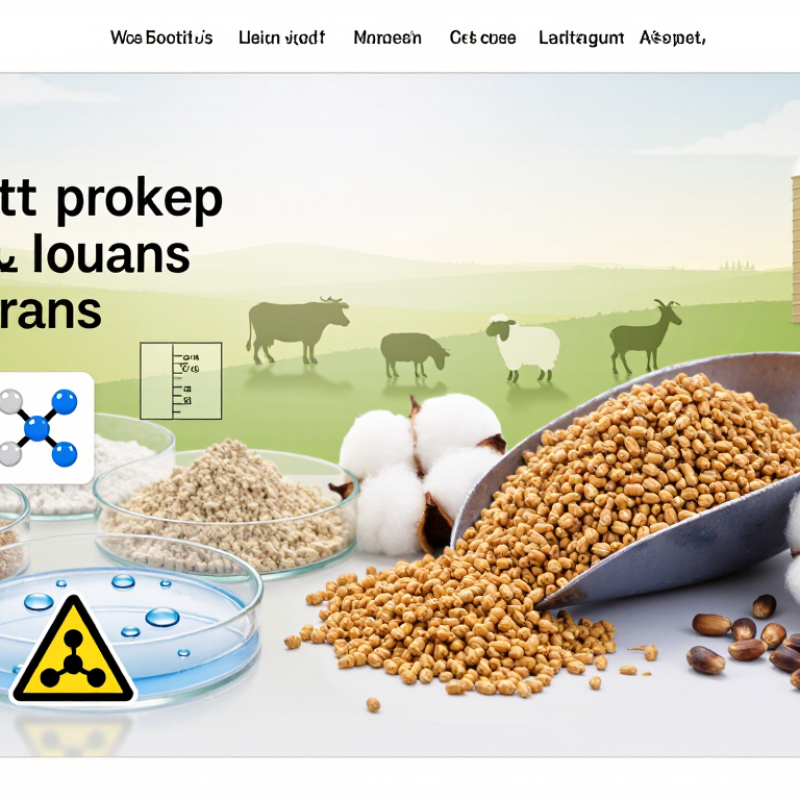
What Is the Best Cottonseed Meal in 2026?

Define Cottonseed Meal: Feedipedia Distinguishes Products by Processing Method

Cottonseed meal is not one uniform ingredient. Its composition depends on whether the seed hulls are removed and how oil is extracted. Feedipedia’s cottonseed-meal tables distinguish decorticated from undecorticated products. They report average crude protein of about 42% of dry matter for decorticated meal, compared with about 25% for undecorticated meal. The latter retains more fibrous hull material. A label that says only “cottonseed meal” leaves important details unclear.

Processing matters. Mechanical pressing generally leaves more residual oil than solvent extraction, so two meals with similar protein figures may still supply different energy. Feedipedia’s composition data are useful for comparison, but actual batches vary; check the supplier’s analysis for protein, fiber, fat, and moisture. Also ask for free-gossypol results and use species-appropriate feeding guidance, since gossypol risk depends on the animal and diet.

Small details count. In practice, compare meals on a dry-matter basis, then match the nutrient profile to the ration. The “best” meal is not automatically the one with the highest protein number.

I would still want a current batch certificate before making that call.

Compare Protein Grades: Feedipedia Reports Typical Crude Protein of 36–45%

What Is the Best Cottonseed Meal in 2026?

Feedipedia, a feed database developed by FAO, INRAE, CIRAD, and AFZ, reports typical crude protein of 36–45% for cottonseed meal. This range is useful when comparing protein grades, but it does not guarantee the value of a particular shipment. Feedipedia’s composition figures are generally reported on a dry-matter basis.

Basis matters. Compare results on the same basis, or moisture differences may distort the comparison. I would not call a meal with 40% protein the “best” without checking its full analysis.

Processing and remaining hull content can affect protein and fiber levels. For a practical check, compare the certificate of analysis for crude protein, moisture, and fiber.

Check the lab sheet. Feedipedia also documents variation in cottonseed meal’s composition, including free gossypol, so protein alone is an incomplete buying signal.

A higher protein figure may suit a specific ration, but the right choice depends on the animals and the rest of the feed. That detail is easy to miss. Ask a qualified animal nutritionist to assess the full ration, especially where gossypol sensitivity is a concern.

Assess Fiber and Gossypol: Use Feedipedia Composition Data to Judge Suitability

“Best” cottonseed meal depends on the animal, ration, and batch—not just the protein figure on a label. Feedipedia’s composition data are useful for comparing crude fiber and other nutrients, but values vary with seed type and processing. Compare figures on the same dry-matter basis. Otherwise, two meals may look more different than they really are.

Fiber offers a practical clue. Higher crude fiber can mean less concentrated energy and a coarser meal, which may suit some ruminant diets but not every formulation. Look beyond one table value: note the reported range, then check the supplier’s recent laboratory analysis. A handful of meal should be dry and fairly uniform; visible clumps or a strong musty smell deserve a closer check. Appearance alone proves little.

Gossypol needs equal attention. Ask for free-gossypol results, since that fraction is especially relevant when assessing feed suitability; total gossypol alone may not answer the question. Young animals and non-ruminants can be more sensitive, so do not assume a meal is suitable merely because its protein looks attractive. Feedipedia helps frame the comparison, but it cannot verify a specific shipment. I would still want a batch analysis. Feed tables are guides, not guarantees.

Match the Meal to Livestock: Compare Nutrients with National Research Council Needs

What Is the Best Cottonseed Meal in 2026?

The best meal is the one that fits the animal’s ration—not simply the bag with the highest protein figure. Feedipedia’s cottonseed meal data report crude protein averaging about 41% of dry matter for solvent-extracted meal, with meaningful variation between samples. Hull content and processing affect fiber and usable energy, too. Check a recent laboratory analysis before balancing a ration. Numbers on paper can mislead.

Match those results to the animal’s stage and output. NASEM’s Nutrient Requirements of Dairy Cattle (2021) evaluates protein needs through metabolizable protein and amino acid supply, not crude protein alone. Cottonseed meal can contribute protein, but its amino acid profile may not fit every high-producing cow without other ingredients. For growing cattle, NASEM’s Nutrient Requirements of Beef Cattle (2016) links requirements to body weight, growth rate, and forage quality. A growing steer on mature hay needs a different balance from a lactating cow.

Look closely. A ration spreadsheet cannot replace a forage test or feed analysis. Compare the meal’s protein, fiber, energy, and amino acid profile with the relevant NASEM model, then consider intake and the rest of the diet. The best fit may be a partial inclusion, not a complete protein replacement. That detail matters. Feed values vary, and I would recheck the calculation when the meal source or forage changes.

Choose the Best 2026 Lot: Verify Lab Results, Freshness, and Feed-Grade Standards

The best cottonseed meal in 2026 is the lot whose paperwork matches the feed in the bin. “Best” can vary with animal needs, ration design, and local supply. Ask for a current certificate of analysis tied to the lot number, not a generic product sheet. Check crude protein, moisture, fiber, fat, and any quality measures your nutritionist requires. Read the test date, too. A detailed report is less useful if it describes a different shipment.

Freshness takes more than a quick glance. Inspect the bags or bulk load for damp patches, clumping, damaged packaging, or signs of pests. A clean, nutty smell is reassuring. It is not proof. Unusual odors or visible mold warrant a pause and supplier follow-up. Confirm that the meal is labeled for feed use and that its specifications suit the intended animals. Feed-grade wording alone does not guarantee a consistent nutrient profile. Compare the actual analysis with your ration targets, and have a qualified feed professional review unexpected results. Keep the invoice, lot identification, and lab report together for traceability. One detail is easy to miss: even sound paperwork cannot tell you how the meal was stored after delivery. I would check that, too.

What Is the Best Cottonseed Meal in 2026? Choose the Best Lot

These are representative approximate composition values, not results from a specific lot; actual values vary with processing and dehulling. Before buying, compare a current lot-specific lab report with your feed-grade requirements, check moisture and freshness, and verify that the analysis matches the material being supplied.

FAQS

What is cottonseed meal?

It is a protein-rich feed ingredient made after oil is removed from cottonseed. Its nutrient profile depends on processing.

Why does hull removal matter?

Decorticated meal averages about 42% crude protein on a dry-matter basis. Undecorticated meal averages about 25% and contains more fiber. A big difference.

Does the oil extraction method affect feed value?

Yes. Mechanical pressing usually leaves more residual oil than solvent extraction. That can change the meal’s energy value, even when protein levels look similar.

Is the meal with the highest protein always the best choice?

No. Match protein, fiber, energy, and amino acids to the animal’s needs and the rest of its ration. The highest number can mislead.

What should I check on a batch analysis?

Check protein, moisture, fiber, and fat. Ask for free-gossypol results, too. Make sure the report matches the lot you received.

How can I assess freshness?

Look for damp patches, clumps, damaged bags, pests, or visible mold. An unusual smell deserves follow-up. A clean, nutty smell is not proof.

Can cottonseed meal replace all other protein sources?

Not automatically. Its amino acid profile may not suit every animal or production stage. A partial inclusion may fit better.

What should I do when the meal or forage changes?

Recheck the ration using current feed analyses and suitable feeding guidance. Keep the lot number and lab report together. I might still miss a storage detail.

Conclusion

The best Conttonseed Meal in 2026 depends on how it was processed and whether its nutrient profile suits the animals receiving it. Different processing methods can produce meals with varying protein, fiber, and residual oil levels. Crude protein commonly falls within a broad range of about 36–45%, so compare the product’s actual analysis rather than relying on a general label. Fiber content and gossypol levels also matter, since they can affect how suitable the meal is for particular livestock and how much can be included in a ration.

To choose a suitable lot, match its measured nutrients to the animals’ dietary needs and use established livestock nutrition guidance as a reference. Request current laboratory results for protein, fiber, moisture, and gossypol, and check that the meal is fresh, properly stored, and identified as feed grade. A dependable choice is not necessarily the highest-protein option; it is the lot whose verified composition, quality, and intended use fit the feeding plan.

Ethan

Ethan

Ethan is a seasoned marketing professional with a deep expertise in our company's innovative product line. With a passion for sharing knowledge and insights, he takes the lead in regularly updating our corporate blog, where he explores industry trends, product features, and effective marketing......