Selecting the right Maize Peptone in 2026 requires more than comparing protein percentages or price per kilogram. Buyers must examine origin, hydrolysis method, nitrogen consistency, solubility, microbial control, and documentation. These details influence cell growth, fermentation performance, and batch-to-batch reliability.
The global biomanufacturing sector continues to expand. Grand View Research identifies fermentation technology as a growing market, supported by demand for biologics, enzymes, vaccines, and industrial biotechnology. The OECD-FAO Agricultural Outlook 2024–2033 also highlights maize as a major global crop and an important industrial feedstock. However, these reports do not measure Maize Peptone directly. That limitation matters. A large maize supply does not automatically guarantee a dependable peptone ingredient.
Experienced formulators often test a sample in the exact production medium, not only in a laboratory screen. A pale powder should dissolve without stubborn sediment. Its nitrogen profile should remain stable across several lots. Buyers should request certificates of analysis, allergen statements, traceability records, residual sugar data, and microbial specifications. Suppliers with ISO 9001 systems may offer stronger process control, but certification alone proves little about biological performance. It is only one signal.
Regulatory expectations also deserve attention. The United States Pharmacopeia and European Pharmacopoeia provide broader quality frameworks for pharmaceutical materials, while specific applications may require additional validation. This guide compares leading options through performance, evidence, supply security, and technical support. No single product fits every process. That is the uncomfortable truth. The best choice must be demonstrated in your own formulation, at your own scale, under your own quality requirements.
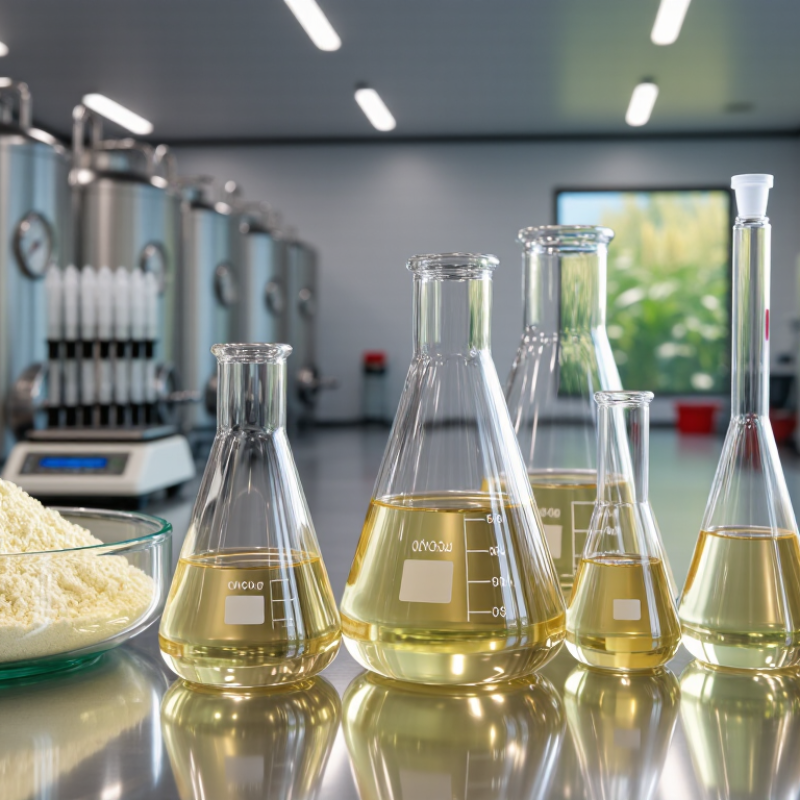
Maize peptone is a soluble mixture of peptides and amino acids made by breaking down maize proteins. It is used as a nitrogen source in microbial culture media. Producers may start with maize gluten meal or another protein-rich maize fraction, then hydrolyze it with enzymes or acid. The choice of raw material and hydrolysis conditions affects peptide size, solubility, and nutrient profile. The process is not identical across suppliers.
Feedstock availability is substantial: FAOSTAT’s 2023 crop-production data records more than 1.2 billion tonnes of maize produced worldwide. But crop volume alone says little about peptone quality. After hydrolysis, manufacturers typically separate insoluble material, concentrate the liquid, and dry it into a powder. Buyers should review product specifications and lot records for total nitrogen, amino nitrogen, ash, moisture, solubility, and microbial limits. Ask how these values are tested. One limitation remains: “maize peptone” does not define a single standardized composition, so matching a familiar name may not ensure consistent performance in a culture medium.
| Topic | Typical Information | Why It Matters to Buyers | What to Verify |
|---|---|---|---|
| What maize peptone is | A nitrogen-rich mixture of peptides and amino acids made by breaking down maize-derived proteins, commonly from corn gluten meal or related protein fractions. | It can provide organic nitrogen and growth nutrients in microbial culture media and selected fermentation processes. | Confirm the stated raw-material source and whether the product is suitable for the intended application. |
| Raw material preparation | Maize protein material is selected and prepared; processing may include milling, mixing with water, and adjustment of process conditions. | Raw-material composition can affect solubility, nutrient profile, and batch consistency. | Ask about source traceability, allergen controls, and specifications for incoming material. |
| Protein hydrolysis | Proteins are hydrolyzed, commonly using food- or industrial-grade proteolytic enzymes. Some processes use acid hydrolysis or other controlled methods. | Hydrolysis conditions influence peptide size, free amino-acid content, and the product’s behavior in a culture medium. | Request the hydrolysis method and application-specific performance data; these properties are not identical across products. |
| Clarification and filtration | The hydrolysate is separated from insoluble material, often through steps such as settling, centrifugation, or filtration. | Effective clarification helps control insoluble matter and supports consistent handling and dissolution. | Check appearance, solubility, insoluble matter limits, and any filtration-related specifications provided for the grade. |
| Concentration and drying | The clarified liquid may be concentrated and dried, for example by spray drying, to produce a powder. The exact process varies by manufacturer. | Moisture, packaging, and storage conditions can affect shelf stability and ease of use. | Review moisture limits, recommended storage conditions, packaging format, and stated shelf life. |
| Quality and consistency | Commercial specifications may include appearance, pH, solubility, total nitrogen, amino nitrogen, moisture, and microbiological criteria. Limits depend on the product grade. | A consistent specification and documented lot testing help reduce variation in downstream processes. | Obtain a current specification sheet and certificate of analysis for each lot. Do not assume a universal numerical specification. |
| Choosing a product | The most suitable grade depends on the organism, medium formulation, process conditions, required documentation, and local import requirements. | There is no single maize peptone that is best for every buyer or application. | Compare samples in the intended formulation, verify documentation, and confirm applicable regulatory and shipping requirements before purchase. |
It is a soluble mixture of peptides and amino acids made from maize proteins. It can supply nitrogen in microbial culture media.
Producers hydrolyze protein-rich maize material with enzymes or acid. They then remove insoluble matter, concentrate the liquid, and dry it into powder.
No. Raw materials and processing conditions can change peptide size, solubility, and nutrient profile. The name alone does not guarantee matching performance.
Request total nitrogen, amino nitrogen, moisture, ash, pH, solubility, color range, and microbiological limits. Ask for test methods and acceptance limits. Details matter.
A lot-specific certificate shows results for the material being supplied, rather than only typical values. Compare batches and consider a small trial. Not always simple.
Check whether the powder dissolves without persistent flakes. Test it in the intended medium, since handling and pH suitability can vary.
Requirements depend on the destination and declared use. Buyers may need a safety data sheet, origin details, ingredient statements, or other declarations. Confirm the list with a qualified customs broker or relevant authority.
Confirm bags are clearly labeled and liners remain intact. Link lot numbers to purchase records, and retain a sealed sample where practical. Paperwork can miss variation.
Maize Peptone is a nutrient-rich ingredient produced from maize proteins through controlled processing and hydrolysis. Its composition and functional properties can vary with the raw material and production method, so buyers should review specifications such as total nitrogen, amino nitrogen, solubility, moisture, pH, and batch consistency. Understanding these characteristics helps determine whether a grade is suitable for a particular process.
In fermentation and laboratory media, Maize Peptone can provide nitrogen and other nutrients that support microbial growth and product development. When comparing suppliers in 2026, buyers may assess technical documentation, quality-control practices, production capacity, packaging, lead times, and technical support. Global sourcing decisions should also account for product traceability, certificates and test records, shipping conditions, and the import documentation required in the destination market. Matching verified product specifications with process needs can help buyers make a practical, quality-focused choice.

 Hongrun Baoshun