The quest for the best Organic Nitrogen Source for plants continues to intrigue researchers and growers alike. According to a study by the American Society of Agronomy, nitrogen is essential for plant growth, affecting both yield and quality. Various organic sources, such as compost and grass clippings, offer not only nitrogen but also vital microorganisms that promote healthy soil.
Dr. Emily Carter, an expert in sustainable agriculture, emphasizes, "The right organic nitrogen source can transform soil health, impacting plant growth profoundly." This insight highlights the need for careful selection. Not every source will meet the unique demands of different plant species or soil types.
While organic nitrogen is favored for its environmental benefits, choosing the most effective source requires knowledge and experience. Some growers may struggle with consistency, leading to variable results. Others may find themselves overwhelmed by the multitude of options available. Exploring which Organic Nitrogen Source truly suits your plants may require trial and error, but the rewards can be significant.
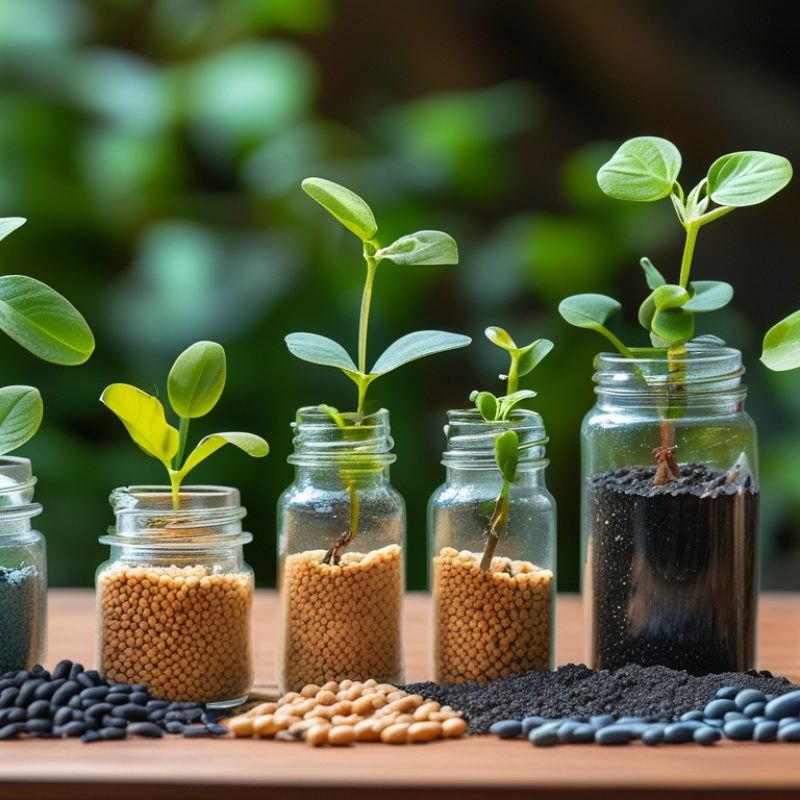
Understanding Organic Nitrogen Sources in Agriculture
Organic nitrogen sources play a crucial role in sustainable agriculture. They enrich soil health and support plant growth. Examples include animal manure, compost, and cover crops. These materials provide not just nitrogen but also improve soil structure. However, the nitrogen content can vary significantly among these sources.
When using organic nitrogen, timing is essential. Some sources release nitrogen slowly, while others do so more quickly. This variability can affect plant nutrient uptake. Farmers must consider their specific crop needs.
Testing soil regularly can help in choosing the right organic source. It ensures plants receive adequate nutrients. However, relying solely on organic sources might not meet high nitrogen demands. A balanced approach, combining different sources, can enhance plant health effectively.
Benefits of Organic Nitrogen for Plant Growth
Organic nitrogen is crucial for plant growth. It plays a key role in the synthesis of amino acids and proteins. These components are vital for cell structure and function. Healthy nitrogen levels can enhance growth, improve yield, and boost disease resistance. Organic nitrogen sources are more effective than synthetic options in many cases. They promote soil health and microbial activity.
Using organic matter like compost or green manure can enrich the soil. Compost not only adds nitrogen but also improves soil texture. This leads to better water retention and aeration. Some plant residues can decompose and release nitrogen slowly. However, not all organic sources are equal. Some may release nitrogen too quickly, resulting in potential nutrient loss.
Understanding your soil’s needs is essential. Testing soil can guide you in choosing the right organic nitrogen source. Each option has its pros and cons. Balancing these sources can be challenging. Sometimes, too much nitrogen can lead to excessive leaf growth at the expense of fruit or flower development. These nuances require careful monitoring and adjustment.
Best Organic Nitrogen Sources for Plants
This bar chart shows the nitrogen content in various organic nitrogen sources commonly used for plant growth. Organic nitrogen sources such as blood meal and fish emulsion are highlighted for their high nitrogen content, which is essential for promoting healthy plant growth.
Common Organic Nitrogen Sources Available
Organic nitrogen sources play a crucial role in plant growth. Many gardeners seek effective options to enrich their soil.
Common organic sources include compost, manure, and legumes.
Each offers unique benefits and challenges.
Compost is often a reliable choice. It provides a balanced array of nutrients. However, the nitrogen content can vary. Properly decomposed compost takes time to prepare. If not made correctly, it may contain weed seeds. Therefore,
patience is essential when using compost.
Manure from livestock is another popular source. It is rich in nitrogen and improves soil structure.
Raw manure can pose a risk of pathogens. Composting it before application is advisable. Legumes, on the other hand, fix nitrogen from the atmosphere. They can improve soil fertility but require careful crop rotation. Using these organic sources thoughtfully helps maintain healthy plants while enriching the ecosystem.
Comparative Analysis of Organic Nitrogen Sources
When considering organic nitrogen sources for plants, it’s important to analyze the effectiveness of each option. Common sources include compost, manure, and leguminous cover crops. Each source varies in nitrogen availability and release rates, which impact plant growth differently. Compost is rich in nutrients but releases nitrogen more slowly, while manure offers a quick boost. Leguminous crops, such as clover, can fix atmospheric nitrogen, enriching the soil naturally.
Tips: Always test your soil before adding nitrogen sources. This ensures you address specific nutrient deficiencies. Incorporating a mixture can enhance nutrient diversity for your plants.
While organic sources are beneficial, they can lead to imbalances if oversupplied. It's crucial to monitor plant health regularly. Observing leaf color and growth patterns can indicate whether your nitrogen levels are adequate. Adjust your fertilization practices based on these observations. Gardening often requires tweaking and re-evaluation. Embrace the learning curve that comes with growing healthy plants. Your hands-on experience will inform better decisions over time.
Best Practices for Applying Organic Nitrogen to Plants
Organic nitrogen sources are vital for plant growth. Applying these sources properly enhances nutrient availability. Understanding the soil and plant needs is crucial. Research indicates that plants require nitrogen for optimal photosynthesis and protein synthesis. The right application can boost yields.
Maintaining soil health is essential. Incorporate organic materials, such as compost or green manure. Reports show that adding 2-5 tons of compost per acre significantly improves nitrogen levels. This enhances microbial activity, essential for nutrient cycling. Monitor soil tests regularly to adjust applications, ensuring a balanced nutrient profile.
Timing is critical for effective nitrogen application. Early spring is often recommended. However, over-application can lead to nutrient runoff, harming aquatic ecosystems. Studies suggest that split applications throughout the growing season reduce this risk. Aim for 1-2 pounds of actual nitrogen per 1,000 square feet. Understanding local conditions and plant types will refine your approach. Experiment and observe how different plants respond to various practices. Adapt as necessary.
FAQS
: Organic nitrogen sources include animal manure, compost, and cover crops. They enhance soil health and plant growth.
They improve soil structure and provide essential nutrients, helping plants thrive in a sustainable way.
Different sources release nitrogen at varying rates. This affects how well plants can absorb nutrients when needed.
Regular testing identifies nutrient deficiencies, ensuring plants get the right amount of nitrogen for optimal growth.
No, a solely organic approach may fall short. A balanced mix of sources can better meet plant needs.
Oversupply can lead to nutrient imbalances. Monitoring plant health is crucial to maintain proper nitrogen levels.
Leaf color and growth patterns offer clues. If plants look unhealthy, it may suggest nitrogen imbalance.
Gardening requires ongoing adjustments. Learning from experiences will help improve strategies for healthy plant growth.
Consider mixing compost, manure, and cover crops. This combination enhances nutrient diversity for better plant health.
They fix atmospheric nitrogen, enriching soil naturally. This can reduce the need for additional nitrogen sources.
Conclusion
This article explores the critical role of organic nitrogen sources in agriculture, highlighting their numerous benefits for enhancing plant growth. Organic nitrogen is essential for building proteins and supporting various physiological processes within plants. Common organic nitrogen sources include compost, manure, and legume cover crops, each offering unique advantages depending on soil conditions and specific crop needs.
A comparative analysis of these sources reveals that while some provide quick-release nitrogen, others offer slow-release options for sustained growth. To maximize the effectiveness of organic nitrogen application, the article outlines best practices, such as proper timing and incorporation methods. By understanding and utilizing the best organic nitrogen source available, farmers can enhance soil health and optimize plant growth, leading to more sustainable agricultural practices.

 Hongrun Baoshun