Soybean Protein Isolate is gaining global attention for its numerous benefits. This versatile ingredient is a complete protein source, ideal for various dietary needs. It suits both vegans and those seeking to reduce animal protein intake.
One of the remarkable benefits of Soybean Protein Isolate is its rich amino acid profile. This ensures muscle recovery and growth, making it popular among athletes. Additionally, it supports heart health by lowering cholesterol levels. Many buyers appreciate its role in weight management. Finding ways to incorporate it can be a challenge, yet the rewards are worth it.
As the market for plant-based foods expands, understanding Soybean Protein Isolate’s advantages is crucial. Potential buyers must consider sourcing and quality. Transparency in production practices builds trust and reliability. Investing in Soybean Protein Isolate could enhance nutritional offerings while meeting consumer demand for sustainable options.
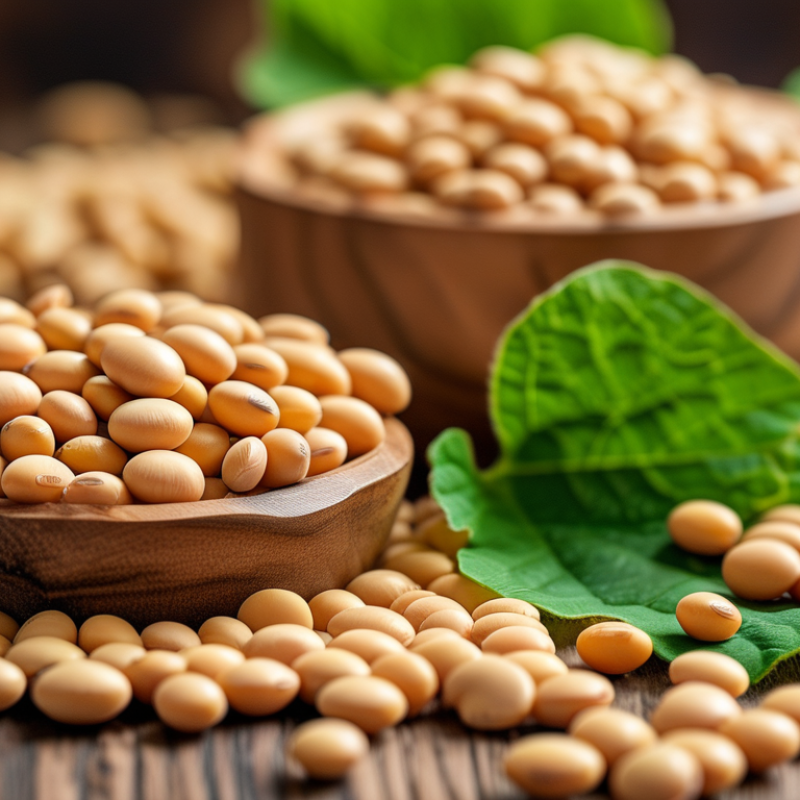
Soybean protein isolate is a powerhouse of nutrition. It is derived from whole soybeans, removing the majority of fats and carbohydrates. This results in a highly concentrated protein source, typically containing around 90% protein. Ideal for various dietary needs, it offers an excellent amino acid profile. It's particularly beneficial for those seeking plant-based protein alternatives.
One key advantage of soybean protein isolate is its versatility. It can be used in protein shakes, bars, and numerous food products. This adaptability allows for easy incorporation into different diets. Additionally, it is lactose-free, making it suitable for those with dairy intolerances. However, it may cause digestive discomfort for some individuals. Monitoring your body's reaction is essential.
Considering soybean protein isolate? Look for high-quality sourcing methods. This ensures minimal processing and maximum nutritional retention. Do not overlook the importance of checking for allergens. While it’s generally safe, some individuals may experience sensitivities. Always consult with a healthcare professional before making significant dietary changes. Understanding these factors leads to better choices and improved health outcomes.
Soybean protein isolate has gained traction for its numerous nutritional benefits. It is a high-quality, plant-based protein source, ideal for various diets. Rich in essential amino acids, it supports muscle growth and repair. This makes it an excellent option for athletes and fitness enthusiasts.
Consumers should consider the digestibility of soybean protein isolate. Its amino acid profile helps with nutrient absorption. Many find it easier on the digestive system compared to some animal proteins. Additionally, it is low in cholesterol and saturated fat, making it heart-healthy. Including this protein in meals can enhance overall nutrition without unwanted fats.
For those looking to diversify their diet, incorporating soybean protein isolate is a smart choice. It can easily blend into smoothies, baked goods, or soups. However, it's essential to balance it with other protein sources. Experimenting with portion sizes can be beneficial to find what feels right for your body. Always listen to how your body responds.
Soybean protein isolate offers an impressive range of health benefits for consumers. This ingredient is rich in essential amino acids, making it a valuable source of plant-based protein. Studies show that incorporating soybean protein into the diet can support muscle growth and repair. For athletes and fitness enthusiasts, this is a significant advantage.
Additionally, soybean protein is linked to cardiovascular health. It helps manage cholesterol levels and can reduce the risk of heart disease. Many health experts recommend it due to its ability to provide a heart-healthy alternative to animal proteins. However, moderation is key, as excessive intake might lead to digestive issues for some individuals.
There are other considerations as well. Soybean protein may cause allergic reactions in sensitive individuals. It's crucial to listen to your body and consult healthcare professionals if you notice any adverse effects. Balancing protein sources can also optimize overall health. Overall, while soybean protein isolate presents various health advantages, it's essential to approach its consumption thoughtfully and mindfully.
The production of soybean protein isolate has significant sustainability benefits. Soybeans require less water than animal protein sources. According to the United Nations' Food and Agriculture Organization, raising livestock consumes up to 15 times more water. Furthermore, soybeans can fix nitrogen in the soil, reducing the need for chemical fertilizers. This process enhances soil health and minimizes environmental impact, benefiting long-term agricultural practices.
Greenhouse gas emissions from soybean farming are also lower compared to traditional animal agriculture. The World Resources Institute reports that plant-based proteins can emit 50-95% less carbon dioxide. Transitioning toward soy protein can help combat climate change. Nonetheless, the intensive farming practices in some regions can lead to deforestation and biodiversity loss. It’s crucial to focus on sustainable farming practices to mitigate these risks.
Life Cycle Assessments (LCAs) show that soybean protein has a lower environmental footprint. This is particularly relevant as consumers seek more eco-friendly food sources. However, the reliance on monocultures raises concerns about resilience. Balancing high yields with sustainable practices remains a challenge. Ongoing research and better farming techniques are essential for ensuring that benefits outweigh any negative impacts.
| Benefit | Description | Sustainability Impact | Environmental Impact |
|---|---|---|---|
| High Protein Content | Contains up to 90% protein, making it ideal for muscle repair and growth. | Efficient utilization of land compared to animal protein sources. | Lower greenhouse gas emissions than animal farming. |
| Complete Amino Acid Profile | Includes essential amino acids, supporting overall health. | Promotes plant-based protein use, reducing reliance on animal proteins. | Smaller water footprint than animal protein production. |
| Heart Health Benefits | May lower cholesterol levels and reduce heart disease risk. | Encourages healthier diets, benefiting public health at large. | Reduces the demand for high-emission animal products. |
| Versatile Ingredient | Can be used in numerous food products, from shakes to baked goods. | Facilitates diverse plant-based product development. | Support innovators in creating sustainable food alternatives. |
| Cost-Effective | Generally less expensive than other high-protein sources. | Helps keep food prices relatively low. | Sustainable practices can lead to lower production costs. |
| Non-GMO Options Available | Many producers offer non-GMO soybean protein isolate options. | Appeals to health-conscious consumers and promotes sustainable farming. | Supports biodiversity and environmental integrity. |
| Allergen-Friendly | A good alternative for those allergic to dairy or gluten. | Encourages inclusivity in dietary options. | Less pressure on allergenic food production systems. |
| Rich in Iron | Provides significant iron, essential for blood health. | Supports health with minimal environmental impact. | Lower land use compared to iron-rich animal products. |
| Sustainable Farming Practices | Often grown using less water and fewer resources. | Encourages sustainable agricultural practices. | Reduces soil degradation and promotes soil health. |
| Supports Local Economies | Soy production can benefit local farmers and communities. | Stimulates local economies through agricultural investments. | Encourages sustainable local food systems. |
The soybean protein isolate market is evolving rapidly, presenting new opportunities for buyers. Health-conscious consumers are increasingly leaning toward plant-based proteins. This trend is driving demand for soybean protein isolate, as it offers a high-quality and environmentally friendly protein source. The rise in vegetarian and vegan diets is a significant factor in this market shift.
Emerging markets are witnessing growth in the consumption of processed foods and dietary supplements containing soybean protein isolate. This surge suggests that buyers must stay informed about changing consumer preferences. Positive developments in nutrition science reinforce the protein's benefits, yet some consumers remain skeptical. Understanding these worries can help buyers navigate market complexities more effectively.
Innovation in food technology is crucial for maximizing the effectiveness of soybean protein isolate. New extraction methods improve protein yield and quality. Buyers should be aware of these advancements, as they can affect supply chains and pricing. While the outlook is promising, challenges still exist, such as fluctuations in raw material availability. Adapting to these changes will be key for long-term success in this market.
: Soybean protein isolate supports muscle growth and repair. It's rich in essential amino acids.
It helps manage cholesterol levels. This can reduce the risk of heart disease significantly.
Yes, excessive intake may lead to digestive issues. Some individuals might experience allergic reactions.
The rise of plant-based diets fuels interest. Many consumers prefer high-quality, environmentally-friendly protein options.
Moderation is key. It's essential to listen to your body and consult professionals if needed.
New extraction methods enhance yield and quality. Buyers need to stay aware of these advancements.
Yes, fluctuations in raw material availability can impact supply chains. Buyers should adapt to these changes.
Health-conscious choices lead to more interest in this protein. Understanding concerns can guide successful market navigation.
Balance protein sources for optimal health. Mindful consumption practices are essential for overall well-being.
Soybean Protein Isolate is a highly concentrated source of protein derived from soybeans, offering numerous nutritional advantages for consumers. Rich in essential amino acids, it serves as a valuable alternative to animal proteins, catering to the dietary needs of vegetarians and health-conscious individuals. The health benefits linked to Soybean Protein Isolate consumption include improved muscle growth, weight management, and potential cardiovascular protection.
Furthermore, the sustainable production of Soybean Protein Isolate contributes positively to environmental health by reducing land and water use compared to other protein sources. As global buyers increasingly recognize the advantages of plant-based diets, market trends show a growing demand for Soybean Protein Isolate, presenting significant opportunities for those looking to invest in this sector. This protein not only supports consumer health but also aligns with sustainability goals, making it a pivotal component in the future of food and nutrition.

Hongrun Baoshun