Explore our top-tier raw materials designed for optimal detection of lactose-fermenting enterobacteriaceae and industrial fermentation diagnostics.
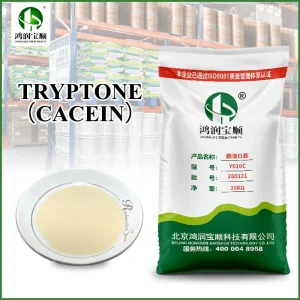
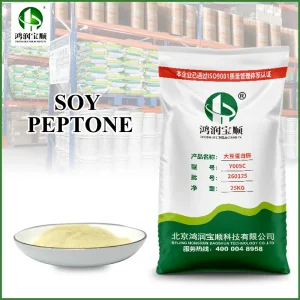
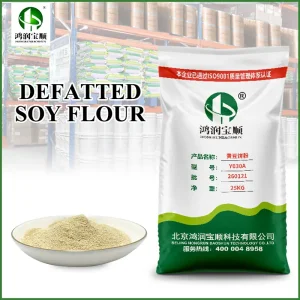
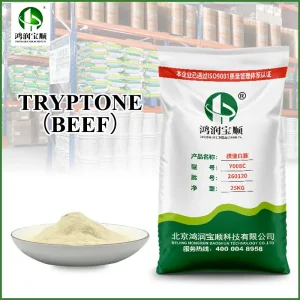
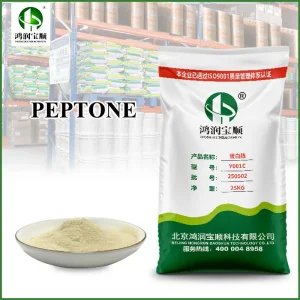
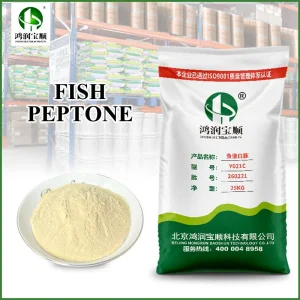
An authoritative guide to selective-differential isolation, biochemical mechanisms, and raw material optimization.
The differentiation of lactose fermenters is a critical protocol in clinical pathology, sanitation engineering, water quality assessment, and food safety testing. Microorganisms such as Escherichia coli, Klebsiella pneumoniae, and Enterobacter aerogenes metabolize the disaccharide lactose via the enzyme β-galactosidase. This process yields lactic acid and other acidic compounds, causing a localized decline in pH.
The pH shift is visualized by the incorporation of the pH indicator neutral red, which transitions from colorless/yellow at an alkaline pH to red or hot pink under acidic conditions (below pH 6.8). Strong fermenters like E. coli produce sufficient acid to precipitate bile salts in the surrounding medium, creating a characteristic pink zone or halo around the colonies. In contrast, non-lactose fermenters—such as species of Salmonella, Shigella, and Proteus—utilize peptones and amino acids as their primary carbon and nitrogen source. This alternative pathway generates alkaline end-products (such as ammonia), causing the pH to rise and leaving the colonies transparent, amber, or colorless.
To ensure target Gram-negative rods are isolated without background interference, MacConkey Agar relies on a precise balance of selective agents:
The global market for dehydrated culture media (DCM) and selective plating media is undergoing steady expansion. With the rising threat of antimicrobial resistance (AMR) and the expansion of strict regulatory frameworks in food safety (such as the FDA’s FSMA and European EFSA directives), the demand for highly consistent MacConkey Agar raw materials has grown significantly.
Historically, clinical and industrial labs relied on local preparation of agar plates. Today, the market has shifted toward automated plate preparers and pre-poured plates supplied by large-scale diagnostics manufacturers. This centralization places strict demands on the suppliers of raw media ingredients. A batch of peptone, tryptone, or yeast extract that has minor variations in mineral content or free amino acids can alter the colonial morphology of lactose fermenters, leading to false negatives or misidentification.
China has emerged as a major manufacturing hub for high-purity peptones, bile salts, and dehydrated media bases. By utilizing advanced enzymatic hydrolysis and standardized spray-drying technologies, Chinese manufacturers are able to provide global laboratories with consistent, cost-effective raw materials that comply with international standards such as ISO 11133 (Quality assurance for culture media).
A Leading National High-Tech Enterprise Driving Innovation in Industrial Microbiological Raw Materials
Established in 2008 and rooted in the China (Beijing) Pilot Free Trade Zone Science and Technology Innovation Area, Beijing Hongrun Baoshun Technology Co., Ltd. has evolved into a modern high-tech enterprise integrating research and development, production, and sales. We are proud recipients of dual certifications as a national "High-tech Enterprise" and a "Zhongguancun High-tech Enterprise."
In 2018, we upgraded our strategic layout by expanding our production footprint to the Qili Industrial Park in Langzhong, Sichuan. The combined floor area of Phase I and Phase II factories exceeds 40,000 square meters, complemented by a storage area of 20,000 square meters. Our facility operates independent animal-derived and plant-derived production lines, meticulously crafting a diverse range of products including peptones, tryptones, yeast extracts, and dehydrated culture media.
With five key subsidiaries developing in synergy—Beijing Yaoyou Technology, Sichuan Baoshun Biotechnology, Sichuan Romgee Biotechnology, Sichuan Yingwen Technology, and Sichuan Runxiaobao Technology—we form a comprehensive, collaborative force. We have passed the ISO9001:2015 quality management system certification and the MUI Halal certification. Adhering to the standard of "no substandard products leaving the factory," we monitor and inspect every batch to ensure consistent performance for global biotech applications.

Enabling consistent media performance through rigorous engineering and supply chain stability.
We supply a broad spectrum of animal, plant, and yeast-derived raw materials, ensuring that media formulators can balance nutrition, solubility, and regulatory requirements (such as animal-free alternatives).
From enzyme digestion to spray drying, we control the entire process in our 40,000㎡ Sichuan facility. This independent control guarantees stable capacity and delivery lead times.
By employing advanced microbial fermentation and enzyme hydrolysis, we minimize batch-to-batch variation, ensuring consistent diagnostic performance of MacConkey Agar globally.
We provide up to 500g of free product samples (excluding shipping fees) for target validation, allowing laboratory managers to run trials prior to ordering in bulk.
How our raw materials support critical diagnostic and industrial workflows across sectors.
In hospital laboratories, detecting Gram-negative pathogens from patient samples (such as urine, blood, or stool) is key to selecting the correct treatment. High-quality peptones and tryptones ensure rapid recovery of pathogens such as Klebsiella or E. coli. A stable nitrogen source enables these organisms to express their specific enzymes (like β-galactosidase), ensuring clear, early differentiation on MacConkey plates and reducing the time-to-result for critical diagnostics.
Dairy and processed food manufacturers test raw and finished products for coliform contamination. The presence of lactose-fermenting coliforms indicates sanitization failures. Our vegetable-based peptones (such as Soy Peptone) and highly refined yeast extracts provide the required growth factors without introducing animal-derived contaminants. This aligns with food safety programs that require animal-free raw materials.
For companies manufacturing recombinant proteins or vaccines utilizing engineered E. coli strains, the fermentation media must contain high-density nitrogen sources. Tryptone (Casein) and Yeast Peptone serve as excellent choices, providing bioavailable peptides and amino acids that support high cell density without taxing the bacteria's metabolic pathways.
In livestock and aquaculture industries, feed contamination by enteropathogenic bacteria can cause widespread disease. Using MacConkey Agar prepared with our standardized raw ingredients, labs can screen feed components (such as fermented soybean meal) for potential pathogen carriage, ensuring herd and flock biosecurity.
Navigating the next generation of microbiological culture media development.
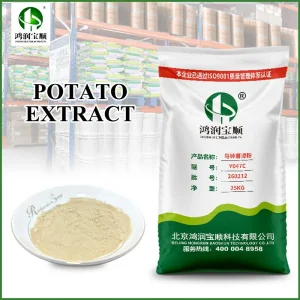
Due to strict regulations surrounding Bovine Spongiform Encephalopathy (BSE) and Transmissible Spongiform Encephalopathies (TSE), diagnostic labs are increasingly adopting animal-free culture media. Our roadmap focuses on plant-derived nitrogen sources, utilizing non-GMO soy, wheat, and potato extract powders to formulate high-performance alternatives that match or exceed the performance of traditional animal peptones on MacConkey Agar.
While traditional MacConkey Agar remains an industry standard, modern diagnostics are adopting chromogenic media. This approach utilizes specific enzyme substrates that release colored fluorophores upon cleavage, allowing for faster and more precise differentiation. We are adjusting our peptone and yeast extract hydrolysates to minimize background autofluorescence, facilitating easier integration with these advanced chromogenic formulations.
By monitoring enzyme kinetics and digestion parameters with AI algorithms, we aim to standardize batch-to-batch molecular weight distribution profiles of peptides. This ensures that every shipment of raw material, whether sent to North America, Europe, or Southeast Asia, delivers consistent growth kinetics for diagnostic target organisms.
Technical insights and troubleshooting guidelines for MacConkey Agar and raw material selection.
Explore our full line of microbial nitrogen sources and customized fermentation ingredients.
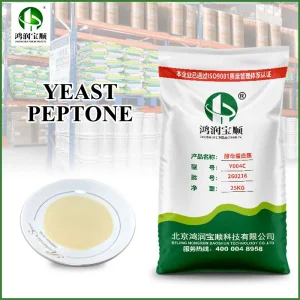
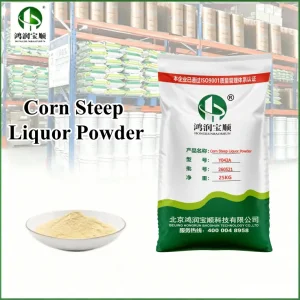
 Hongrun Baoshun