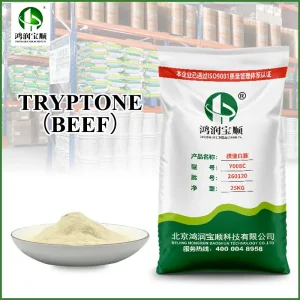
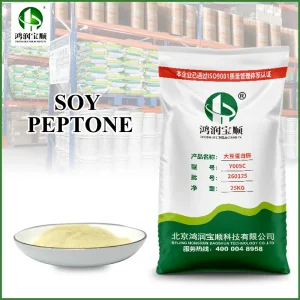
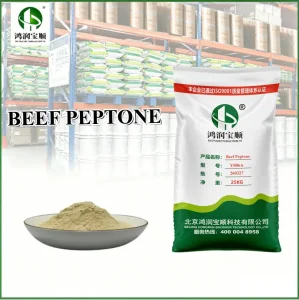
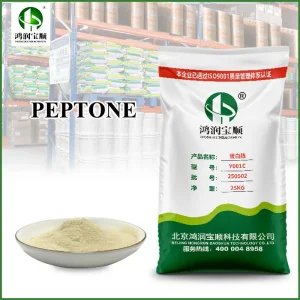
Explore our premium animal-derived, plant-derived, and yeast-derived biological fermentation raw materials. Engineered for consistent yield, quality compliance, and batch reproducibility.
An in-depth analysis of global market trends, metabolic pathways, media optimization, and sustainable nitrogen source sourcing.
In modern industrial biotechnology, fermentation processes are the bedrock of bio-manufacturing. Global markets are witnessing a transition from traditional chemical synthesis to green microbial bioprocesses. The demands on fermentation efficiency, yield, and consistency have never been higher. Both aerobic (oxygen-dependent) and anaerobic (oxygen-independent) processes dominate the market across pharmaceutical, agricultural, food safety, and environmental mitigation sectors.
Understanding the micro-nutritional variations between these processes is key. Aerobic fermentation requires high metabolic activity, rapid cellular division, and efficient respiration dynamics. In contrast, anaerobic systems rely on specialized metabolic pathways where nutrient bioavailability dictates pathway selection (e.g., acidogenesis versus solventogenesis). The selection of highly consistent organic nitrogen sources (peptones, tryptones, and yeast extracts) directly determines the yield of enzymes, secondary metabolites, organic acids, and active pharmaceutical ingredients (APIs).
"The challenge of the next decade in industrial biotech is not just finding a raw material, but securing a batch-to-batch consistent nitrogen profile that accommodates the precise metabolic shifts of both aerobic and anaerobic strains."
To optimize bioprocesses, suppliers must understand the biological mechanisms at play:
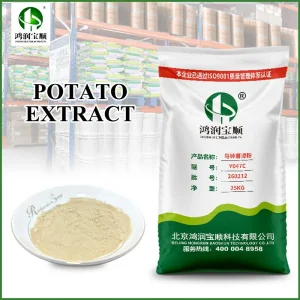
With global supply chain vulnerabilities and stringent safety regulations, sourcing raw materials requires high E-E-A-T (Experience, Expertise, Authoritativeness, Trustworthiness) credentials. Quality control starts from raw material traceability. Animal-derived ingredients (beef peptones, casein tryptones) must conform to strict sanitary certificates to mitigate BSE/TSE risks. Simultaneously, plant-derived alternatives (soy peptones, wheat peptones, potato extracts) require consistent enzymatic hydrolysis profiles to eliminate anti-nutritional factors while providing a complete profile of branched-chain amino acids.
Providing specialized media optimization across multi-disciplinary biotechnology fields to maximize microbial cell counts and target product yields.
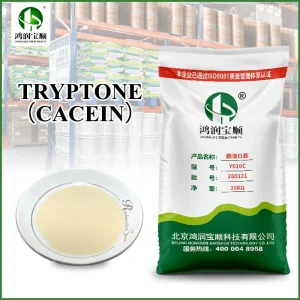
Designed for vaccine production, monoclonal antibodies, and recombinant protein expression. High-purity tryptone (casein pancreatin digest) and beef peptones ensure optimal nutrient ratios and minimal endotoxin values.
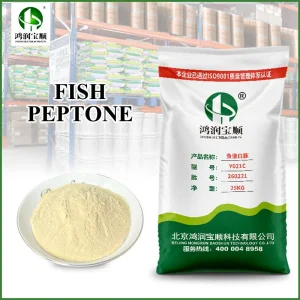
Supports the cultivation of fastidious anaerobic bacteria including Bifidobacterium and Lactobacillus. Uses specialized yeast extracts and fish peptones as nitrogen and vitamin growth factors.
Optimized for large-scale production of enzymes, amino acids, and organic solvents. Maximizes volumetric productivity and simplifies downstream purification steps through cost-efficient agricultural nitrogen sources.
Supplements eco-friendly agricultural inputs including bio-pesticides and soil inoculants. High-purity plant peptones stimulate active colonization of plant roots by beneficial microbial flora.
Supplies nutrient packages for municipal and industrial wastewater bioprocesses. Our specialized bacterial growth matrices enhance COD, nitrogen, and heavy metal digestion in aerobic and anaerobic activated sludge systems.
Provides amino acid supplements and carbon sources that shorten mycelial growth cycles. Increases total harvest weight and bio-efficiency across commercial mushroom and fungal cultivation setups.

Established in 2008 and headquartered in the Science and Technology Innovation Area of the China (Beijing) Pilot Free Trade Zone, Hongrun Baoshun has grown into a modern high-tech enterprise. We integrate R&D, production, and global sales, operating as a certified national "High-tech Enterprise."
In 2018, we expanded our production footprint by building a production base in the Qili Industrial Park in Langzhong, Sichuan. Spanning over 40,000 square meters of production area and supported by 20,000 square meters of storage capacity, we operate independent lines for both animal and plant products. This setup ensures high batch yields, diverse grading options, and cross-contamination mitigation.
How we are advancing microbial nutrition science to meet next-generation biotech demands.
Technical guidance and sourcing information for industrial fermentation applications.
Select a product to view technical specifications, particle size options, solubility details, and to request analysis certificates.
 Hongrun Baoshun