High-purity organic nitrogen sources optimized for industrial microbial cultivation and pharmaceutical manufacturing.
Author: Technical Director, Beijing Hongrun Baoshun Technology Co., Ltd.
In modern biomanufacturing, the selection of raw materials for cell culture and fermentation media is one of the most critical factors influencing critical quality attributes (CQAs) and overall process economics. As industries transition from legacy batch configurations to intensified fed-batch and continuous perfusion culture paradigms, the demands placed upon nitrogen sources, carbon substrates, and micronutrients have increased exponentially. This white paper examines how peptones, yeast extracts, and plant-derived proteins act as regulatory drivers of metabolic pathways in upstream bioprocessing, and outlines the sourcing strategies required to ensure supply chain resilience and batch-to-batch consistency.
Bioreactor operations have historically relied on batch culture systems. While simple to validate and operate, batch systems subject cells to dynamic microenvironments characterized by initial nutrient excess followed by depletion and the accumulation of toxic byproducts (such as lactate and ammonium). This cyclic behavior limits the maximum cell density and productivity of the system.
Conversely, continuous culture (including perfusion bioprocessing) maintains the bioreactor in a steady-state kinetic equilibrium. Fresh nutrient media is continuously supplied while spent media containing metabolic waste products and/or therapeutic proteins is simultaneously harvested. By keeping nutrients at constant, non-limiting levels and washing out inhibitory byproducts, continuous systems dramatically increase volumetric productivity, decrease the required bioreactor footprint, and deliver highly consistent product quality.
In continuous cultures, the steady-state kinetics require an organic nitrogen matrix that is highly soluble, structurally stable under prolonged storage, and free of micro-precipitates that could clog retention membranes. Batch cultures, on the other hand, benefit from complex, slowly metabolized peptide configurations that prevent rapid carbohydrate consumption and metabolic overflow.
Organic nitrogen sources like peptones, tryptones, and yeast extracts are not mere nutrient sources; they are complex cocktails of amino acids, peptides, vitamins, nucleosides, and trace minerals. The molecular weight distribution (MWD) of these digests directly affects cellular uptake kinetics. For instance, free amino acids are rapidly imported by transport proteins, which can lead to rapid glycolytic rates and subsequent lactate accumulation. Small peptides (di- and tri-peptides) are often absorbed via specialized peptide transporters, providing a sustained release of amino acids without triggering metabolic overflow.
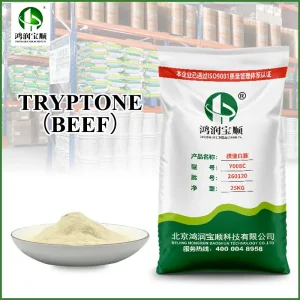
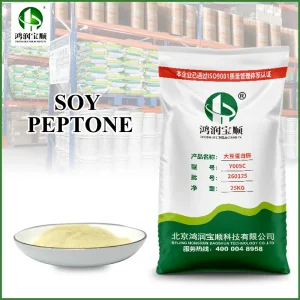
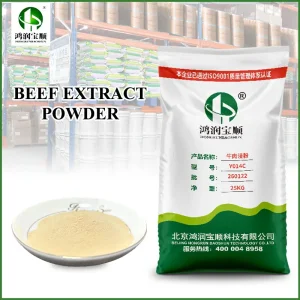
Beijing Hongrun Baoshun Technology Co., Ltd. controls the hydrolysis parameters of its peptones to produce specific peptide maps tailored to the metabolic demands of different hosts. Our soy and beef peptones are processed to ensure that essential growth-promoting peptides remain intact, supporting high viability index values in long-duration continuous runs.
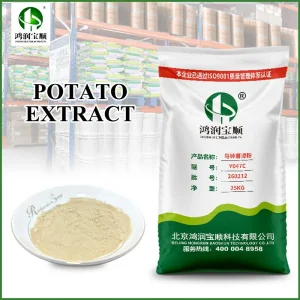
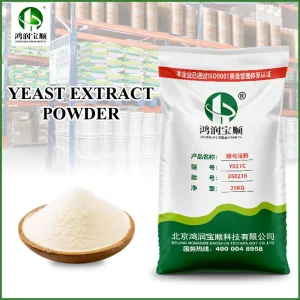
The biopharmaceutical and fermentation industries are moving rapidly toward sustainable, animal-component-free (ACF) formulations. This transition is motivated by a desire to mitigate viral contamination risks and simplify downstream purification processes. Plant-derived alternatives, such as soy peptones, wheat peptones, and potato extracts, are increasingly replacing bovine-derived proteins. In parallel, yeast extracts have become the industry standard for providing B-vitamins and nucleotide precursors needed for rapid biomass accumulation.
Another major trend is the rise of hybrid media systems. Recognizing that chemically defined media (CDM) often limit growth rates and protein expression due to the absence of natural co-factors, process developers are supplementing CDM with highly refined, ultra-filtered organic hydrolysates. This hybrid approach combines the regulatory clarity of CDM with the productivity gains of complex peptones.
Achieving process optimization requires balancing raw material purity with biological efficacy. At Beijing Hongrun Baoshun, we utilize advanced enzymatic hydrolysis and tangential flow filtration (TFF) to standardize our products, ensuring that trace metal profiles and molecular weight specifications remain tightly controlled across production lots.

A premier manufacturer and supplier of biological fermentation raw materials, bridging global biotechnology demands with local production excellence.
Established in 2008 and rooted in the Science and Technology Innovation Area of the China (Beijing) Pilot Free Trade Zone, Beijing Hongrun Baoshun Technology Co., Ltd. has developed into a high-tech enterprise integrating research and development, production, and sales. The company holds dual certifications as a National "High-Tech Enterprise" and a "Zhongguancun High-Tech Enterprise," reflecting its ongoing commitment to technical innovation in the industrial microbiology sector.
In 2018, the company expanded its production footprint to the Qili Industrial Park in Langzhong, Sichuan, constructing a manufacturing base that spans both Phase I and Phase II developments. This facility is equipped with dedicated, independent production lines for animal-derived and plant-derived raw materials to prevent cross-contamination and ensure product integrity. Supported by five specialized subsidiaries, we maintain a robust distribution network and offer comprehensive technical support to our clients worldwide.
Beijing Hongrun Baoshun coordinates five distinct entities to manage every stage from raw material synthesis to global delivery logistics:
Addressing biological variability with targeted, customer-centric raw material designs and strict international certifications.
Biological raw materials are inherently subject to natural variability. Differences in source materials, seasonal factors, and processing conditions can introduce trace variations that impact performance in highly sensitive bioprocesses. To mitigate this, Hongrun Baoshun offers customization services designed to optimize formulations for specific cell lines and production targets.
Our R&D team works directly with clients to adjust parameters such as the degree of hydrolysis, molecular weight distribution, and mineral content. This ensures compatibility with host organisms, whether you are cultivating mammalian CHO cells, yeast (Pichia pastoris), or bacterial expression systems (E. coli). We also provide free samples of up to 500g per product (excluding shipping fees) to facilitate small-scale laboratory trials and verification prior to bulk procurement.
We adhere to strict quality control and standardized processes, ensuring trace product consistency and full production transparency across lots.
Our raw materials comply with strict dietary and safety regulations, supporting product verification for international markets.
We maintain completely separate animal and plant processing lines to eliminate cross-contamination and support clean-label requirements.
Our 20,000 square meters of dedicated storage space ensures deep safety stock reserves and protects against supply chain interruptions.
We provide up to 500g of product for client evaluation, helping technical teams verify performance prior to placing orders.
Our sales and technical support teams communicate across multiple languages, ensuring smooth project coordination.
Providing key nitrogen sources for diverse fermentation fields, from human therapeutics to biological agriculture.
Our peptones, tryptones, and yeast extracts serve as primary raw materials in both dehydrated and plated culture media. They provide the amino acids, peptides, and growth factors required to cultivate bacteria, yeasts, and molds in diagnostic and research laboratories.
In pharmaceutical manufacturing, our raw materials support the production of recombinant proteins, therapeutic enzymes, monoclonal antibodies, and vaccines. We offer ultra-filtered, low-endotoxin batches that meet the stringent purity standards required for upstream cell culture.
We supply industrial-scale fermentation operations producing primary and secondary metabolites, including organic acids, biofuels, and bioplastics. Our bulk packaging and consistent nutrient profiles help optimize process yields and maintain batch-to-batch predictability.
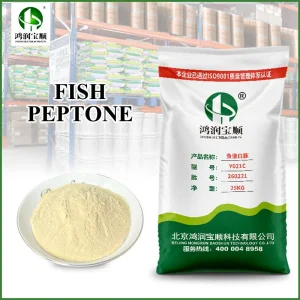
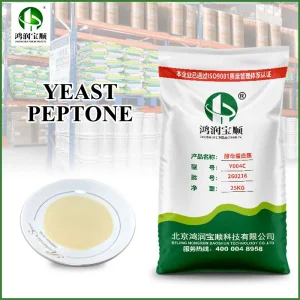
Culturing delicate lactic acid bacteria (e.g., Lactobacillus, Bifidobacterium) requires media rich in nucleotides and free amino acids. Our yeast peptone and fish peptone are formulated to support high cell densities and maintain viability during subsequent freeze-drying processes.
We support the agricultural sector with nutrient sources for cultivating bio-pesticides, bio-fertilizers, and plant growth-promoting rhizobacteria (PGPR). These cost-effective organic nitrogen options help lower production costs for large-scale agricultural applications.
Our peptones and extracts are used in aquaculture to cultivate probiotic strains that improve water quality and support gut health in aquatic species. This provides a natural, antibiotic-free approach to health management in aquaculture systems.
As the biotechnology sector moves toward tighter regulatory oversight and increased process automation, raw material requirements are becoming more stringent. Beijing Hongrun Baoshun's R&D roadmap is focused on addressing these evolving demands through several key initiatives:
Historically, complex organic peptones were valued primarily for their macro-nutrients (nitrogen and carbon). However, trace elements (such as iron, copper, zinc, and manganese) are now recognized as critical co-factors that influence enzyme activity, cell growth, and protein glycosylation. We are establishing comprehensive trace element profiles for our key product lines, using advanced analytical techniques to define batch ranges and improve predictability in customer bioreactors.
We are expanding our library of raw enzymes to create highly targeted cleavage profiles during digestion. By selecting specific endo- and exo-peptidases, we can customize the molecular weight distribution of our plant and animal peptones, tailoring them to the specific metabolic requirements of target cell lines.
Sustainable sourcing is a key pillar of our growth strategy. We are working to optimize our supply chain by sourcing local, non-GMO plant materials, which reduces the carbon footprint associated with long-distance raw material transport. In addition, our 20,000 square meters of storage capacity allows us to maintain buffer stocks near major transit hubs, ensuring reliable supply to global distribution channels.
Technical answers to common questions about our products, customization services, and quality assurance processes.
Select biological media raw materials supporting global biotechnology and industrial fermentation scaling.
 Hongrun Baoshun