High-purity organic nitrogen sources & biological culture media solutions
Decoding physical-chemical characteristics, processing criteria, and bio-nutritional advantages
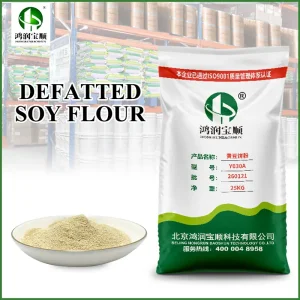
In the landscape of industrial biotechnology and large-scale fermentation, finding a reliable, nutrient-dense, and cost-effective organic nitrogen source is critical. Defatted soybean meal has emerged as the global standard. Derived from high-quality soybeans after oil extraction, this plant-derived resource boasts a crude protein content often exceeding 50%. Its rich profile of essential amino acids, particularly lysine, glutamic acid, and aspartic acid, makes it an ideal substrate for microecological preparations, enzyme production, and pharmaceutical fermentations.
"For modern biomanufacturing, batch-to-batch consistency in raw materials is paramount. Even minor variations in the Nitrogen Solubility Index (NSI) or the residual oil content of defatted soybean meal can trigger massive fluctuations in fermentation yields, impacting down-stream isolation processes and overall plant ROI."
Defatted soybean meal serves not merely as a macro-nutrient but as a complex source of vitamins, trace minerals, and carbohydrates. The solubility and bioavailability of these nutrients depend heavily on the processing history. Over-toasting the meal denatures the proteins, drastically reducing their solubility in fermenter tanks. Under-toasting, conversely, leaves behind high concentrations of active trypsin inhibitors and other anti-nutritional factors (ANFs) that can suppress microbial growth or compromise feed digestion in aquaculture. As a result, industry-leading manufacturers focus closely on precise heat-treatment protocols and quality assurance checks to achieve optimal NSI levels for diverse applications.
The Nitrogen Solubility Index (NSI) dictates the percentage of total nitrogen that dissolves easily in water. For liquid cultures in industrial bioreactors, a high NSI is preferred, typically optimized through low-temperature desolventizing processes. This preserves the functional integrity of native proteins and peptides, allowing bacteria and fungi to metabolize the organic nitrogen quickly without wasting cellular energy on heavy extracellular protease synthesis.
Raw soybeans contain phytic acid, saponins, lectins, and protease inhibitors. In our factories, we employ proprietary thermal-mechanical processes to reduce trypsin inhibitor levels below 2.0 mg/g without compromising protein quality. Minimizing these factors ensures that sensitive organisms and young animals digest the protein with maximum efficiency, leading to higher biomass density and accelerated growth cycles.
Driving biotechnology forward with dual "High-Tech Enterprise" certifications since 2008
Established in 2008, Beijing Hongrun Baoshun Technology Co., Ltd. took root in the prestigious Science and Technology Innovation Area of the China (Beijing) Pilot Free Trade Zone. Through continuous research, investment in advanced infrastructure, and a dedication to quality, we have developed into a modern high-tech enterprise integrating research, development, production, and sales. We are proud to be recognized as both a National High-tech Enterprise and a Zhongguancun High-tech Enterprise, reflecting our leadership in the biological fermentation ingredients industry.
In 2018, we expanded our production footprint by building a state-of-the-art facility in the Qili Industrial Park in Langzhong, Sichuan. Spanning over 40,000 square meters of production space and backed by a 20,000 square meter logistics and storage center, this strategic expansion allows us to serve domestic and international markets with unmatched efficiency. With isolated production lines for animal-derived and plant-derived products, we prevent cross-contamination and guarantee high-purity peptones, yeast extracts, and customized defatted soy formulations.
To ensure robust market coverage and technical support, we operate five specialized subsidiaries: Beijing Yaoyou Technology, Sichuan Baoshun Biotechnology, Sichuan Romgee Biotechnology, Sichuan Yingwen Technology, and Sichuan Runxiaobao Technology. Our facilities operate under strict ISO 9001:2015 Quality Management Systems and MUI Halal certification, ensuring that "no substandard products leave our factory."
Pioneering automation, safety, and scale in plant protein production
In an era of supply chain volatility, Beijing Hongrun Baoshun Technology Co., Ltd. has invested heavily in smart manufacturing and automation to secure supply continuity for our global partners. Our Sichuan facility utilizes automated raw-material handling, computerized thermal cooking, and intelligent moisture-monitoring systems to produce consistent quality across large batches. Our smart production lines dynamically adjust energy input and flow rates, reducing resource waste and guaranteeing stable pricing.
Storage is another key pillar of our supply resilience. With a 20,000 square meter temperature-controlled warehousing system, we keep a steady buffer stock of raw soy and processed meal. This inventory shields our clients from seasonal agricultural price swings and transportation delays. Whether shipping bulk containers or customized pallets, our logistics network provides fast transit and customs clearance across North America, Europe, Southeast Asia, and the Middle East.
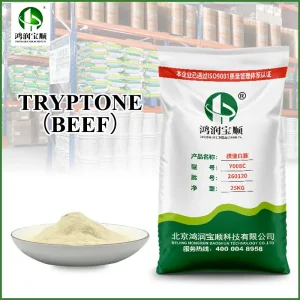
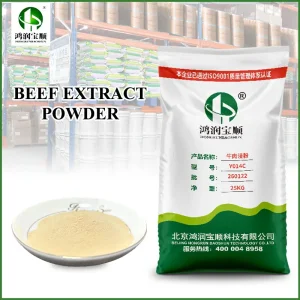
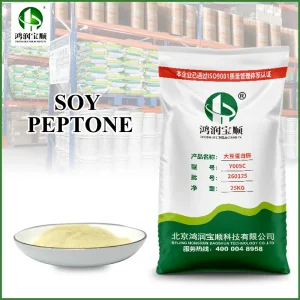
We maintain strictly isolated production lines for animal-derived products (such as beef extract and tryptone) and plant-derived products (such as soy peptone and defatted soy meal). This design prevents cross-contamination and meets the strict allergen-free and Halal requirements of modern biotechnology.
Every batch of soybean meal is traceable back to its agricultural origin. We source soybeans from strictly managed, non-GMO farming regions in China, ensuring that our products meet global safety standards and comply with international regulations on genetically modified organisms.
Next-generation processing technologies driving higher solubility and peptide optimization
The demand for specialized plant-derived proteins is shifting toward products with higher solubility and targeted molecular-weight profiles. Our R&D department is focused on several upcoming processing technologies designed to improve bio-performance and ease of use in industrial bioreactors.
By treating defatted soybean meal with specific, food-grade endopeptidases and exopeptidases, we can pre-hydrolyze complex proteins into short-chain peptides and free amino acids, making the nitrogen source immediately bioavailable for microecological cultures.
Introducing phytase enzymes during the extraction phase breaks down phytic acid. This releases bound phosphorus and essential divalent cations (zinc, magnesium, calcium), improving the meal's nutrient profile for industrial fermentations.
Our upcoming dry jet-milling line will produce defatted soy powders with particles under 40 microns. This ultra-fine size increases the surface area, speeding up hydration and ensuring consistent suspension in liquid culture media.
We are integrating real-time spectroscopy into our desolventizers to track changes in protein structure during heating. This allows us to adjust processing conditions instantly to maintain target NSI values from batch to batch.
How our defatted soybean products optimize yields across diverse industries
Defatted soy meal serves as a foundation for dehydrated and plating media. Its balanced amino acid profile supports the growth of diverse industrial microorganisms, including Bacillus, Streptomyces, and various fungi, without the regulatory concerns associated with animal-derived proteins.
For large-scale antibiotic, recombinant protein, and industrial enzyme productions, our defatted soybean meal offers a steady nitrogen release curve. This prevents rapid glucose depletion or unwanted pH swings, optimizing production cycles in large fermenters.
The growth of probiotics like Lactobacillus and Bifidobacterium requires rich sources of peptides and growth factors. Our defatted soybean derivatives provide the necessary nutrients for high-density probiotic cultures, ensuring high cell counts and stability in finished products.
In aquaculture, our highly digestible soy proteins serve as an excellent alternative to wild fishmeal, reducing feed costs and supporting gut health in target species. In organic agriculture, the meal provides a slow-release nitrogen source that feeds beneficial soil biology and improves soil quality.
Meeting the strict quality, regulatory, and documentation standards of global buyers
B2B buyers in the biological and pharmaceutical sectors operate under strict quality management systems. We align our manufacturing processes with these standards to ensure seamless integration into international supply chains. Our products meet key global specifications:
Tailoring products to local standards with comprehensive regulatory support
Operating internationally requires navigating complex regional regulations. Beijing Hongrun Baoshun Technology Co., Ltd. provides dedicated compliance and localization services to ensure our products meet local rules in every target market.
For the North American and European markets, we provide complete dossiers showing compliance with FDA guidelines and EU feed and food import rules. Our facilities hold ISO 9001:2015 and MUI Halal certifications, and we can support Kosher compliance reviews. We work closely with buyers to customize packaging labeling, import documentation, and batch codes, helping to prevent delays at customs.
To help companies evaluate our materials before ordering, we offer a free sample program. Customers can request up to 500g of any product grade for laboratory trials and pilot fermentations, paying only the cost of shipping. This program lets R&D teams verify product performance and compatibility before committing to a commercial purchase.
Frequently asked questions about defatted soybean meal, custom manufacturing, and global delivery
Supporting global bio-manufacturing with plant, yeast, and animal-derived nutrients
 Hongrun Baoshun