Explore our premium selection of animal, plant, and yeast-derived nitrogen nutrients engineered for demanding cell culture and industrial biotechnology applications.
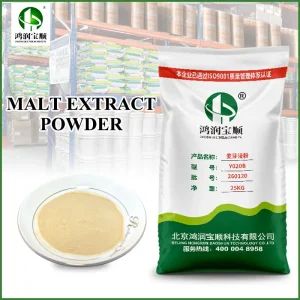
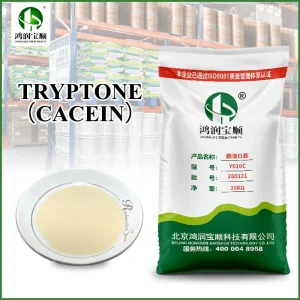
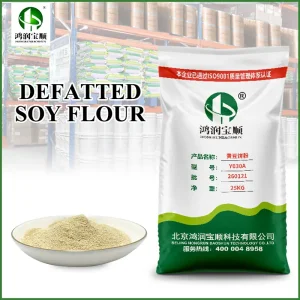
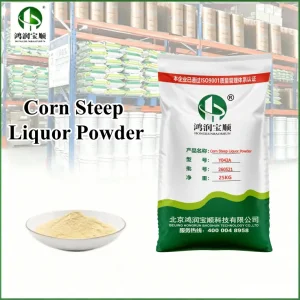
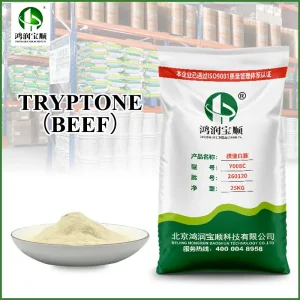
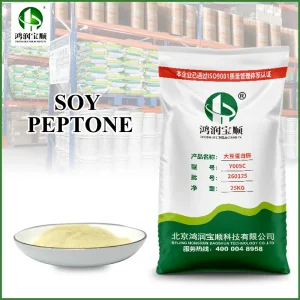
Dehulled Soybean Meal (DSM) has emerged as the cornerstone of plant-based protein science and bio-fermentation globally. By removing the fibrous outer hull of the soybean—which accounts for approximately 8% of the seed's weight—manufacturers concentrate the vital protein fraction. Standard soybean meal typically retains the hulls, resulting in a protein concentration of 44% to 46% alongside elevated crude fiber content. Dehulled soybean meal, however, elevates the crude protein content to 48%–51% while drastically decreasing crude fiber to under 3.5%.
For industrial fermentation and microbial nutrition, this removal of structural polysaccharides is a critical engineering milestone. Cellulose, hemicellulose, and pectin found in soybean hulls are structurally complex, insoluble, and largely inert during fast-growing bacterial or fungal cultivation. In liquid fermentation, undissolved hull particles lead to downstream processing blockages, interfere with clarification filtration, and skew biomass dry-weight assessments. The elimination of these hulls ensures a clean, fermentable plant-nitrogen substrate that maximizes biomass yield and enzymatic synthesis.
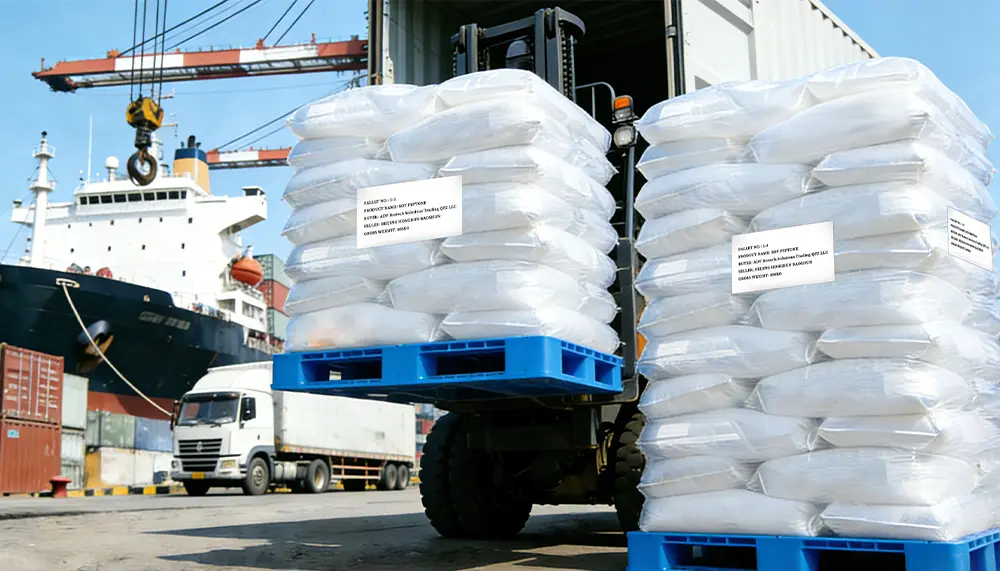
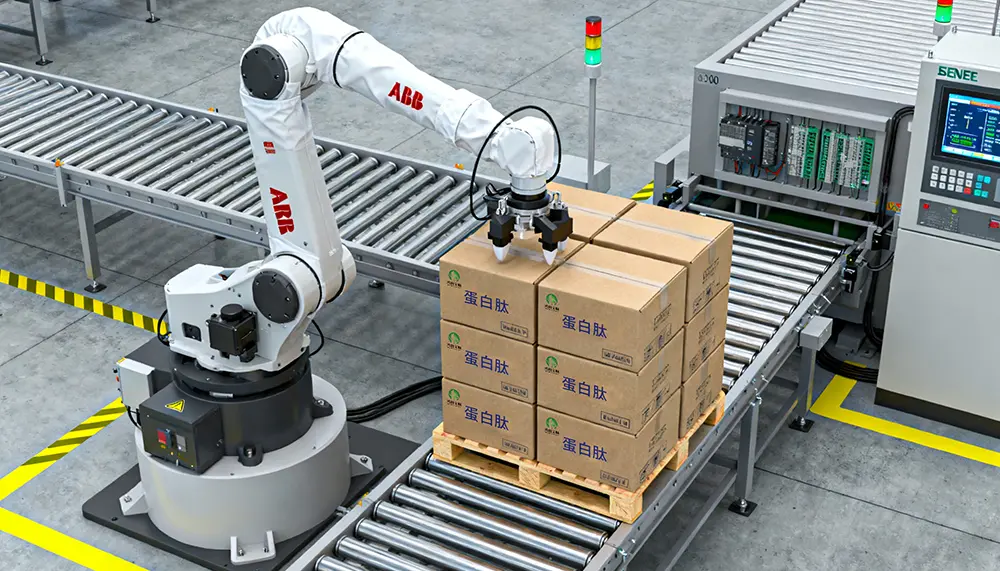
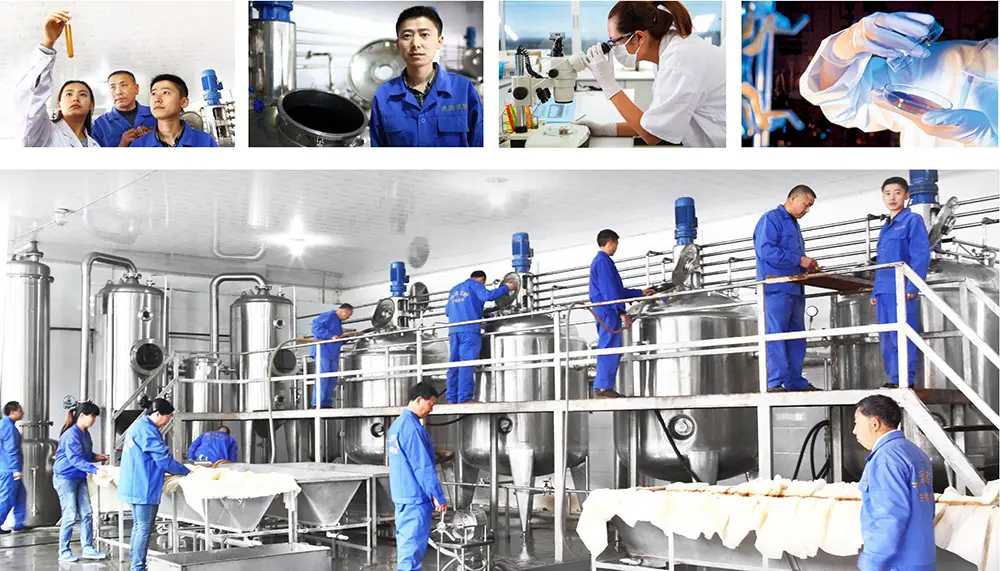
Operating from our modern industrial parks in Langzhong, Sichuan (spanning Phase I & Phase II, exceeding 40,000 square meters of production footprint), Beijing Hongrun Baoshun Technology Co., Ltd. demonstrates the sheer scale and efficiency of Chinese biotechnology factories. China’s soybean processing landscape leverages deep supply-chain integration, proximity to vital transport corridors, and advanced dry-dehulling technology to deliver high-consistency, large-batch materials for global markets.
Our production facilities isolate plant and animal lines with rigorous physical segregation. The plant-based lines feature state-of-the-art conditioning, warm-dehulling mills, aspirators, and desolventizer-toaster-dryer-cooler (DTDC) systems. By finely modulating the temperature, steam injection, and exposure times in the DTDC system, we successfully lower trypsin inhibitor activity (TIA) to less than 1.5 mg/g without denaturing the organic nitrogen or reducing protein dispersibility. This meticulous thermomechanical control ensures that our plant-derived nitrogen sources (such as soy peptone and fermented soybean meal) maintain a high Protein Dispersibility Index (PDI) and Potassium Hydroxide (KOH) solubility above 85%.
Typical analysis showcasing the optimized macronutrient and physical metrics of our production batches compared to standard agricultural grades.
| Parameter / Nutrient Spec | Standard Soybean Meal (Hulled) | Premium Dehulled Soybean Meal (DSM) | Biotech/Fermentation Grade DSM |
|---|---|---|---|
| Crude Protein (N × 6.25) | 44.0% – 46.0% | ≥ 48.0% – 50.0% | ≥ 50.0% – 52.0% (Soluble Peptide Optimized) |
| Crude Fiber | 5.5% – 7.0% | ≤ 3.3% | ≤ 2.8% |
| Moisture Content | ≤ 13.0% | ≤ 12.0% | ≤ 8.0% (Dried for prolonged shelf stability) |
| Crude Fat (Ether Extract) | 1.0% – 2.0% | ≤ 1.5% | ≤ 1.0% |
| Ash Content | 6.0% – 6.5% | ≤ 6.0% | ≤ 5.5% |
| KOH Protein Solubility | 73.0% – 85.0% | 80.0% – 88.0% | ≥ 85.0% |
| Trypsin Inhibitor Activity (TIA) | 3.0 – 5.0 mg/g | ≤ 2.0 mg/g | ≤ 1.2 mg/g |
From bulk fermentation to high-purity biological culture media, our dehulled soybean meal and derivatives serve as vital nutrients across diverse sectors.
Microbial culture media require consistent, bioavailable nitrogen. Standard plant peptones derived from dehulled soybean meal support the rapid vegetative growth of *Escherichia coli*, *Bacillus subtilis*, and various yeast strains. High mineral compatibility and low viscosity ensure clear filtration for downstream harvesting.
For antibiotic biosynthesis, therapeutic enzyme production, and organic acid fermentation, dehulled soy derivatives function as non-animal organic nitrogen sources. This eliminates risk vectors associated with Bovine Spongiform Encephalopathy (BSE) and Transmissible Spongiform Encephalopathies (TSE), fulfilling strict international regulatory demands.
Lactic Acid Bacteria (LAB), such as *Lactobacillus* and *Bifidobacterium*, are nutritionally demanding. Enzymatic digests of dehulled soybean meal yield peptides and free amino acids that stimulate microecological growth, ensuring high colony-forming unit (CFU) counts in commercial probiotic formulations.
In bio-agriculture, dehulled soybean meal acts as the growth substrate for bio-pesticides and bio-fertilizers like *Trichoderma* and *Bacillus thuringiensis*. By providing a highly digestible, long-lasting nitrogen source, it optimizes fermentation yields and product efficacy.
Young fish, shrimp, and monogastric livestock require highly digestible feed. Removing the fiber-rich hulls increases overall metabolizable energy. Our dehulled meal reduces digestive inflammation, enhances feed conversion rates (FCR), and supports sustainable aquaculture.
Different industrial microorganisms rely on specific ratios of free amino acids and low-molecular-weight peptides. Beijing Hongrun Baoshun Technology offers tailored enzymatic hydrolysis profiles to support targeted metabolic pathways and optimize industrial product yields.
The global biotechnology and animal nutrition sectors are undergoing a significant transition toward plant-derived, clean-label raw materials. Key market forces shaping the dehulled soybean meal supply chain include:
When selecting a dehulled soybean meal partner, biological and industrial procurement officers should evaluate the following key parameters:
Operating as a modern, high-tech enterprise, our corporate structure leverages five specialized subsidiaries to deliver innovation in biological fermentation and plant protein refinement.
Drives product research and front-end biotech innovation.
Manages large-scale extraction and raw material processing.
Specializes in high-purity yeast and peptone culture media.
Focuses on supply chain logistics and digital integration.
Coordinates technical application support and customer services.
We supply animal, plant, and yeast-derived microbial fermentation raw materials, providing a comprehensive one-stop procurement solution.
Full-process independent production, coupled with extensive raw material reserves, guarantees consistent supply and controllable lead times.
Adhering to strict standards, we monitor and inspect all batches, ensuring no substandard products leave the factory.
To facilitate application testing, we provide free samples (up to 500g per product, excluding shipping fees).
Bioprocessing requirements vary. Our specialized customization program addresses unique bacterial strains, specific crop requirements, and targeted bio-industrial parameters.
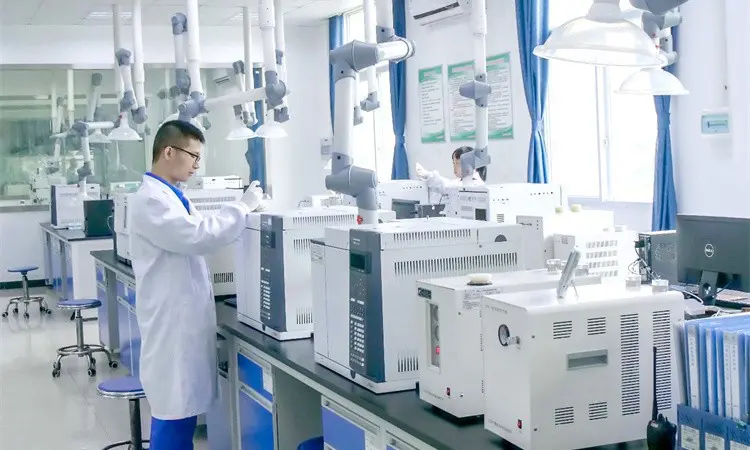
We provide full-cycle technical support, including pre-sales consulting, on-site debugging, after-sales maintenance, and timely troubleshooting to support efficient system operations.
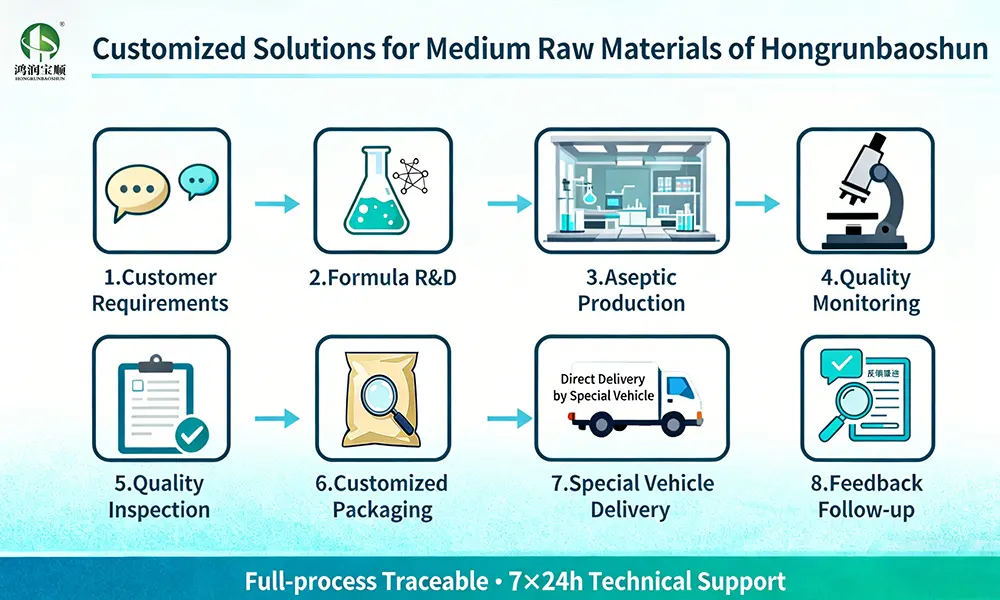
We offer tailored options to meet your business needs, covering product composition, functional properties, packaging, and application methods.
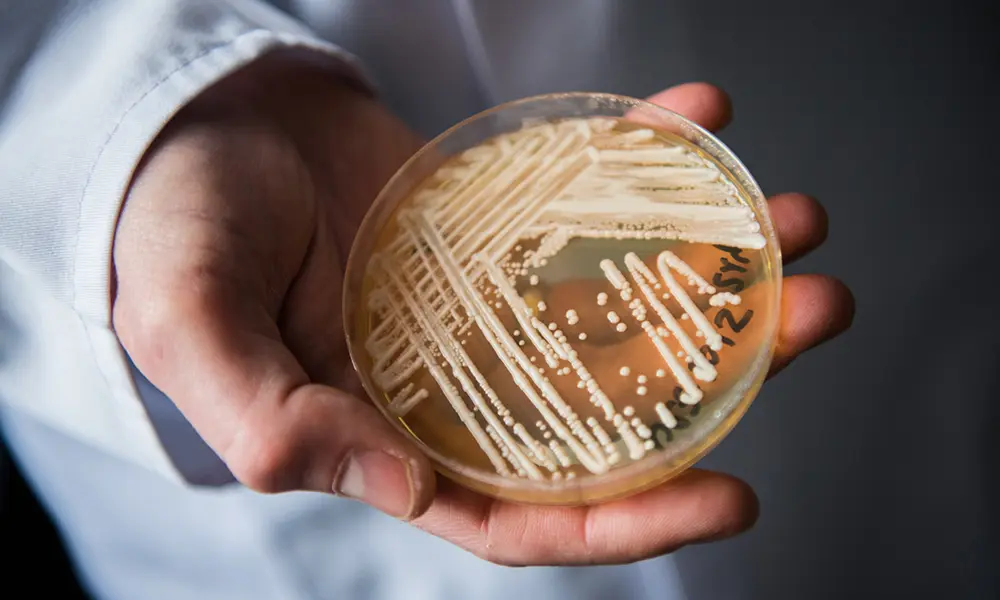
A rigorous quality control system and standardized manufacturing processes ensure batch consistency, high purity, and reliability.
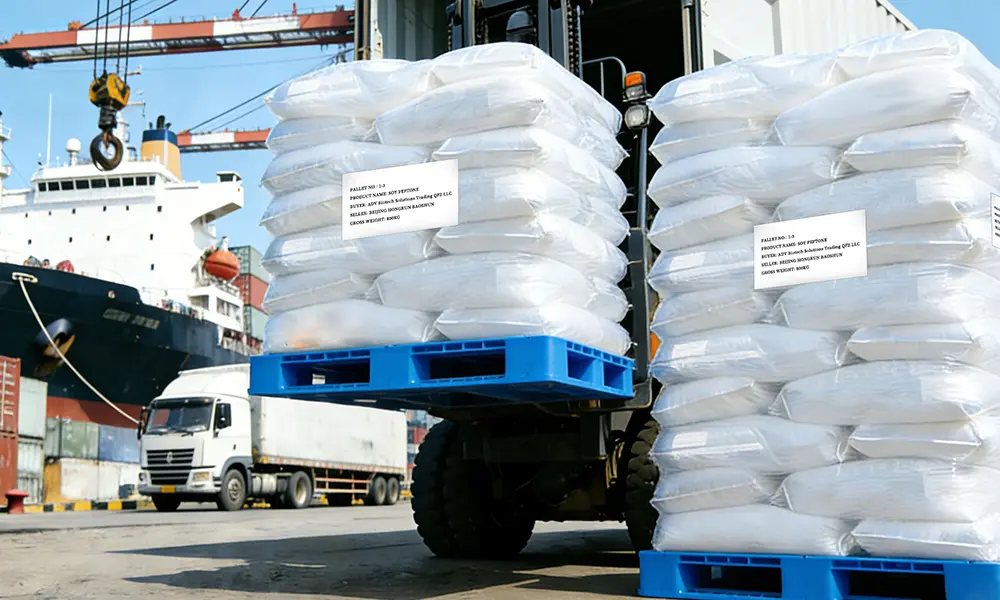
Integrated supply chain management and regional logistics centers support prompt order processing and reliable dispatch, helping to reduce transit times.

We provide cost-effective pricing structures and cooperative models, supporting bulk purchasing options and long-term partnership agreements.
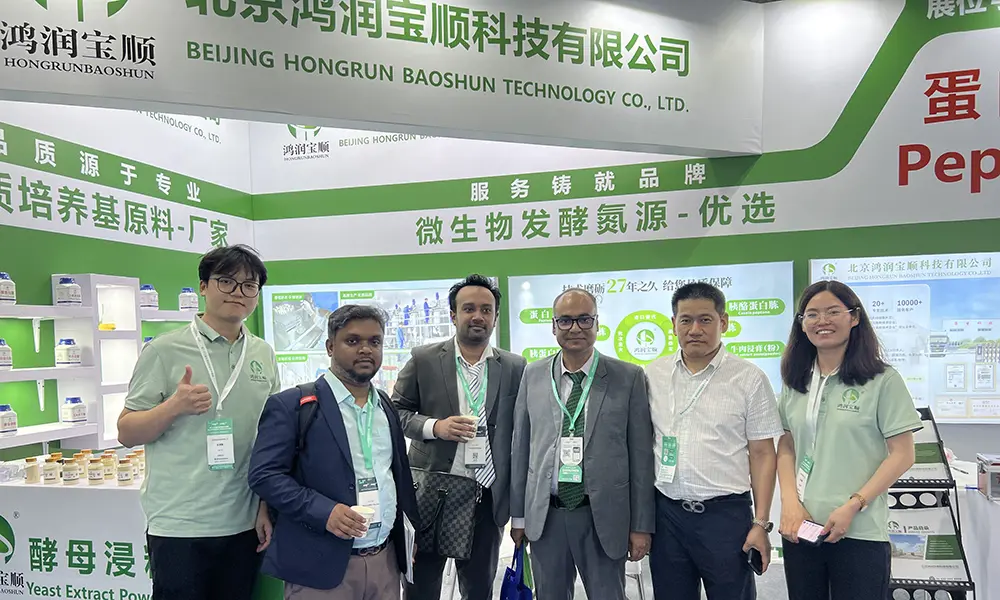
Our professional service team offers multilingual support, facilitating clear communication and efficient order execution for global clients.

Our comprehensive after-sales system features return and exchange policies, technical training, and regular follow-ups to support stable operational performance.
Expert technical answers regarding dehulled soybean meal properties, industrial fermentation utilization, and bulk procurement logistics.
Retaining full consistency across our product range, these organic plant and animal-derived nutrients are optimized for culture media formulations.
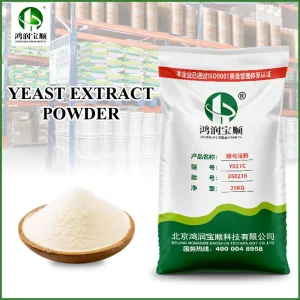
 Hongrun Baoshun