Explore our high-performance microbial growth media, engineered to sustain active metabolic glycolysis and optimize fermentation yield.
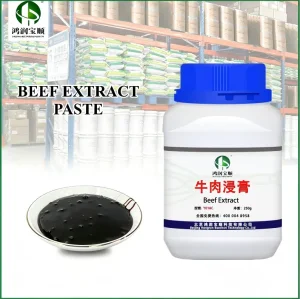
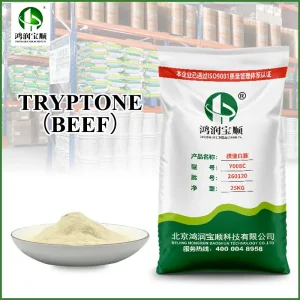
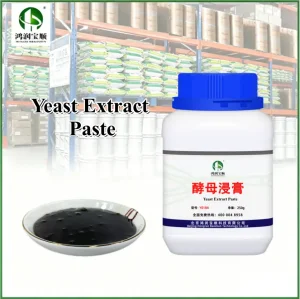
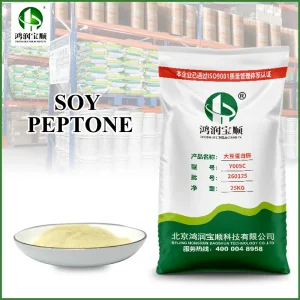
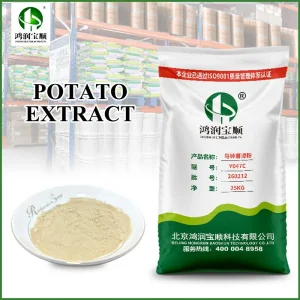
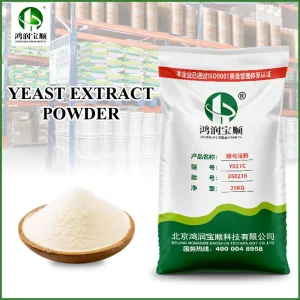
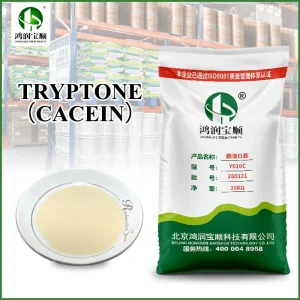
Founded in 2008 and deeply rooted in the Science and Technology Innovation Area of the China (Beijing) Pilot Free Trade Zone, we have grown into a high-tech modern enterprise specializing in the R&D, processing, and distribution of premium biological fermentation raw materials. We are recognized as both a National High-Tech Enterprise and a Zhongguancun High-Tech Enterprise, marking our scientific approach and operational excellence.
Leveraging deep industrial expertise, we produce peptones, tryptones, yeast extracts, and plant-derived proteins designed to optimize metabolic pathways, including bacterial and fungal glycolysis, yielding maximized biological output.
Analyzing metabolic optimization, pathway accelerators, and the global commercial environment.
Glycolysis, traditionally known as the Embden-Meyerhof-Parnas (EMP) pathway, stands as the metabolic cornerstone for almost all commercial cell cultures. Whether engineering therapeutic proteins in mammalian systems, producing bulk amino acids, or cultivating resilient probiotics, managing the rate-limiting steps of glycolysis is key to process efficiency. The biotransformation of carbon sources into downstream intermediates like pyruvate and acetyl-CoA is heavily dictated by enzyme availability, cofactor concentrations, and vital nutrient sources.
For industrial manufacturers operating massive bioreactors, glycolytic fluxes must be perfectly balanced. Unregulated carbon flow can lead to metabolic bottlenecks, toxic by-product accumulation (such as lactate or acetate), and untimely cell death. Here, high-quality, standardized organic nitrogen sources play an essential role: they provide the structural amino acids, minerals, and vitamin cofactors (like nicotinamide for NAD+ synthesis) that drive the catalytic enzymes of glycolysis forward.
The global bio-fermentation sector is experiencing a significant shift toward bio-based green chemistry and biopharmaceuticals. With this shift, demand for highly consistent peptones and yeast extracts has surged. Regulatory pressures demand absolute consistency across production lots to prevent process deviations in biopharmaceutical facilities. Furthermore, clean-label plant protein alternatives (like soy and wheat peptones) are replacing animal-derived counterparts in microbial applications due to transmissible spongiform encephalopathy (TSE) and bovine spongiform encephalopathy (BSE) concerns.
From an economic standpoint, localizing raw material supply chains is no longer just a trend—it is a necessity. Fluctuations in logistics cost, import restrictions on animal derivatives, and strict international standard audits mean that biotechnology facilities demand factories with massive production capacity and comprehensive regulatory certifications. Factories must also demonstrate compliance with ISO 9001:2015 quality standards and supply religious credentials, such as Halal or Kosher, to support regional market access.
"Optimizing glycolytic output is not merely about adjusting carbon feedstocks. It relies on the background cellular machinery—enzymes and co-factors that are dependent on the high-concentration organic nitrogen complexes, free peptides, and mineral traces provided by premium yeast and protein hydrolysates."
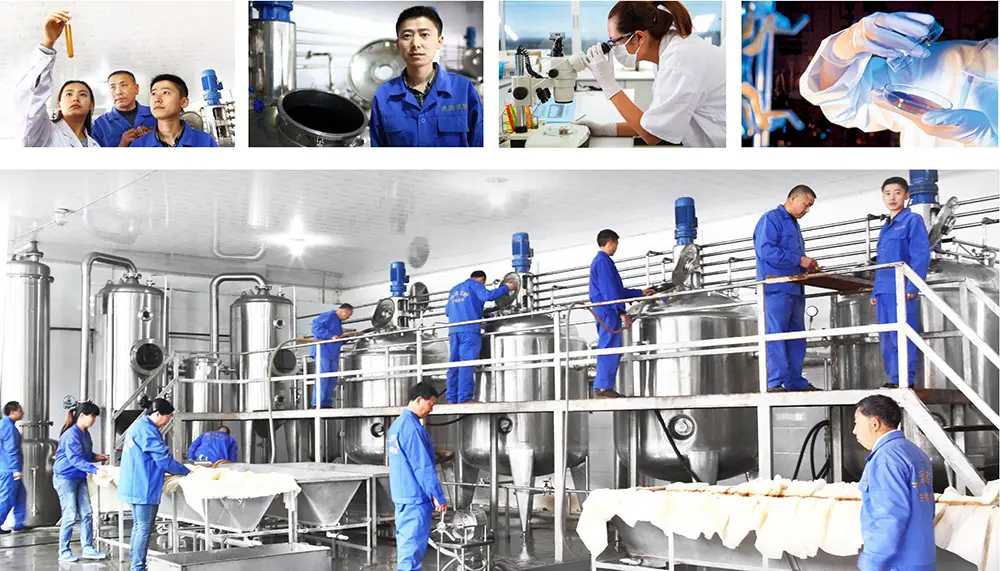
In accordance with global quality standards and strict export regulations, Beijing Hongrun Baoshun maintains a rigorous policy: zero substandard products ever leave our facilities. Both our primary plant lines and specialized animal protein processing facilities are continuously monitored. Our production methodologies satisfy the strict requirements of MUI Halal compliance. By keeping animal and plant-derived lines completely segregated at our production centers, we offer manufacturers cross-contamination-free raw materials suitable for diverse international pharmaceutical and food-grade processes.
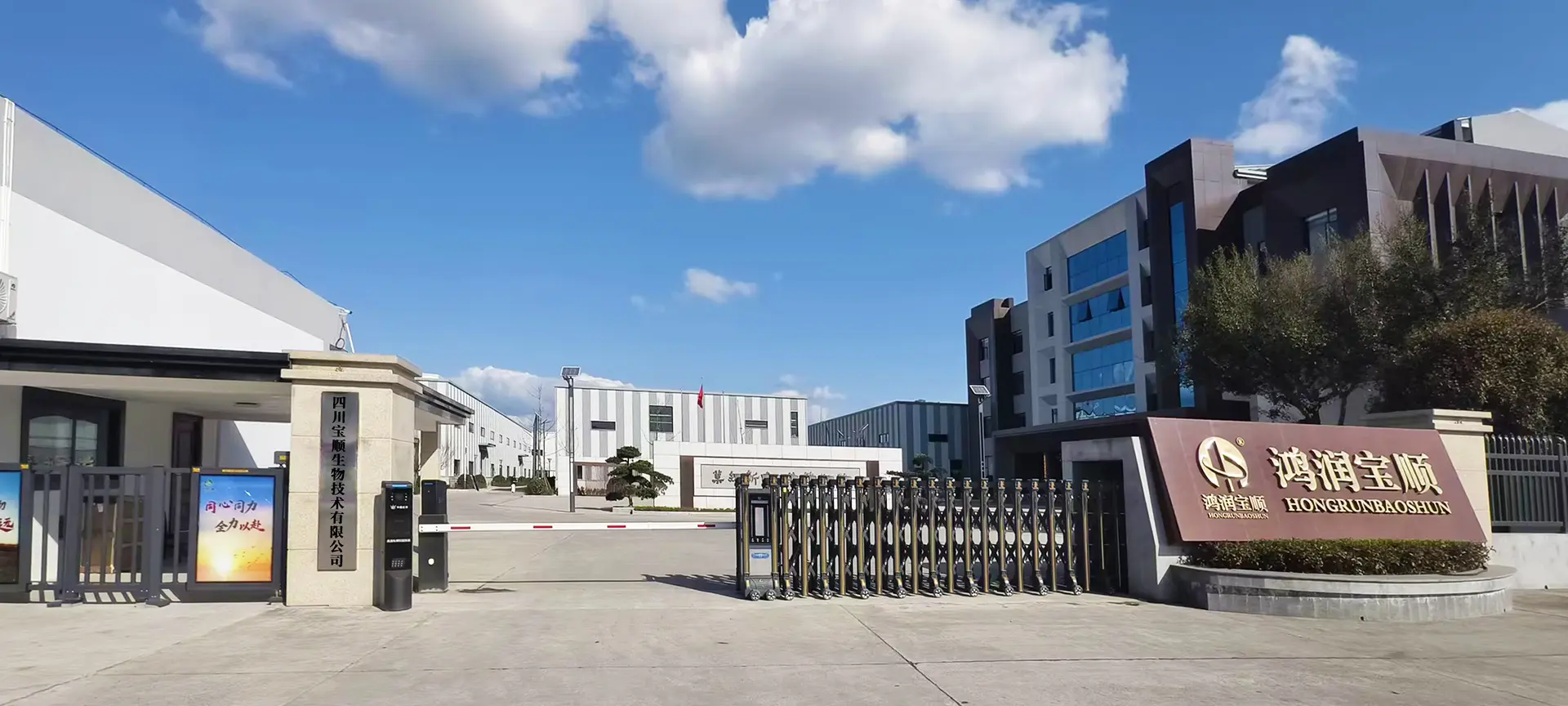
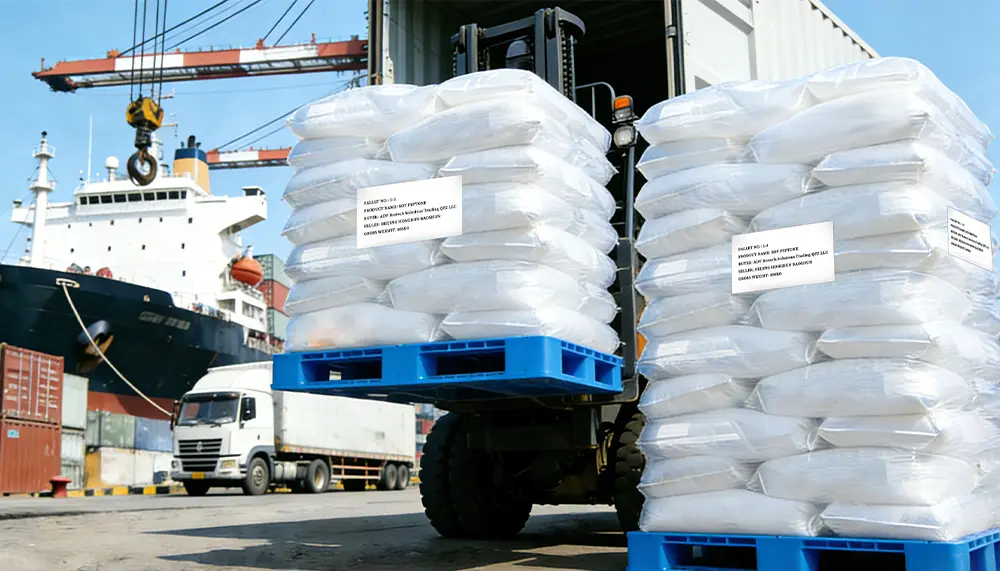
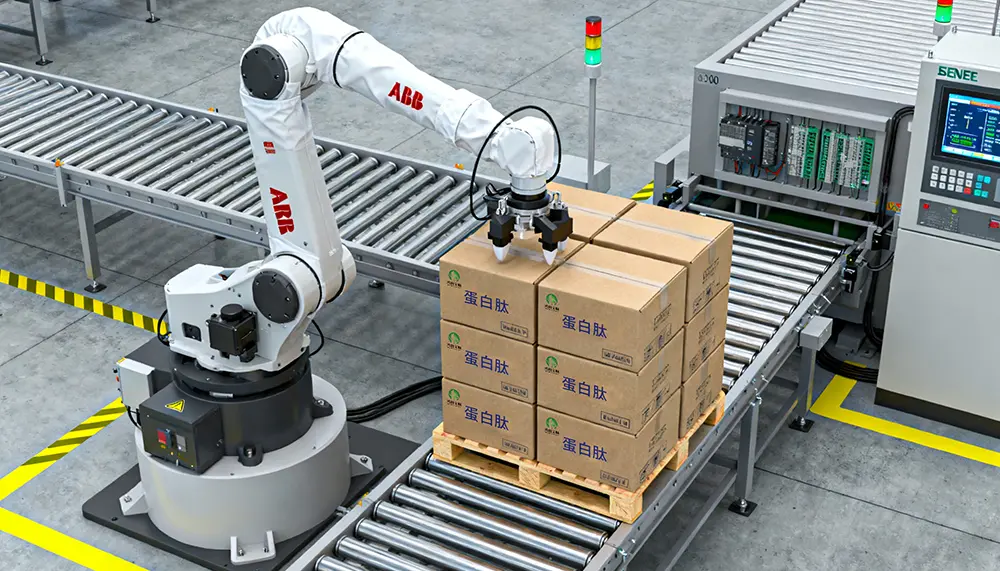
In 2018, the company upgraded its strategic layout by expanding its production footprint to the Qili Industrial Park in Langzhong, Sichuan. Here, the combined floor area of Phase I and Phase II factories exceeds 40,000 square meters, supported by a storage area of 20,000 square meters. Over 100 dedicated technical employees operate specialized, modern production lines to extract, hydrolyze, and dry peptones and yeast powders.
These advanced production methods yield large, consistent batch sizes, and provide customizable specifications with multiple product grades. Our massive storage capability guarantees that our supply lines remain insulated from raw material shocks, ensuring on-time supply to biotechnology manufacturers globally.

A multi-phase scientific approach to optimizing microbial glycolysis rates during commercial cultivation.
Injecting metabolic cofactors like magnesium, trace metals, and B vitamins (abundant in our yeast extract paste) to activate enzymes like phosphofructokinase and pyruvate kinase.
Sourcing controlled enzymatic hydrolysates of proteins (such as tryptone and casein digests) to provide free amino acids, minimizing energy expenditure on de novo synthesis.
Integrating betaines and specific free peptides to guard microbial cells against osmotic stress within high-gravity fermentation reactors.
Applying spray-drying and paste sterilization technologies to preserve active biological growth factors across variable transport and storage conditions.
Why leading biotechnology research centers and manufacturers choose our fermentation raw materials.
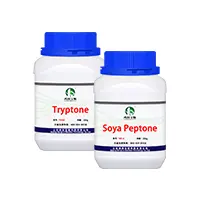
We provide microbial fermentation raw materials from animal, plant, and yeast sources, covering peptones, tryptones, yeast extracts, and customized dehydrated growth formulations.
Operating our own factories allows us to control the entire production cycle, ensuring guaranteed production capacity, consistent output, and short delivery times.
Applying advanced microbial processing technology ensures high purity, consistent nitrogen content, and reliable, reproducible performance across successive batches.
We provide free trial samples up to 500g per product (excluding logistics charges) so clients can evaluate quality and compatibility before purchasing.
Our research and technical teams assist with nutrient profiling, custom media design, and troubleshooting process variances in industrial bioreactors.
We configure formulations to meet target nitrogen-to-carbon ratios, specific solubility profiles, and regulatory compliance standards for global markets.
Combining the strengths of our five specialized subsidiaries to deliver end-to-end industrial support.
Beijing Hongrun Baoshun Technology operates in alignment with five wholly owned subsidiaries, establishing a highly integrated network for research, raw material processing, distribution, and global trade.
Providing essential metabolic nutrients and growth media for diversely regulated target markets.
Providing the raw ingredients for dehydrated, plating, and laboratory testing media.
Active biological ingredients supporting drug development, vaccine substrates, and therapeutic proteins.
Nutrients utilized for processing enzymes, organic acids, and bio-industrial catalysts.
Supporting high-density culture of beneficial live microorganisms like Lactobacillus and Bifidobacterium.
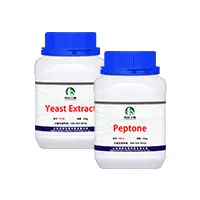
Supplying nutrients for bio-fertilizers, microbial pest control, and nutritional animal feeds.
Microbial media design must evolve alongside target strains and changing bioprocess environments. Natural mutations, variations in local water supplies, and complex bioreactor mechanics necessitate customized nutrition strategies. Because off-the-shelf ingredients do not always meet these requirements, we offer custom development services.
Our team works closely with partners across different sectors to design custom nitrogen-to-carbon profiles, regulate mineral counts, and adapt particle dimensions. Whether modifying yeast extraction methods or developing animal-free plant peptones, we support your specific application needs.
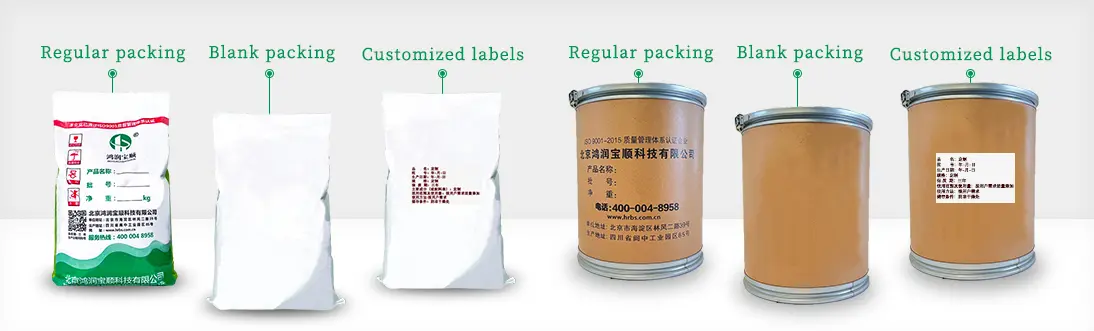
Technical guidance regarding organic nitrogen sources and microbial fermentation applications.
Explore our targeted selection of organic nitrogen bases, yeast digests, and plant proteins.
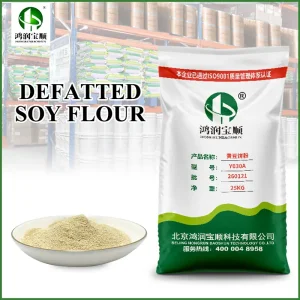
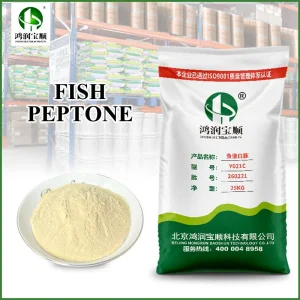
 Hongrun Baoshun