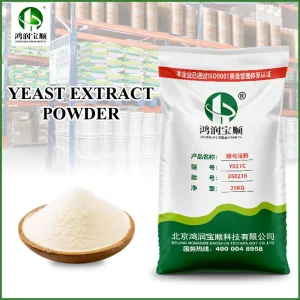
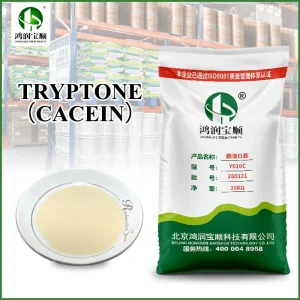
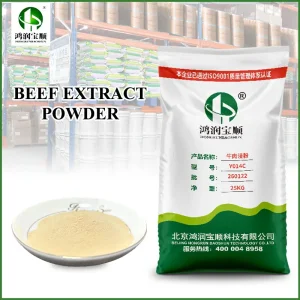
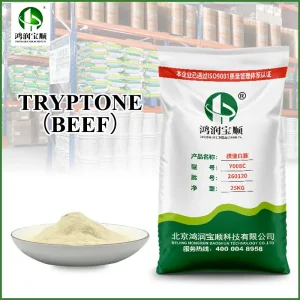
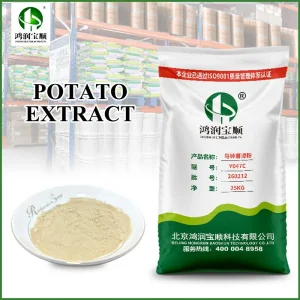
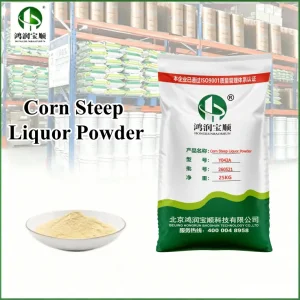
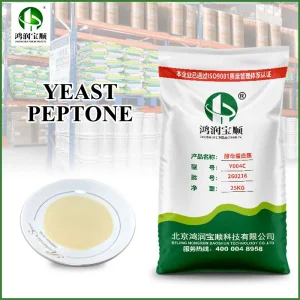
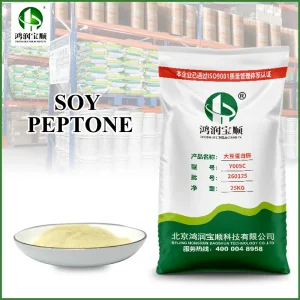
Explore our top-tier nitrogen sources engineered to support cell density optimization and high-yield metabolite expression.
Established in 2008 and deeply rooted in the highly competitive China (Beijing) Pilot Free Trade Zone Science and Technology Innovation Area, Beijing Hongrun Baoshun Technology Co., Ltd. has evolved over nearly two decades into a globally recognized high-tech enterprise. Integrating state-of-the-art research and development, large-scale industrial manufacturing, and global technical consultancy, the company stands out as a dual-certified national "High-tech Enterprise" and a "Zhongguancun High-tech Enterprise."
Our strategic focus lies in the production and customization of advanced microbial nutrients, peptones, and yeast extracts essential for industrial-scale fermentation processes. By bridging the gap between raw organic feedstock refining and high-efficiency biomanufacturing requirements, we empower global enterprises to optimize their fermentation routes. Our operations are supported by five core, synergistically operating subsidiaries: Beijing Yaoyou Technology, Sichuan Baoshun Biotechnology, Sichuan Romgee Biotechnology, Sichuan Yingwen Technology, and Sichuan Runxiaobao Technology.
In 2018, to meet the surging demands of the global bio-economy, we expanded our production footprint with a modern manufacturing facility located in the Qili Industrial Park in Langzhong, Sichuan. Spanning more than 40,000 square meters, this facility implements independent, parallel processing lines for animal-derived and plant-derived materials. This strict segregation guarantees complete cross-contamination prevention, serving as a critical cornerstone for customers requiring strict compliance with Kosher, Halal, or non-animal/vegan standard procedures.
Lactate fermentation (principally lactic acid production) represents one of the foundational pillars of modern industrial biotechnology. It is no longer restricted to traditional food preservation; instead, it constitutes the backbone of the rapidly growing bio-plastics (Poly-lactic Acid - PLA) sector, animal gut health management through green probiotics, bio-based chemical intermediates, and clean-label food additives.
From a biochemical standpoint, the metabolic conversion of carbon feedstocks into high-purity lactic acid by homofermentative or heterofermentative lactic acid bacteria (LAB) such as Lactobacillus, Streptococcus, and Pediococcus requires more than basic sugars. These microbes exhibit complex nutritional requirements. Unlike wild-type bacteria that can synthesize all necessary components from basic inorganic salts, industrial LAB strains are fastidious. They require a rich complex of amino acids, B-vitamins, purines, pyrimidines, and trace minerals to fuel cell proliferation and optimize lactic acid yields.
In industrial lactate fermentation, nitrogen acts as the building block of metabolic enzymes. Nitrogen sources such as yeast extract powder, peptones (soy, wheat, casein, beef), and steep liquors supply critical polypeptides and free amino acids. The distribution of molecular weights in these nitrogen sources dictates the uptake rate. Free amino acids are absorbed instantly, while short-chain peptides are progressively hydrolyzed by bacterial proteases, ensuring sustained nutrient availability throughout the growth curve.
Furthermore, yeast extract is rich in natural B-complex vitamins (thiamine, riboflavin, niacin, and pantothenic acid), which function as coenzymes in the pyruvate-to-lactate metabolic pathway. Without these micronutrients, metabolic bottlenecks occur, leading to accumulation of unwanted byproducts, reduced fermentation rates, and increased downstream purification costs.
Global manufacturing enterprises facing the transition to green chemistry face significant procurement hurdles. Procurement managers in multinational biotechnology companies must balance strict cost efficiency with uncompromised quality standards. The main issues they face include:
Fluctuations in the free amino acid profile of raw materials can cause variations in bioreactor output, leading to costly downtime and batch losses. Our standardized digestion processes control molecular profiles within tight tolerances.
Probiotic manufacturers targeting the dietary supplement and infant formula spaces require non-allergenic, non-GMO, and vegan certified nitrogen sources. We provide targeted plant-based solutions like soy and wheat peptone.
Operating bioreactors with volumes exceeding 100,000 liters demands reliable delivery timetables. With our 20,000 square meter storage capacity, we guarantee stable reserve volumes for strategic contract partners.
To meet these challenges, Beijing Hongrun Baoshun Technology Co., Ltd. provides customized macro-industry solutions. We do not simply supply raw ingredients; we work closely with your technical team to map out metabolic optimization strategies. By adjusting the ratio of animal-sourced tryptones to plant-derived peptones or utilizing specialized potato extracts as alternative carbohydrate sources, we help manufacturers reduce raw material costs while increasing fermentation kinetics.
Our manufacturing process relies on clean enzymatic hydrolysis and advanced physical separation techniques. Unlike acid hydrolysis methods, which destroy sensitive amino acids (such as tryptophan) and yield high concentrations of mineral salts (NaCl), our enzyme digestion ensures the preservation of natural growth factors.
Using proprietary blends of endo- and exo-peptidases, we target specific peptide bonds. This allows us to control the hydrolysate's molecular weight distribution. A larger percentage of low-molecular-weight peptides (< 1000 Da) ensures immediate bioavailability for fast-growing lactic acid bacteria.
To ensure clarity in culture media preparations, our liquids undergo multi-stage filtration, including carbon treatment and membrane ultrafiltration. This removes insoluble macromolecular residues, preventing precipitation during autoclave sterilization and minimizing fouling in downstream cross-flow filtration membranes.
Thermally sensitive biological growth factors can degrade under extreme heat. We utilize state-of-the-art spray drying towers that dry the product rapidly at low temperatures. This preserves the nutritional value and guarantees excellent solubility in water.
Regulatory compliance is critical in global biomanufacturing. Products targeting food, feed, and pharmaceutical applications must meet stringent safety requirements. Our manufacturing facilities operate under a rigorous quality management framework:
Our strict standard of "no substandard products leaving the factory" is backed by modern analytical labs equipped with HPLC, amino acid analyzers, and microbiological test benches. Every batch is validated for ash content, solubility, nitrogen index, and bacterial performance prior to shipment.
Select from our specialized peptones, potato infusions, and steep powder concentrates to optimize your fermentation process.
Answers to complex inquiries regarding raw material properties, customized fermentation performance, and global supply logistics.
 Hongrun Baoshun