Explore our premium animal and plant-derived peptones designed specifically to fit the rigorous quality control and bio-processing standards in Korean fermentation factories.
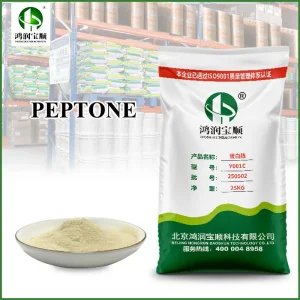
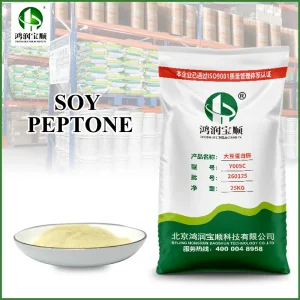
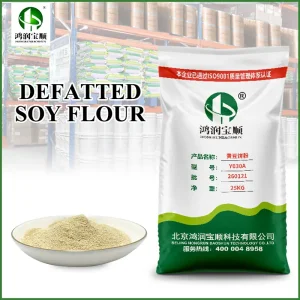
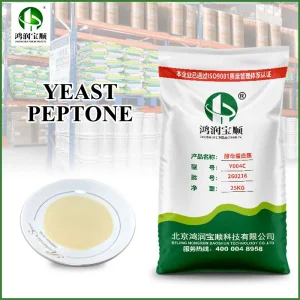
South Korea has rapidly emerged as a global bio-manufacturing powerhouse. Driven by national development projects such as the Songdo Bio Valley in Incheon and the Osong Bio Valley in Chungcheongbuk-do, the country boasts some of the world's largest biologics production capacities. Global biopharmaceutical giants like Samsung Biologics and Celltrion have transformed Korea into a critical nexus for recombinant protein, monoclonal antibody (mAb), and viral vaccine production.
Crucial to this biomanufacturing engine are high-quality organic nitrogen sources. In bioprocess engineering, peptones—hydrolyzed proteins from animal, plant, or yeast origins—serve as the foundational raw materials. They supply critical amino acids, peptides, vitamins, and growth factors required to cultivate high-density cell lines and optimize yield. As Korean biopharmaceutical companies scale up production to meet international regulatory standards (FDA, EMA, and PMDA), the demand for highly consistent, certified, and trace-element-controlled peptones has reached unprecedented levels.
Local peptone factories in Korea face structural challenges in raw material sourcing and manufacturing scale. Consequently, major Korean biotech conglomerates and academic research institutions heavily rely on global supply chains to secure highly consistent peptone batches. The combination of rigorous analytical testing, BSE/TSE-free guarantees, and competitive pricing makes strategic international partnerships essential.
Furthermore, the cosmetic industry in South Korea (widely known as K-Beauty) is shifting from chemical formulations toward bio-fermented active ingredients. Probiotic strains like Lactobacillus and Bifidobacterium are fermented to produce bioactive peptides that strengthen the skin barrier. This expansion into cosmetic and functional food biotechnology has created a secondary, high-volume market segment for non-animal-derived peptones (such as soy, wheat, and potato peptones) that satisfy clean-label and vegan product standards.
A leading high-tech enterprise integrating R&D, production, and global supply chains for advanced bio-fermentation ingredients.
Established in 2008 and rooted in the Science and Technology Innovation Area of the China (Beijing) Pilot Free Trade Zone, Beijing Hongrun Baoshun Technology Co., Ltd. has evolved into a premier high-tech enterprise. Integrating cutting-edge biological research, large-scale industrial production, and global commercial operations, the company holds dual certifications as a national "High-tech Enterprise" and a "Zhongguancun High-tech Enterprise."
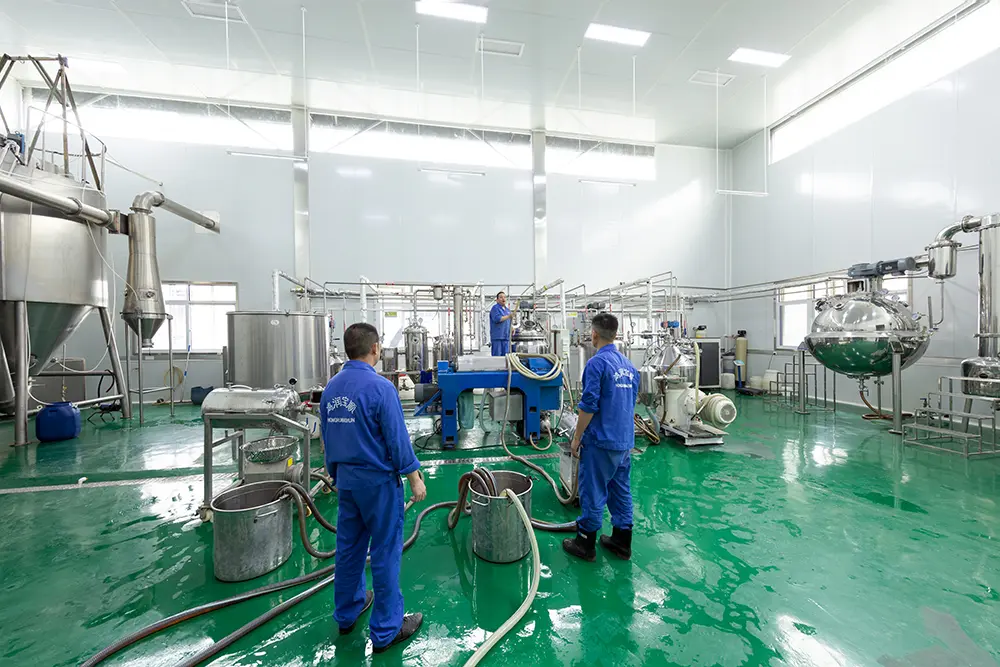
In 2018, the company executed a strategic expansion by building its state-of-the-art production base in the Qili Industrial Park in Langzhong, Sichuan. The combined floor area of the Phase I and Phase II factories exceeds 40,000 square meters, backed by a massive 20,000 square meter storage facility. Equipped with dedicated, isolated production lines for animal-derived and plant-derived peptones, the facility ensures zero cross-contamination, satisfying the strict requirements of global biological manufacturing.
Our Integrated Subsidiaries:
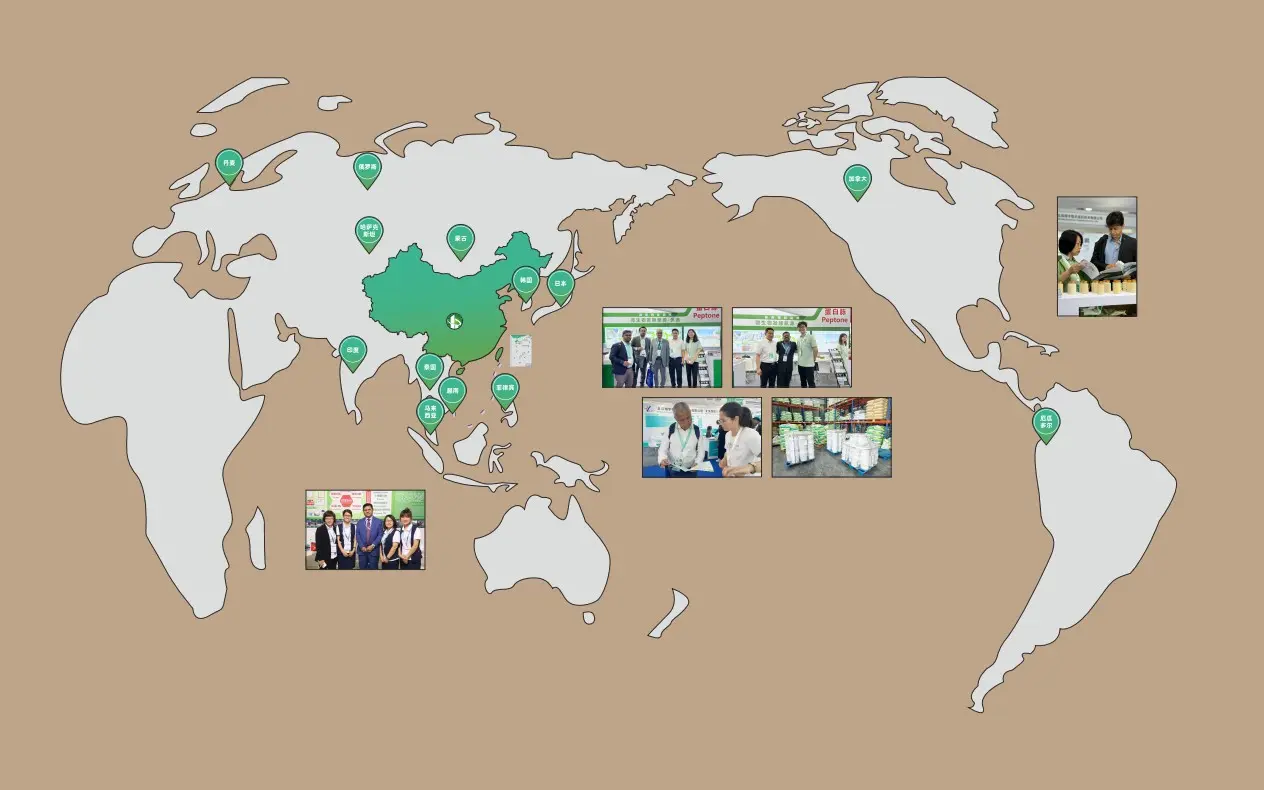
Established Year
Factory Area
Storage & Logistics
ISO 9001 & MUI Halal
Why sourcing from high-capacity Chinese manufacturing plants offers substantial quality, consistency, and supply advantages to the Korean biotech market.
Operating in mainland China allows us to source raw agricultural products and premium animal extracts directly from verified, local, non-disease regions. This ensures a reliable, unbroken supply chain with complete traceability from farm to biological formulation.
With 40,000 square meters of production, our batch size capacity is significantly larger than typical domestic Korean peptone factories. Large-batch production reduces inter-batch variation—a critical requirement for biopharma operations looking to maintain stable growth curves.
Our factories operate in strict accordance with ISO9001:2015 Quality Management Systems and MUI Halal standards. We enforce a strict "no substandard products leave the factory" policy, utilizing HPLC and mass spectrometry to profile molecular weights.
Our peptones and yeast infusions are engineered to align with the core bio-industries in South Korea:
Biological systems require unique micro-environments. We construct customized solutions to address specialized fermentation profiles.
We use ultrafiltration membranes to sort peptide chains by size (e.g., <1000 Da, <3000 Da, or <5000 Da), optimizing digestion for target microorganisms.
For biopharmaceutical applications with strict BSE/TSE concerns, we guarantee a completely separate manufacturing area for plant-based ingredients.
Our raw material sources and processing aids are fully compliant with MUI Halal standards, facilitating smooth exports to global dietary supplement markets.
A comprehensive catalog of peptones, extracts, and infusions to support research labs and full-scale manufacturing facilities in South Korea.
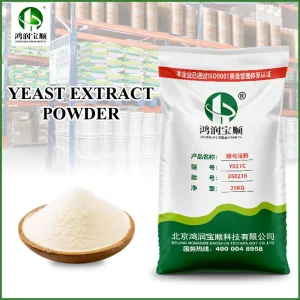
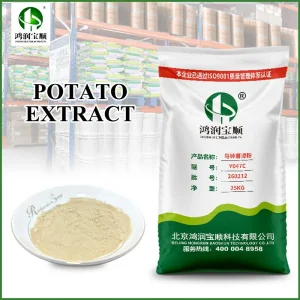
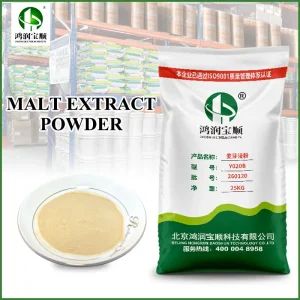
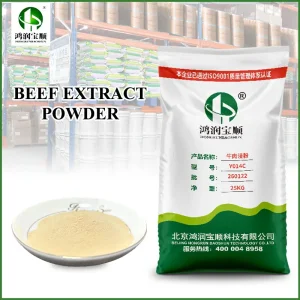
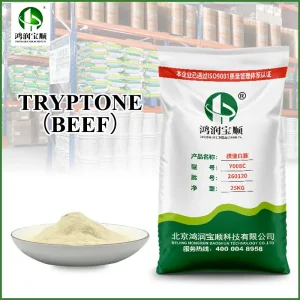
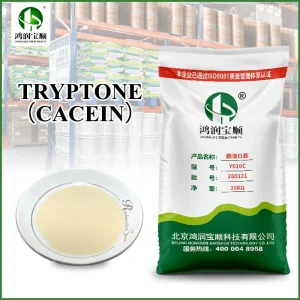
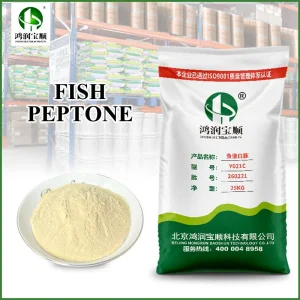
For Korean biopharmaceutical firms aiming at global commercial launch, raw material quality goes beyond yield optimization—it is a matter of strict regulatory compliance. International agencies require complete risk assessment profiles for animal-derived materials.
To address these strict demands, Beijing Hongrun Baoshun Technology provides comprehensive documentation. Each batch of bovine or porcine-derived peptone is accompanied by certificates verifying that raw animal tissues are sourced exclusively from regions certified free of Bovine Spongiform Encephalopathy (BSE) and Foot-and-Mouth Disease (FMD). We also provide full traceability data, logging raw material country of origin, enzyme origin, and thermal processing histories.
In addition to animal-safety certifications, our internal laboratory monitors physical and chemical profiles to ensure consistent biological activity. Key metrics checked include:
By supplying this complete data package, we help Korean R&D and QA teams accelerate raw material validation, moving from bench-top validation to clinical trial batch manufacturing with confidence.
Clear, direct answers regarding raw materials, quality certifications, customization capabilities, and logistics for the Korean biotech market.
 Hongrun Baoshun