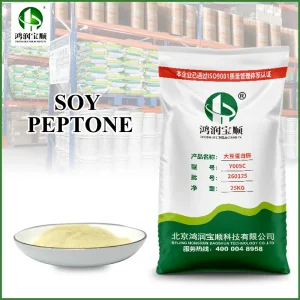
Advanced microbial nitrogen sources optimized for stability, high yields, and regional compliance
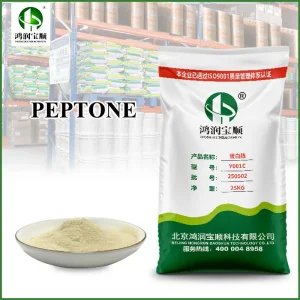
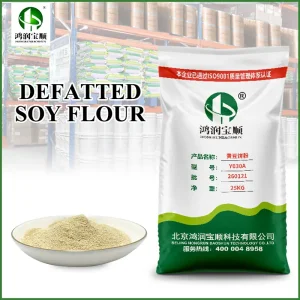
"As Sub-Saharan Africa transitions toward bio-based value addition, Mozambique stands as a strategic gateway. Providing stable, premium-grade nitrogen sources like animal-derived peptones and plant extracts is critical to driving the nation's veterinary vaccine manufacturing, beer fermentation optimization, and bio-pesticide formulations."
Mozambique is undergoing structural industrialization, specifically across key agricultural zones like the Beira Corridor and Nacala Logistics Corridor. The nation's agricultural sector represents a significant portion of its GDP, creating a natural pathway for secondary processing. The commercialization of livestock production in regions such as Gaza and Tete has stimulated demand for local veterinary diagnostics and vaccine formulation lines. These local biotech hubs require specialized growth media ingredients, notably high-nitrogen organic sources like beef peptones and casein hydrolysates, to sustain regional pathogen cultures and vaccine antigens.
Concurrently, the growth of the local beverage industry (catalyzed by major breweries in Maputo and Beira) and municipal waste bioremediation projects underscores a vital transition. Efficient microbial growth demands balanced Carbon-to-Nitrogen (C:N) ratios. Standard localized ingredients like sugar cane molasses often lack complex nitrogenous structures—including free amino acids, trace vitamins, and bio-active peptides. Resolving this nutritional bottleneck requires integrating premium external raw materials like yeast extracts and industrial-grade potato/malt peptones.
Across East Africa, the push for agricultural self-sufficiency has triggered a surge in biological fertilizer and bio-pesticide production. Standard chemical inputs face supply-chain vulnerability and environmental critiques, leading to investments in localized production of beneficial microbes like *Bacillus thuringiensis* and *Trichoderma* species. Culturing these organisms at an industrial scale requires low-temperature spray-dried plant peptones—such as soy peptone and wheat peptone—which offer high solubility, non-GMO credentials, and minimal regional regulatory friction.
Furthermore, the expansion of aquaculture projects along the Mozambican coastline (specifically focusing on tilapia and prawns) requires tailored probiotic feeds. The formulation of these probiotics relies heavily on marine-derived organic nitrogen inputs, such as fish peptones, which are exceptionally rich in hydrophobic amino acids and molecular peptides that trigger rapid microecological colonization.
Procurement professionals targeting the Mozambican market face two critical challenges: batch-to-batch consistency and supply-chain logistics. Industrial-scale bioreactors are highly sensitive to shifts in nitrogen distribution. Variations in the ratio of free amino acids to high-molecular-weight peptides can alter metabolic pathways, reducing target protein expression or producing unwanted secondary metabolites.
For global entities establishing operations in Mozambique, locating a supplier capable of scaling from initial diagnostic validation trials (500g samples) to multi-ton industrial campaigns is paramount. Production processes must be completely transparent, incorporating validation measures like HPLC profiling of molecular weight distributions and complete traceability profiles for animal-derived raw materials to mitigate Transmissible Spongiform Encephalopathy (TSE) risks.
Importing bioprocess ingredients into Mozambique requires navigating port clearances, import documentation, and temperature-controlled storage challenges. Understanding the operational dynamics of major maritime hubs like Maputo Port, Beira Port, and Nacala Port is essential. Products must be packaged in multi-layered, moisture-barrier, heat-sealed bags to withstand tropical humidity and prevent clumping.
Our supply chains guarantee seamless compliance with Mozambique’s national regulatory framework, including customs requirements and INAE (National Inspectorate of Economic Activities) guidelines. By offering comprehensive technical dossiers, MUI Halal certificates for plant-based derivatives, and certificate of analysis (COA) records, we minimize customs clearance delays and ensure immediate integration into production systems.
A Global Standard Bio-Nutritional Manufacturer Powering Local Innovation
Established in 2008, Beijing Hongrun Baoshun Technology Co., Ltd. has grown within the China (Beijing) Pilot Free Trade Zone Science and Technology Innovation Area into a leading high-tech enterprise. Integrating advanced R&D, precision manufacturing, and international logistics, we serve critical fermentation markets across the globe.
Our production expansion to the Qili Industrial Park in Langzhong, Sichuan, features dual production facilities exceeding 40,000 square meters and 20,000 square meters of highly controlled storage space. With dedicated, separate production lines for plant-derived and animal-derived nutrients, we prevent cross-contamination and guarantee product integrity.
Upholding the core values of "customer first, forging ahead with determination", and backed by dual ISO9001:2015 and MUI Halal certifications, we implement a strict "zero substandard products leave the factory" protocol to ensure consistent product performance.
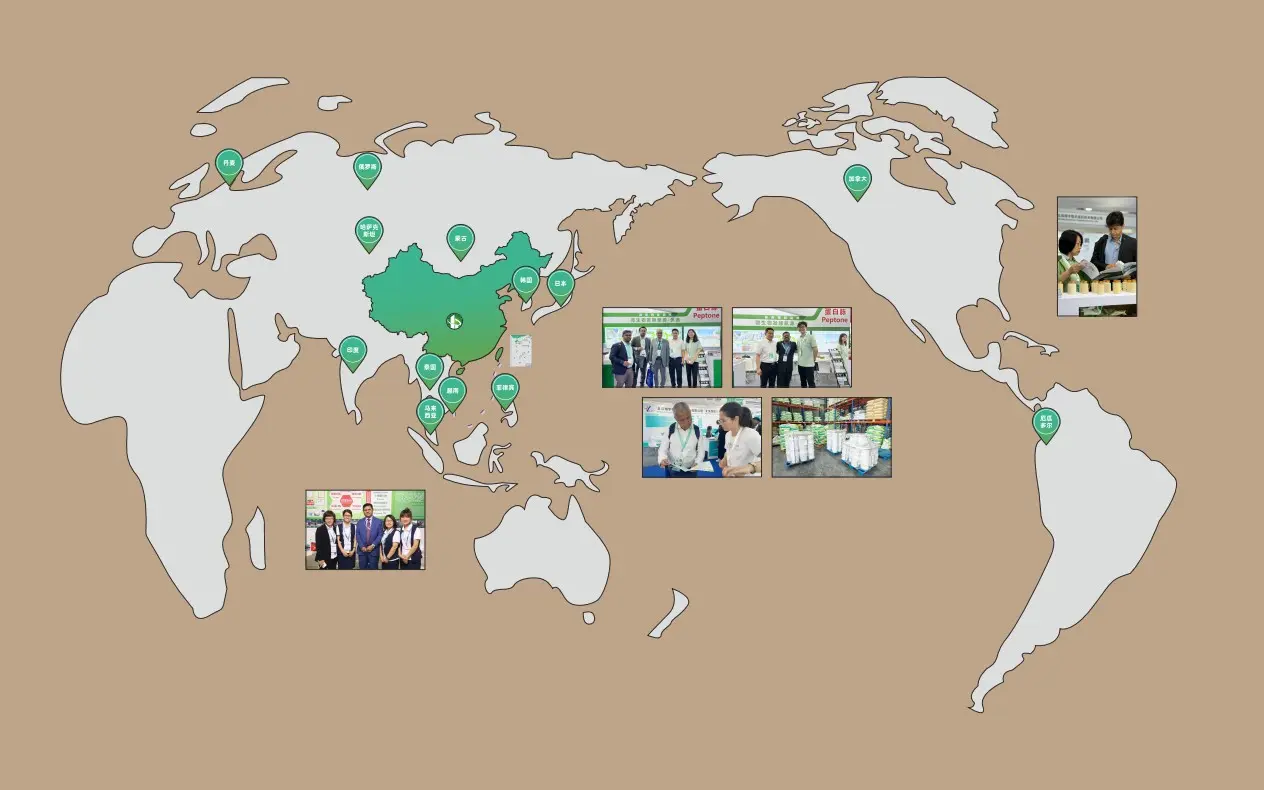
Providing custom nitrogen solutions across critical medical, agricultural, and commercial sectors
Highly soluble peptones and biological extracts designed to support diagnostics and routine culture testing in Mozambican clinical laboratories.
Our bovine-derived extracts and tryptones provide the rich amino acid profiles needed to optimize pathogen antigen production for regional livestock health programs.
Cost-effective organic nitrogen sources like soy and wheat peptones engineered to cultivate bio-control agents and growth-promoting rhizobacteria.
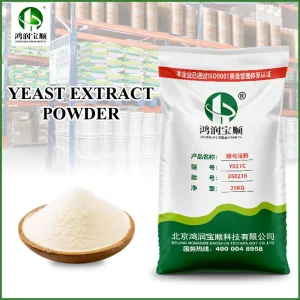
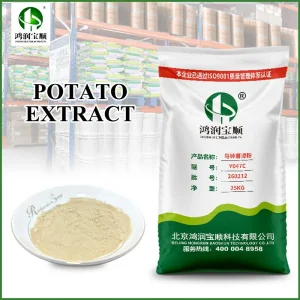
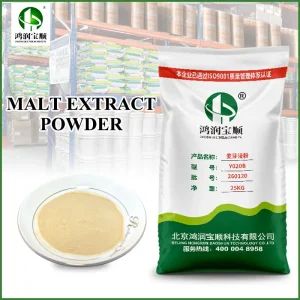
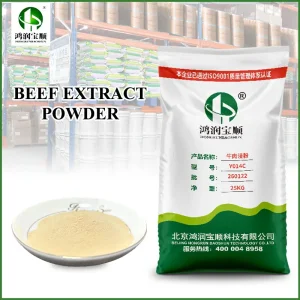
Standard and customized plant and animal-derived nutrients for modern biotech applications
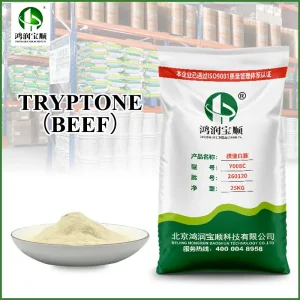
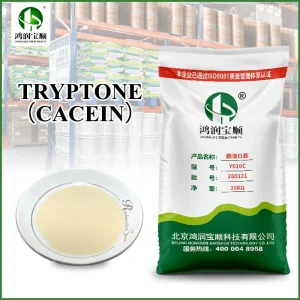
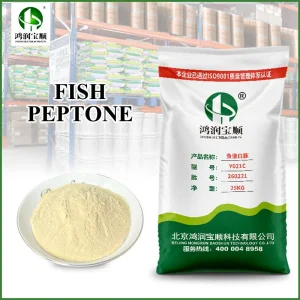
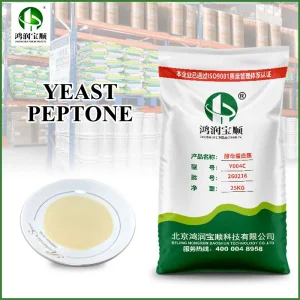
Ensuring sustainable bioprocess scaling across East African markets
Optimizing molecular profiles to match regional sugar-cane and agricultural feedstock variants, ensuring balanced growth media parameters.
Implementing double-barrier vacuum packing systems designed to prevent hydration and microbiological degradation during tropical sea transport.
Streamlined shipping connections directly to Maputo and Beira ports, backed by complete regulatory documentation for fast customs release.
Technical guidance for regional procurement and application engineers
 Hongrun Baoshun