Engineered for consistent batch yields and high density culture media in Houston's biomanufacturing facilities.
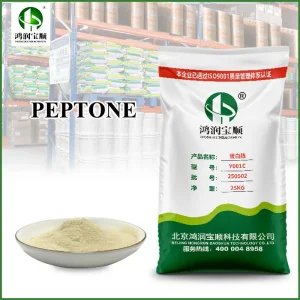
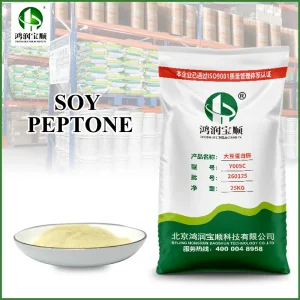
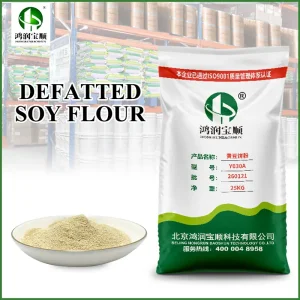
Historically recognized as the global capital of energy and petrochemicals, the Greater Houston region is undergoing a massive industrial diversification. Powered by the Texas Medical Center (TMC)—the largest medical complex in the world—and dedicated research infrastructure like TMC3, Houston has transitioned into a tier-1 biotech innovation and manufacturing hub.
Industrial biomanufacturing, recombinant protein production, vaccine development, and agricultural biologicals are expanding rapidly across the Gulf Coast. These operations demand a massive, consistent supply of cellular nutrients. Peptones, as primary sources of organic nitrogen, amino acids, and growth factors, constitute the structural backbone of these culture media. Establishing a resilient, high-capacity pipeline for these raw materials is critical to avoiding production bottlenecks.
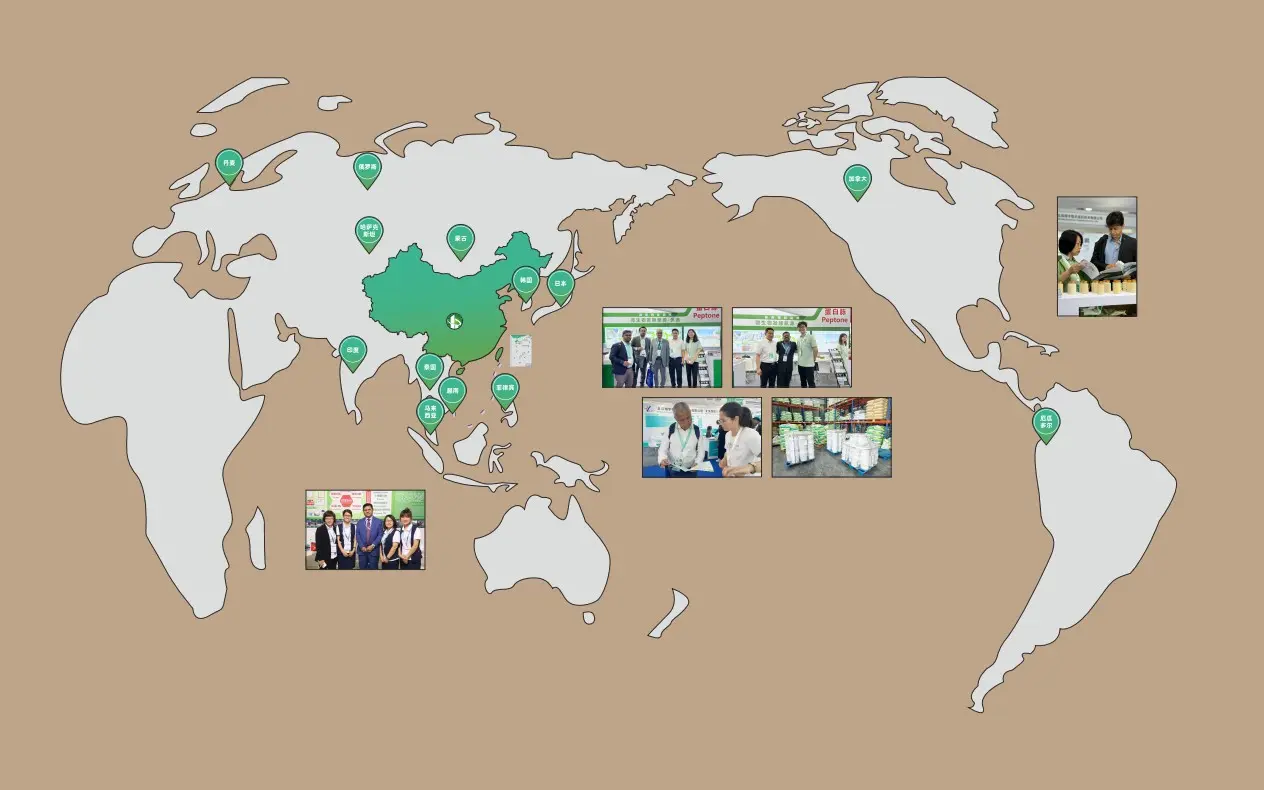
Analyzing key shifting demands from animal-derived peptones to modern, non-animal-origin (AOF) nutrients.
| Peptone Category | Raw Material Origin | Key Biotech Industry Utility | Sourcing Requirements & Certifications |
|---|---|---|---|
| Vegetable Peptones | Soy, Wheat, Potato, Pea | Vaccines, Recombinant Protein Expression, Probiotics | BSE/TSE-Free, GMO-Free Options, Clean-Label Verification |
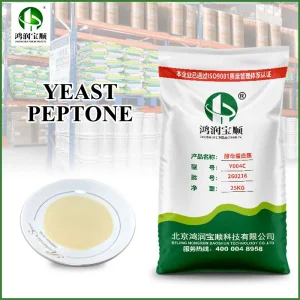
| Yeast Extracts & Peptones | Saccharomyces cerevisiae | Industrial Fermentation, Bio-fuels, Lactic Acid Bacteria | Autolysis Standardization, High Free Amino Nitrogen (FAN) |
| Animal Peptones / Extracts | Bovine, Porcine Gelatin, Fish | Diagnostics, Analytical Microbiology, Fastidious Pathogens | Traceability, USDA/FDA Import Clearances, MUI Halal |
| Tryptone / Casein Digests | Milk Casein (Trypsin/Pancreatin digest) | Molecular Biology, E. coli cultivations, Sterility Testing | Salt Content, Degree of Hydrolysis Standardization |
Established Year
Sichuan Production Base Area
Global Warehousing Capacity
Quality Standards Met
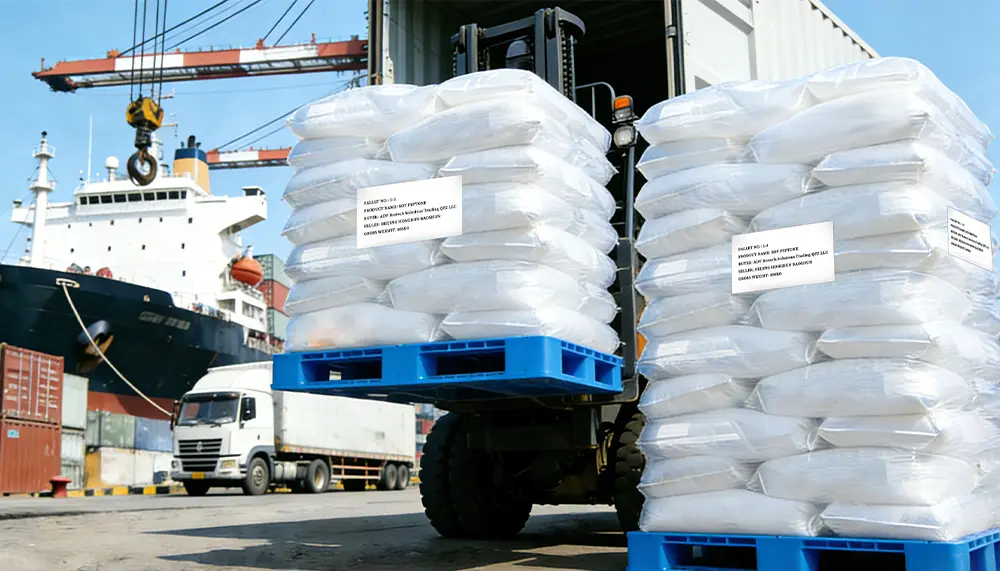
High-yield fermentation operations require massive quantities of peptones, making pricing and consistency major pain points. Beijing Hongrun Baoshun Technology Co., Ltd. addresses these pain points by integrating high-capacity, automated manufacturing lines with Sichuan-based raw material ecosystems.
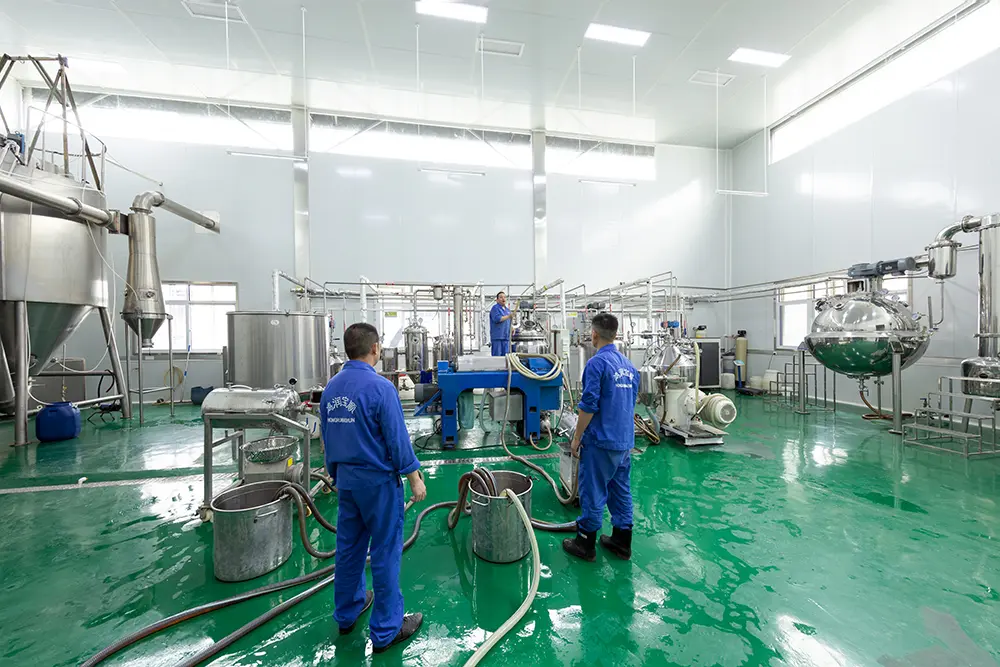
Operating a modernized 40,000 square meter factory in the Qili Industrial Park of Langzhong, Sichuan, the company secures key cost advantages. By dividing plant-derived and animal-derived production onto strictly isolated, dedicated lines, we completely prevent cross-contamination. Our vast 20,000 square meter storage facility handles bulk orders efficiently, ensuring seamless shipping logistics directly to the Port of Houston via robust transpacific supply routes.
Standardized raw material supply chains (such as non-GMO soy, high-grade casein, and fresh local yeast autolysates) ensure that we deliver structural parameters like Nitrogen-to-Carbon ratios and consistent molecular weight distributions at a fraction of Western production costs.
Why industrial biomanufacturers in Texas choose Beijing Hongrun Baoshun Technology Co., Ltd.
Separate production lines for plant and animal derivatives prevent cross-contamination. This setup satisfies strict regulatory needs for animal-free vaccine media.
Certified under ISO 9001:2015 and MUI Halal standards. Our quality control follows a strict policy: "no substandard products leave the factory."
We tailor biological parameters, molecular weight distributions, and physical properties (powder vs. paste) to match your specific bioreactor conditions.
How our biological raw materials drive growth across regional industrial sub-sectors.
Houston’s extensive petrochemical footprint relies on microbial solutions for wastewater cleanup and microbially enhanced oil recovery (MEOR). Our raw peptone lines supply the organic nitrogen needed to scale up hydrocarbon-degrading bacteria like Pseudomonas and Bacillus strains.
Texas farms face tough climate challenges and soil erosion. Our soy and potato peptones are excellent nitrogen sources for growing bio-fertilizers and bio-pesticides (like Trichoderma and Bacillus thuringiensis), supporting healthy root systems.
Researchers at the Texas Medical Center use our high-purity tryptones and yeast extracts. They provide the precise nutritional profile needed to grow recombinant E. coli, yeasts, and mammalian cell cultures for monoclonal antibodies and vaccines.
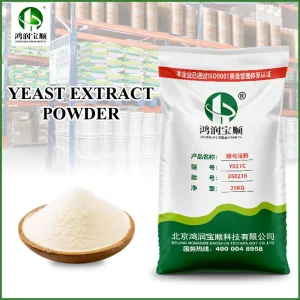
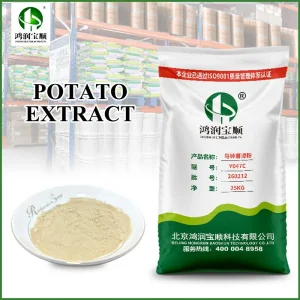
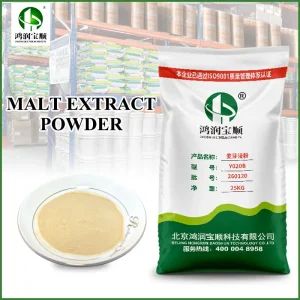
Explore our complete range of peptones, extracts, and biological culture raw materials available for bulk shipping to Houston.
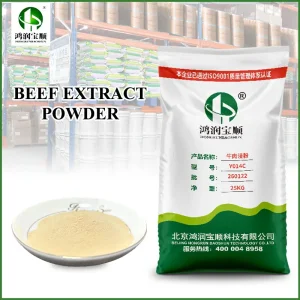
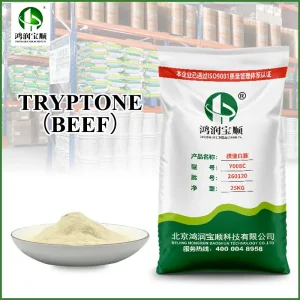
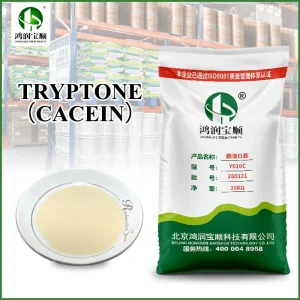
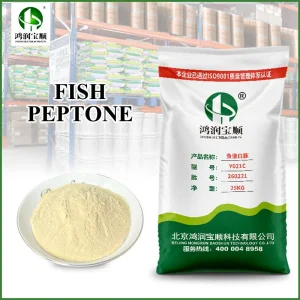
How technical directors and procurement managers solve complex logistics and purity challenges.
One of the primary difficulties in biopharmaceutical and large-scale industrial fermentation is batch-to-batch variation in raw materials. Since peptones are complex natural digests, even minor changes in feed stocks or enzymatic processes can lead to poor protein yields or batch failures. Beijing Hongrun Baoshun resolves this through strict automated process controls, standardized enzymes, and comprehensive testing for amine nitrogen, ash content, and molecular weight distribution.
Importing biotechnology nutrients into the United States requires compliance with USDA (U.S. Department of Agriculture) APHIS guidelines and FDA regulations, especially for animal-derived products. We supply full documentation—including Certificates of Analysis (CoA), BSE/TSE statements, and certification logs—to ensure smooth clearance at the Port of Houston, minimizing transport delays.
Technical answers for fermentation engineers, procurement directors, and laboratory managers.
Established in 2008 in the China (Beijing) Pilot Free Trade Zone, Beijing Hongrun Baoshun Technology Co., Ltd. has grown into a leading developer, manufacturer, and supplier of fermentation raw materials. With dual status as a national "High-tech Enterprise" and a "Zhongguancun High-tech Enterprise," we focus on driving biotechnological innovation.
Our strategic expansion in 2018 added a major production hub in Langzhong, Sichuan. Working with our specialized subsidiaries (including Beijing Yaoyou Technology, Sichuan Baoshun Biotech, Sichuan Romgee Biotech, Sichuan Yingwen Tech, and Sichuan Runxiaobao Tech), we cover the entire supply chain—from initial R&D to bulk global distribution.
 Hongrun Baoshun