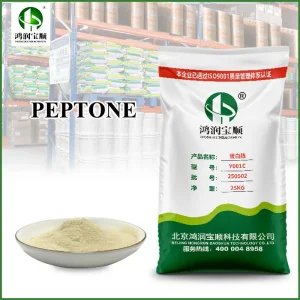
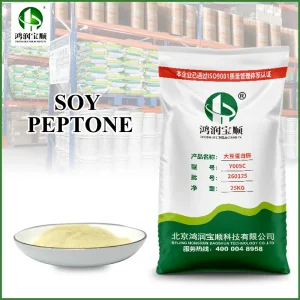
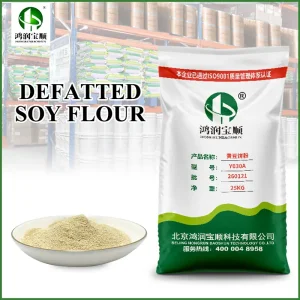
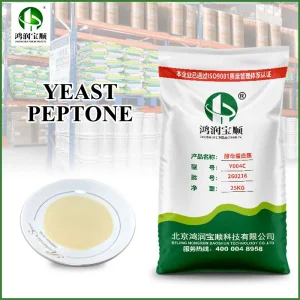
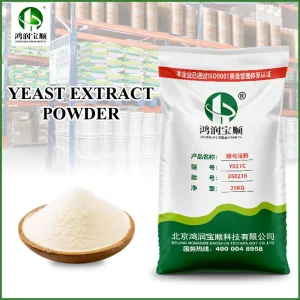
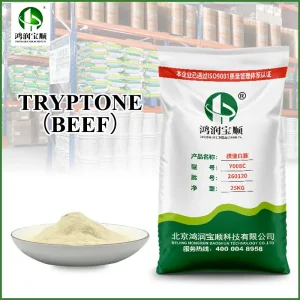
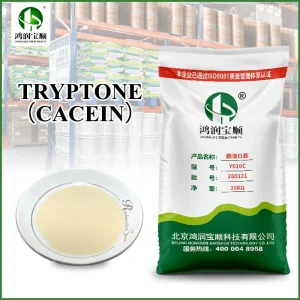
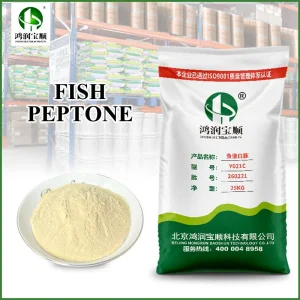
Advanced organic raw materials optimized for laboratory culture and large-scale industrial bioreactors.
In the modern era of industrial microbiology and biopharmaceuticals, the reliability of culture medium raw materials defines manufacturing success. Peptones—as hydrolyzed proteins offering an abundant matrix of amino acids, peptides, vitamins, and trace minerals—serve as the foundational fuel for microbial growth. As Hungary consolidates its role as the biotechnology and pharmaceutical powerhouse of Central and Eastern Europe (CEE), the strategic sourcing of highly standardized peptones has shifted from a routine procurement task to a critical competitive differentiator.
This industry whitepaper explores the localized micro-economies of Hungary's fermentation market, contrasts global supply dynamics with China’s manufacturing excellence, and evaluates how Beijing Hongrun Baoshun Technology Co., Ltd. satisfies the complex requirements of European bioproducers.
Hungary holds a historic and highly advanced position in the European life sciences sector. Backed by world-class academic hubs in Budapest, Debrecen, Szeged, and Pécs, the nation has fostered robust clusters specializing in red biotechnology (medical and pharmaceutical application), white biotechnology (industrial fermentation and enzymes), and green biotechnology (agricultural biologicals).
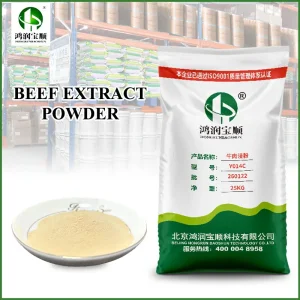
Major local and multinational players operating in Hungary require massive quantities of consistent nitrogen sources to drive their cell culture and microbial fermentation processes. These applications range from producing therapeutic proteins and monoclonal antibodies to generating vaccine antigens and secondary metabolites (like antibiotics and organic acids). Furthermore, Hungary’s strong tradition in animal health and veterinary vaccine production relies heavily on premium animal-derived peptones (such as Tryptone Casein and Beef Extract) that comply strictly with European Directorate for the Quality of Medicines (EDQM) guidelines regarding BSE/TSE risks.
Global supply chain volatility has highlighted the vulnerabilities of traditional raw material sourcing. European biotech companies frequently encounter bottlenecks related to high logistics costs, inconsistent batch-to-batch nitrogen concentrations, and long lead times for custom-blended formulations.
For Hungarian manufacturers, sourcing from local European compounders often carries a premium price. Conversely, partnering directly with Beijing Hongrun Baoshun Technology provides direct access to primary manufacturing resources in China. This bridges the gap by delivering cost-efficiency, colossal production capacity, and strict adherence to international quality management systems.
Established in 2008 and rooted in the Science and Technology Innovation Area of the China (Beijing) Pilot Free Trade Zone, Beijing Hongrun Baoshun Technology Co., Ltd. has developed into a national "High-tech Enterprise" and a "Zhongguancun High-tech Enterprise." The company operates at the intersection of raw material science and advanced bioprocess engineering.
To meet growing global demand, we expanded our production capabilities in 2018 with a state-of-the-art facility in the Qili Industrial Park in Langzhong, Sichuan. Spanning over 40,000 square meters of production space, our facilities feature dedicated, completely isolated processing lines for animal-derived and plant-derived products. This physical segregation is critical for preventing cross-contamination, satisfying the strict requirements of plant-only (vegan/GMO-free) bioprocesses, and ensuring absolute traceability.
Our operations are guided by the principle of "no substandard products leaving the factory." We maintain dual certifications under the ISO 9001:2015 Quality Management System and the MUI Halal standard. Every batch undergoes rigorous quality control, including analysis of total nitrogen (TN), amino nitrogen (AN), ash content, moisture, and microbiological profiles. This ensures that Hungarian buyers receive products that meet European regulatory standards and maintain consistent performance in automated bioreactors.
| Parameter | Animal-Derived Peptones (Beef/Casein) | Plant-Derived Peptones (Soy/Wheat) | Yeast Extracts & Peptones |
|---|---|---|---|
| Total Nitrogen (TN) | ≥ 12.0% | ≥ 8.5% | ≥ 10.0% |
| Amino Nitrogen (AN) | ≥ 3.0% | ≥ 2.2% | ≥ 4.5% |
| Ash Content | ≤ 15.0% | ≤ 15.0% | ≤ 15.0% |
| Solubility (2% Sol.) | Clear and transparent, no sediment | Clear to slightly hazy, pale yellow | Clear, golden yellow, no precipitate |
| Key Bio-Applications | Antibiotics, Vaccines, Toxins | Probiotics, Recombinant Proteins | E. coli culture, Yeasts, Fermentations |
Why do major bioprocessors in Hungary choose to import peptones from China rather than source them locally? The answer lies in China's manufacturing ecosystem and scale:
Standard, off-the-shelf peptones do not always yield optimal results for specialized microbial strains. Strains used in recombinant DNA technology, biosurfactant synthesis, or probiotic culturing often require custom nitrogen-to-carbon ratios or specific free amino acid distributions.
We offer custom development services for different customers, industries, and applications. Whether you require a specific molecular weight profile, a low-sodium formulation, or a specialized plant-derived blend, our research team can customize products to meet your specifications. We also provide free samples of up to 500g per product (excluding shipping fees) to support laboratory testing and pilot runs.
Completely separated facilities for animal and plant lines ensure raw material integrity and prevent cross-contamination.
We adjust total nitrogen, free amino acids, and ash content to optimize yield for your specific industrial strains.
Our "no substandard products leaving the factory" policy ensures reliable, high-purity materials with consistent performance.
We offer full technical assistance, including pre-sales consulting, regulatory documentation support, and post-delivery follow-ups.
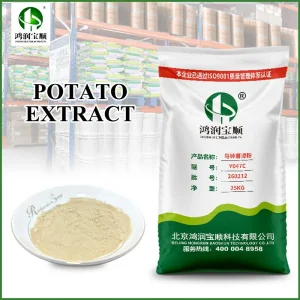
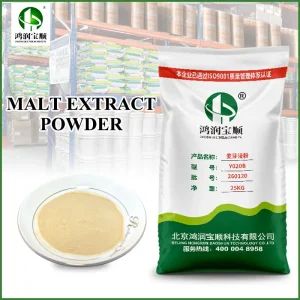
The global industrial fermentation landscape is undergoing a significant transition. Due to regulatory considerations and consumer preference for animal-free products, there is a growing demand for plant-based nitrogen sources. Soy, wheat, potato, and malt extracts are increasingly used in bioprocesses that historically relied on animal peptones.
In response to these trends, Beijing Hongrun Baoshun Technology has increased investment in plant protein extraction and digestion technologies. We supply high-purity soy and wheat peptones that provide clean growth curves without the regulatory and safety concerns associated with animal-derived raw materials.
Technical guidance and sourcing information for procurement managers and laboratory scientists in Hungary.
Premium raw materials designed to support biopharmaceutical, diagnostic, and agricultural fermentations.
 Hongrun Baoshun