Providing high-purity biological raw materials tailored to meet Southeast Asia's strict biotechnology requirements, medical advances, and HALAL standards.
An in-depth review of industrial fermentation requirements, regional supply chain logistics, and rigorous purity criteria.
Kuala Lumpur and the surrounding Klang Valley have positioned themselves as premier hubs for biotechnology, biopharmaceuticals, and enzyme production in Southeast Asia. Guided by national blueprints like the National Biotechnology Policy 2.0, local bioprocess operators are scaling up activities in pharmaceutical production, recombinant proteins, vaccines, and probiotics. Central to this growth is the demand for dependable organic nitrogen sources. High-purity animal, plant, and yeast-derived peptones serve as foundational media components, providing essential amino acids, peptides, vitamins, and trace elements to optimize cell yield and secondary metabolite production.
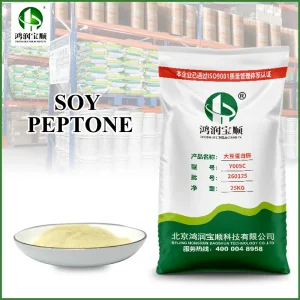
For bioprocess manufacturers in Kuala Lumpur, adherence to Halal regulations is a crucial market requirement rather than an optional specification. With JAKIM (Department of Islamic Development Malaysia) overseeing certification, sourcing peptones with verified Halal credentials is vital. Our production processes align with Halal requirements. Our animal-free, plant-derived products—such as Soy Peptone and Potato Extract—as well as our certified bovine-derived media, ensure compliance with these standards, helping local enterprises gain access to regional and global Islamic markets.
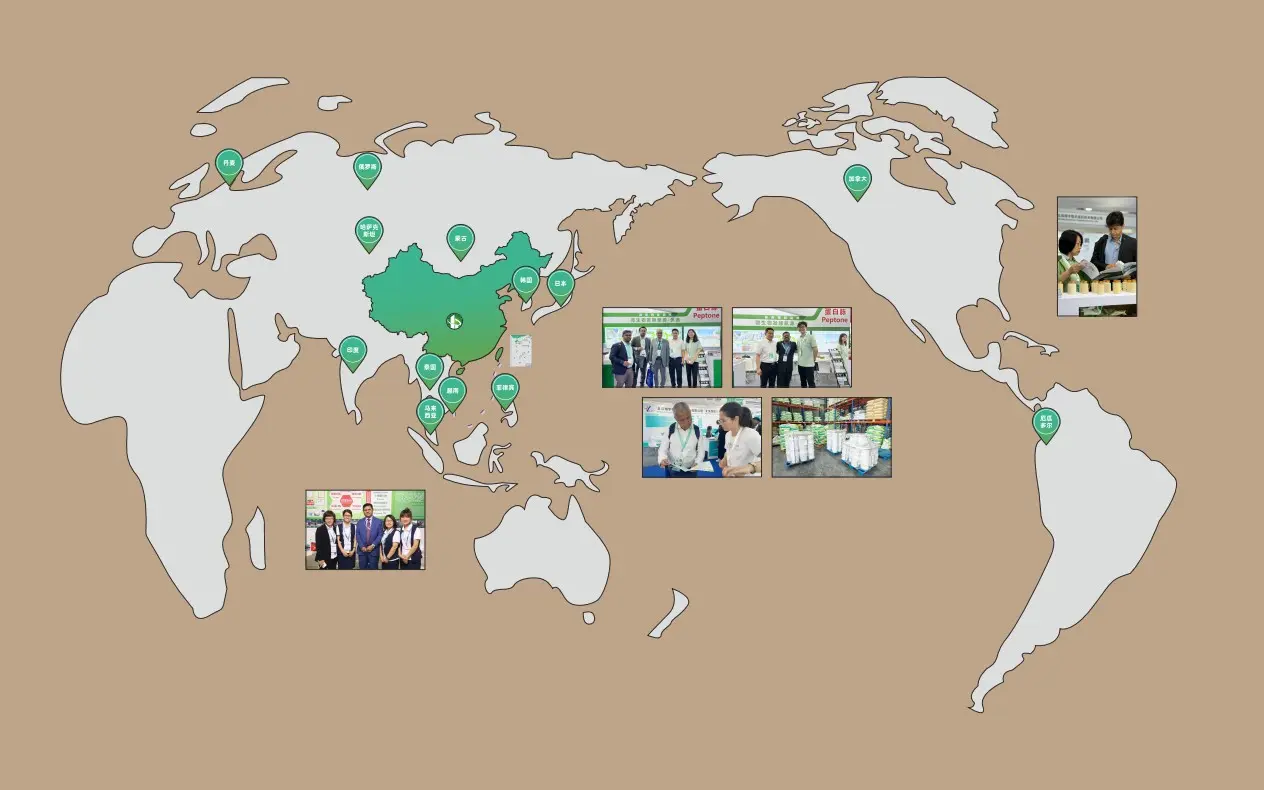
Established in 2008 in the China (Beijing) Pilot Free Trade Zone Science and Technology Innovation Area, Beijing Hongrun Baoshun Technology Co., Ltd. has developed into a high-tech enterprise integrating R&D, production, and sales. We hold dual certifications as a National "High-tech Enterprise" and a "Zhongguancun High-tech Enterprise," serving the biotechnology, microbiology, and industrial fermentation sectors.
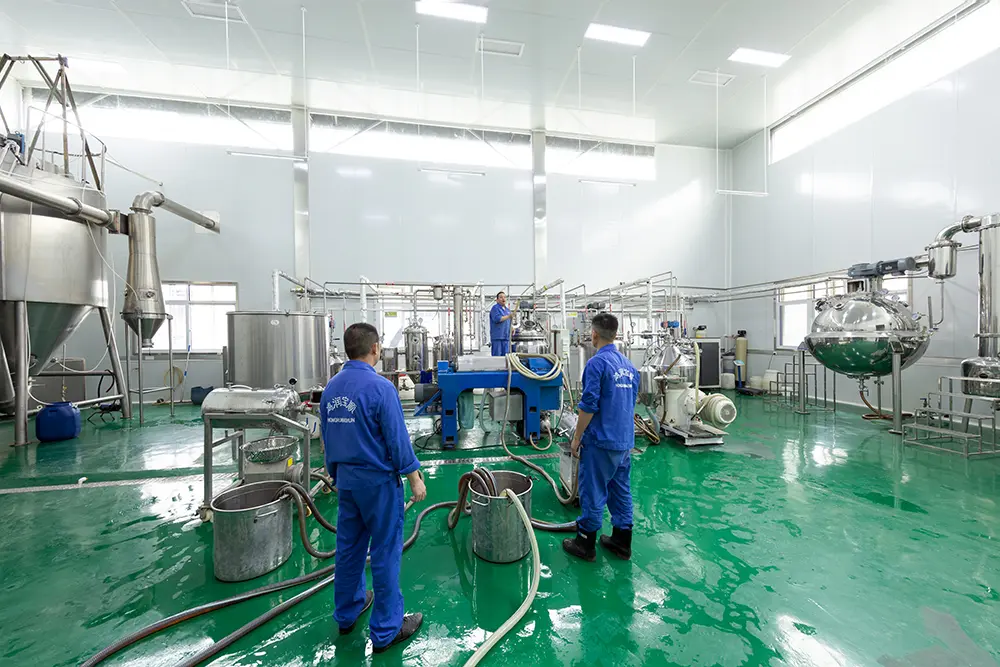
To support growing demand, we updated our production facilities in 2018 by expanding into the Qili Industrial Park in Langzhong, Sichuan. This site features Phase I and Phase II factories spanning more than 40,000 square meters, along with a 20,000 square meter storage area. With dedicated, independent animal- and plant-derived production lines, we ensure reliable supply volumes and consistent batch parameters.
Understanding how molecular weight, nitrogen distribution, and processing controls impact cellular growth and product yield.
For microbial fermentation, peptones are not simple fillers; they are complex biological ingredients. The efficiency of a bioprocess depends on several key parameters:
Careful enzyme selection breaks down complex proteins into targeted peptide fractions.
Removes high-molecular-weight proteins and impurities for better stability and filtration.
Low-temperature spray drying preserves heat-sensitive growth factors and vitamins.
Verification of batch-to-batch consistency using chromatography and growth assays.
Our business model is supported by five specialized subsidiaries working in coordination: Beijing Yaoyou Technology, Sichuan Baoshun Biotechnology, Sichuan Romgee Biotechnology, Sichuan Yingwen Technology, and Sichuan Runxiaobao Technology.
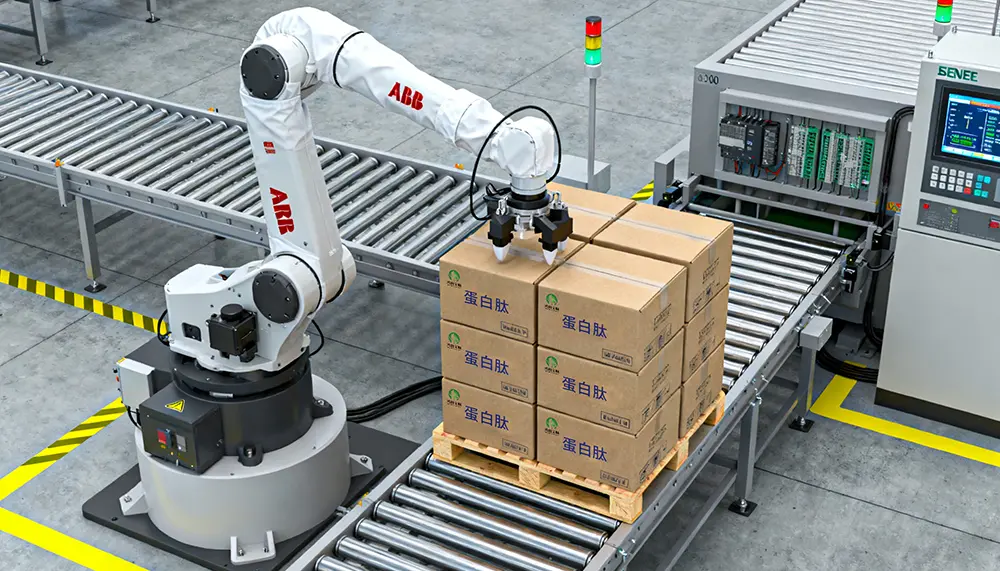
Quality assurance is central to our operations. We maintain ISO 9001:2015 quality management system certification and MUI Halal certification. By implementing strict in-process controls, we ensure that every batch of peptone, yeast extract, and plant protein hydrolysate meets purity and safety standards prior to dispatch.
Biomedical and industrial systems often require tailor-made solutions. We offer customization options to meet specific requirements.
We provide comprehensive technical support throughout the product lifecycle, including pre-sales consultation, lab-scale troubleshooting, and batch calibration to ensure compatibility with your bioreactor setups.
We customize enzyme profiles, control filtration steps, and adjust trace mineral balances to supply optimized raw materials for specific microorganisms, probiotics, and mammalian cell lines.
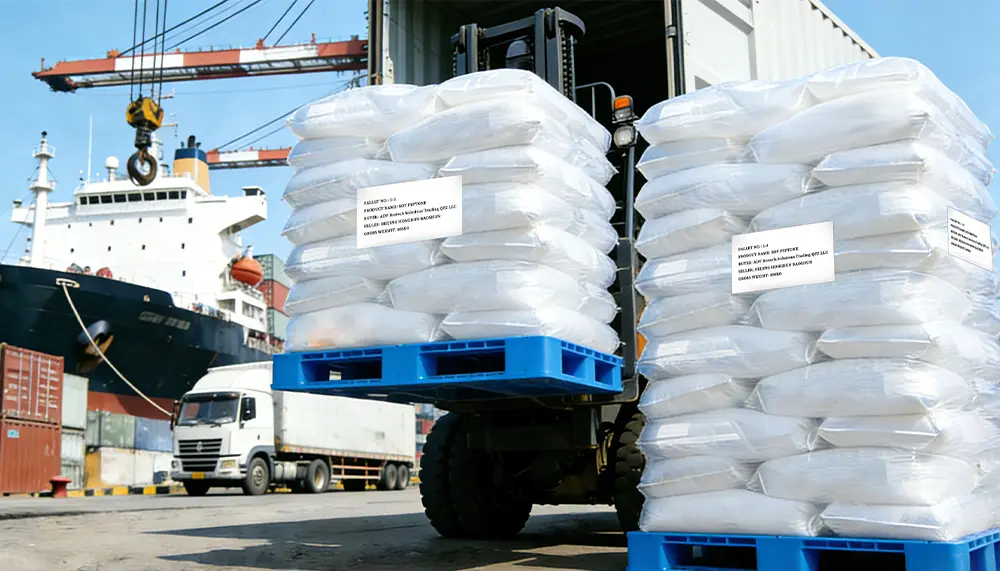
We support various packaging formats from 25kg fiber drums to bulk sacks, with supply chain options designed to deliver products to facilities in Kuala Lumpur and Selangor safely and efficiently.
Technical guidance for biotech researchers, fermentation engineers, and procurement managers in Kuala Lumpur.
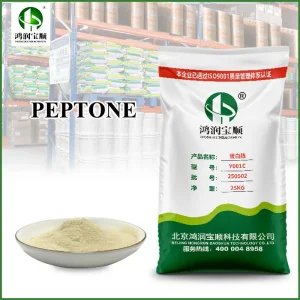
Animal peptones (such as Beef Peptone and Tryptone Casein) provide a rich profile of amino acids, growth factors, and vitamins, which is beneficial for fastidious micro-organisms and traditional cell cultures. Plant-derived alternatives (like Soy Peptone and Wheat Peptone) offer a BSE/TSE-free, non-GMO option that helps eliminate viral contamination risks and complies with vegan and Halal specifications, making them suitable for modern biopharma operations.
MUI (Indonesia) is recognized by Malaysia's JAKIM under a mutual recognition agreement for Halal certifications. This recognition ensures that our MUI Halal certified peptones and yeast extracts can be utilized in Halal-certified biotech and food production facilities throughout Kuala Lumpur and wider Malaysia.
Our quality control process monitors Raw Protein levels, Amino Nitrogen (AN), Total Nitrogen (TN), pH stability, Ash content, and moisture limits. We conduct growth assays using test organisms to verify that each production batch supports consistent cell density and yield before release.
Yes, we provide up to 500g of sample material per product for laboratory evaluations (excluding shipping fees). Contact our customer service team to coordinate shipment to your facility in Malaysia.
Our dry peptones and yeast extract powders are hygroscopic and should be stored in tightly sealed containers in a cool, dry environment (below 25°C with relative humidity below 60%) to prevent clumping and maintain product shelf life.
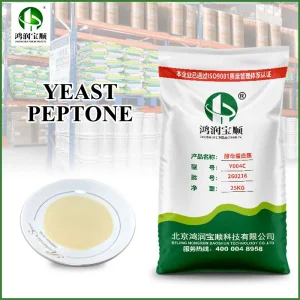
Explore our selection of yeast extracts, animal proteins, hydrolysates, and custom peptones designed for industrial applications in Kuala Lumpur.
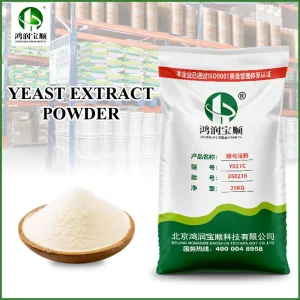
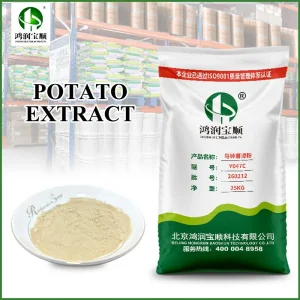
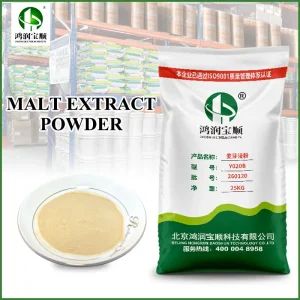
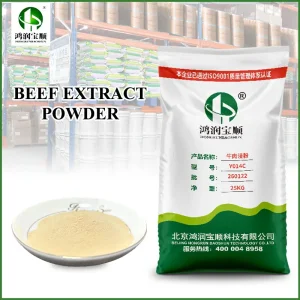
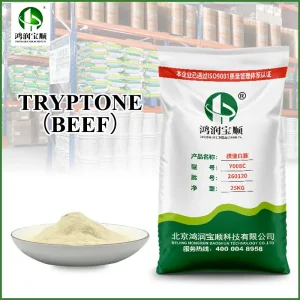
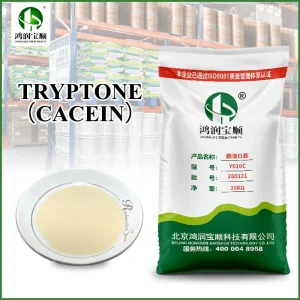
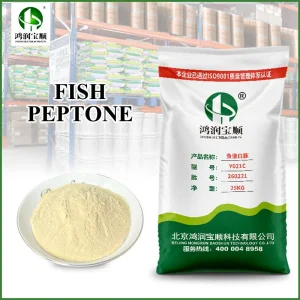
Sourcing alternative plant and animal proteins for research, clinical microbiologies, and agricultural biopesticide projects.
 Hongrun Baoshun