Core organic nitrogen solutions engineered to satisfy the standard microbiological formulations and bespoke processing conditions of Greece's biotech infrastructure.
Understanding the biochemical nuances of protein hydrolysates and their impact on microbial kinetics.
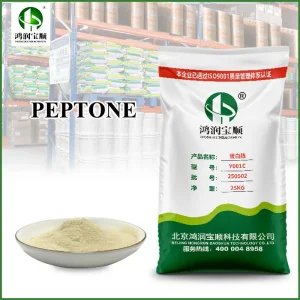
Peptones represent highly complex mixtures of polypeptides, oligopeptides, and free amino acids derived from the controlled hydrolysis of natural proteinaceous materials. Unlike synthetic media which supply nitrogen through inorganic salts or isolated amino acids, peptones act as multi-nutritional aggregates containing biological growth factors, trace elements, vitamins, and protective peptides that shield microorganisms against mechanical and chemical stress. By serving as both primary building blocks and co-factors, these mixtures reduce the lag phase in industrial fermentations and optimize product yields, whether they are biopharmaceutical proteins, organic acids, or secondary metabolites.
The nutritional efficiency of a peptone is determined by its Degree of Hydrolysis (DH) and the source raw material. Enzymatic digestion utilizing enzymes like pepsin, trypsin, or pancreatin maintains structural intactness of critical vitamins and growth factors. Acid hydrolysis, on the other hand, yields higher free amino acid concentrations but degrades sensitive molecules like tryptophan. Choosing between animal-sourced (casein, gelatin, beef) and plant-sourced (soy, wheat, potato) peptones depends on the specific metabolic pathway of the target organism and compliance guidelines, particularly in avoiding bovine spongiform encephalopathy (BSE) and transmissible spongiform encephalopathy (TSE) risks in human-grade therapeutic manufacturing.
How local pharmaceutical hubs, food manufacturers, and eco-agriculture are leveraging advanced protein hydrolysates.
Greece’s domestic pharmaceutical manufacturing sector, concentrated within Attica and neighboring regions, stands as one of the country's most dynamic industrial drivers. Key local corporations are increasingly pivoting toward sterile injectables, biosimilars, and active pharmaceutical ingredient (API) synthesis. Achieving therapeutic-grade yields relies heavily on cell culture media consistency. Standardizing supply lines for raw ingredients like animal-free soy peptone and high-clarity casein peptone enables local labs to pass strict EU quality criteria.
Greece's legendary agricultural processing exports—primarily Greek yogurt and protected designation of origin (PDO) cheeses like Feta—depend on the precise propagation of industrial starter cultures. Lactic Acid Bacteria (LAB) like Lactobacillus bulgaricus and Streptococcus thermophilus require high-nitrogen culture media to fast-track biomass expansion. Organic nitrogen components like yeast extract paste and pancreatic digest of casein ensure maximum viability, structural viability, and flavor profile retention in industrial starter media.
From the olive groves of Kalamata to the vineyards of Macedonia, Greek agricultural practitioners are actively transitioning away from chemical fertilizers toward biological alternatives. Peptones function as exceptional biostimulants, providing organic nitrogen, free amino acids, and low-molecular-weight peptides directly to soil microbes and plants. This increases micro-element absorption, stimulates root system growth, and improves crop tolerance against Mediterranean drought conditions.
The shift toward customization, animal-free products, and strict regulatory compliance.
The global peptone industry is currently navigating a significant transition toward plant-derived (vegetable-based) and yeast-derived protein hydrolysates. Traditionally, animal peptones derived from beef or pork tissue were the industry standards due to their rich amino acid profiles. However, clean-label manufacturing demands, vegan preferences in dietary supplements, and strict regulatory frameworks by organizations like the European Directorate for the Quality of Medicines (EDQM) have stimulated research into complex botanical sources.
Advanced chromatography and filtration systems have enabled the isolating of highly specific molecular weight fractions. In precision fermentation processes, such as recombinant protein production, raw material variations can destabilize production runs. Leading manufacturers now utilize automated ultrafiltration loops to remove raw ash and high-molecular-weight protein fractions, guaranteeing a consistent raw material that conforms to precise batch criteria.
A comparative analytical guide to selecting the appropriate organic nitrogen source for industrial bio-processes.
| Peptone Source Type | Total Nitrogen (w/w) | Amino Nitrogen (w/w) | Solubility in Water | Primary Industrial Applications |
|---|---|---|---|---|
| Soy Peptone (Enzymatic) | ≥ 9.0% | ≥ 2.5% | Clear, No sediment | Animal-free biopharma, probiotic fermentation, vaccine manufacturing |
| Beef Peptone | ≥ 11.0% | ≥ 3.0% | Clear solution | General microbiological media, diagnostics, antibiotic synthesis |
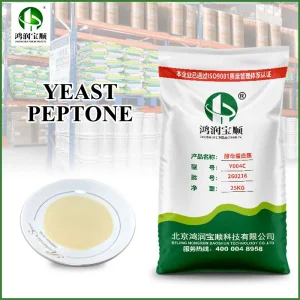
| Yeast Peptone | ≥ 10.0% | ≥ 3.5% | Excellent, high clarity | Biomass accumulation, amino acid production, recombinant expression |
| Casein Peptone (Tryptone) | ≥ 12.0% | ≥ 4.0% | Colorless, clear | Sterility testing, molecular biology research, enzyme production |
| Potato Extract / Peptone | ≥ 4.5% | ≥ 1.5% | Highly soluble | Fungal growth, sporulation media, vegan-certified cultures |
Locating a reliable peptone manufacturer is crucial for maintaining operating continuity in fermentation factories. Beijing Hongrun Baoshun Technology Co., Ltd. addresses Southern European market bottlenecks by offering integrated manufacturing and logistics support directly to the main industrial centers in Greece, including Athens, Thessaloniki, and Patras.
Our comprehensive range of animal-derived, plant-derived, and yeast-derived nitrogen fractions and growth factors.
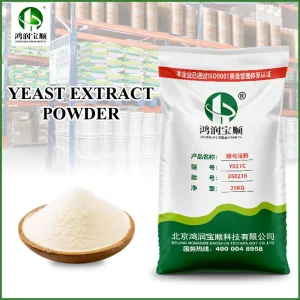
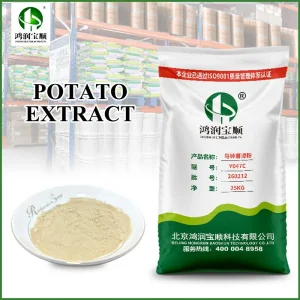
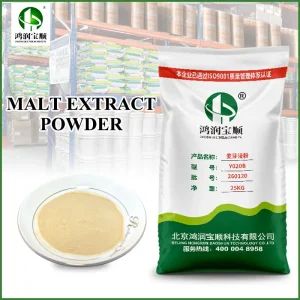
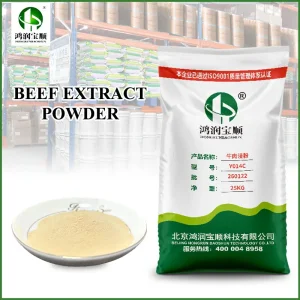
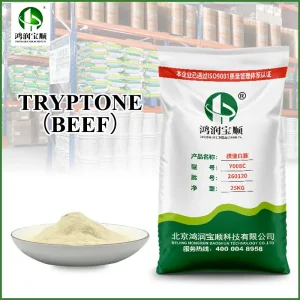
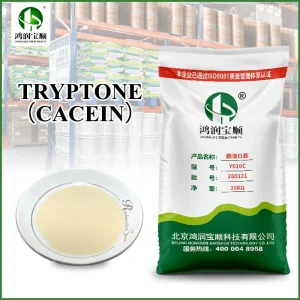
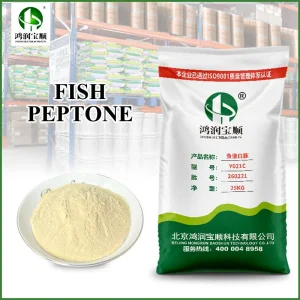
Established in 2008 and based in the China (Beijing) Pilot Free Trade Zone Science and Technology Innovation Area, Beijing Hongrun Baoshun Technology Co., Ltd. has developed into a leading high-tech manufacturer specializing in microbial culture media raw materials. Supported by modern production plants in Sichuan spanning 40,000 square meters, we maintain independent manufacturing lines for animal and plant products. Our annual production capacity ensures steady volumes and reliable lead times for international distributors and pharmaceutical customers alike.

Common technical and commercial questions answered by our industrial science team.
Peptones are enzymatic or acid digests of animal or plant proteins, containing mixture of larger peptides and amino acids. Tryptone is a specific type of peptone obtained through the pancreatic digestion of casein, rich in tryptophan. Yeast extract is prepared by autolyzing yeast cells, providing not only nitrogen but also high concentrations of B-complex vitamins, purines, and pyrimidines.
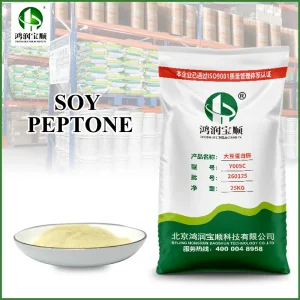
Soy peptone provides a broad spectrum of carbohydrates, vitamins, and amino acids that stimulate the growth of fastidious organisms. In biopharmaceuticals, using plant-derived nutrients avoids safety concerns related to animal pathogen transmissions (BSE/TSE), simplifying regulatory approval processes for products like vaccines and therapeutic proteins.
Yes. We can customize the digestion parameters using specific enzymes to target particular molecular weight distributions. Additionally, we provide custom particle sizing, including fine powder, granular, and concentrated liquid formats, to suit your facility's media preparation setup.
We dispatch bulk cargos from our factories to Piraeus and Thessaloniki ports using maritime shipping lines. For urgent R&D materials or pilot-scale volumes, air freight services deliver products to Athens International Airport within 5–7 business days, complete with pre-cleared EU customs documents.
Contact our technical support team to request up to 500g of free samples for laboratory validation, or request a quotation tailored to your production schedule.
Contact Our Technical Specialists Now Hongrun Baoshun