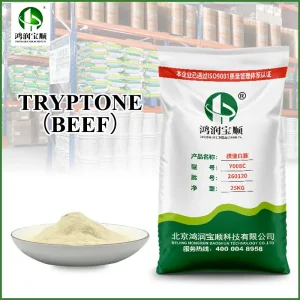
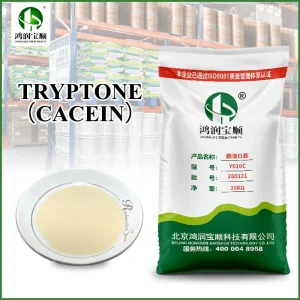
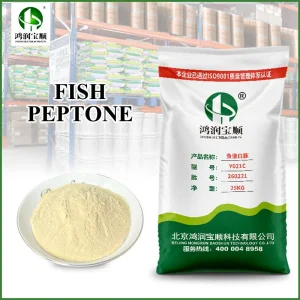
Standardized, trace-analyzed, and high-solubility nitrogen sources optimized for the UK biotech and pharmaceutical sectors.
An in-depth look at global supply dynamics, local applications in London, and the technical parameters driving consistent culture media performance.
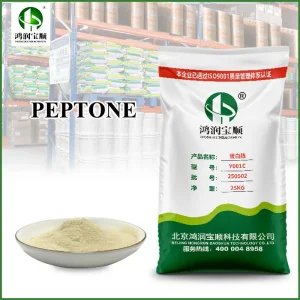
In the rapidly evolving landscape of industrial bioprocessing, peptones serve as the foundational nitrogen backbone for the cultivation of microorganisms and cell cultures. Derived from the controlled enzymatic hydrolysis or acid digestion of proteinaceous materials (including animal tissues, milk casein, soybean meal, and yeast cells), peptones provide a complex mixture of amino acids, bioactive peptides, vitamins, and essential trace minerals. Unlike chemically defined media, the multi-faceted nutritional profile of high-quality peptones provides crucial growth-promoting factors that accelerate cell division, increase biomass yield, and optimize the expression of recombinant proteins, secondary metabolites, and therapeutic antibodies.
The London metropolitan area has emerged as one of the world's premier life sciences and biotech clusters. Supported by global academic and research institutions—such as Imperial College London, University College London (UCL), and King's College London—the region hosts a dynamic ecosystem of startups, clinical research organizations (CROs), and scale-up biomanufacturing facilities. Key commercial nodes like the London Knowledge Quarter, White City Innovation District, and the Croydon biotechnology hub are generating massive demand for high-spec, consistent culture media.
As clinical trials progress from Phase I to commercial-scale production in the UK, bioprocess engineers face the challenge of sourcing raw materials that meet strict regulatory guidelines while maintaining strict batch-to-batch consistency. Local laboratories and pilot plants require a responsive supply chain capable of delivering analytical-grade animal-derived and plant-derived peptones that comply with both MHRA (Medicines and Healthcare products Regulatory Agency) standards and global pharmacopoeia benchmarks.
On a global scale, the industrial peptone market is experiencing a profound paradigm shift. The historical reliance on traditional animal-derived peptones (such as bovine and porcine hydrolysates) is being heavily complemented—and in some sectors, replaced—by plant-derived (soy, wheat, potato) and yeast-based alternatives. This shift is driven by three main factors:
Cell culture media optimization, recombinant protein expression, and monoclonal antibody (mAb) therapeutics.
Dehydrated media, microbiological agar plates, testing reagents, and quality control assay formulation.
Probiotics fermentation, microecological dietary formulations, and enzymes for organic agriculture.
To guarantee optimal and reproducible performance in industrial bioreactors, our manufacturing processes prioritize analytical precision. The quality of a peptone is defined by its molecular weight distribution, amino nitrogen to total nitrogen ratio (AN/TN ratio), clarity in solution, and ash content.
By employing targeted enzymatic digestion (using high-purity enzymes like pepsin, trypsin, or papain) followed by advanced ultrafiltration and low-temperature spray drying, we control the peptide length. Shorter peptides and free amino acids support rapid cell growth, while longer peptides provide critical protective buffering capacity in large-scale fermenters.
Established
Production Base
Global Storage Area
Independent Production Lines
Established in 2008 and headquartered in the China (Beijing) Pilot Free Trade Zone Science and Technology Innovation Area, Beijing Hongrun Baoshun Technology Co., Ltd. has developed into a leading high-tech enterprise integrating research, development, and industrial-scale manufacturing. Recognized as both a national "High-tech Enterprise" and a "Zhongguancun High-tech Enterprise," we serve the global biotech industry with premium culture media raw materials.
In 2018, we upgraded our strategic layout, establishing a massive modern production footprint in the Qili Industrial Park in Langzhong, Sichuan. Spanning over 40,000 square meters, this facility operates separate, independent animal- and plant-derived production lines, ensuring zero cross-contamination and complete traceability of all raw materials. Upholding the philosophy of "customer first, forging ahead with determination", we guarantee that no substandard products leave our factory doors.

Operating through five specialized subsidiaries to deliver integrated research, manufacturing, and supply chain logistics globally.
Our unified operations include: Beijing Yaoyou Technology, Sichuan Baoshun Biotechnology, Sichuan Romgee Biotechnology, Sichuan Yingwen Technology, and Sichuan Runxiaobao Technology.
Strict enforcement of standard operating procedures from raw material quarantine to chemical testing, heavy metal analysis, and microbial load verification.
Certified facilities and materials, allowing for seamless integration into international consumer health products, probiotics, and pharmaceutical applications.
Supporting advanced scientific research and commercial bioprocesses across diverse biological fields.
Providing custom nitrogen bases for dehydrated media, selective agars, and testing reagents. Assuring growth of demanding bacterial and fungal strains in medical diagnostics.
Supplying cell culture nutrients for the synthesis of vaccines, monoclonal antibodies, recombinant proteins, and active pharmaceutical ingredients (APIs).
Supporting enzyme production, organic acid fermentation, and molecular biology workflows requiring rich, standardized amino acid blends.
Promoting the rapid multiplication and high survival rate of beneficial live microorganisms, including Lactobacillus and Bifidobacterium strains.
Enabling the scale-up of eco-friendly bio-fertilizers, bio-pesticides, and microbial agents to support sustainable farming practices.
Optimizing microbial populations in aquaculture systems and bioremediation processes to restore environmental balance and water clarity.
Why leading laboratories and industrial manufacturers partner with us for secure, long-term ingredient supplies.
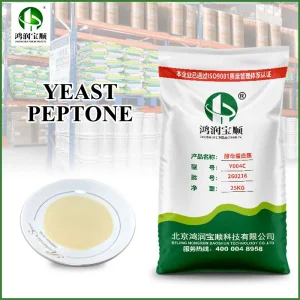
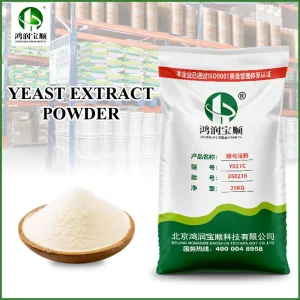
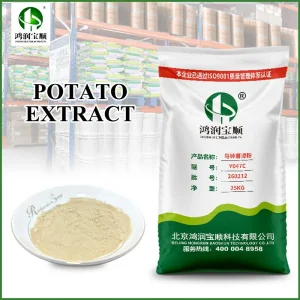
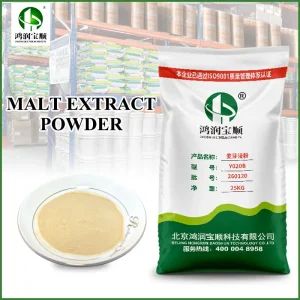
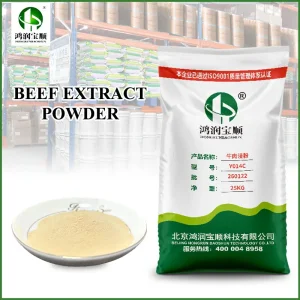
We provide a comprehensive range of animal-derived, plant-derived (soy, wheat, potato), and yeast-based peptones to meet varied regulatory and nutritional needs.
With a 40,000㎡ production base and 20,000㎡ storage capacity, we guarantee stable capacities, predictable lead times, and continuous batch supplies.
Operating under ISO 9001:2015 standards, we employ advanced enzymatic hydrolysis technology to yield high-purity, consistent, and well-characterized raw materials.
To reduce qualification risk, we offer up to 500g of free product samples per item for laboratory and pilot-scale verification testing.
We tailor molecular weight distribution, AN/TN ratios, and solubility parameters to meet the specific requirements of unique microbial cell lines.
By leveraging large-scale independent production lines, we offer highly competitive pricing structures for long-term contract partners.
Our dedicated international sales and technical support teams ensure seamless, barrier-free communication and smooth shipping logistics into the London market.
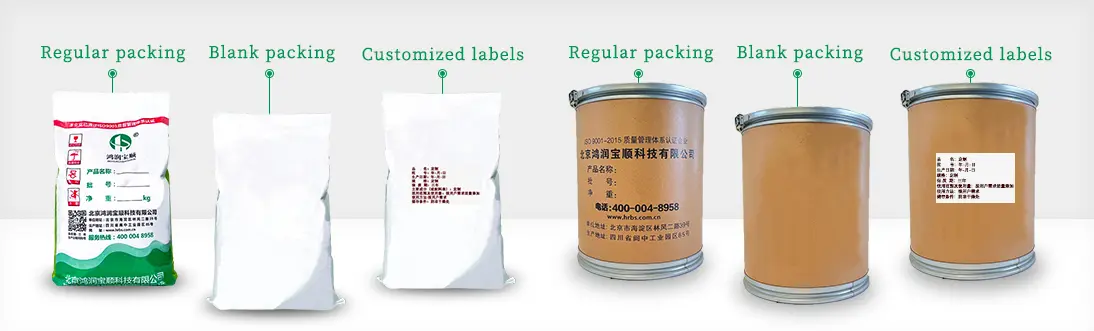
Bioprocesses vary, and standard ingredients do not always deliver maximum yield. Recognizing the continuous mutation of industrial strains and the specific demands of novel microecological therapeutics, Hongrun Baoshun offers comprehensive customization services.
Whether your strain requires specific peptone molecular weight profiles, low ash levels, or high filtration speeds, our R&D team can develop and scale tailored solutions. We modify hydrolysis duration, enzyme selections, and purification methods to craft the ideal growth substrate for your application.
A full portfolio of high-purity biological extracts, peptones, and hydrolysates engineered for industrial bioprocessing.
Technical guidance and sourcing insights regarding peptone applications, quality assurance, and UK logistics.
Batch consistency is maintained by controlling the source raw materials and automating the enzymatic hydrolysis parameters—specifically temperature, pH, enzyme-to-substrate ratio, and digestion duration. We monitor molecular weight distribution (via HPLC size-exclusion chromatography) alongside physical markers like total nitrogen, amino nitrogen (AN/TN ratio), ash content, and moisture levels to verify consistency before release.
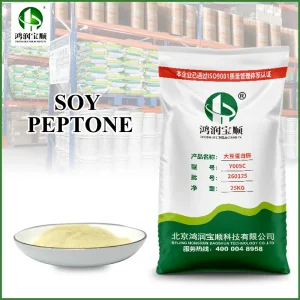
Plant-derived peptones (such as soy, wheat, and potato) are excellent, BSE/TSE-free alternatives. Soy peptone is particularly rich in carbohydrates and vitamins, making it suitable for many bacteria and fungi. However, animal-derived peptones like beef extract contain specific nucleosides, fatty acids, and trace factors necessary for fastidious pathogens. A hybrid or customized formulation can be developed to optimize growth curves.
Yes. Our facilities and products hold MUI Halal certification. Additionally, our specialized plant-derived (soy, potato, wheat) peptones and yeast extracts do not use animal ingredients, avoiding religious restriction issues in global food, beverage, probiotic, and pharmaceutical bioprocesses.
We manage exports from our advanced warehousing hubs. Standard products ship promptly, while customized formulations take longer depending on technical requirements. We supply all documentation, including Certificates of Analysis (COA), BSE/TSE-free declarations, ISO 9001 certifications, and shipping logs, to ensure quick custom clearance in the UK.
Yes, we offer up to 500g of free samples per product for lab-scale trials and pilot verification (shipping fees excluded). This enables UK bioprocess engineers to verify growth kinetics and purity before placing bulk commercial orders.
Dehydrated peptone powders and extracts are hygroscopic. They should be stored in tightly sealed containers in a cool, dry place below 30°C, away from direct sunlight. Under these conditions, the products maintain their biochemical activity and physical properties for up to 36 months.
 Hongrun Baoshun