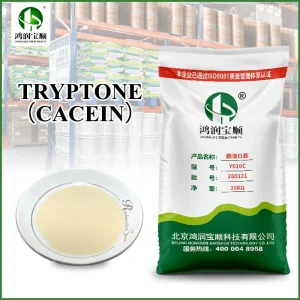
China Beef Extract Powder - Biological Fermentation, Organic Nitrogen Suppliers & Factory for Food and Biopharmaceuticals

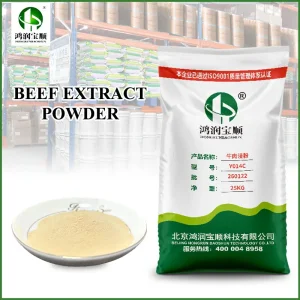
Beef extract powder, available in tan or dark brown hues, is a highly nutritious substance produced through biological hydrolysis that breaks down beef macromolecules into soluble nutrients. This product is rich in essential components such as creatine, peptides, amino acids, nucleotides, vitamins, and minerals, making it a vital source of methionine and growth factors crucial for bacterial metabolism and proliferation, Produced by top suppliers in China, fresh beef undergoes a careful process of defatting and enzymatic digestion to extract active ingredients. Following this, the liquid is filtered to eliminate impurities and then concentrated before being spray-dried into a fine powder, effectively preserving its nutritional value, This beef extract powder is widely utilized as a primary nutrient source in microbial culture media for laboratories and biopharmaceutical fermentation processes. Additionally, it enhances flavor and supplements nutrition in food processing, establishing itself as an indispensable raw material in both the biological research and food industries. Look for trusted manufacturers and suppliers in China for high-quality beef extract powder suitable for various applications

Product Description

Quality Standards
Sensory Index
Items Requirements
Morphology Powder, no caking
Color Light yellow powder
Odor Endemic taste and odor of product, no other peculiar smell
Impurity No normal visible extraneous impurity
Physicochemical
Item Reagent Grade
Total Nitrogen (on DM) % ≥14.0
Amino Nitrogen (on DM) % ≥2.5%
Ash (on DM) % ≤13%
Moisture % ≤6.0%
PH (2% solution) 4.5–7.0
Solubility (2% solution) Pellucid
The physicochemical index is general specification but we can customize product according to the requirements of customer.
Application
🔬
Beef extract effectively compensates for the nutritional deficiencies of peptone and other common nitrogen sources in culture media. Rich in abundant peptides, amino acids and natural growth factors, it provides comprehensive nutrients for microbial growth and metabolism. Widely applied in biological laboratories and large-scale microbial fermentation industries, it serves as a high-grade essential raw material to optimize cultivation efficiency and strain activity.
Usage
⚗️
Preparation Method
Fully dissolved and sterilized before use.
Packaging
📦
Standard Packaging
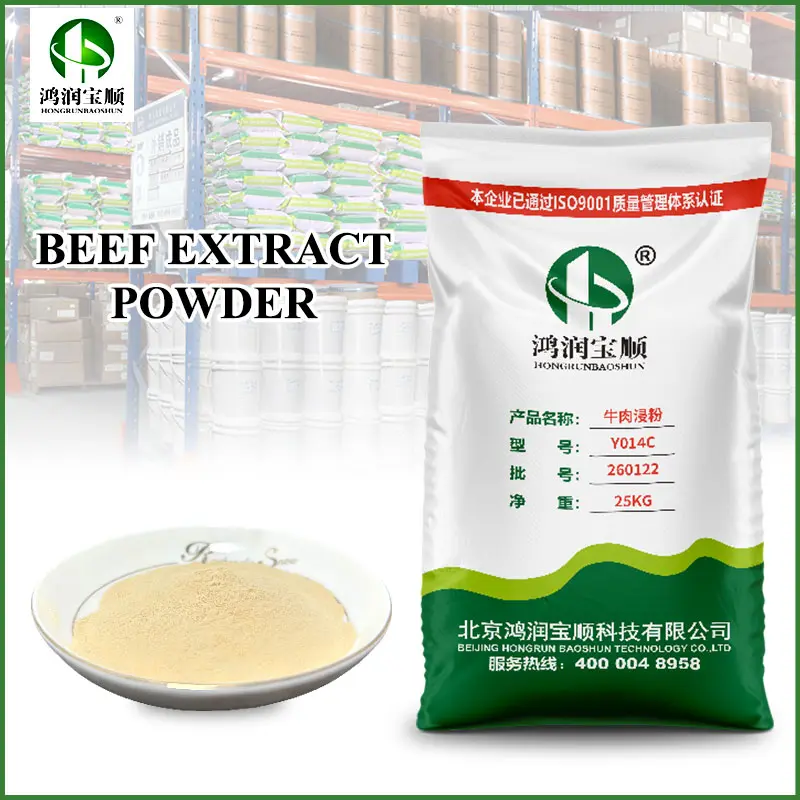
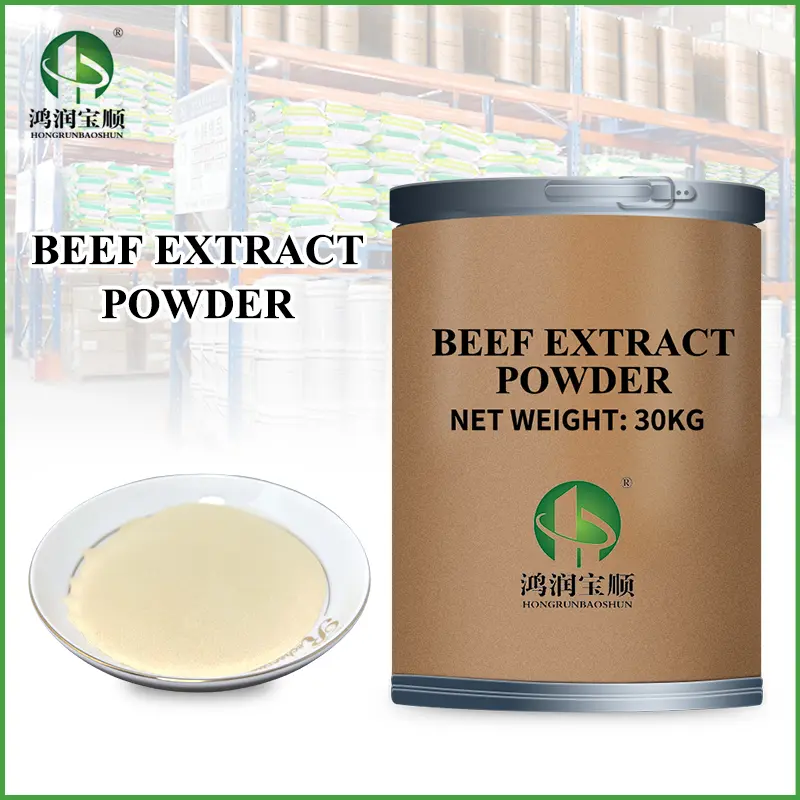
Compound Paper Bag with 25kg/bag or Cardboard Bucket.
🧪
Reagent-Grade Packaging
250g plastic bottle, or packed according to customer measurement requirements. OEM packaging available.
Frequently Asked Questions
What is beef extract used for in microbiology?
Beef extract is widely used in biological laboratories and large-scale microbial fermentation industries. It compensates for nutritional deficiencies in culture media by providing peptides, amino acids, and natural growth factors that support microbial growth and metabolism.
What are the key physicochemical specifications of this beef extract?
The reagent-grade beef extract features a total nitrogen content of ≥14.0% (on DM), amino nitrogen ≥2.5%, ash ≤13%, moisture ≤6.0%, pH between 4.5–7.0 (2% solution), and a pellucid solubility at 2% solution.
Can the product specifications be customized?
Yes. The physicochemical index represents the general specification. Products can be customized according to specific customer requirements, including tailored formulations and OEM packaging options.
How should beef extract be prepared before use?
Beef extract should be fully dissolved in the appropriate solvent and sterilized before use to ensure safety and effectiveness in culture media applications.
What packaging options are available?
Standard packaging includes compound paper bags at 25kg per bag or cardboard buckets. Reagent-grade products are available in 250g plastic bottles. Custom packaging sizes and OEM packaging are also offered to meet individual customer needs.
What is the appearance and odor of this beef extract product?
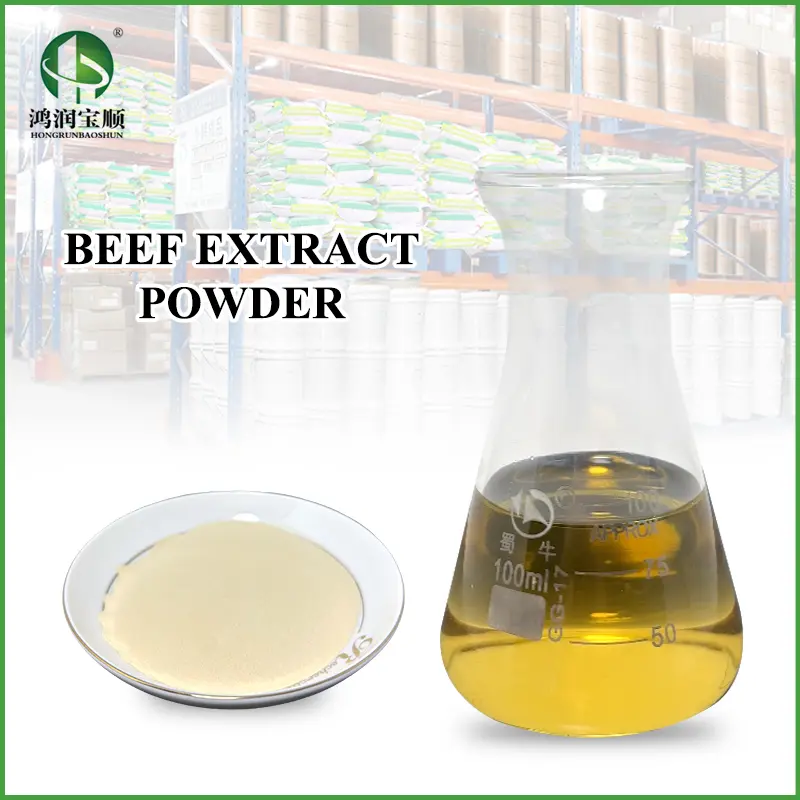
The product appears as a light yellow powder with no caking. It carries the endemic taste and odor characteristic of the product, with no other peculiar smell, and contains no normal visible extraneous impurities.

Related Products