Frequently Asked Questions
Q
What is tryptone (casein) and what is it made from?
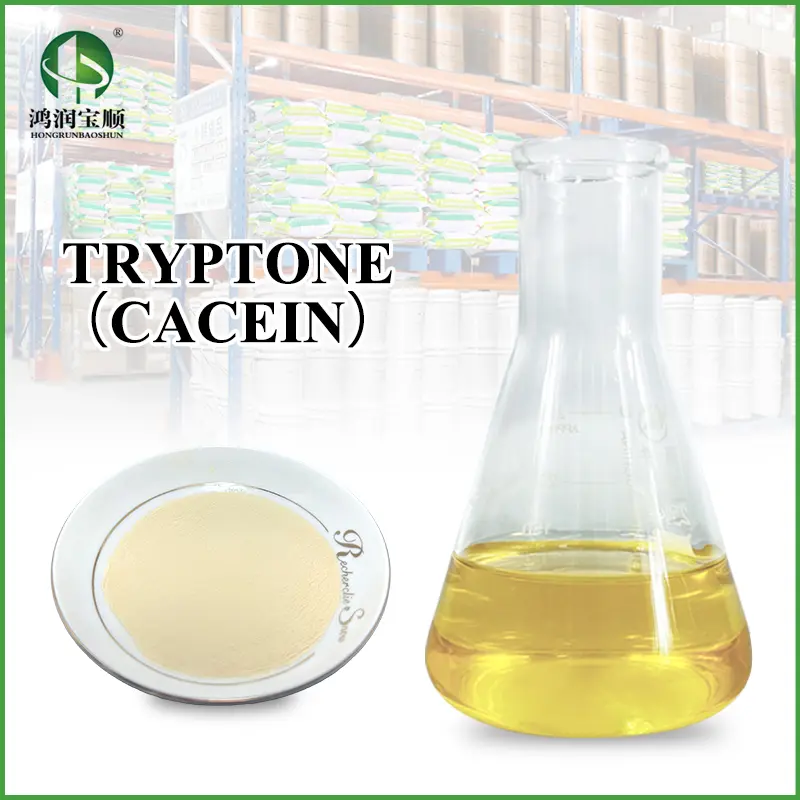
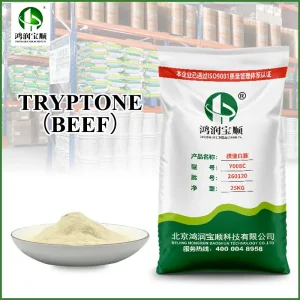
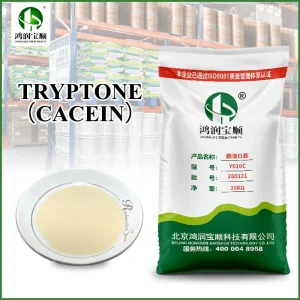
Tryptone (casein) is a pancreatic digest of casein protein derived from milk. It is a rich source of peptides and amino acids commonly used as a nitrogen source in microbiological culture media and industrial fermentation processes.
Q
What is the difference between pharmaceutical grade and reagent grade tryptone?
Pharmaceutical grade tryptone meets specifications for use in drug manufacturing and sterility testing, with a total nitrogen content of ≥8.0%. Reagent grade offers higher nitrogen content (≥12.0%) and stricter solubility/clarity requirements, making it suitable for laboratory and analytical applications.
Q
Can the product specifications be customized?
Yes. While the physicochemical index provided represents our general specification, we are able to customize the product to meet specific customer requirements. OEM packaging options are also available upon request.
Q
What are the main applications of this tryptone product?
This tryptone is widely used in microbial sterility testing, industrial fermentation, and biopharmaceutical production. Key applications include the manufacture of antibiotics, extracellular proteins, interferon, and diphtheria toxoid.
Q
How should tryptone be prepared before use?
Tryptone should be fully dissolved in the appropriate volume of water and then sterilized before use. This ensures consistent performance and prevents contamination in sensitive microbiological or fermentation applications.
Q
What packaging options are available for this product?
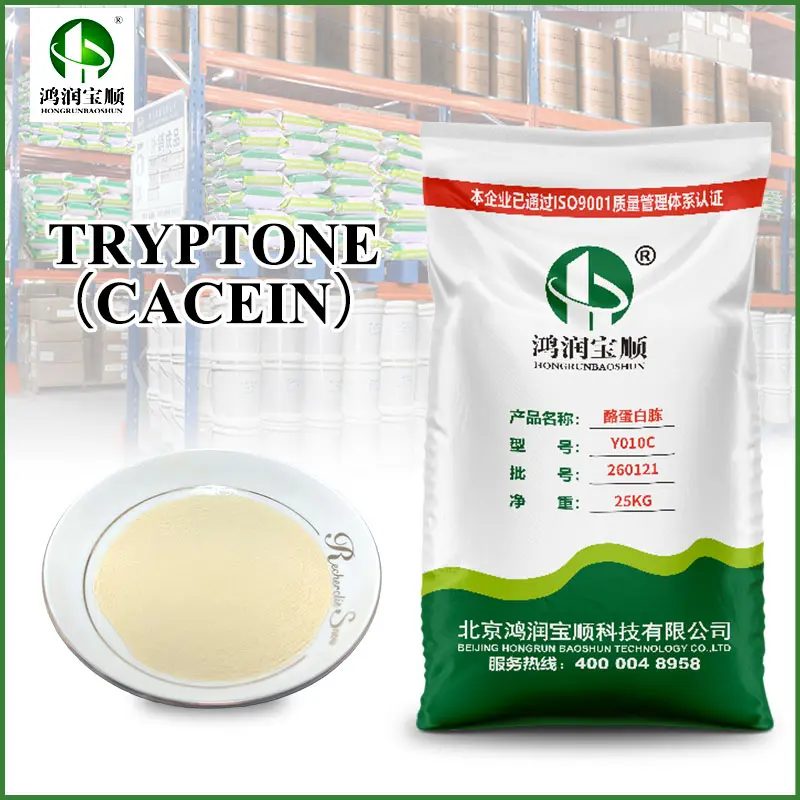
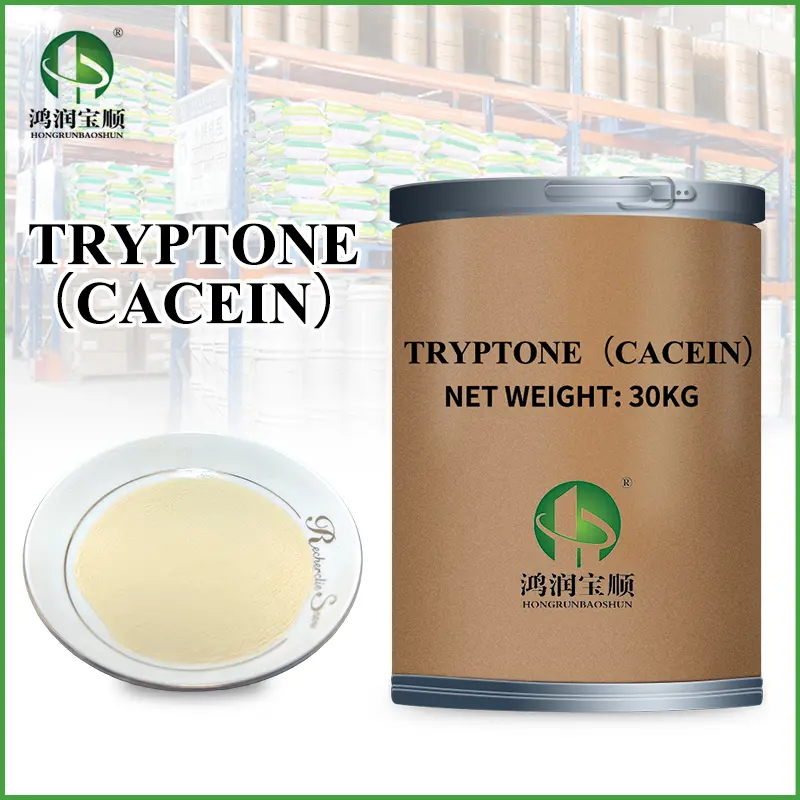
The standard packaging options include a compound paper bag (25kg/bag) or a cardboard bucket for bulk orders. Reagent-grade products are available in 250g plastic bottles. Custom packaging quantities and OEM packaging solutions can be arranged based on customer needs.
 Hongrun Baoshun