Wholesale High-Quality Yeast Peptone from China - Leading Suppliers and Factory for Microbial Nitrogen Source in Fermentation Supplier, Factory

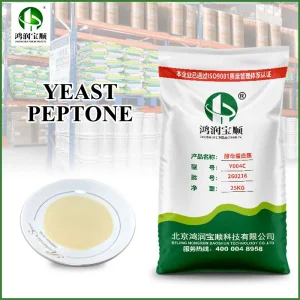
Yeast peptone is a premium biological nitrogen source derived from high-protein bread yeast in China. This product is created through a meticulous process that includes autolysis, enzymatic hydrolysis, multi-stage separation, vacuum concentration, and spray drying. During this process, yeast cells undergo self-decomposition and targeted enzymatic breakdown, transforming large proteins into small peptides, free amino acids, and other easily absorbable nutrients, From a fermentation perspective, yeast peptone is not only rich in proteins, peptides, and amino acids but also abundant in nucleotides, B vitamins, biotin, and various growth factors. These essential components provide a comprehensive and balanced nutrient profile for microorganisms, effectively supporting their growth and metabolic functions, As a versatile ingredient, yeast peptone is widely utilized in microbial fermentation, biological preparations, and various industrial fermentation processes. When used alongside yeast extract and other medium components, it significantly enhances microbial growth, boosts metabolic activity, and promotes the synthesis of desired products, thereby improving fermentation efficiency and overall product yield. Our yeast peptone factory in China is dedicated to providing high-quality products to suppliers around the world, ensuring optimal results in your fermentation applications

Product Description

📋 Product Standards
Sensory Index
Items Requirements
Morphology Powder and no caking phenomenon
Color Light white or white
Odor Endemic taste and odor of product, no other peculiar smell
Impurity No normal visible extraneous impurity
Physicochemical Index
Item Industrial Grade Pharmaceutical Grade Reagent Grade
Total nitrogen (on DM) % ≥7.5% ≥7.5% ≥7.5%
Amino nitrogen (on DM) % ≥3.5% ≥3.5% ≥3.5%
Ash (on DM) % ≤15.0% ≤15.0% ≤15.0%
Moisture % ≤6.0% ≤6.0% ≤6.0%
PH (2% solution) 4.5–7.5
Acid solution & alkalescence high-pressure —— Pellucid
Solubility (2% solution) Slightly soluble Complete lysis
⚠️
Note: The physicochemical index is general specification but we can customize product according to the requirements of customer.
🔬 Application
🧫

Yeast peptone is suitable for microbial culture and provides comprehensive nutrition for bacterial growth.

⚗️ Usage
🧪

Fully dissolved and sterilized before use.

📦 Packaging
🗃️

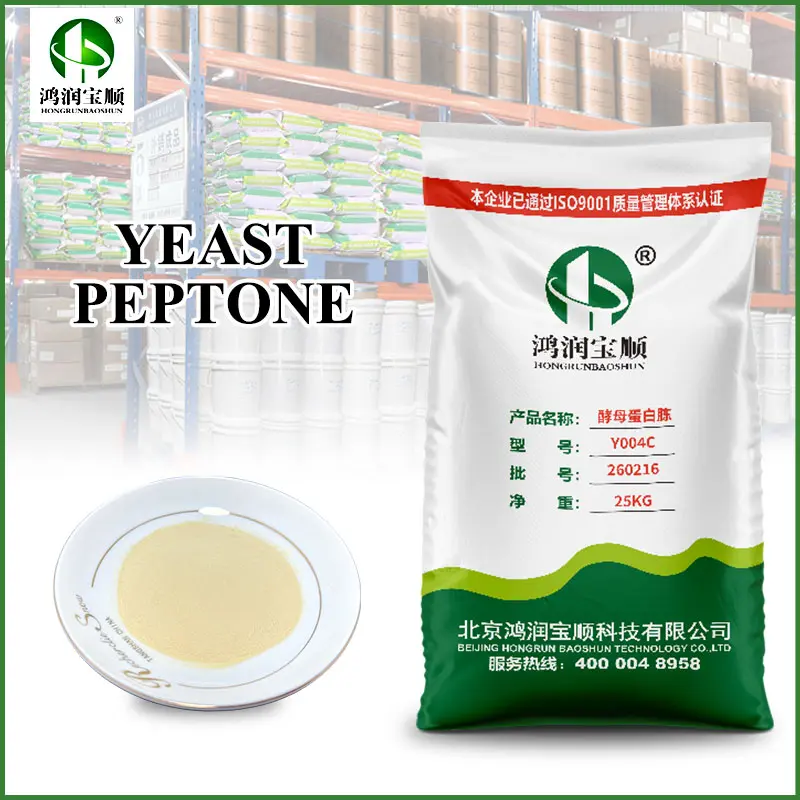
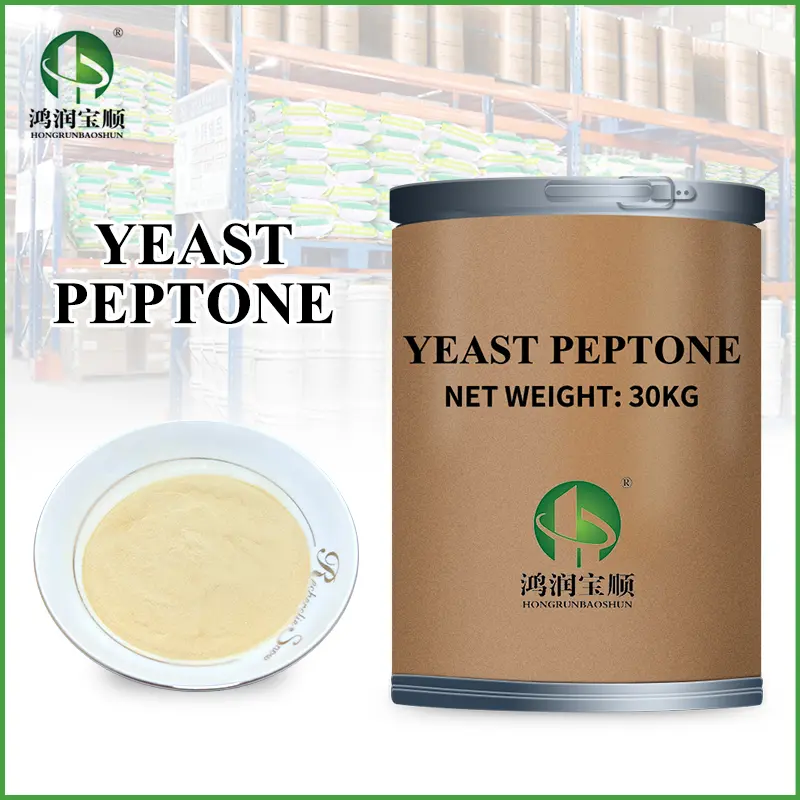
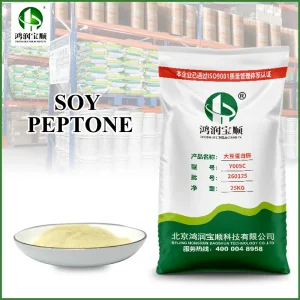
Compound Paper Bag with 25kg/bag or Cardboard Bucket. Reagent-grade products are packaged with 250g plastic bottle (or be packed according to the measurement requirements of customer and OEM Package as well).
Frequently Asked Questions
Q What grades of yeast peptone are available?
Yeast peptone is available in three grades: Industrial Grade, Pharmaceutical Grade, and Reagent Grade. Each grade meets the same core physicochemical standards but differs in solubility and clarity requirements.
Q Can the product specifications be customized?
Yes. While the physicochemical index represents our general specification, we are able to customize the product according to specific customer requirements, including tailored parameter ranges.
Q How should yeast peptone be prepared before use?
The product should be fully dissolved in water and then sterilized before use to ensure safety and effectiveness in microbial culture applications.
Q What is the primary application of yeast peptone?
Yeast peptone is primarily used for microbial culture, providing comprehensive and balanced nutrition to support healthy bacterial growth in laboratory and industrial settings.
Q What packaging options are available?
Standard packaging includes Compound Paper Bags (25kg/bag) and Cardboard Buckets. Reagent-grade products are available in 250g plastic bottles. OEM packaging and custom measurement-based packaging are also supported.
Q What is the acceptable moisture content and pH range for yeast peptone?
The moisture content should be ≤6.0% across all grades. The pH of a 2% solution should fall within the range of 4.5 to 7.5, ensuring compatibility with a wide range of microbial culture conditions.

Related Products