Premium fermentation inputs, high-purity nitrogen sources, and specialized peptones direct from our advanced manufacturing facilities.
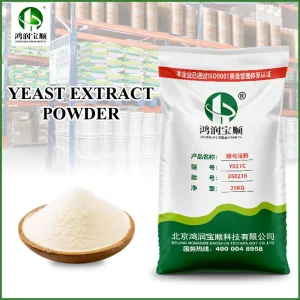
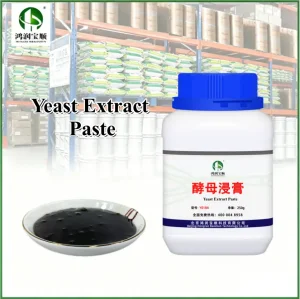
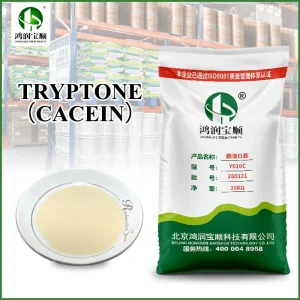
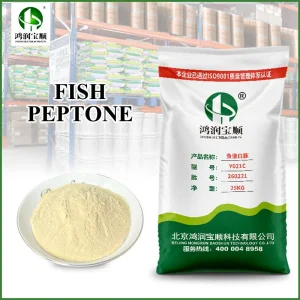
Alkaline Peptone Water (APW) is a specialized enrichment medium primarily utilized for the cultivation and selective pre-enrichment of Vibrio species, including the clinically significant pathogens Vibrio cholerae and Vibrio parahaemolyticus, from food, water, and clinical specimens. The formulation relies on a precise ecological design that exploits the physiological tolerances of the target organisms.
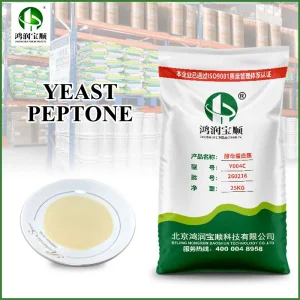
The medium's selective properties are established via two primary factors: a elevated alkaline pH (typically calibrated between 8.6 ± 0.2 at 25°C) and an optimized sodium chloride (NaCl) concentration. While most competing enterics (such as Escherichia coli and other coliforms) are severely inhibited by high alkalinity, Vibrio species thrive, facilitating rapid multiplication during the early stages of incubation (6 to 8 hours). The peptone ingredient serves as the fundamental nitrogenous framework, offering amino acids, vitamins, and essential trace minerals needed for robust cellular replication.
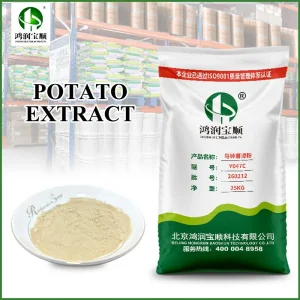
*Custom osmotic profiles and animal-free plant peptone alternatives can be tailored to meet specific industrial or regulatory parameters.
How global industries utilize Alkaline Peptone Water Media to ensure microbiological safety and regulatory compliance.
APW serves as the gold-standard enrichment step in public health laboratories for isolating Vibrio cholerae from fecal swabs and clinical specimens. Its high pH prevents overgrowth of normal intestinal flora, ensuring clear diagnostic outcomes during outbreaks.
Global regulatory bodies require strict testing of imported seafood (shrimp, oysters, and crabs) for Vibrio parahaemolyticus and Vibrio vulnificus. APW enrichment is key to meeting FDA BAM and ISO 21872 standards before distribution.
Environmental management agencies utilize APW to monitor natural waters near aquaculture farms and public beaches. Regular monitoring helps predict and prevent outbreaks linked to warm-water runoffs.
Established in 2008 and located within the China (Beijing) Pilot Free Trade Zone Science and Technology Innovation Area, Beijing Hongrun Baoshun Technology Co., Ltd. is a modern high-tech enterprise integrating R&D, manufacturing, and distribution of culture media materials.
Over the past 15+ years, we have expanded our capabilities to serve both local and international markets. Our production footprint is anchored by our advanced四川 (Sichuan) facilities in the Qili Industrial Park in Langzhong, covering over 40,000 square meters of specialized manufacturing space. This configuration enables separate production streams for animal-derived products and plant-derived products, ensuring complete control over cross-contamination and batch uniformity.
Innovation-driven pathways to enhance peptone yield, stability, and diagnostic accuracy.
Moving from traditional acid hydrolysis to multi-enzyme controlled digestion. This process optimizes peptones to have precise molecular weight distributions (MWD), maximizing nutrient uptake by fastidious pathogens.
To address BSE/TSE concerns and support vegan/plant-based biotech sectors, we are expanding our soy, wheat, and yeast-derived peptone lines to provide chemically defined, animal-free alternatives that mimic the performance of traditional animal peptones.
Optimizing dehydrated media formulations to support rapid fluorescence-based, PCR-based, and chromogenic detection methods, shortening enrichment times from 8 hours down to 4-5 hours.
Why global labs and distributors trust our vertically integrated manufacturing pipeline.
By controlling both animal peptone processing lines and plant protein processing units, our factory minimizes vulnerability to supply disruptions. The Langzhong, Sichuan facility features 20,000 square meters of temperature-controlled warehousing, enabling us to maintain up to six months of key raw material reserves.
Our five collaborative subsidiaries (including Beijing Yaoyou Technology, Sichuan Baoshun Biotech, and Sichuan Romgee Biotech) work together to oversee quality assurance, logistics, and compliance, ensuring swift delivery schedules worldwide.
We operate under strict quality management systems to ensure that "no substandard products leave the factory." Our processes are certified under international standards, ensuring seamless integration into foreign diagnostic manufacturing pipelines.
Understanding market dynamics, pricing trends, and international demand drivers.
The global demand for dehydrated culture media and microbiological enrichment formulations is rising, driven by stricter food safety regulations (such as the EU's Food Safety Regulations and the FDA's FSMA) and the growing risk of foodborne pathogens from changing climate patterns in coastal regions.
Historically, diagnostic laboratories depended on premium-priced western brands for clinical media. Today, high-quality manufacturing facilities in China have altered this landscape by offering equivalent purity levels at more competitive prices. By utilizing advanced spray-drying systems and automated pH monitoring, Chinese manufacturers supply globally compliant reagents, reducing operating costs for diagnostics companies and commercial testing laboratories worldwide.
Expert insights on product preparation, storage, and application optimization.
Explore our complete product portfolio designed for industrial fermentation and microbiological media production.
 Hongrun Baoshun