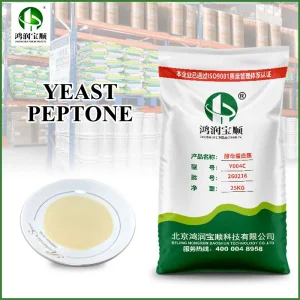
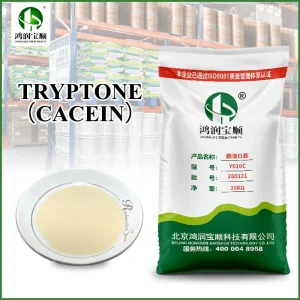
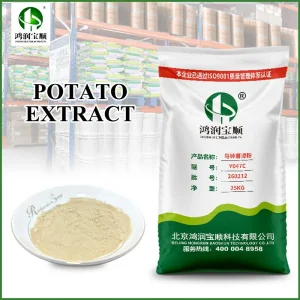
Bacteriological peptone is an indispensable organic nitrogen source in the global bioprocess, pharmaceutical research, clinical diagnostics, and food industries. Composed of highly soluble amino acids, peptides, and proteoses derived from the enzymatic digestion of proteinaceous substrates, it provides the fundamental building blocks for micro-organism growth, cell culture stability, and metabolic product yields.
As biotechnology shifts toward high-density microbial fermentation, metabolic engineering, and synthetic biology, the technical demand for raw materials with consistent chemical composition, low endotoxin levels, and structural homogeneity has scaled exponentially. Our primary production framework focuses on providing customizable peptones designed to meet these exacting scientific parameters.
Bacteriological peptones are not single chemical entities; they are complex biological fractions. The specific ratios of low molecular weight oligopeptides, free amino acids, nucleotides, and inorganic salts dictate the growth kinetics of micro-organisms. At Beijing Hongrun Baoshun Technology Co., Ltd., we use advanced pancreatic, peptic, and papain enzymatic hydrolysis techniques to carefully control the peptide molecular weight distribution.
By stabilizing pH buffering capacities and reducing levels of trace heavy metals and fermentable sugars, we ensure that batch-to-batch variation is minimized. This provides international laboratories and biotech manufacturers with the predictable cultivation profiles required for critical therapeutic and diagnostic workflows.
Beijing Hongrun Baoshun Technology Co., Ltd. (Established 2008) is a leading national High-tech Enterprise located in the China (Beijing) Pilot Free Trade Zone Science and Technology Innovation Area.
The production of biological media ingredients requires absolute process control to eliminate cross-contamination and variable enzymatic performance. At our modern production facility in the Qili Industrial Park in Langzhong, Sichuan (spanning Phase I and Phase II), we have implemented strict Factory 4.0 principles to digitize, monitor, and standardize our production lines.
To meet safety standards and prevent cross-contamination, we run separate, independent production lines for animal-derived and plant-derived raw materials.
Our computerized enzymatic reactors precisely manage temperature, pH adjustment curves, agitation speeds, and enzyme cleavage duration for uniform digestion profile outputs.
Multi-stage ultrafiltration, carbon decolorization, and vacuum concentration remove undesirable heavy metals, pigments, and macromolecules, ensuring complete solubility.
Our five collaborative subsidiaries—Beijing Yaoyou Technology, Sichuan Baoshun Biotechnology, Sichuan Romgee Biotechnology, Sichuan Yingwen Technology, and Sichuan Runxiaobao Technology—work in synergy. This integrated system coordinates R&D, quality control validation, bulk manufacturing, regulatory documentation, and global logistics, guaranteeing smooth supply chain operations for our customers.
The next generation of industrial fermentation requires high precision and strict regulatory compliance. We are continuously improving our processing capabilities to align with global biosafety, sustainability, and technological developments.
To eliminate the risk of transmissible spongiform encephalopathies (TSE/BSE) and meet regulatory requirements for biomanufacturing, our R&D division is expanding our plant-derived peptone portfolio. By optimizing the hydrolysis of non-GMO soy, wheat, and potato protein isolates, we produce plant peptones that match or exceed the performance of traditional animal peptones in supporting microbial biomass and recombinant protein yields.
Different micro-organisms utilize nitrogen sources differently. Fast-growing bacteria like Escherichia coli benefit from free amino acids and small di/tri-peptides, while complex eukaryotic expression systems require longer-chain proteoses and peptones. Our tech roadmap focuses on customizing peptide molecular weight profiles using size-exclusion chromatography (SEC) and HPLC validation.
High salt concentration (ash content) can inhibit microbial growth by increasing osmotic pressure in high-density bioreactors. We are upgrading our nanofiltration systems to decrease ash levels to less than 6%, yielding highly purified peptones that reduce cellular stress and maximize target metabolite expression.
We provide tailored solutions across different biotech verticals, ensuring that our raw materials deliver consistent results at every scale.
| Industry Vertical | Core Application | Recommended Peptone Grade | Key Performance Metrics |
|---|---|---|---|
| Biomedicines & Vaccines | Recombinant protein production, toxin generation, vaccine formulation. | Tryptone (Casein Digest), Yeast Peptone (Ultra-filtrated) | High clarity, low endotoxin levels, consistent growth profiles. |
| Probiotics & Cultures | Cultivating Lactobacillus, Bifidobacterium, and other microecological strains. | Soy Peptone, Yeast Peptone (Premium) | Rich in trace growth factors, high survival rates during freeze-drying. |
| Biochemical Engineering | Industrial amino acids, enzymes, organic acids. | Bacteriological Peptone (Tech Grade), Corn Steep Powder | Cost-effective nitrogen source, bulk availability, stable yields. |
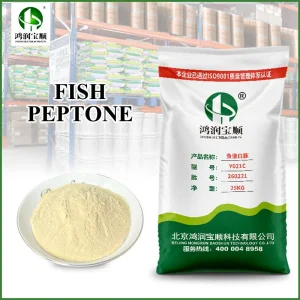
| Biological Agriculture | Bio-fertilizers, organic pest control agents, plant stimulants. | Fermented Soybean Meal, Fish Peptone | High organic nitrogen availability, promotes strong root colonization. |
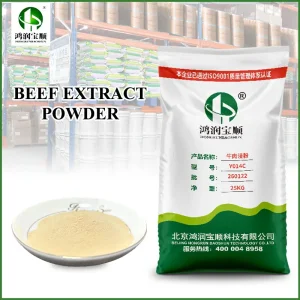
| Dehydrated Media | Standard diagnostic agar preparations, petri dish manufacturing. | Beef Peptone (High Purity), Casein Digest | Excellent solubility, neutral background color, stable pH. |
Procurement teams sourcing bacteriological media ingredients face complex challenges, including supply chain disruptions, regulatory compliance, and batch variation. At Beijing Hongrun Baoshun Technology Co., Ltd., we address these pain points with a standardized global service structure.
Verify these key parameters when sourcing bacteriological peptone:
Browse detailed answers to frequently asked technical and commercial questions about bacteriological peptones, quality assurance, and supply chain logistics.
Dietary proteins consist of long, folded polypeptide chains that are generally insoluble and difficult for micro-organisms to metabolize. Bacteriological peptones undergo controlled enzymatic hydrolysis, breaking down those large proteins into highly soluble, low-molecular-weight amino acids, proteoses, and peptones. This ensures rapid uptake of organic nitrogen by microorganisms in media formulations.
We minimize batch-to-batch variation by standardizing our raw material sourcing and using computerized, PLC-controlled digestion tanks. This setup monitors temperature, enzyme dosage, and pH levels in real time. Each batch must pass strict quality controls, including HPLC peptide mapping and total nitrogen checks, to verify consistency before leaving our facility.
Yes. We run independent animal- and plant-derived production lines at our Sichuan base. Our plant-derived options, including soy, wheat, and potato peptones, are processed in animal-free environments to eliminate BSE/TSE contamination risks and support clean-label biomanufacturing.
Ash content indicates the level of inorganic salts remaining after high-temperature combustion. High salt concentrations increase osmotic pressure in media, which can stress and inhibit sensitive micro-organisms. Our production lines use advanced purification to lower ash levels, which is particularly beneficial for high-density bioreactor systems.
We provide up to 500g of free product samples per item for verification and laboratory analysis. Customers only need to cover the shipping costs, which helps accelerate formulation approvals.
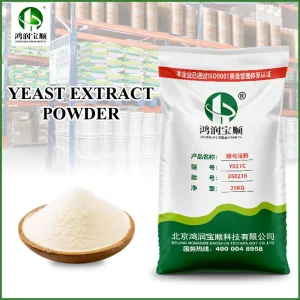
Yes, our peptones and yeast extract products hold MUI Halal certification, meaning they comply with global dietary and manufacturing requirements for halal-regulated bio-industries.
Our spray-dried peptone powders have a shelf life of 36 months when stored in their original, unopened packaging. Because they are highly hygroscopic, they should be kept in a cool, dry place (below 30°C) and protected from direct sunlight and humidity.
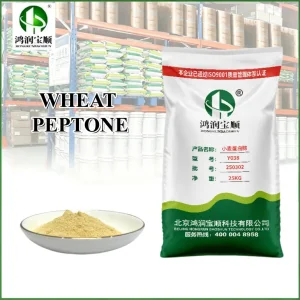
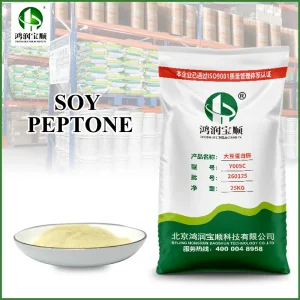
Wheat peptone is rich in glutamine, which is highly beneficial for cell growth, but it can require specialized filtration to achieve high clarity. Soy peptone offers excellent overall solubility and a balanced amino acid profile, making it a highly versatile alternative to animal-derived peptones.
 Hongrun Baoshun