Hongrun Baoshun
1. Industrial Butyric Fermentation: A Global Technical Whitepaper
Butyric fermentation represents a critical anaerobic metabolic pathway engineered using specialized bacterial strains—primarily from the genus Clostridium (such as Clostridium butyricum, Clostridium acetobutylicum, and Clostridium beijerinckii). In this process, carbohydrates are bio-converted into butyric acid, butanol, hydrogen, and carbon dioxide. As the global demand for bio-based chemicals and green fuels intensifies, understanding the metabolic pathways and nutrient requirements of butyric fermentation has become a top priority for bioprocess developers and industrial procurement managers alike.
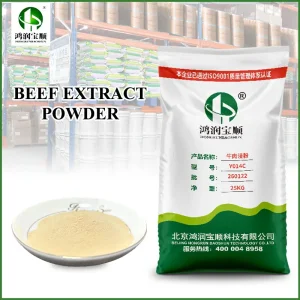
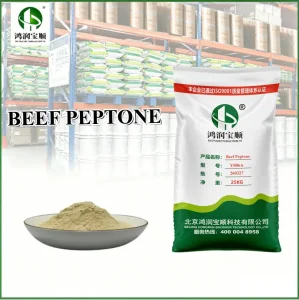
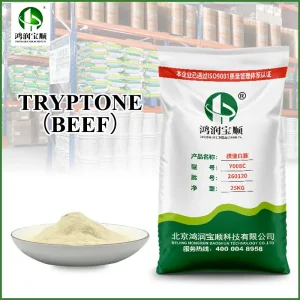
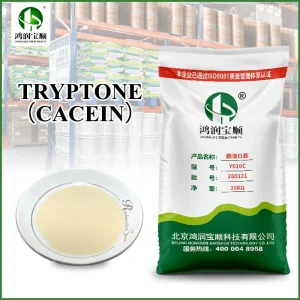
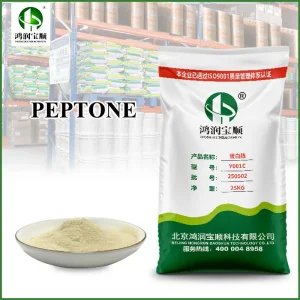
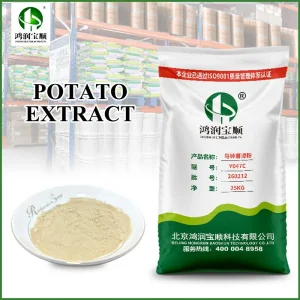
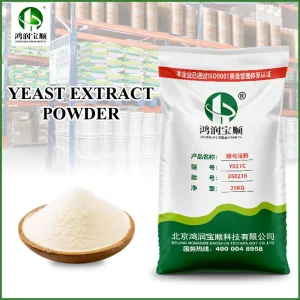
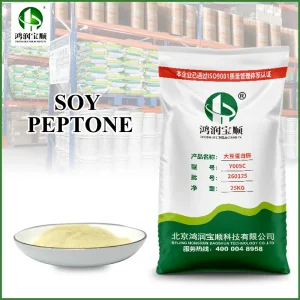
At the center of this bio-chemical synthesis lies the physiological requirement for a robust nitrogen substrate. Standard synthetic fertilizers do not suffice. The complex metabolic cascades of Clostridium strains require a delicate blend of free amino acids, small peptides, trace minerals, and vitamins (especially B-complex vitamins). This is where high-quality organic nitrogen sources—such as tryptone, peptones, yeast extracts, and beef extracts—become the decisive factor. They determine cell density, fermentation kinetics, and raw conversion yield parameters (grams of butyric acid per gram of substrate).
The Mechanism of Yield Optimization
In industrial-scale butyric fermentation, optimizing the Carbon-to-Nitrogen (C:N) ratio is crucial. Organic nitrogen inputs provided by our manufacturing facility (like yeast extract and casein peptones) prevent premature sporulation of Clostridium. Keeping the cells in their active, acidogenic vegetative growth phase significantly increases butyric acid accumulation, avoiding a shift to the solventogenic phase unless specifically designed for butanol co-production.
Globally, butyric acid is a core block for manufacturing cellulose acetate butyrate plastics, animal feed additives (calcium butyrate and sodium butyrate, which promote intestinal health), cosmetics, and flavor enhancers. Consequently, securing a stable, highly consistent supply chain of organic nitrogen components from a qualified Chinese manufacturer is the key to maintaining margin superiority and consistency across batches.