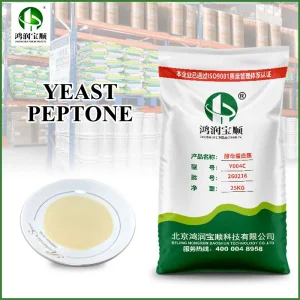
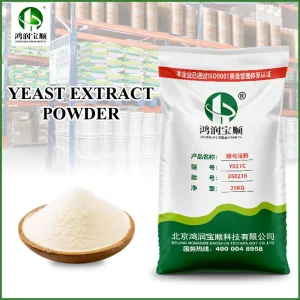
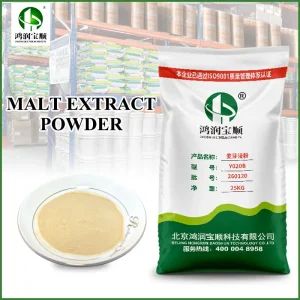
Explore our high-performance organic nitrogen sources. Engineered to support high-density cultivation and optimal fermentation yields across animal, plant, and yeast origins.
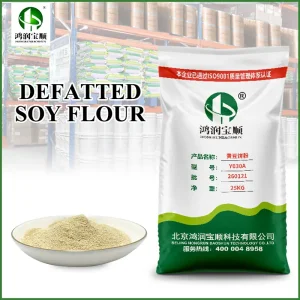
A comprehensive analysis of organic nitrogen feed strategies, supply chain localization, and technical raw material selection in modern industrial biotechnology.
Fed-batch fermentation stands as a cornerstone in modern industrial bioprocess engineering. Unlike simple batch systems that face substrate limitation or toxic metabolite accumulation, or continuous systems that present high risk of contamination and genetic drift, fed-batch bioreactors optimize cellular metabolism by feeding limiting nutrients incrementally. Among these nutrients, the choice and delivery of the organic nitrogen source determines the final cell density, recombinant protein yield, and enzyme activity.
Organic nitrogen sources, such as peptones, tryptones, yeast extracts, and malt extracts, supply not only elemental nitrogen but also essential free amino acids, short-chain bioactive peptides, vitamins, trace elements, and growth factors. These components directly feed cellular biosynthetic pathways, skipping energy-intensive de novo synthesis of amino acids and accelerating transition from the lag phase to the exponential growth phase. In high-density fed-batch operations, maintaining a consistent nutritional profile avoids regulatory metabolic shifts, such as the Crabtree effect or acetate accumulation in Escherichia coli expression hosts.
Utilizing high-purity, standardized nitrogen compounds stabilizes dissolved oxygen levels and pH drift by minimizing metabolic stress, directly facilitating upscale fermentation processes from laboratory test tubes to 100,000-liter industrial bioreactors.
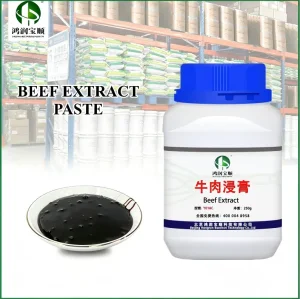
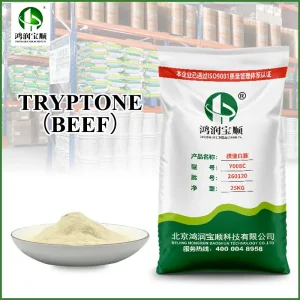
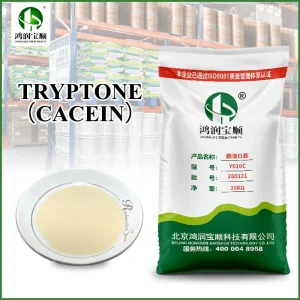
Biotechnology manufacturers must choose their raw materials based on host strain compatibility and downstream regulatory paths. Animal-derived peptones, such as beef peptone and pancreatic digests of casein (tryptones), are highly valued for their rich profiles of hydrophobic amino acids and bio-functional peptides. These are highly effective for cultivating fastidious pathogens and producing traditional vaccines. However, concerns regarding Transmissible Spongiform Encephalopathies (TSE/BSE) have driven massive adoption of plant-derived alternatives.
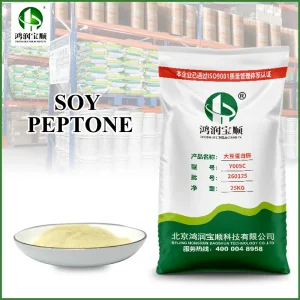
Soy peptone and wheat peptone offer excellent plant-derived alternatives. They provide balanced concentrations of carbohydrates, minerals, and nitrogen sources that are suitable for high-yielding cultures of yeasts and filamentous fungi. Yeast extract, containing high amounts of B-complex vitamins and nucleic acid precursors, acts as a universal catalyst for growth. Balancing animal, plant, and yeast nitrogen sources in media formulations represents a key approach to customizing bacterial, fungal, or archaeal growth environments.
Global biopharmaceutical, enzyme, and biofuel producers require supply chains that mitigate the risk of production shutdowns. Operating from the China (Beijing) Pilot Free Trade Zone and utilizing a 40,000 square meter production facility in Langzhong, Sichuan, Beijing Hongrun Baoshun Technology Co., Ltd. demonstrates the logistical and manufacturing advantages of the Chinese biotechnology sector.
Our dedicated, segregated lines for plant-derived and animal-derived material synthesis eliminate any chance of cross-contamination. By securing regional agricultural and primary raw materials in Sichuan and maintaining a massive 20,000 square meter dry storage facility, we cushion our clients from global supply shocks. Large batch capacities ensure that international partners receive consistent batch characteristics, avoiding the need for continuous medium recalibration at the bioreactor level.
When purchasing fermentation ingredients, compliance is non-negotiable. To serve biopharma, probiotic, and biological feed markets across Europe, North America, Southeast Asia, and the Middle East, our entire operation complies with rigorous global auditing requirements. Dual certifications of ISO 9001:2015 and MUI Halal provide assurance of standardized processing, clean-in-place validation, and absolute trace traceability.
We accommodate global sourcing teams by providing full regulatory dossiers, including Certificates of Analysis (CoA) for every single batch, safety data sheets (SDS), non-GMO certificates for soy products, and TSE/BSE-free statements for animal-free lines. Furthermore, our capability to offer up to 500g of free sample allows prospective buyers to conduct pilot-scale trial runs and analytical verification of our molecular weight distribution, nitrogen levels, and amino acid profiles prior to commercial procurement commitments.
Our raw materials serve as primary components across multiple sectors, satisfying both pharmaceutical guidelines and industrial performance benchmarks.
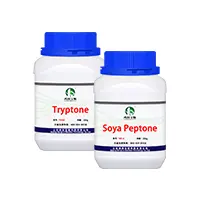
Our ultra-pure peptones and yeast extracts supply optimal nutrition for antibiotic synthesis, vaccine cell lines, and therapeutic protein production.
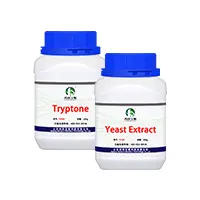
We provide highly bioavailable peptones that accelerate microbial pathways to yield high-purity lysine, threonine, and glutamic acids.
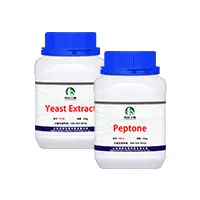
High-nitrogen inputs that stimulate probiotic strains and microbes, enhancing nutrient bioavailability in animal feeds and organic bio-fertilizers.
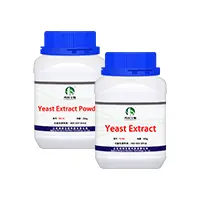
Supplying essential plant-derived proteins and yeasts for beneficial microbial applications that maintain aquaculture water quality and support gut health.
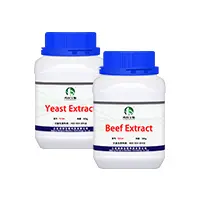
Nourishing tailored microbial formulations that perform complex bioremediation, toxic waste degradation, and sewage treatment operations.
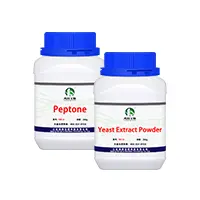
Providing high-nitrogen inputs that support mycelial growth and ensure high-density fruiting body yields in industrial mushroom cultivation.
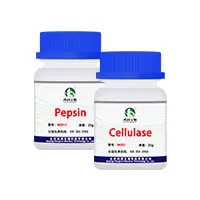
Optimizing organic nitrogen ratios to maximize cell density and enhance secretion yields of proteases, amylases, and cellulases in fed-batch systems.
Our ingredients support cell wall integrity and maintain high viability levels in live probiotics, including Lactobacillus and Bifidobacterium strains.
Different biological applications require unique raw material features. We collaborate closely with you to adjust hydrolysis degrees, filtration levels, and packaging specifications.
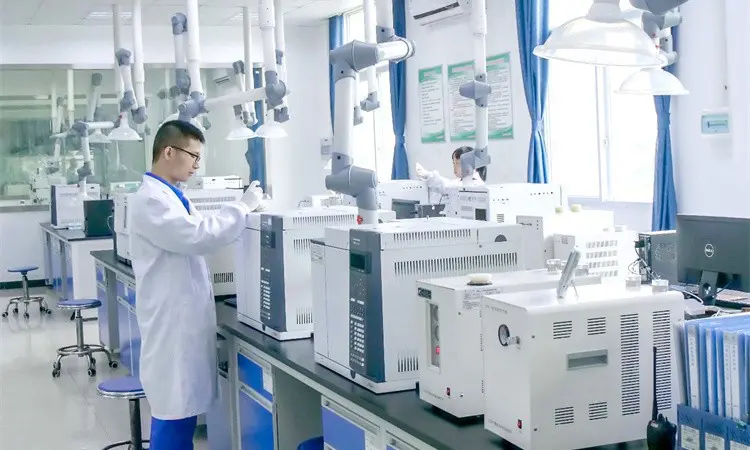
We provide full-cycle technical support, including pre-sales consultation, on-site debugging, after-sales maintenance, and troubleshooting.
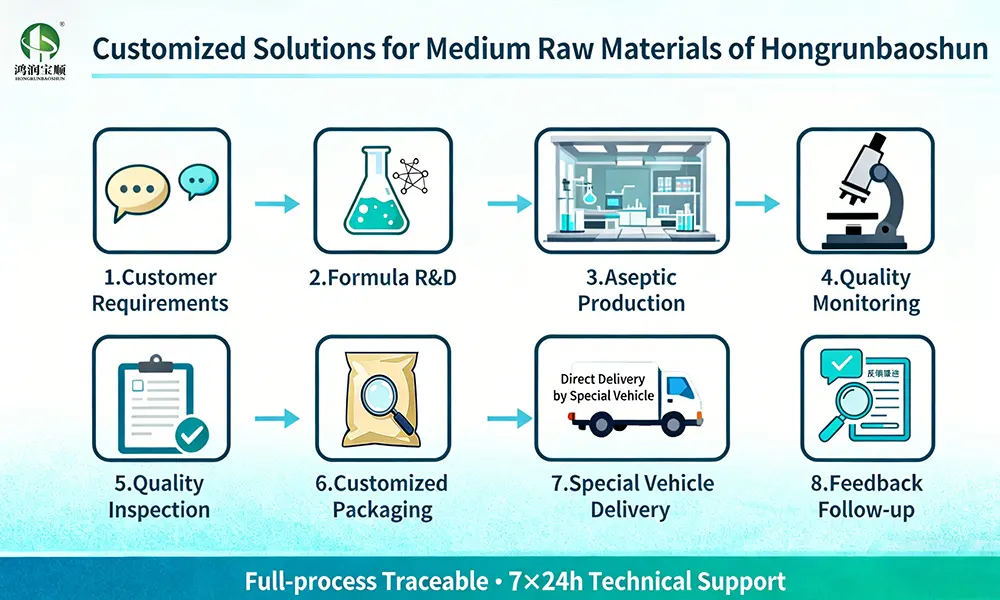
We support personalization based on your requirements, covering product formulation, functional specifications, and packaging styles.
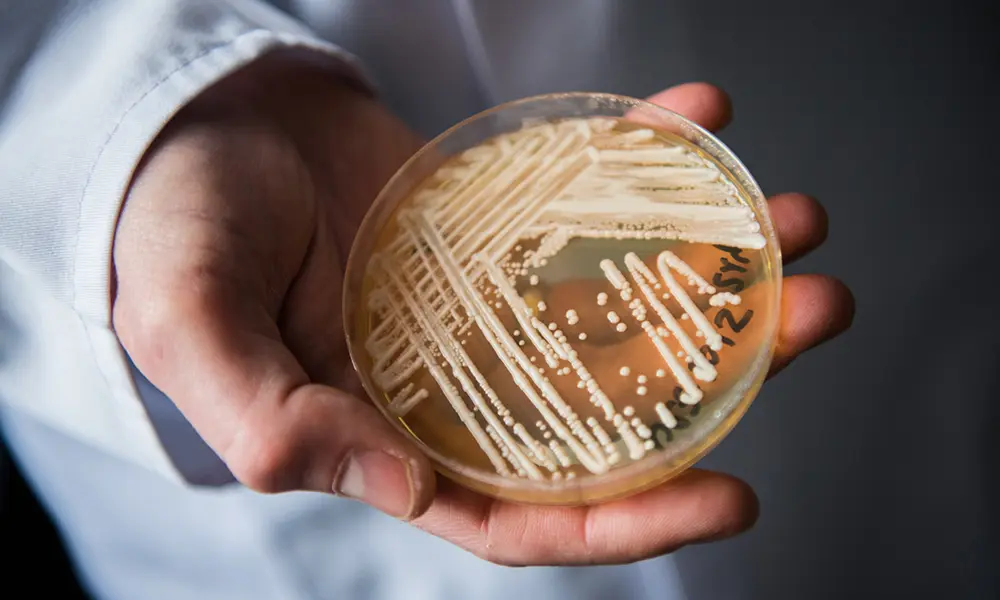
Strict quality control systems and standardized production processes guarantee batch consistency, purity, and performance.
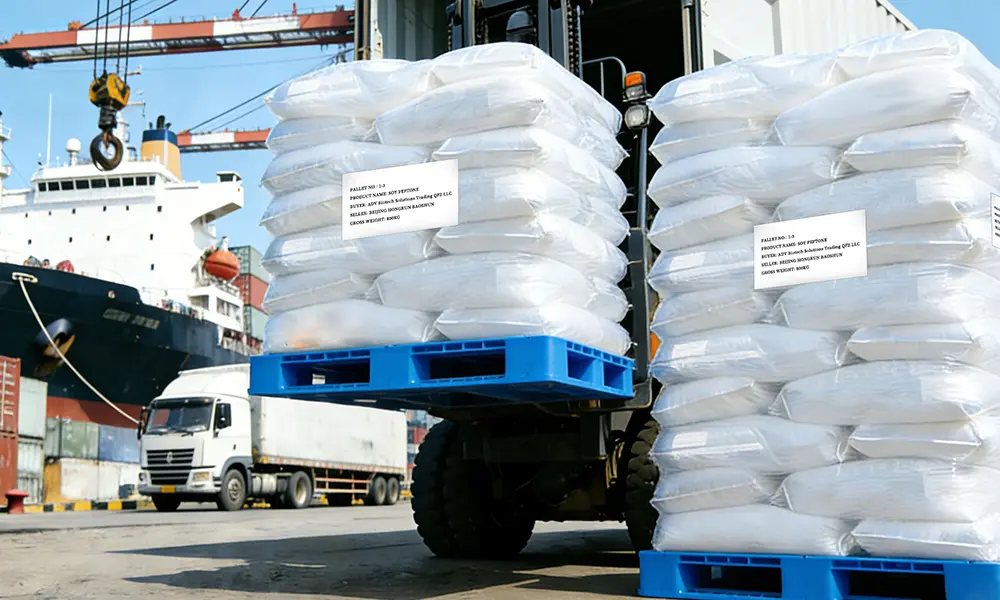
Integrated supply chain networks and regional warehouses secure fast order handling, minimizing your procurement cycles.

We offer cost-effective pricing strategies and flexible cooperation models, supporting volume discounts and long-term supply contracts.
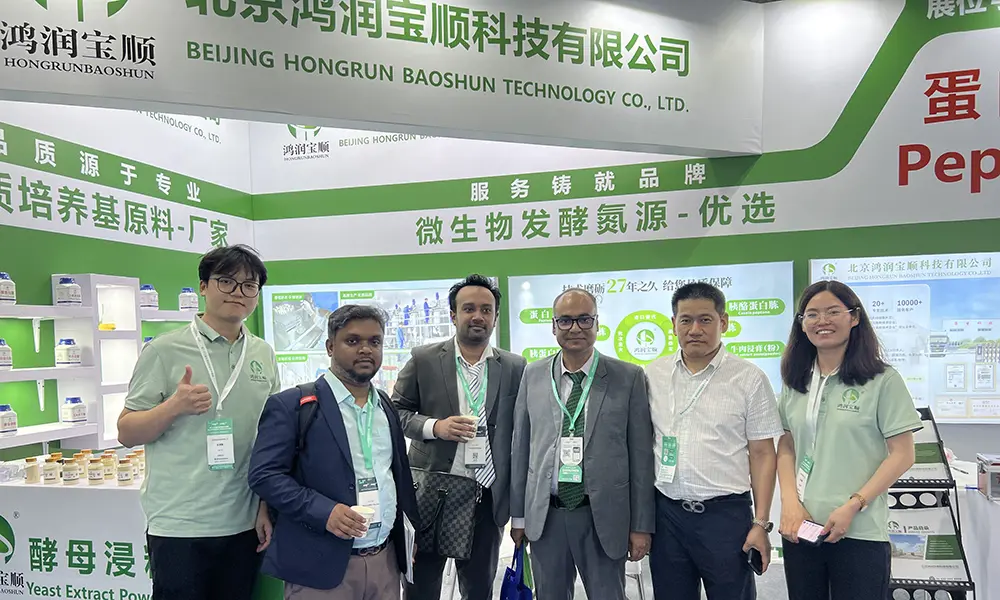
Our international account teams provide clear and prompt communication in English and multiple regional languages.

We stand behind our production quality. Our warranty framework covers batch replacement, technical adjustments, and routine optimization audits to keep your bioreactors running smoothly.
Get professional insights from our biotech engineering team regarding nitrogen selection, consistency management, and regulatory compliance.
Inorganic nitrogen sources (like ammonium salts) require microbes to use energy-intensive intracellular pathways to synthesize amino acids. In contrast, organic nitrogen sources like peptones, tryptones, and yeast extracts deliver pre-formed amino acids, short peptides, vitamins, and minerals directly. This saves cellular ATP, reduces cellular stress, and allows organisms to dedicate metabolic energy toward producing target proteins or secondary metabolites, thereby increasing overall fermentation yields.
Consistency is managed by controlling raw material sourcing and critical manufacturing parameters. Operating our 40,000 square meter factory in Sichuan with automated hydrolysis reactors allows us to standardize hydrolysis temperature, enzyme concentration, processing duration, and filtration limits. We analyze every batch via HPLC to confirm consistent molecular weight distribution, and verify total nitrogen, amino nitrogen, and trace element profiles before release.
In many applications, yes. Soy peptone and wheat peptone are excellent plant-derived alternatives that provide high concentration carbohydrates and stable peptide profiles. They are widely used to cultivate fungi, yeasts, and recombinant bacteria, and are preferred in modern biomanufacturing to avoid BSE/TSE contamination risks. However, for certain fastidious pathogens or delicate mammalian cell lines, animal-derived proteins like casein tryptone or beef extract remain necessary due to their specific amino acid profiles and growth factors.
We provide full documentation for global supply chains, including Certificates of Analysis (CoA), non-GMO certification, allergen lists, TSE/BSE-free statements for plant-derived and casein-derived products, and material safety data sheets (SDS). Additionally, we are fully certified under ISO 9001:2015 and MUI Halal, which helps simplify international regulatory and quality control compliance.
We offer up to 500g of free samples for our major products (excluding international shipping costs). Sourcing teams can request samples by contacting our technical team. This allows you to evaluate solubility, clarity, and growth performance in your own laboratory or pilot-scale bioreactor before committing to commercial-scale orders.
Our Sichuan factory features Phase I and Phase II developments covering over 40,000 square meters. It includes a 20,000 square meter storage area to hold ample raw materials and finished stock. By using independent, segregated production lines for animal and plant processing, we ensure uninterrupted production capability. Our direct connections to major shipping hubs also help secure efficient international delivery.
Review our specialized yeast extracts, plant peptones, and media components, designed for industrial and laboratory-scale fermentation setups.
 Hongrun Baoshun