Explore our primary selection of industrial-grade organic nitrogen sources, peptones, extracts, and premium fermented soybean meal designed for veterinary feeds and bio-culture applications.
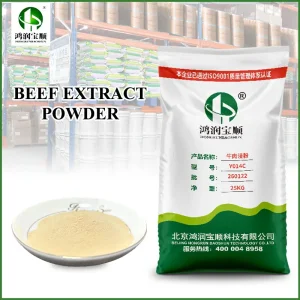
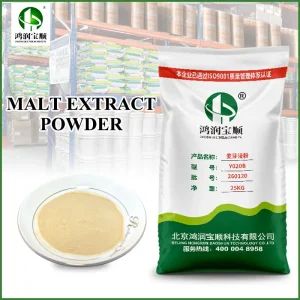
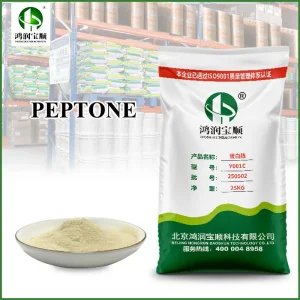
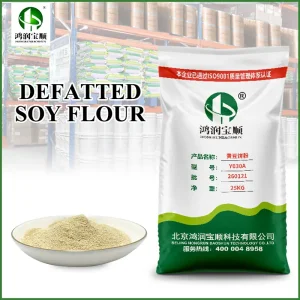
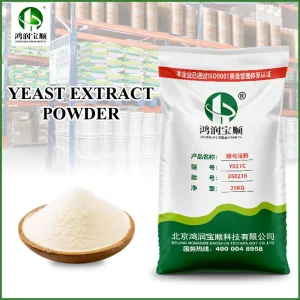
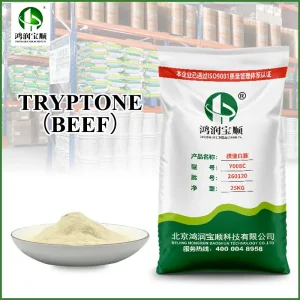
Soybean meal stands as the undisputed global baseline for crude protein and essential amino acids in modern livestock production. However, raw soybean meal possesses biological limitations—principally, anti-nutritional factors (ANFs) like trypsin inhibitors, lectins, and oligosaccharides that disrupt the sensitive hindgut fermentation of equines. As leading manufacturers, we bridge the gap between crop cultivation and veterinary bio-efficiency by implementing advanced solid-state microbial fermentation.
Traditional equine feeds often cause low protein digestibility. Our microbial fermentation process utilizes specific Bacillus subtilis and yeast strains to hydrolyze complex soy proteins, reducing trypsin inhibitor activity by over 90% and ensuring clean amino acid uptake in the horse's small intestine.
By breaking down macro-proteins into small-molecule peptides (molecular weight < 1000 Daltons), our fermented soybean meal products bypass long digestion cycles, supporting rapid muscle recovery and skeletal development in racing and breeding horses.
Equines are hindgut fermenters. Unrefined soy carbohydrates can ferment uncontrollably in the cecum, causing colic or laminitis. Our biological pre-fermentation consumes these problematic sugars, producing lactic acid and beneficial metabolites that stabilize the gut flora.
Sourcing trends are shifting rapidly toward specialized, highly digestible protein resources.
The global equine feed market is transitioning from bulk agricultural commodities to high-performance, functional ingredients. While traditional raw soybean meal remains a staple, premium performance horse diets, rehabilitation feeds, and young foal starters demand clean, high-solubility nitrogen profiles.
China, through structural modernization of its chemical and fermentation industries, has emerged as a global hub for high-grade organic nitrogen products. Our Sichuan production base leverages vast agricultural raw material pipelines and refined biotechnology processes to produce feed materials that rival traditional European and North American alternatives at superior cost efficiency.
Established in 2008 in the Science and Technology Innovation Area of the China (Beijing) Pilot Free Trade Zone, we have grown into a premier high-tech enterprise integrating R&D, advanced manufacturing, and global sales.
With strategic expansion in 2018 to the Qili Industrial Park in Langzhong, Sichuan, our facility encompasses independent production lines for both animal- and plant-derived products. We operate under strict ISO 9001:2015 quality management and hold MUI Halal certification. Our operational philosophy is built on the tenet: "no substandard products leaving the factory." Supported by our subsidiaries—Beijing Yaoyou Technology, Sichuan Baoshun Biotechnology, Sichuan Romgee Biotechnology, Sichuan Yingwen Technology, and Sichuan Runxiaobao Technology—we supply raw materials to major industries including biomedical manufacturing, food processing, animal feeds, and microbial fermentation globally.
Exporting agricultural bio-ingredients globally requires absolute adherence to veterinary regulations, biosecurity metrics, and religious compliance.
Every step of our production workflow, from seed screening and raw soybean selection to fermentation, concentration, spray drying, and packaging, is mapped and audited under the ISO 9001 standard. Traceability is maintained for every batch.
To cater to the global Islamic community and feed markets in Southeast Asia and the Middle East, our entire processing line has been audited and certified by MUI Halal, ensuring zero animal cross-contamination on our plant-based lines.
We implement strict pathogen screenings (including Salmonella, E. coli, and mycotoxins) utilizing high-performance liquid chromatography (HPLC) and automated microbiological testing kits, providing a certificate of analysis (COA) for every shipment.
Different stages of a horse's life require tailored amino acid strategies. Our fermented soybean meal provides the nutritional base for diverse feed formats.
Young foals have limited gut capacity and are highly sensitive to indigestible fibers. Integrating small-molecule fermented soy proteins offers high amino acid bioavailability, promoting bone development and preventing early-stage developmental orthopedic disease (DOD).
High-performance horses demand intensive muscle protein synthesis. The balanced concentration of Lysine, Threonine, and Methionine present in our processed soybean products ensures muscle recovery post-exertion, preventing muscle wastage and maintaining body condition scores.
Following veterinary surgeries, colic recovery, or antibiotics therapy, horses require easily assimilable nutrition that does not stress the cecum. Lactic acid-enriched fermented soybean meal stabilizes the digestive tract pH and supports nutrient absorption.
As an innovation-driven enterprise, Beijing Hongrun Baoshun Technology Co., Ltd. continuously refines its production technologies.
Transitioning from traditional static fermentation trays to automated, rotating bioreactors. This optimization ensures uniform moisture and temperature distribution, yielding a highly consistent degree of protein hydrolysis across production batches.
Co-culturing specific enzyme-secreting bacteria to target and degrade specific allergenic proteins like glycinin. The goal is to produce customized feed additives tailored specifically to equine gastrointestinal physiology.
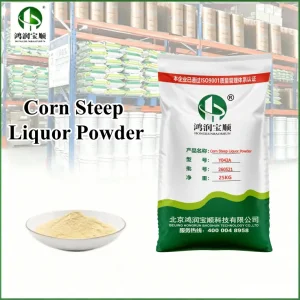
Leveraging local Sichuan agricultural co-products (such as corn steep liquor and potato starch extracts) to optimize nutrient substrates in our plant lines, lowering the carbon footprint per ton of manufactured organic feed materials.
Addressing the core procurement and nutritional queries from global feed formulators and horse owners.
From beef-derived biological growth factors to plant-derived nitrogen sources, explore our full range of certified industrial compounds.
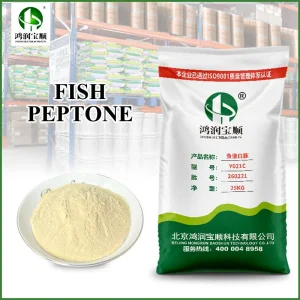
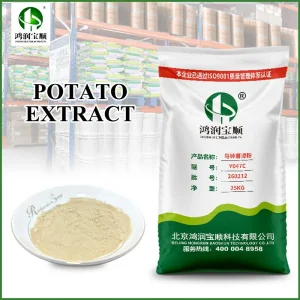
 Hongrun Baoshun