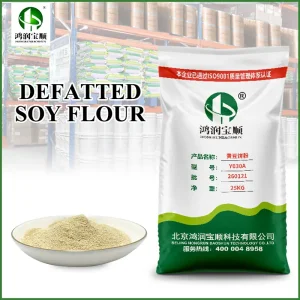
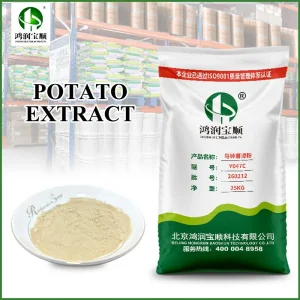
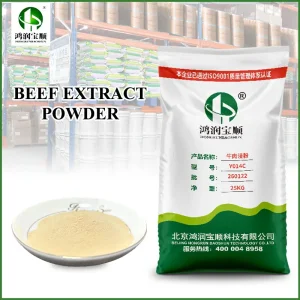
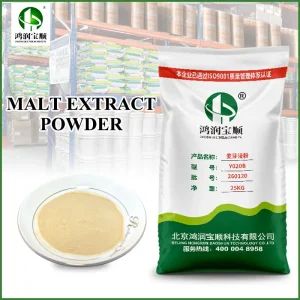
Established in 2008 and rooted within the China (Beijing) Pilot Free Trade Zone Science and Technology Innovation Area, Beijing Hongrun Baoshun Technology Co., Ltd. has evolved into a premier high-tech enterprise integrating advanced biotechnology research and development, large-scale industrial production, and global supply distribution. Certified as a national "High-tech Enterprise" and a "Zhongguancun High-tech Enterprise," we maintain strict alignment with global biochemical standards to supply the biopharma, diagnostics, and fermentation industries.
In 2018, we expanded our manufacturing infrastructure to the Qili Industrial Park in Langzhong, Sichuan. The Phase I and Phase II factories collectively exceed 40,000 square meters of high-specification production floor area, complemented by a 20,000 square meters digital storage facility. Operating five specialized subsidiaries—including Beijing Yaoyou Technology, Sichuan Baoshun Biotechnology, Sichuan Romgee Biotechnology, Sichuan Yingwen Technology, and Sichuan Runxiaobao Technology—we manage fully separated, isolated animal-derived and plant-derived production lines. Upholding international quality standards, all our sites operate under strict ISO 9001:2015 quality management systems and hold verified MUI Halal certifications.
D-Mannitol (C6H14O6), a six-carbon sugar alcohol, is highly valued across the pharmaceutical, food, chemical, and medical diagnostics sectors. Traditionally, mannitol is manufactured via the catalytic hydrogenation of fructose or glucose-fructose syrups at elevated temperatures and pressures, utilizing Raney nickel catalysts. However, this chemical method exhibits a major technical drawback: lack of stereospecificity. The process yields a mixture of D-sorbitol and D-mannitol, typically in a 50:50 ratio. Separating these isomers requires complex, energy-intensive chromatographic processes, crystallization loops, and solvent recycling, significantly driving up processing costs.
In contrast, microbial fermentation offers an elegant, highly stereospecific alternative. Under optimized bioreactor conditions, specific microorganisms synthesize pure D-mannitol directly from hexose substrates with virtually zero co-production of sorbitol. This biological route simplifies downstream processing (DSP), reduces energy consumption, and aligns with modern green chemistry mandates. As global buyers transition to biological ingredients to meet sustainability goals, biological mannitol production has evolved from a niche laboratory method into a highly optimized, multi-ton industrial operation.
Elimination of sorbitol separation steps minimizes downstream unit operations, yielding up to a 35% reduction in total manufacturing capital expenditure.
Metabolic pathways of heterofermentative lactic acid bacteria and engineered yeasts guarantee 99.8%+ pure D-mannitol free of sugar alcohol isomers.
By running at ambient pressures and temperatures between 30°C and 37°C, bioreactor runs reduce greenhouse gas emissions by up to 50% compared to chemical synthesis.
The efficiency of industrial mannitol fermentation is fundamentally determined by the selection of the producer microorganism and the metabolic control of its carbon and nitrogen assimilation. Industrially viable strains fall into three primary categories:
Strains such as Leuconostoc mesenteroides, Lactobacillus intermedius, and Fructobacillus species are the classical gold standards for mannitol synthesis. In these organisms, fructose acts as both a carbon source for cell growth and an electron acceptor. The key enzyme, mannitol dehydrogenase (MDH), reduces D-fructose to D-mannitol while oxidizing NADH to NAD+. This maintains the intracellular redox balance. Under optimal glucose-fructose co-substrate feeding, conversion yields of fructose to mannitol can exceed 95% mol/mol.
Modern synthetic biology has paved the way for metabolic engineering of yeasts such as Yarrowia lipolytica and Saccharomyces cerevisiae. By overexpressing native and heterologous MDH genes, disrupting genes responsible for mannitol catabolism (such as mannitol dehydrogenase/oxidase loops), and optimizing glucose transporter channels, engineered yeasts can utilize cheap lignocellulosic hydrolysates or crude glycerol to accumulate high concentrations of mannitol in fed-batch systems.
Filamentous fungi, including Aspergillus niger and Penicillium species, utilize alternative pathways involving mannitol-1-phosphate dehydrogenase. These strains convert glucose-6-phosphate to mannitol-1-phosphate, followed by dephosphorylation. While highly tolerant to osmotic pressure, these processes require rigorous oxygenation profiles, making them highly dependent on optimized media and bioreactor design.
| Microorganism Category | Representative Strains | Optimal Carbon Source | Conversion Yield (Fructose) | Aerobic / Anaerobic | Downstream Complexity |
|---|---|---|---|---|---|
| Heterofermentative LAB | Lactobacillus intermedius | Glucose + Fructose (1:2 ratio) | 90% – 98% | Anaerobic / Microaerophilic | Low (Minimal byproducts) |
| Engineered Yeast | Yarrowia lipolytica | Glycerol / Glucose / Fructose | 75% – 88% | Strictly Aerobic | Medium (Requires cell separation) |
| Filamentous Fungi | Aspergillus niger | Sucrose / Starch Hydrolysates | 60% – 70% | Aerobic | High (Mycelium separation needed) |
High-yield mannitol fermentation cannot rely on carbon sources alone. Lactic acid bacteria are fastidious organisms; they lack the metabolic pathways to synthesize many essential amino acids, purines, pyrimidines, and B-complex vitamins. Consequently, the addition of complex organic nitrogen sources is critical to ensure high cell density, rapid biomass accumulation, and elevated enzyme expression.
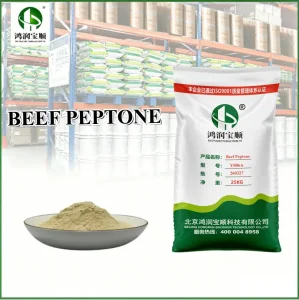
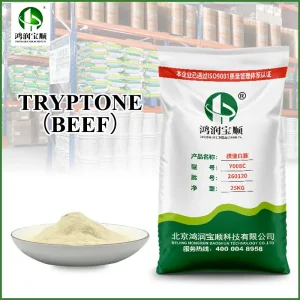
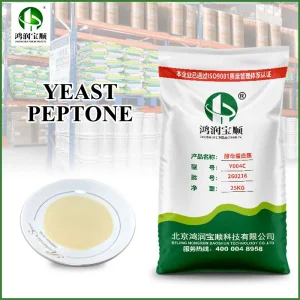
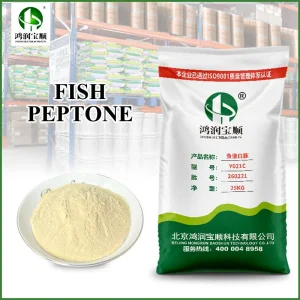
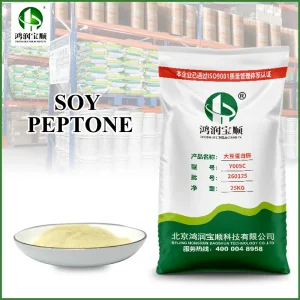
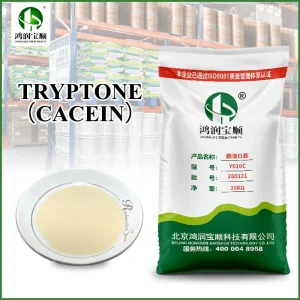
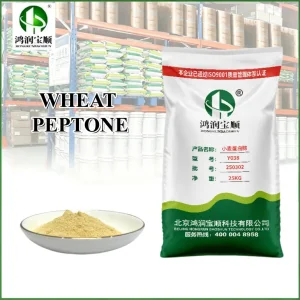
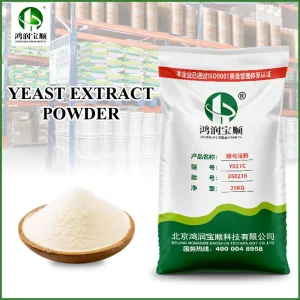
This is where the specialized bio-fermentation raw materials of Beijing Hongrun Baoshun Technology Co., Ltd. play an instrumental role. By supplying high-purity peptones, tryptones, and yeast extracts, we provide the building blocks needed to maximize industrial mannitol fermentation performance:
Extremely rich in water-soluble vitamins (especially B-complex), nucleotides, and free amino acids. Yeast extract acts as a highly effective growth promoter for Leuconostoc and Lactobacillus strains, accelerating metabolic rates and shortening total fermentation batch cycle times.
Derived from enzymatic digestion of animal proteins, these raw materials supply balanced polypeptide and oligopeptide profile lines. These nitrogenous precursors support cellular cell-wall maintenance and sustain viability under the high osmotic stress induced by high concentrations of sugar alcohols.
Crucial for manufacturers targeting non-animal origins, Halal-compliant pipelines, or GMO-free certifications. Plant-derived soy and wheat peptones provide rich organic nitrogen without introducing Transmissible Spongiform Encephalopathy (TSE) or Bovine Spongiform Encephalopathy (BSE) safety concerns.
Our independent manufacturing lines in Sichuan ensure that each batch of animal and plant peptone meets strict molecular weight distribution targets. This prevents variability in bacterial growth curves between fermentation runs, ensuring predictable and high-yield mannitol conversion rates.
China has established itself as the global hub for industrial fermentation, driven by a convergence of raw material availability, advanced manufacturing infrastructure, and specialized technical expertise. Chinese factories leverage highly integrated industrial zones to optimize costs at every stage of the supply chain.
Our Sichuan factory features advanced spray dryers, enzymatic reaction tanks, and automated packaging lines that operate 24 hours a day. With over 40,000 square meters of dedicated space, we run isolated processing lines for plant and animal materials to prevent cross-contamination.
This large-scale infrastructure allows us to maintain stable pricing and buffer stocks, shielding our global partners from supply chain volatility.
Fermentation-derived mannitol serves critical functions across diverse high-value industries. Because of its unique physical and chemical properties, substitution by other polyols is often impossible:
Due to its low hygroscopicity, excellent compressibility, and pleasant cooling effect in the mouth, mannitol is the premium choice for orally disintegrating tablets (ODTs), chewable formulations, and moisture-sensitive active pharmaceutical ingredients (APIs).
Mannitol acts as a crystalline bulking agent during freeze-drying (lyophilization) of proteins, peptides, and monoclonal antibodies. It prevents protein denaturation and collapse of the cake structure, maintaining therapeutic potency.
Infused intravenously, mannitol solutions increase blood plasma osmolality. This promotes the flow of water from tissues into interstitial fluid and blood, making it a critical treatment for reducing intracranial and intraocular pressure.
With a sweetness profile approximately 60% of sucrose, low caloric value (1.6 kcal/g), and non-cariogenic properties, mannitol is an ideal ingredient for sugar-free chewing gum, dietary foods, and coatings.
Procuring fermentation-grade mannitol or the raw materials (peptones, extracts) for its production requires a rigorous compliance assessment. International buyers must prioritize three primary validation standards to ensure clinical and food safety:
For pharmaceutical and diagnostic applications, materials must comply with the current monographs of the United States Pharmacopeia (USP), European Pharmacopoeia (EP), and Japanese Pharmacopoeia (JP). For food ingredients, compliance with the Food Chemicals Codex (FCC) is required. Additionally, factories must hold ISO 9001:2015 certifications, and products must possess MUI Halal and Kosher declarations to satisfy diverse global consumer bases.
In parenteral (injectable) applications, endotoxin levels must be strictly controlled, typically under 0.04 EU/mg. This requires raw materials and process water (Water for Injection grade) to be free of gram-negative bacterial contaminants. Raw materials such as beef peptones and yeast extracts must undergo validated ultrafiltration steps to remove high-molecular-weight pyrogens.
Industrial fermentation inputs can introduce trace elemental impurities. Procurement departments must audit suppliers for heavy metal content (Lead, Arsenic, Cadmium, and Mercury limits must typically be below 1 ppm total). High-performance liquid chromatography (HPLC) profiles must accompany each shipment to verify the absence of residual reducing sugars, which can cause Maillard browning in final formulations.
No two bioreactor setups are identical. Global procurement teams should seek manufacturers capable of providing customized peptone hydrolysis profiles (e.g., custom molecular weight distribution curves) to optimize local strain productivity. We support this validation phase by providing free sample evaluation packages up to 500g per product, allowing buyers to verify performance in their small-scale pilot fermenters before confirming bulk orders.
As the biotechnology sector undergoes rapid digital and biological transformation, several emerging trends are reshaping the mannitol fermentation landscape:
To optimize carbon utilization, researchers are developing co-culture systems combining heterofermentative and homofermentative bacteria. This strategy converts the byproduct lactic acid into high-value metabolites, achieving close to 100% atom economy from input sugars.
Transitioning from batch and fed-batch fermentation to continuous running systems using immobilized cell reactors. By trapping yeast or bacterial cells in alginate matrices, factories can run fermenters continuously for weeks, maximizing space-time yield.
Using CRISPR-Cas9 genetic editing to construct "chassis genomes" in industrial yeasts. These strains are optimized to thrive at high temperatures (up to 42°C), reducing the cooling energy footprint of industrial-scale fermenters in warmer climates.
Chemical synthesis involves the catalytic hydrogenation of fructose/glucose syrups, which yields equal parts D-sorbitol and D-mannitol. This requires energy-intensive separation. Fermentation uses stereospecific enzymes (MDH) within microorganisms, converting fructose directly into D-mannitol with minimal or no sorbitol byproducts, simplifying downstream purification.
Microorganisms like lactic acid bacteria (LAB) have limited biosynthetic capabilities and cannot synthesize many required growth factors. High-quality organic nitrogen sources, such as peptones, tryptones, and yeast extracts, provide the essential amino acids, vitamins, and minerals needed to maintain high biomass and enzyme activity.
It must comply with the USP, EP, or JP monograph specifications, including strict limits on endotoxins (typically <0.04 EU/mg for parenteral use), heavy metals, and residual solvents. The manufacturing site must be certified under ISO 9001:2015, and for many global markets, MUI Halal and Kosher certifications are also required.
Yes. Modern plant peptones (such as soy and wheat peptones) are processed using advanced enzymatic hydrolysis to mimic the peptide profile of animal proteins. They provide equivalent nitrogen availability while satisfying demands for animal-free, Kosher, and Halal-compliant production.
We operate independent, highly automated production lines for animal and plant materials at our 40,000 square meter factory in Sichuan. Every batch undergoes strict quality monitoring and inspection under an ISO 9001:2015 framework, adhering to our standard of "no substandard products leaving the factory."
 Hongrun Baoshun