Explore our leading selection of industrial-grade organic nitrogen sources optimized for high-yield microbial cultures.
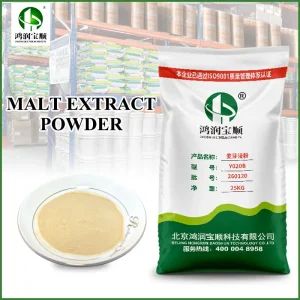
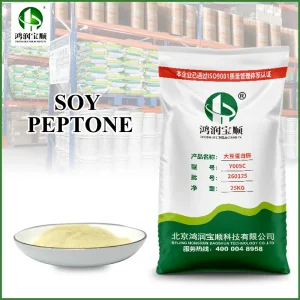
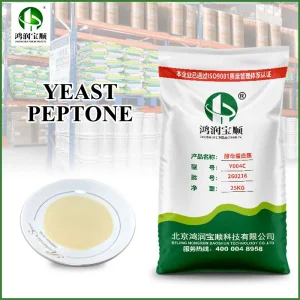
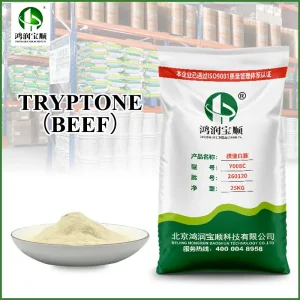
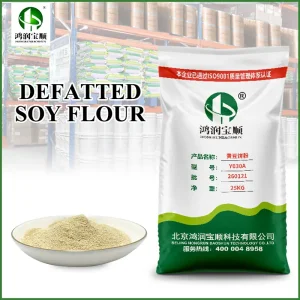
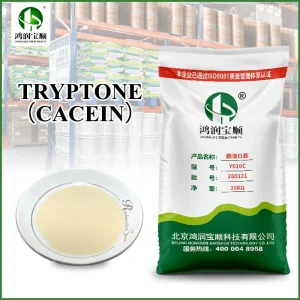
Microbial fermentation is a fundamental metabolic process where microorganisms—such as bacteria, fungi, and yeast—convert organic substrates (typically carbohydrates and hydrocarbons) into valuable chemical compounds, energy, and biomass in the absence or controlled presence of oxygen. Historically used for preservation and food production, the modern industrial meaning of microbial fermentation has transitioned into a highly sophisticated bio-manufacturing tool. Today, it serves as the backbone of the global bioeconomy, synthesizing therapeutics, enzymes, organic acids, bioplastics, and specialized agricultural nutrients.
From a formulation and manufacturing perspective, the success of any industrial fermentation run hinges on the nutritional medium. Underneath this biological mechanics lies the critical requirement for high-availability organic nitrogen. Microorganisms do not merely require carbon for energy; they necessitate complex molecular structures—specifically peptides, free amino acids, nucleotides, vitamins, and trace elements—to assemble metabolic pathways, accelerate replication, and synthesize target metabolites efficiently.
"Without high-grade nitrogen sources like customized peptones, yeast extracts, and malt powders, cellular yield decreases, and secondary metabolite pathways fail to reach commercial scale."

Pioneering the synthesis and supply of premium-grade biological growth factors and fermentation media ingredients since 2008.

Established in 2008, Beijing Hongrun Baoshun Technology Co., Ltd. took root in the Science and Technology Innovation Area of the China (Beijing) Pilot Free Trade Zone. Driven by rigorous scientific research, we have evolved into a state-level high-tech enterprise, integrating advanced R&D, standardized production, and global commercialization. We hold dual prestigious status as a national "High-tech Enterprise" and a "Zhongguancun High-tech Enterprise", demonstrating our status as a trusted pillar of industrial bioprocess supply.
In 2018, we scaled our manufacturing footprint to the Qili Industrial Park in Langzhong, Sichuan. Spanning a combined Phase I & Phase II plant area exceeding 40,000 square meters, supported by 20,000 square meters of modern warehousing, our facility operates separate, independent manufacturing lines for animal-derived and plant-derived ingredients. This strict segregation ensures total control over allergen crossover and complies with rigorous international regulatory frameworks.
Through our five dedicated subsidiaries—Beijing Yaoyou Technology, Sichuan Baoshun Biotechnology, Sichuan Romgee Biotechnology, Sichuan Yingwen Technology, and Sichuan Runxiaobao Technology—we maintain complete vertical integration over our supply chain. This robust corporate structure allows us to offer extensive custom blending, bulk packaging, and analytical services under certified global systems:
Our comprehensive quality management framework governs every process, from raw material inspection and enzyme dosing to spray drying, ensuring zero-defect manufacturing.
We strictly adhere to international religious and lifestyle standards, offering certified plant-derived and yeast-derived ingredients for global food and pharmaceutical industries.
Dual-facility layouts completely separate animal and plant extractions. This eliminates cross-contamination risks and meets strict biotech auditing protocols.
How high-quality raw materials drive the efficiency and scalability of modern industrial biomanufacturing.
The global demand for industrial microbial fermentation has surged due to advancements in synthetic biology and precision fermentation. Industries that traditionally relied on chemical synthesis or resource-intensive agricultural extraction are rapidly shifting toward microbial cell factories. Whether manufacturing therapeutic monoclonal antibodies, recombinant proteins, industrial enzyme preparations, or bio-pesticides, the underlying economics of bioprocessing rely heavily on bioreactor productivity (grams of product per liter per hour).
In this context, low-cost inorganic nitrogen sources (like ammonium sulfate) are no longer sufficient for high-density fermentation. Modern biotech factories require complex nitrogen sources. For instance, peptones derived from hydrolyzed casein or soy protein provide a diverse profile of peptide lengths, which act as metabolic building blocks, saving cellular energy. Similarly, yeast extract paste and beef extract powders provide pre-formed vitamins, purines, and pyrimidines that trigger specific metabolic pathways, boosting production rates and maintaining culture stability during scale-up.

Our raw materials are formulated to yield optimal results across diverse biotech sectors.
Our Dehydrated Medium bases, Malt Extract Powders, and Tryptone Digests are the global gold standard for preparing diagnostic plating media, pathogen testing agar, and research laboratory reagents.
Providing high-purity, endotoxin-controlled peptones and extracts to support the cultivation of therapeutic recombinant cell lines, vaccine antigen production, and critical antibiotic fermentation processes.
Fuels large-scale industrial enzyme production (amylases, proteases, lipases) and high-density growth of microbes engineered to synthesize bioplastics, organic acids, and specialty green chemicals.
Optimized for culture stability and density of beneficial live microorganisms, such as Lactobacillus, Bifidobacterium, and Bacillus subtilis, used in health supplements and animal husbandry.
Our Fermented Soybean Meal and Wheat Peptones serve as eco-friendly, organic nitrogen-rich feed additives and biostimulants, accelerating crop nutrient absorption and protecting livestock health.
Leverages specialty proteins, such as Fish Peptone, to feed beneficial aquatic microflora, enhancing water quality, bio-security, and digestive performance in fish and shrimp hatcheries.
The future of microbial fermentation lies in automation, custom formulation, and ecological sustainability. As biopharma and food tech clients transition to continuous perfusion culture and high-throughput bioreactors, the demand for high-uniformity raw materials increases. Variations in mineral content or molecular weight distribution can impact target yields.
Our development roadmap focuses on:

Why global bioprocess procurers rely on our Langzhong, Sichuan production hub for stable, cost-effective raw materials.
Located in Sichuan's industrial corridor, we access high-quality agricultural raw materials directly, minimizing supply delays and raw material cost fluctuations.
Connected to deep-water ports and the China-Europe Railway Express, our logistics system ensures quick shipment of raw materials worldwide.
With 20,000 square meters of dedicated warehousing space, we maintain stable safety stocks, shielding customers from price volatility.
Tailoring raw materials and providing technical support to meet specific process requirements.
We provide full-cycle technical support, including pre-sales consultation, process adjustments, and scaling assistance to maintain system efficiency.
We offer customized product design, specialized enzymatic profiles, customized moisture content, and specialized packaging options.
Our quality control systems and batch records ensure consistent raw material performance, high purity, and reliability.
Integrated supply chain management and warehousing centers ensure fast shipping and reliable order processing.
We offer cost-effective direct pricing and flexible agreements for bulk orders, supporting long-term supply relationships.
Our international team provides direct, clear communication to support export compliance and documentation.
We stand behind our products with sample verification, comprehensive return policies, and regular quality reviews.
Technical and logistics questions answered by our biotech engineers.
Animal peptones (such as Beef Tryptone and Casein peptones) provide rich, diverse profiles of essential amino acids, B-vitamins, and mineral nutrients, making them suitable for fastidious organisms. Plant peptones (such as Soy Peptone) are non-animal source nutrients used in bioreactors to avoid BSE/TSE risks, aligning with regulatory policies for therapeutic proteins and biological agricultural products.
Consistency is managed through strict process controls under our ISO 9001:2015 system. We control enzyme concentration, hydrolysis temperatures, and spray drying settings. Additionally, each batch undergoes molecular weight distribution testing and total nitrogen analysis before shipment.
Yes. We collaborate with clients to optimize media formulations based on target carbon-nitrogen ratios, molecular weight distribution, and specific solubility metrics, supporting processes from laboratory development to large-scale industrial manufacturing.
Our Langzhong production base has separate animal and plant manufacturing lines, preventing cross-contamination. Every batch is tested for heavy metals, microbial limits, and moisture levels, ensuring compliance with international export standards.
Yes, we provide free product samples up to 500g for evaluation. Shipping costs are covered by the client. Contact our technical sales team to request samples matching your fermentation target.
Discover more specialized ingredients from our certified production facility.
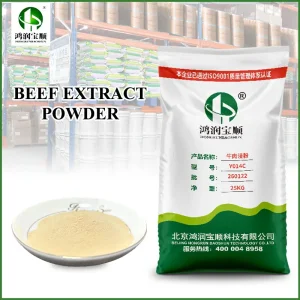
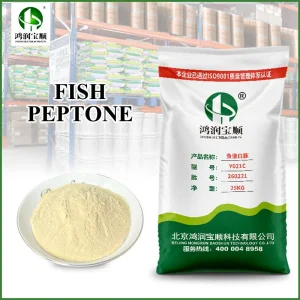
 Hongrun Baoshun