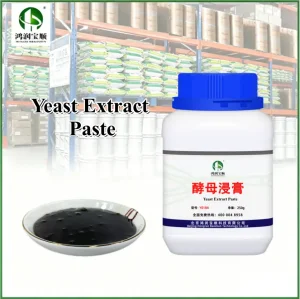
Engineered for high selectivity, fast growth rates, and absolute batch consistency.
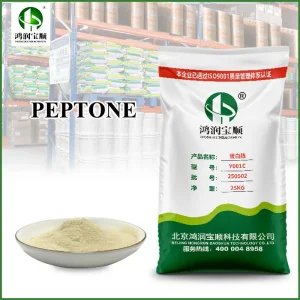
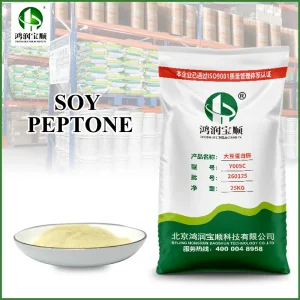
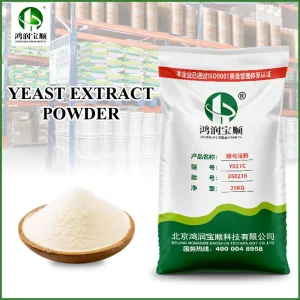
An Executive Guide to Formulating, Sourcing, and Validating Potato Dextrose Agar (PDA) at Industrial Scale
In modern biotechnology, pharmaceutical manufacturing, food safety monitoring, and environmental diagnostics, the cultivation of yeasts and molds represents a vital checkpoint. Among the standard formulas defined by international standards (such as EP, USP, JP, and ISO), Potato Dextrose Agar (PDA) stands as the baseline medium. Selecting the correct PDA formulation and supplier is critical for maintaining consistency, avoiding false negatives in environmental monitoring, and optimizing biomass production in submerged fermentations.
"The functional efficacy of Potato Dextrose Agar is determined by three variables: the extraction quality of starch and proteinaceous infusions from fresh potatoes, the purity of the dextrose carbohydrate source, and the physical properties of the structuring agar gel. Variations in any of these components can compromise growth kinetics, colony morphology, and validation reproducibility."
PDA consists of potato infusion, dextrose, and agar. The potato infusion provides essential amino acids, proteins, minerals, and starch, which serve as co-factors for mold sporulation and pigmentation. Dextrose acts as the primary carbon source, providing energy for rapid growth. Agar provides a solid matrix with structural stability.
At Beijing Hongrun Baoshun Technology Co., Ltd., we prioritize control over these inputs:
For procurement managers and laboratory QA personnel, the following parameters define standard and customized variations of our dehydrated PDA medium:
| Specification Parameter | Standard PDA Formulation | Acidified Selective PDA | Chloramphenicol / Antibiotic PDA |
|---|---|---|---|
| Potato Infusion (from solids) | 4.0 g/L (Equivalent to 200g potato infusion) | 4.0 g/L | 4.0 g/L |
| Dextrose Purity | 20.0 g/L (Anhydrous/Monohydrate USP) | 20.0 g/L | 20.0 g/L |
| Agar Gel Strength | 15.0 g/L (≥ 650 g/cm²) | 15.0 - 18.0 g/L (Compensates for acid hydrolysis) | 15.0 g/L |
| Selective Additive | None (Broad-spectrum recovery) | Adjusted to pH 3.5 via Sterile 10% Tartaric Acid | Chloramphenicol (0.1 g/L) or Chlortetracycline (0.1 g/L) |
| Target pH Range | 5.6 ± 0.2 (at 25°C) | 3.5 ± 0.2 (at 25°C) | 5.6 ± 0.2 (at 25°C) |
| Microbiological Recovery | Growth recovery rate ≥ 70% vs reference batch | Inhibits bacteria; selectively recovers fungi | Strong bacterial inhibition; excellent mold/yeast recovery |
A primary challenge in global culture media sourcing is batch-to-batch consistency. Uncontrolled variations in the raw nitrogen sources (such as peptone, beef extract, or yeast extract) can introduce unwanted contaminants or alter microbial growth kinetics.
To address this, Beijing Hongrun Baoshun Technology Co., Ltd. uses a strict validation framework:
Spectroscopic analysis verification of potato starches, sugars, and agars.
Computerized homogenization preventing segregation of ingredients.
Verification with ATCC strains: A. brasiliensis, C. albicans, and S. cerevisiae.
Generation of Batch-specific Certificates of Analysis (COA) and safety data.
Established in 2008 in the China (Beijing) Pilot Free Trade Zone Science and Technology Innovation Area, Beijing Hongrun Baoshun Technology Co., Ltd. has grown into a modern high-tech enterprise integrating R&D, manufacturing, and global sales. We are recognized as both a National "High-tech Enterprise" and a "Zhongguancun High-tech Enterprise."
To support growing demand, we expanded our manufacturing operations in 2018 to the Qili Industrial Park in Langzhong, Sichuan. This site features a combined facility footprint exceeding 40,000 square meters, along with 20,000 square meters of dedicated warehousing space. Operating through five specialized subsidiaries—Beijing Yaoyou Technology, Sichuan Baoshun Biotechnology, Sichuan Romgee Biotechnology, Sichuan Yingwen Technology, and Sichuan Runxiaobao Technology—we manage the complete production cycle from basic raw material processing to final product delivery.
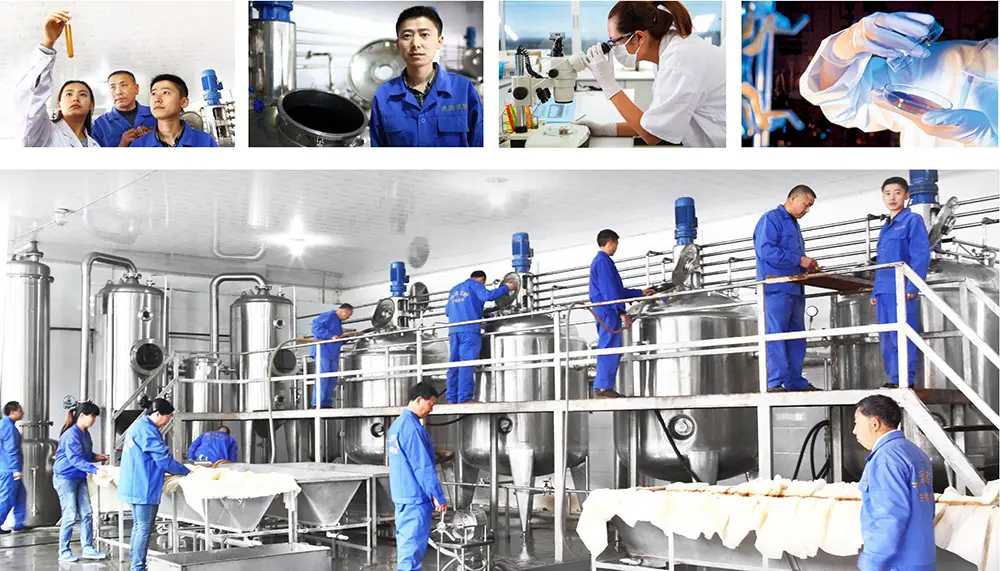
Optimizing microbial recovery and biomass yield across diverse biotechnology sectors.
Our raw materials serve as standard components for dehydrated culture media (DCM) manufacturers worldwide. With low mineral content and clean solubility, our products form the foundation for consistent plating and liquid media preparations.
In biopharmaceutical cleanrooms, PDA plates are used to monitor active and passive air quality, ensuring low bioburden and confirming environmental controls in aseptic processing areas.
Our nitrogenous bases and carbohydrate formulations optimize yields in secondary metabolite extractions, high-density fermentation of organic acids, and enzyme production workflows.
For manufacturers of feed and human probiotics, our media components support high-viability biomass propagation of target strains, ensuring high CFU counts in finished products.
Our formulations support the growth of biocontrol agents, such as Trichoderma harzianum and Beauveria bassiana, helping biological crop protection producers scale up solid-state and liquid fermentation systems.
Providing the raw starch, nitrogen, and vitamin sources needed for fast mycelial colonization and genetic conservation of premium mushroom strains in agricultural research.
Why leading bioprocessors and distributors partner with Beijing Hongrun Baoshun.
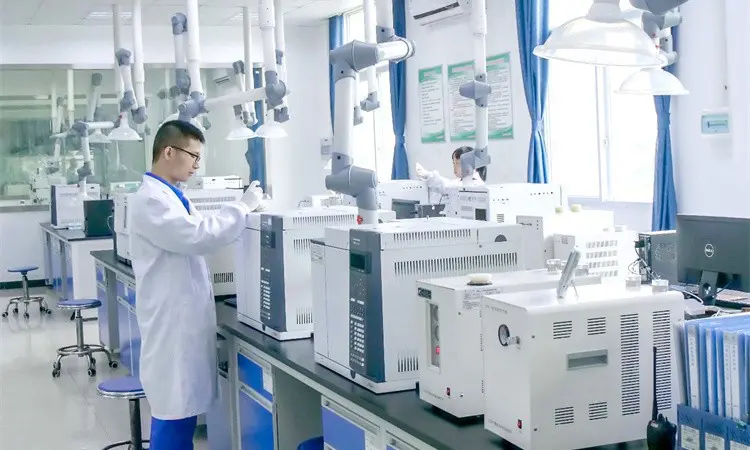
Our applications laboratory provides support for media optimization, troubleshooting precipitation issues, and choosing selective additives for specific target organisms.
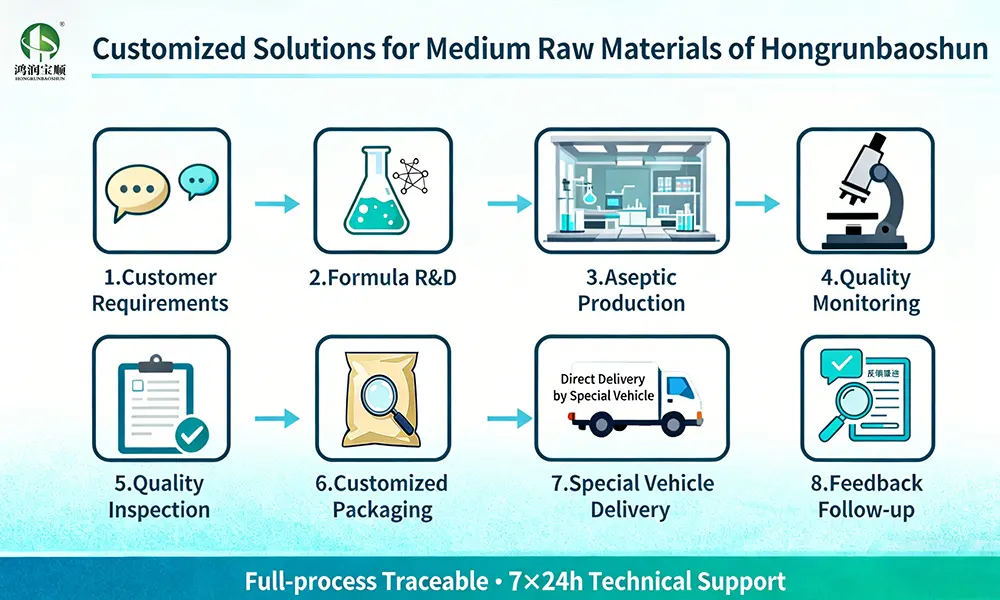
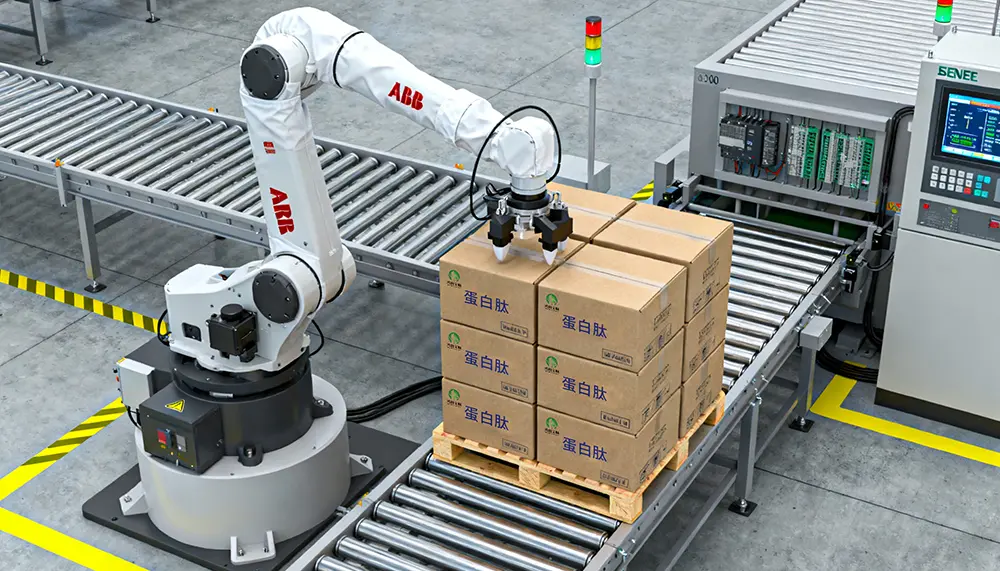
We configure nitrogen-to-carbohydrate ratios, particle size specifications, and moisture levels to meet the requirements of automated filling equipment and bioreactor designs.
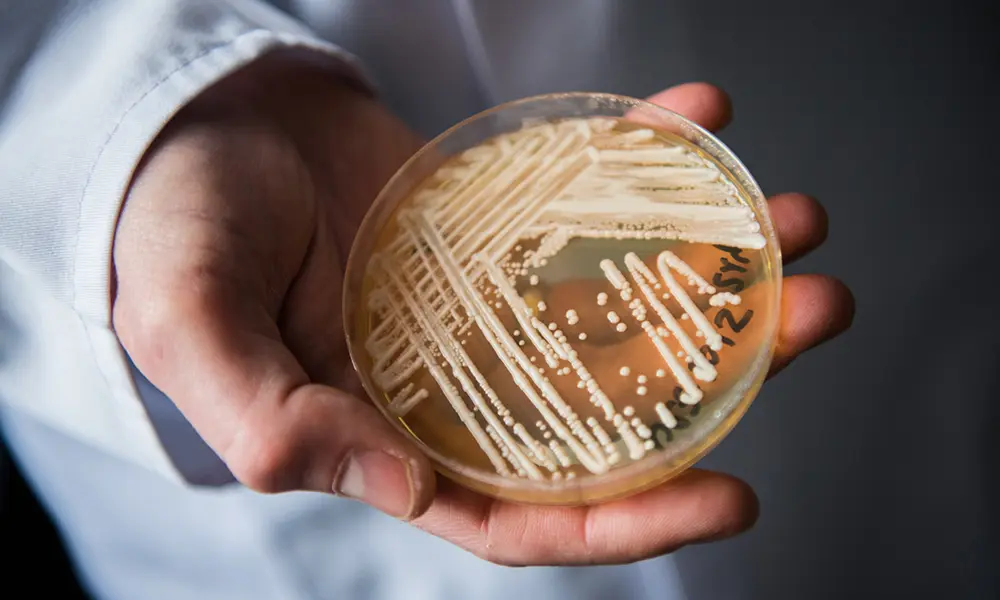
Our facilities operate under ISO 9001:2015 quality management systems and maintain MUI Halal certification, ensuring compliance with international regulatory frameworks.
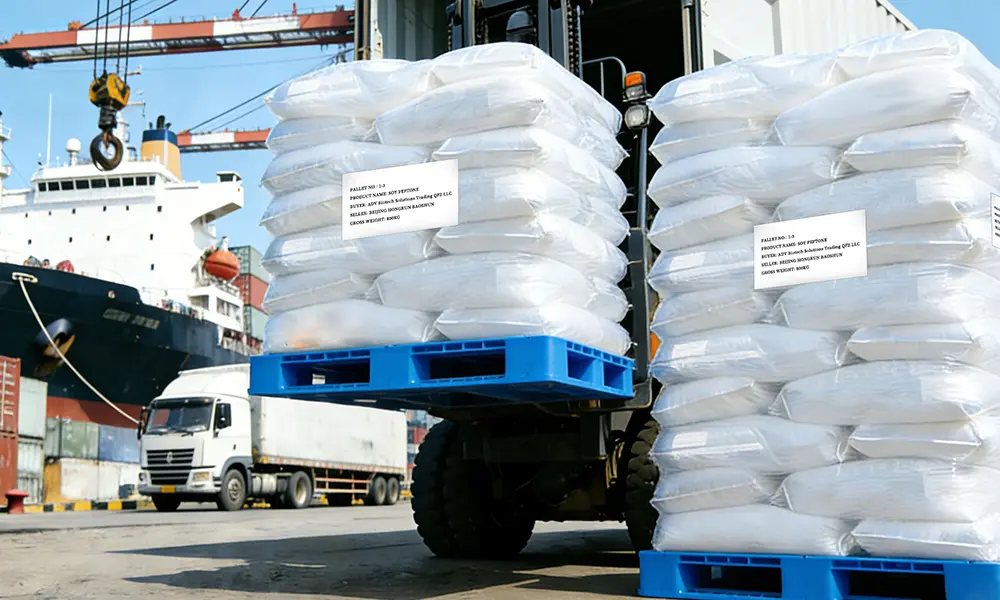
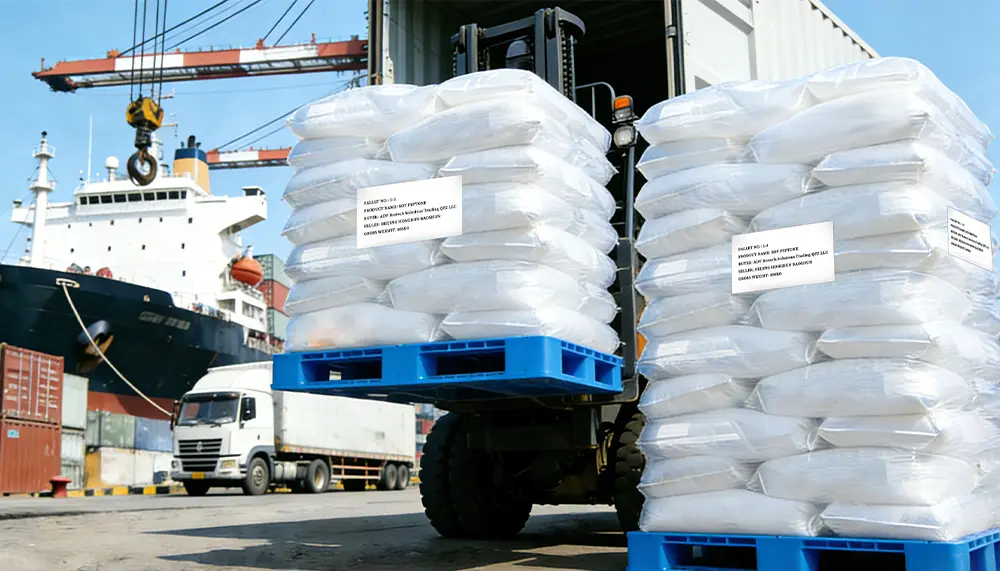
With 20,000 square meters of warehousing space, we maintain inventory levels of core products to ensure consistent supply and manage global logistics changes.

Our integrated manufacturing facilities in Sichuan allow us to optimize production costs, providing favorable pricing structures for industrial purchasers and long-term distributors.
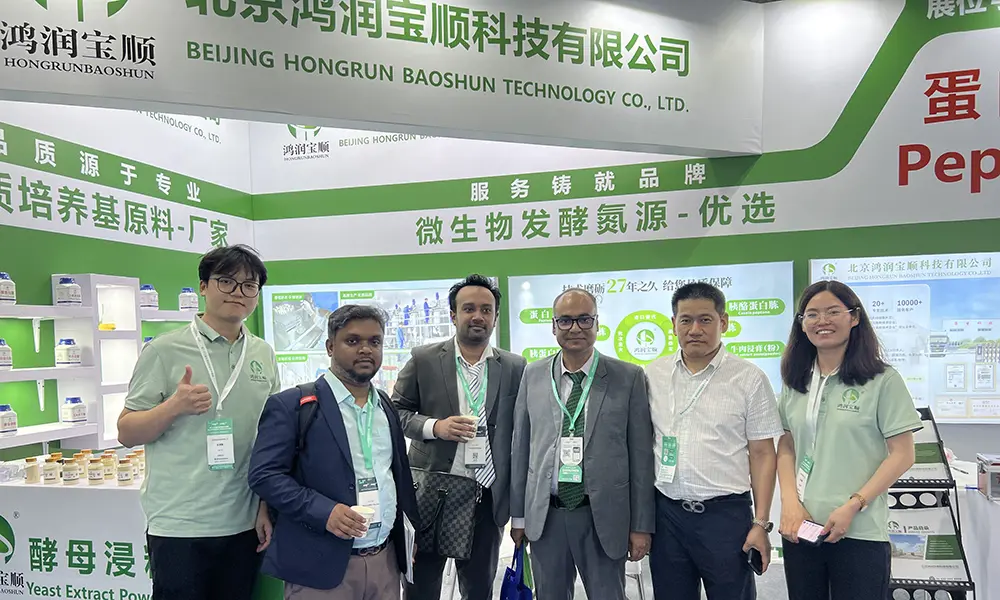
Our international team manages technical and logistical requirements in multiple languages, supporting customers through regulatory documentation and product qualification cycles.
Innovation in microbiological culture media to meet modern bioprocess demands.
As the biotechnology sector moves toward automation and real-time monitoring, dehydrated culture media must adapt to meet new standards of speed, solubility, and ecological sustainability. Our R&D efforts are focused on the following areas:
Answers to common questions regarding formulation, storage, and procurement of culture media.
The default pH of PDA is 5.6 ± 0.2, which is optimal for the growth of most yeasts and molds. However, to isolate fungi from samples with high bacterial loads, the medium can be acidified to pH 3.5. This acidification inhibits bacterial replication while allowing fungi to grow. It is critical to adjust the pH only after autoclaving and cooling the medium to approximately 45-50°C. Acidifying before autoclaving causes hydrolysis of the agar, preventing it from gelling properly.
Fresh potato infusion contains natural starches, vitamins, and minerals that support fungal pigmentation and sporulation. Simple potato powders often lose these growth-promoting co-factors during high-temperature processing. Our manufacturing process uses controlled extraction methods to preserve these trace nutrients, providing performance equivalent to fresh infusions with the consistency of dehydrated media.
We maintain separate production facilities and equipment lines for animal-derived and plant-derived raw materials at our Sichuan manufacturing base. This separation prevents cross-contamination and ensures compliance with vegan, vegetarian, Halal, and BSE/TSE-free certification requirements.
Yes. We support custom orders to meet specific requirements for agar gel strength, dextrose ratios, and trace element concentrations. We can also pre-blend selective inhibitors like chloramphenicol or adjust gelling properties for different applications. Please contact our technical team to discuss your specification requirements.
To support industrial qualification and laboratory validation, we offer free samples of up to 500 grams per product. Shipping costs are managed by the customer. Samples include standard documentation, including Certificates of Analysis (COA) and material safety data sheets.
Explore our complete range of nitrogen sources and cultivation components.
 Hongrun Baoshun