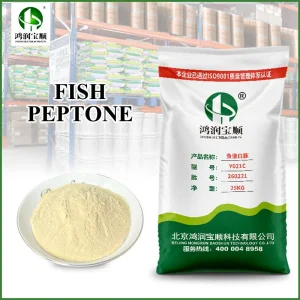
Explore our laboratory-tested microbial media ingredients, specifically designed for optimizing cell mass growth, bacterial metabolic pathways, and high-yield enzyme synthesis.
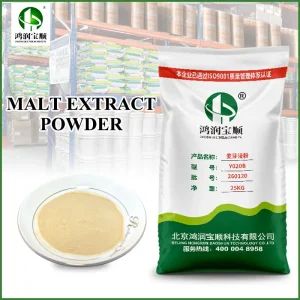
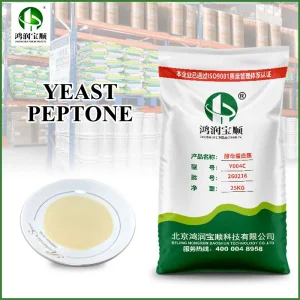
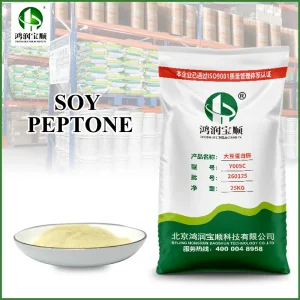
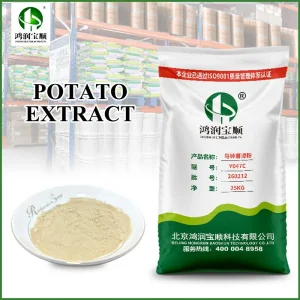
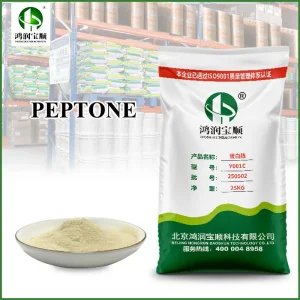
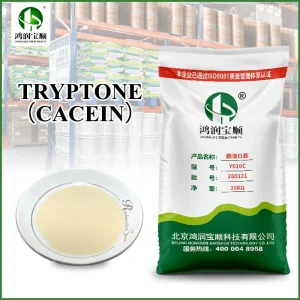
Established in 2008 and rooted deep in the China (Beijing) Pilot Free Trade Zone Science and Technology Innovation Area, Beijing Hongrun Baoshun Technology Co., Ltd. has developed into a preeminent, modern high-tech enterprise. Integrating state-of-the-art research, advanced industrial manufacturing, and global supply logistics, we hold dual certifications as a National "High-tech Enterprise" and a "Zhongguancun High-tech Enterprise".
Upholding the strict quality commitment of "no substandard products leaving the factory," we utilize separate, dedicated manufacturing lines for animal and plant raw materials at our industrial complexes, including our core base in the Qili Industrial Park in Langzhong, Sichuan. We serve food manufacturers, research laboratories, and biotech companies with reliable nitrogen sources tailored specifically to complex systems like soy sauce brewing and precision microbial fermentation.
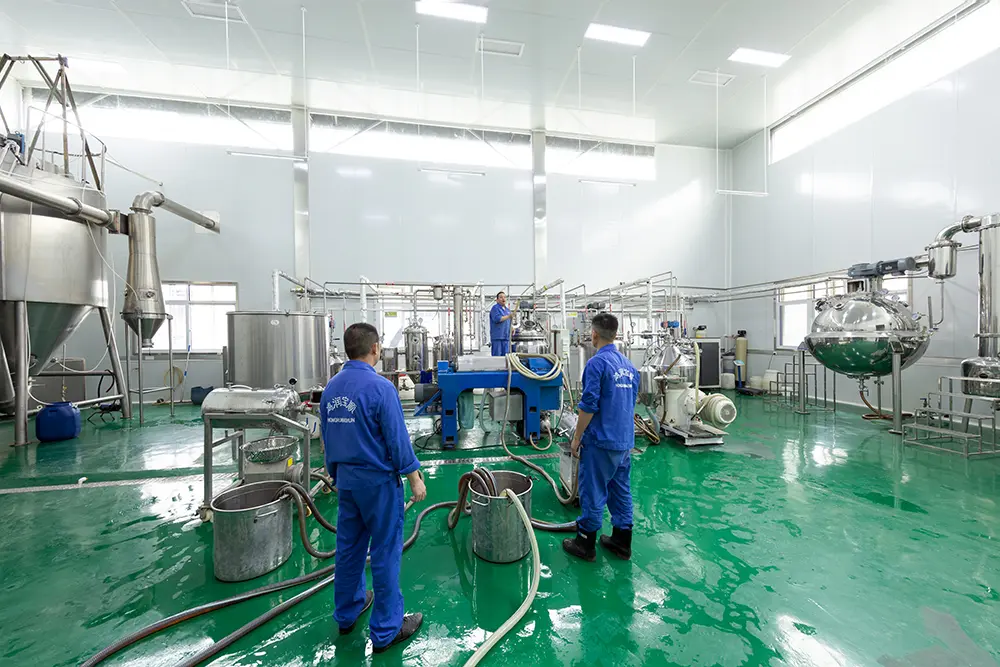
An in-depth analysis of nitrogen assimilation, microbial metabolism, and the critical role of plant-derived nutrition in high-yield industrial soy sauce brewing.
The global soy sauce industry is undergoing a structural transition from traditional, batch-inconsistent seasonal open-air fermentation to continuous, closed-tank bioreactor systems. This modernization requires hyper-stable substrates. Modern soy sauce production relies heavily on the enzymatic breakdown of plant proteins into free amino acids (FAA) and peptides. Specifically, Soy Peptone and Yeast Extract function as biochemical accelerators during the initial Koji and brine stages.
Microorganisms such as Aspergillus oryzae, Zygosaccharomyces rouxii, and halotolerant lactic acid bacteria (e.g., Tetragenococcus halophilus) require highly bioavailable nitrogen. Premium plant peptones provide a balanced ratio of low-molecular-weight peptides and free amino acids, preventing the nitrogen limitations that lead to sluggish fermentation or off-flavor generation. The implementation of high-purity yeast and vegetable peptones allows producers to reduce total fermentation cycles by up to 25% while maximizing the concentration of glutamic acid, the primary compound responsible for the clean 'umami' flavor profile.
For multinational food processing groups and biotech enterprises, procurement goes beyond simple ingredient sourcing. The modern consumer demand for clean-label food products has translated into strict procurement mandates. Key sourcing priorities include:
To address the dual challenges of cost optimization and quality control, our group offers a comprehensive raw material matrix. By managing dedicated, independent production lines for animal and plant raw materials at our Sichuan base, we eliminate cross-contamination risks entirely.
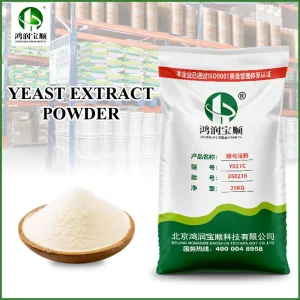
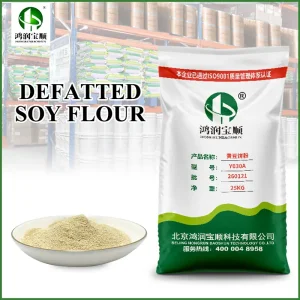
We supply standardized bulk materials, including high-purity soy peptone, wheat peptone, and yeast extracts. Additionally, we provide customized formulation services. We can adjust the Molecular Weight Distribution (MWD), change salt concentrations, and increase specific amino acids to optimize nutrients for your specific industrial fermentation strains.
Navigating global supply chain logistics requires robust regulatory support. All five of our core subsidiaries operate in synergy to handle export procedures, customs declarations, and technical documentation (including CoA, MSDS, and allergen statements).
Our facilities are fully certified under the ISO 9001:2015 quality management system and hold MUI Halal certification. We maintain localized technical support channels, offering free sample batches of up to 500g for pre-procurement laboratory validation, ensuring our substrates match your operational requirements before placing bulk orders.
Beyond traditional soy sauce brewing, our raw materials serve diverse biological industries. Our plant peptones are used in culture media formulation, biopharmaceuticals, and probiotic cultivation.
We work directly with R&D departments to develop customized solutions. By modifying the enzymatic hydrolysis level of our substrates, we can control the ratio of free amino acids to larger peptides, optimizing our products for applications ranging from high-cell-density probiotic cultures to specific industrial enzyme production.
How Beijing Hongrun Baoshun is integrating biotechnology and advanced chemical engineering to develop the next generation of fermentation media substrates.
Deploying advanced, multi-enzyme synergistic hydrolysis processes. We precisely control the cleavage of raw soy protein peptide bonds to maximize the yield of target low-molecular-weight peptides (500–1500 Da), optimizing nitrogen absorption for industrial cultures.
Integrating HPLC (High-Performance Liquid Chromatography) and MS (Mass Spectrometry) fingerprinting into our standard Quality Control workflow. This ensures every production batch exhibits a consistent free amino acid and molecular weight distribution profile.
Upgrading our Langzhong Sichuan factory to run on a zero-waste circular production model. We aim to repurpose agricultural and industrial by-products into high-value culture media ingredients, minimizing environmental impact while reducing procurement costs.
Get professional, engineering-focused answers to common questions about industrial soy sauce fermentation ingredients and nitrogen source customization.
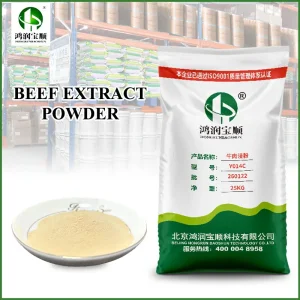
High-yield fermentation ingredients, yeast derivatives, and animal/plant nitrogen fractions designed for industrial-scale culture media and bioreactor applications.
 Hongrun Baoshun