Select high-purity biological extracts tailored for industrial fermentation processes, microecological cultures, and cell nutrition.
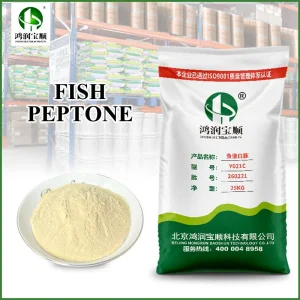
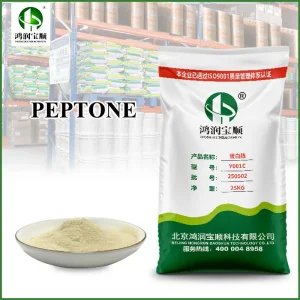
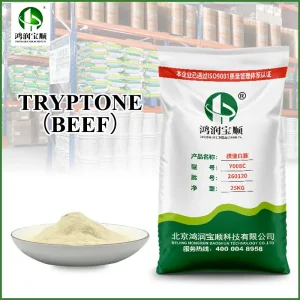
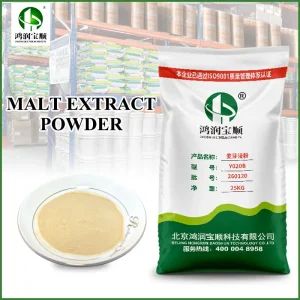
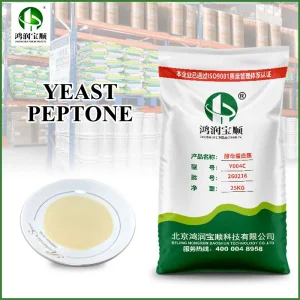
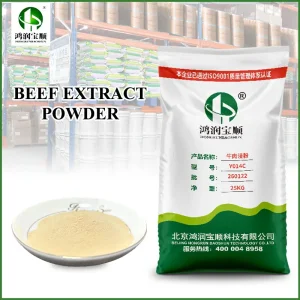
Soybean Protein Isolate (SPI) is a highly refined plant protein derivative representing the pinnacle of soy processing. Typically featuring a protein content exceeding 90% on a moisture-free basis, SPI is manufactured using advanced extraction methods to remove carbohydrates, lipids, and dietary fibers from defatted soybean flakes. While historically regarded primarily as a key functional ingredient in the food processing and meat industries, SPI has emerged as a cornerstone raw material in industrial biotechnology and biomanufacturing.
Modern bioreactors, probiotic cell cultivation, and cellular agriculture demand non-animal-derived, chemically defined, or highly reproducible organic nitrogen sources. In this space, raw soy isolates undergo controlled enzymatic hydrolysis to produce high-purity Soy Peptones and plant peptides. This transformation allows bioreactor operators to sidestep the regulatory and contamination risks (such as BSE/TSE transmissible spongiform encephalopathies) associated with bovine or porcine-derived nitrogen complexes.
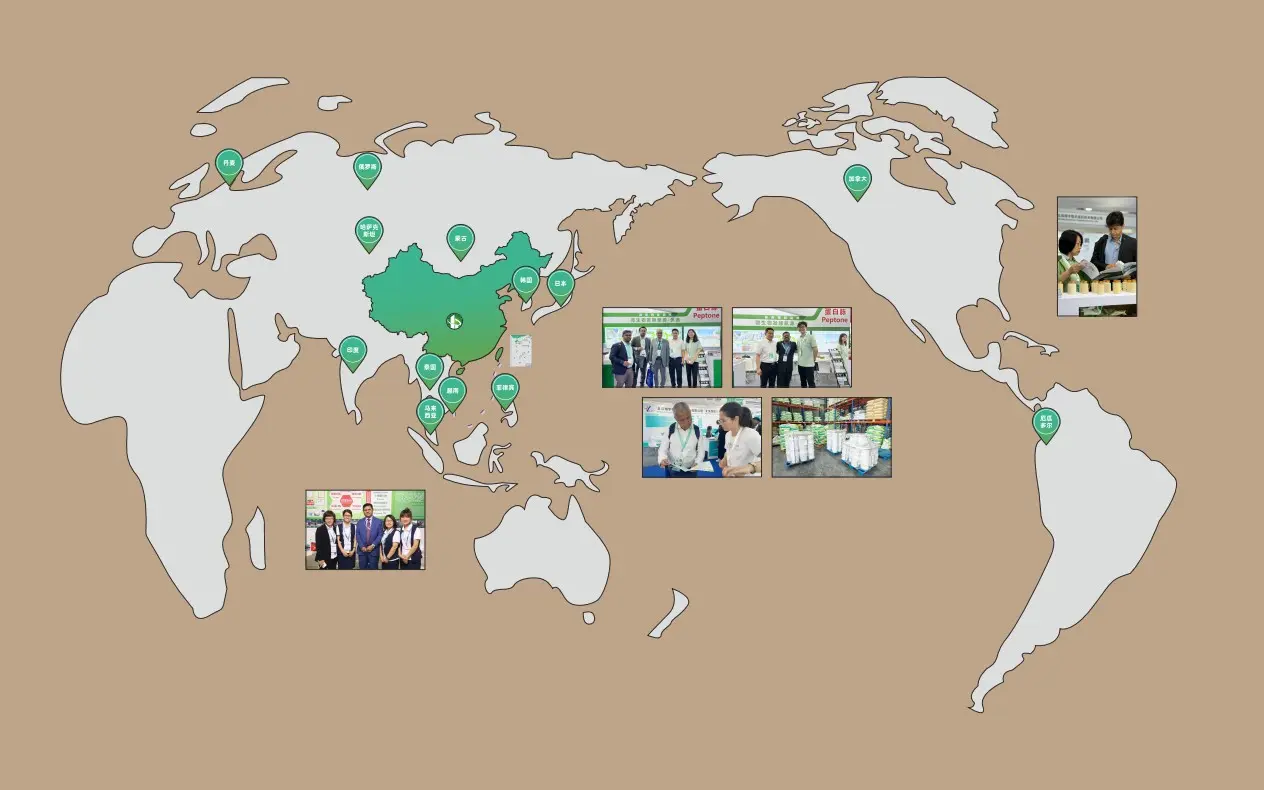
Underpinned by Beijing Hongrun Baoshun Technology Co., Ltd.'s strategic production footprints, supplying premium nutrients to the global biotech industry.
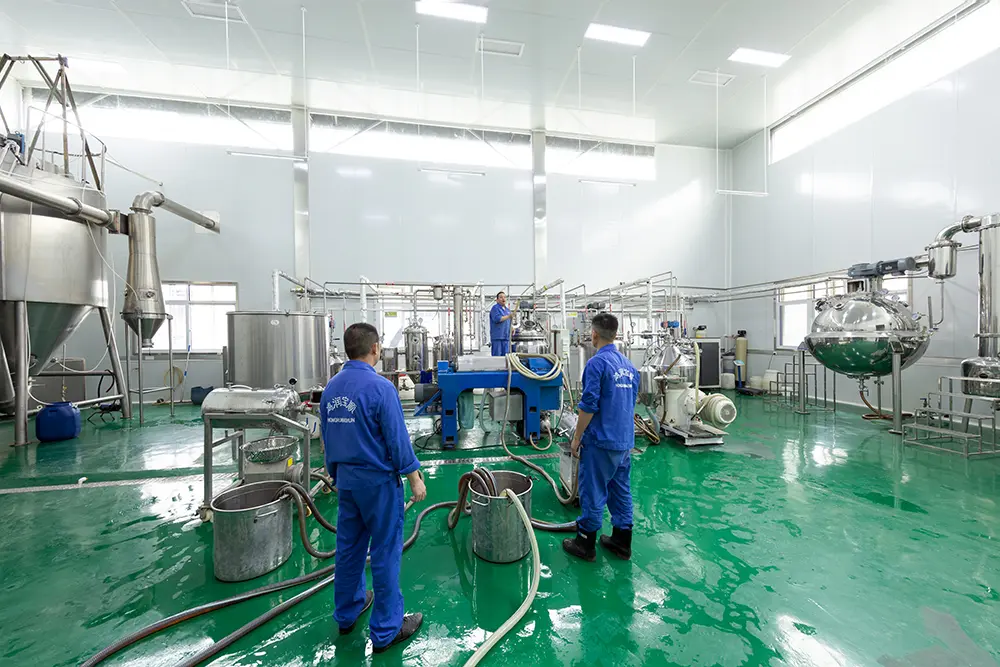
Established in 2008 in the Science & Technology Innovation Area of the China (Beijing) Pilot Free Trade Zone, Beijing Hongrun Baoshun Technology Co., Ltd. has developed into a major high-tech enterprise. Integrating independent research and development, manufacturing, and international supply channels, the company is recognized as both a National "High-Tech Enterprise" and a "Zhongguancun High-Tech Enterprise."
In 2018, we expanded our production footprint by upgrading strategic infrastructure at the Qili Industrial Park in Langzhong, Sichuan. The Phase I and Phase II factories encompass a facility area exceeding 40,000 square meters, supported by a 20,000 square meter dry-storage and cold-chain warehouse. More than 100 dedicated technical professionals operate independent animal-derived and plant-derived production lines, ensuring complete separation and eliminating cross-contamination risk.
Analyzing current production paradigms, demand metrics, and the geopolitical relevance of China's processing factories.
China is a major global hub for the deep processing of soybean isolates, leveraging supply chain consolidation, access to non-GMO raw crops in northern provinces, and advanced chemical extraction complexes. Domestic factories account for over 50% of the world's soy isolate and soy-based peptone shipments, supplying critical hubs in North America, Western Europe, and Southeast Asia.
International buyers face strict regulatory frameworks regarding genetically modified organisms (GMOs). Leading Chinese processing plants prioritize Identity Preservation (IP) systems, sourcing directly from verified non-GMO soybean farms to guarantee that downstream isolate products and hydrolyzed soy peptones meet clean-label requirements in Europe and the Americas.
The industrial shift from food grade to fermentation grade is accelerating. Factories are modifying extraction strategies to minimize salt content, optimize ash parameters, and maximize water solubility, producing highly bioavailable plant-derived nitrogen sources for microecological pharmaceutical cultures.
An expert look at the biochemical extraction pathways employed in our Langzhong manufacturing complex.
To produce Soybean Protein Isolate, the raw source must undergo a series of complex extraction stages designed to yield a final protein concentration above 90% while preserving molecular structure:
How our plant-derived nitrogen sources support major global biological and pharmaceutical sectors.
High-purity soy peptones and plant-derived proteins provide essential growth factors and nitrogen bases for vaccine production and therapeutic proteins. Eliminating animal-sourced components helps simplify regulatory approvals with bodies like the FDA and EMA.
Our plant nitrogen sources supply the concentrated amino acid profiles needed to culture high-yield bacterial strains, optimizing yield curves for L-lysine, L-threonine, and MSG manufacturing.
Highly refined soy peptones support the growth of lactic acid bacteria, bifidobacteria, and other probiotic strains used in dietary supplements and functional food applications.
Hydrolyzed soy proteins support the propagation of beneficial soil microbes like Bacillus subtilis and Trichoderma species, promoting sustainable agricultural practices and healthier soil ecosystems.
Peptones derived from soy isolates serve as highly digestible starter feeds and nitrogen supplements in commercial aquaculture, promoting healthy growth rates in shrimp and fish larvae.
Our raw materials provide the balanced nutritional base required by filamentous fungi and bacterial strains to produce amylases, proteases, and cellulases used across the textile, paper, and food industries.
Unifying five specialized subsidiaries under an integrated quality framework to ensure absolute consistency.
Beijing Hongrun Baoshun Technology Co., Ltd. coordinates five key subsidiaries to form an integrated supply chain: Beijing Yaoyou Technology, Sichuan Baoshun Biotechnology, Sichuan Romgee Biotechnology, Sichuan Yingwen Technology, and Sichuan Runxiaobao Technology. This collective synergy spans raw sourcing, biochemical refining, testing, and international logistics.
Our production facilities are certified under the ISO 9001:2015 quality management system and hold MUI Halal certification. We enforce a strict quality policy: no batch is released without passing comprehensive chromatography, microbiological testing, and ash analysis, ensuring high product consistency for demanding laboratory and industrial applications.
The global soybean protein isolate and plant peptone industries are moving toward specialized modification. Downstream biomanufacturing processes are increasingly sensitive to batch-to-batch variations. To address this, we are developing customizable molecular weight profiles. By adjusting enzyme pairings and digestion times, we can tailor peptides to target the specific metabolic pathways of different industrial strains.
Environmental sustainability is also reshaping industrial standards. Future soy isolate factories must implement energy-efficient processing systems. We are actively investing in water-recycling loops for acid precipitation stages and low-emission spray drying tech, helping global biotech partners lower their indirect Scope 3 carbon footprint.
Addressing common technical questions from fermentation engineers, procurement leads, and quality directors.
High-nitrogen plant formulations and microbiological media components designed to optimize yield and consistency.
 Hongrun Baoshun