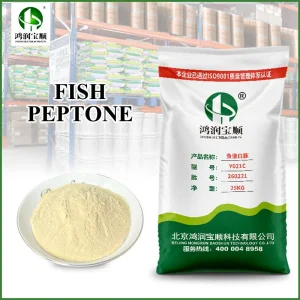
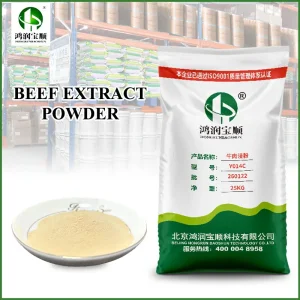
Explore our comprehensive lineup of animal, plant, and yeast-derived culture media raw materials designed for consistent yield optimization.
Surface fermentation represents one of the foundational methodologies in industrial biotechnology. Unlike submerged fermentation, which occurs in a fully liquid homogenized medium under continuous mechanical agitation, surface fermentation utilizes a static or semi-static environment where the microorganisms grow directly on the gas-liquid or gas-solid interface. This method is particularly well-suited for fungi, filamentous bacteria, and specific aerobic strains requiring direct, low-shear access to atmospheric oxygen.
For decades, biological manufacturing plants have encountered critical bottlenecks in batch-to-batch yield consistency. Minor fluctuations in raw materials, such as trace element variations or shifts in the molecular weight distribution of nitrogen complexes, can trigger metabolic deviations. Beijing Hongrun Baoshun Technology Co., Ltd. addresses this industry challenge through high-resolution raw material sourcing, strict control of enzymatic degradation rates, and advanced refinement systems.

Analyzing the infrastructure and capacity capabilities of Beijing Hongrun Baoshun Technology Co., Ltd.
Established in 2008 and headquartered within the science and technology innovation zone of the China (Beijing) Pilot Free Trade Zone, Hongrun Baoshun has developed a dual-hub framework combining R&D with large-scale industrial manufacturing. To meet growing global demands, the company expanded its production footprint to Sichuan in 2018, building an advanced facility in the Qili Industrial Park in Langzhong.
Our collaborative operational architecture features five key subsidiaries: Beijing Yaoyou Technology, Sichuan Baoshun Biotechnology, Sichuan Romgee Biotechnology, Sichuan Yingwen Technology, and Sichuan Runxiaobao Technology. This collective network enables end-to-end quality control from raw material selection through enzymatic hydrolysis to final micro-filtration, spray-drying, and worldwide logistics distribution.
Evaluating biochemical indicators to ensure alignment with international cell culture requirements.
Modern bioprocess engineering requires complete raw material transparency. To support cell growth and product synthesis, culture media must contain balanced amounts of amino acids, low-molecular-weight peptides, vitamins, and minerals. Below is the specification profile for our primary fermentation nitrogen sources:
| Nitrogen Source | Total Nitrogen (TN) | Amino Nitrogen (AN) | Moisture Content | Primary Industrial Applications |
|---|---|---|---|---|
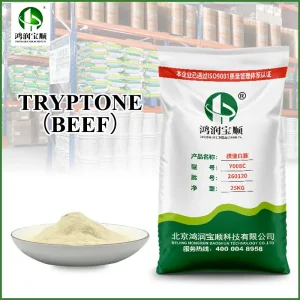
| Organic Beef Tryptone | ≥ 12.0% | ≥ 3.5% | ≤ 6.0% | Antibiotics, vaccine production, high-density bacterial cultures |
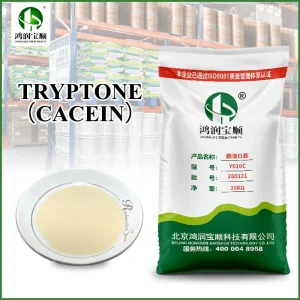
| Enzymatic Casein Tryptone | ≥ 12.5% | ≥ 4.0% | ≤ 5.5% | E. coli expression, sterility testing, analytical microbiology |
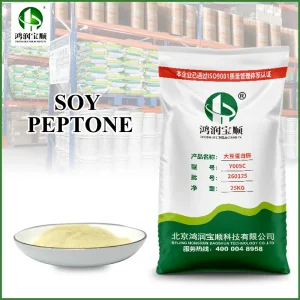
| Premium Soy Peptone | ≥ 11.0% | ≥ 2.5% | ≤ 6.0% | GMO-free vegetable media, anaerobic cultures, vaccine development |
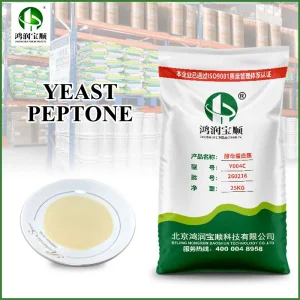
| High-Purity Yeast Extract | ≥ 10.0% | ≥ 3.0% | ≤ 6.0% | Probiotics formulation, bio-pesticides, starter cultures |
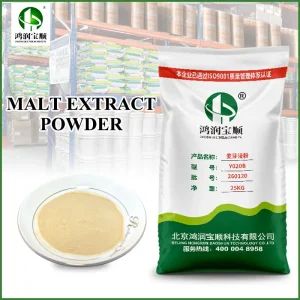
| Malt Extract Powder | ≥ 1.0% | ≥ 0.2% | ≤ 5.0% | Fungal growth, sporulation assays, enzyme production |
Understanding how our tailored media solutions optimize biochemical yields across global sectors.
Providing highly purified peptones and tryptones to support vaccine cultivation, recombinant protein expression, and monoclonal antibody production with low endotoxin levels.
Optimizing the viability and density of lactic acid bacteria, bifidobacteria, and bio-preservatives using food-grade yeast extracts and soybean peptones.
Supplying consistent organic nitrogen inputs for industrial fermentations targeting organic acids, secondary metabolites, and chemical intermediates.
Developing specialized nutrient packages to support bio-fertilizers and bio-pesticides (such as Bacillus thuringiensis and Trichoderma), improving crop defense mechanisms.
Developing robust microbial mixtures using fish peptone and fermented soybean meal to improve water quality and boost feed conversion rates in aquaculture farms.
Providing specialized organic malt extract powders that support rapid vegetative mycelium expansion and shorten overall production cycle run-times.
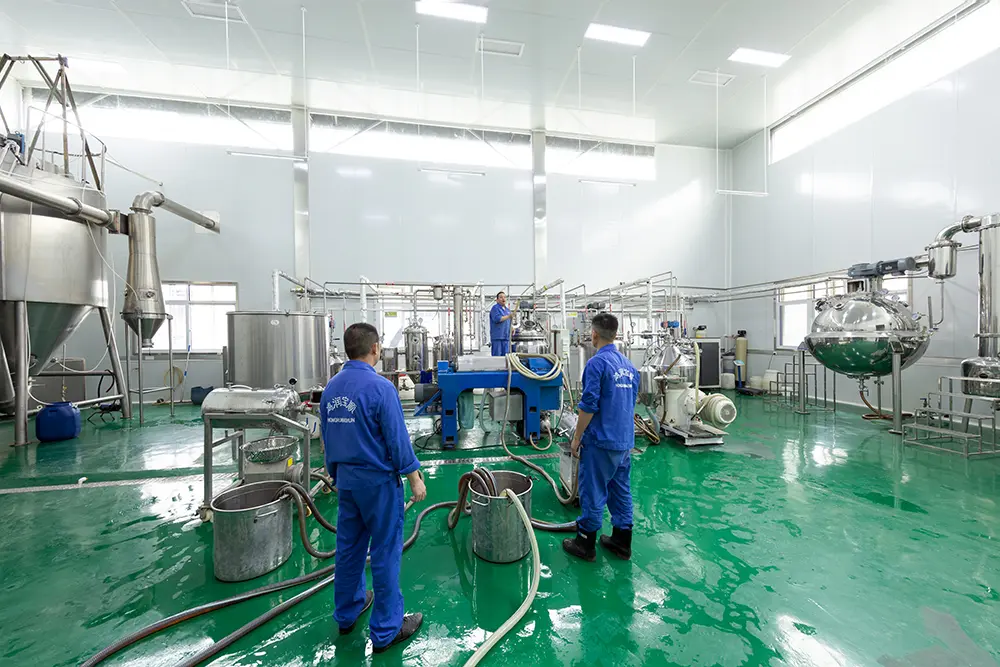
For international biopharmaceutical and food ingredient sourcing, regulatory compliance is non-negotiable. Hongrun Baoshun maintains high industry standards through certified quality systems, ensuring that no substandard products leave our facilities.
To eliminate risks of Bovine Spongiform Encephalopathy (BSE) and Transmissible Spongiform Encephalopathy (TSE) contamination, we maintain isolated production lines for animal and plant processing. Each batch undergoes rigorous testing, including molecular weight profiling, clarity index measurements, solubility verification, and microbiological assays, ensuring reliable performance in downstream processes.
Addressing the procurement challenges of supply chain security, cost management, and regulatory compliance.
Modern procurement directors face challenges like volatile logistics costs, inconsistent bulk material quality, and changing import regulations. When sourcing fermentation media from China, selecting a vertically integrated manufacturer with robust analytical capabilities helps mitigate these operational risks.
At Hongrun Baoshun, we support strategic sourcing by offering customized particle sizing, moisture control adjustments, and flexible packaging choices from 1kg trial pouches up to 25kg bulk drums. Through our research partnerships, we also provide technical support to assist customers in migrating from traditional animal-derived media to plant-based or synthetic biology platforms.
Additionally, we keep storage reserves of standard products at our 20,000-square-meter warehouse, ensuring supply continuity even during peak seasonal demand. This strategic inventory helps protect global biomanufacturers from supply line delays.
Highlighting the innovations driving the next generation of bioprocessing and industrial fermentation media.
The market is increasingly adopting non-animal media options (such as wheat, potato, and soy peptones) to minimize contamination risks and simplify regulatory validation for vaccines and biologics.
The rise of synthetic biology requires highly specific nutrients. Custom peptone and amino acid blends are essential for supporting engineered yeast and E. coli strains producing high-value compounds.
Modern factories are adopting sustainable processing models. Utilizing agricultural co-products like corn steep liquor and local botanical proteins helps lower the carbon footprint of industrial fermentation.
Expert answers to common questions about industrial culture media, specifications, and regulatory compliance.
Explore our organic and plant-based peptones designed for high-density cell growth and industrial-scale production.
 Hongrun Baoshun