Premium grade raw materials facilitating optimal metabolic pathways and biomass yield for food microbiology fermentation.
Unlocking the metabolic potential of microbial consortia for modern meat preservation and flavor complexity.
Rapid generation of lactic acid by organisms like Lactobacillus sakei and Pediococcus pentosaceus lowers pH below the isoelectric point of meat proteins. This rapid decline is crucial to inhibit pathogenic growth (e.g., Clostridium botulinum, Staphylococcus aureus) and promote coagulation. Our peptones offer highly bioavailable nitrogen profiles to shorten lag phases and accelerate acid production.
Microbial enzymes catalyze the breakdown of sarcoplasmic and myofibrillar proteins into small peptides and free amino acids (FAAs). These free amino acids, particularly glutamate, aspartate, and sulfur-containing residues, act as direct precursors to volatile flavor compounds through Strecker degradation. Using optimized organic nitrogen sources ensures starter cultures express high levels of cell-envelope proteinases.
Coagulase-Negative Staphylococci (CNS) like Staphylococcus xylosus and Staphylococcus carnosus generate nitrate reductase enzymes. This chemical pathway converts nitrates into nitric oxide (NO), which binds to myoglobin, generating nitrosomyoglobin—the characteristic stable red pigment of cured meat products. Premium yeast extracts supply the cofactors and trace minerals necessary for optimal reductase expression.
Modern industrial meat microbiology focuses on multi-strain starter systems. The growth and preservation of these microbes demand nitrogen sources with specific molecular weight distributions. Low molecular weight peptides (under 1000 Da) are absorbed directly by lactic acid bacteria due to their limited peptidase arrays. Our enzymatic processing lines optimize protein hydrolysis, yielding high ratios of free amino acids (FAA) and oligopeptides, ensuring quick absorption and minimal metabolic stress during culture scale-up.
Transitioning from basic nitrogen supplementation to precision molecular nutrition for bio-preservation and clean-label meat products.
The meat fermentation industry is undergoing a paradigm shift driven by genomics, safety, and consumer preferences. Rather than relying on chemical preservatives like high levels of sodium nitrite, manufacturers are using bio-preservation strategies utilizing bacteriocinogenic strains. The diagram below illustrates the technical progression of microbiological media formulations designed to support these complex starter cultures.
Focuses on high-cell-density cultivation (HCDC). By maximizing specific growth rates ($\mu_{max}$) and biomass yields ($Y_{x/s}$), manufacturers can lower production costs. This stage requires rich animal and plant-derived peptones containing balanced ratios of essential free amino acids (glutamic acid, arginine, and leucine) alongside B-complex vitamins.
Microbes destined for lyophilization (freeze-drying) require protection against cold and osmotic stress. Enriching growth media with specific osmoprotectants (such as betaine and proline, naturally found in beet and yeast extracts) triggers intracellular accumulation of these molecules. This step stabilizes cellular membranes and proteins during dehydration, ensuring high viability post-reconstitution.
Modern clean-label sausages utilize bacteriocins (e.g., sakein A, curvacin A, pediocin PA-1) produced by starter cultures to eliminate pathogens like Listeria monocytogenes. Synthesizing these peptides is often linked to cell density and specific nitrogen sources. Customizing media with high-purity non-GMO wheat and soy peptones promotes the expression of regulatory genes governing bacteriocin synthesis.
| Fermentation Parameter | Standard Nitrogen Source | Hongrun Baoshun Advanced Nitrogen Media | Resulting Industrial Advantage |
|---|---|---|---|
| Lag Phase ($\lambda$) | 1.8 - 2.5 Hours | 0.6 - 1.1 Hours | Accelerates industrial processing times; limits opportunist pathogen growth. |
| Acidification Velocity ($V_{max}$) | 0.15 pH/Hour | 0.32 pH/Hour | Rapid coagulation, consistent texture development, and quick water binding. |
| Post-Lyophilization Viability | 35% - 50% Survival | 78% - 92% Survival | Reduces active culture inoculation costs and extends starter shelf life. |
| Bacteriocin Yield | Baseline (1x) | Elevated (3.5x - 5.0x) | Enables biocontrol and clean-label status without chemical additives. |
Aligning raw material supplies with global demand for clean-label, plant-derived, and allergen-free fermentation processes.
The global market for fermented meat starter cultures is expanding rapidly, driven by rising consumer demand for premium cured meats, salami, snack sticks, and traditional dry sausages. Europe remains a key market, preserving traditional regional practices that require reliable microbial performance under varying temperatures. Concurrently, markets across North America and the Asia-Pacific region are expanding, requiring high-productivity industrial cultures to ensure food safety in large-scale facilities.
A significant trend in this sector is the shift toward non-animal origin (NAO) and allergen-free fermentation substrates. Regulatory frameworks are tightening, and consumers are increasingly sensitive to animal-derived pathogens, BSE/TSE risks, and allergen labeling. Consequently, starter culture manufacturers are shifting away from traditional bovine-derived peptones and tryptones, replacing them with plant-derived nitrogen sources like non-GMO soy peptone, wheat peptone, and corn steep liquor powder.
Through our dedicated plant-based and animal-based production lines in Langzhong, Sichuan, Hongrun Baoshun supplies both segments. We provide high-purity, ultra-filtered animal extracts for traditional processes, as well as certified non-GMO, allergen-free plant peptones to support modern biological alternatives. Our supply chain is structured to ensure that no cross-contamination occurs between these processing lines, satisfying the strict requirements of international quality audits.
Leveraging scale, raw material access, and advanced logistics to secure global biological supply chains.
Operating a manufacturing area exceeding 40,000 square meters coupled with a 20,000 square meter storage facility, Beijing Hongrun Baoshun manages large-scale industrial orders. This extensive capacity enables us to maintain inventory cushions for global clients, mitigating shipping disruptions and volatility in raw material markets.
Cross-contamination is a critical risk in microbial culture media manufacturing. We address this through dedicated production lines for animal-derived and plant-derived materials. This separation ensures that plant-derived peptones (such as soy and wheat peptone) remain free from animal DNA, meeting Kosher, Halal, and vegan standards.
We source raw materials (like agricultural inputs, yeast biomass, and animal proteins) near our production sites in Sichuan. This local sourcing reduces transportation times, lowers raw material costs, and minimizes the carbon footprint of our operations, allowing us to offer competitive pricing for bulk shipments.
Customized nitrogen delivery systems tailored to specific regional processing environments and meat characteristics.
Goal: Optimize slow acidification at low temperatures (12°C - 15°C) to develop deep flavor profiles while preventing wild mold contamination.
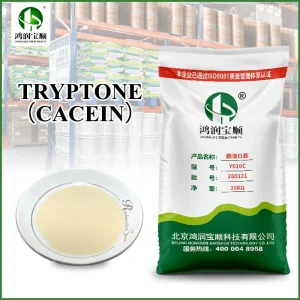
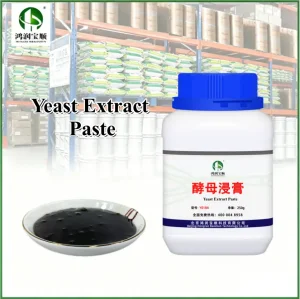
Solution: We utilized a specialized formulation containing 60% high-purity Yeast Extract Paste and 40% Tryptone. This blend provides essential peptides and trace minerals, enabling Lactobacillus sakei to maintain metabolic activity at lower temperatures, leading to consistent flavor and texture development.
Goal: Achieve rapid pH reduction to < 4.8 within 14 hours at high temperatures (35°C - 38°C) in humid processing conditions.
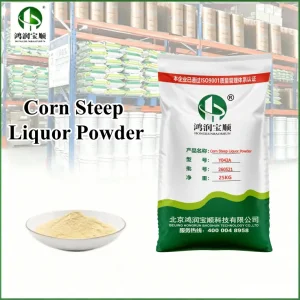
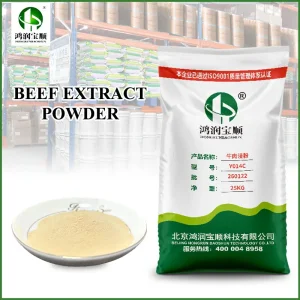
Solution: A formulation based on Corn Steep Liquor Powder and Beef Peptone was used. This nitrogen-rich combination provides highly bioavailable amino acids and vitamins, supporting the rapid growth of Pediococcus acidilactici and reducing production cycles by 30%.
Goal: Formulate clean-label, animal-free starter media for fermenting plant-based protein blocks to mimic traditional cured meat flavors.
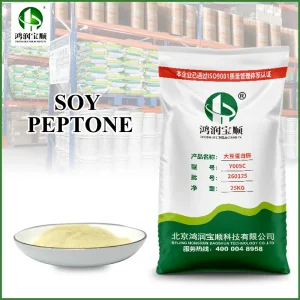
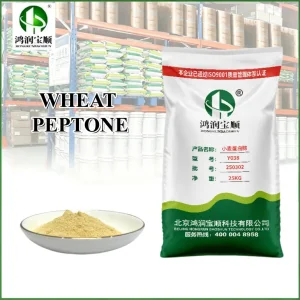
Solution: We deployed an allergen-free, non-GMO Wheat Peptone and Soy Peptone blend. This media supported the development of Lactobacillus plantarum starter cultures, delivering characteristic cured meat flavors without using animal-derived ingredients.
Ensuring compliance with global regulatory frameworks through transparent testing and local support.
Our manufacturing sites run under strict quality management systems. Every batch of peptone, yeast extract, and culture media raw material undergoes testing for solubility, total nitrogen content, amino nitrogen ratio, ash content, moisture, and microbiological purity before leaving the factory.
Understanding the religious and dietary requirements of global food markets, our dedicated plant-based processing lines are certified MUI Halal. This certification ensures that starter culture manufacturers can target Halal-certified meat processing sectors worldwide without regulatory friction.
We provide full lot traceability back to the raw material origin. To assist in process validation and optimization, we offer free product samples (up to 500g per product, excluding shipping fees), allowing technical teams to test our media in their pilot-scale fermenters.
| Analytical Parameter | Yeast Peptone Specification | Soy Peptone Specification | Beef Extract Specification | Methodology |
|---|---|---|---|---|
| Total Nitrogen (TN) | ≥ 10.5% | ≥ 8.5% | ≥ 9.0% | Kjeldahl Method |
| Amino Nitrogen (AN) | ≥ 4.0% | ≥ 2.5% | ≥ 3.0% | Formol Titration |
| Moisture Content | ≤ 6.0% | ≤ 6.0% | ≤ 6.0% | Loss on Drying (105°C) |
| Ash Content | ≤ 12.0% | ≤ 10.0% | ≤ 15.0% | Muffle Furnace (550°C) |
| pH (2% Solution) | 5.5 - 7.5 | 6.0 - 7.5 | 6.0 - 7.0 | Potentiometric measurement |
Addressing core questions regarding biological culture media formulation, nutrition optimization, and supply chain security.
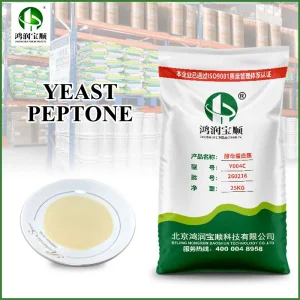
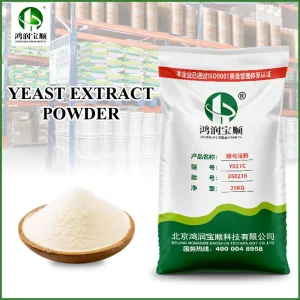
Lactic acid bacteria (LAB) are fastidious organisms; they cannot synthesize many amino acids and B-vitamins themselves. Yeast peptone is rich in low-molecular-weight peptides, nucleic acid derivatives, and essential growth factors like riboflavin, thiamine, and pantothenic acid. This complete nutritional profile supports cell growth and reduces metabolic stress, allowing the bacteria to grow quickly.
We ensure consistency by using raw materials from audited local suppliers, monitoring enzyme concentrations, and controlling temperature and pH parameters during hydrolysis. Each batch undergoes automated molecular weight distribution and HPLC amino acid profile analysis to ensure consistent performance before packaging.
Yeast extract powder has a shelf life of 24 months when stored in a cool, dry, unopened container. Yeast extract paste, containing 70-75% dry matter, has a shelf life of 12-18 months. The paste should be kept in sealed containers at 4°C - 15°C to preserve its moisture balance and nitrogen composition.
No, all our plant-derived raw materials, including soy peptone, wheat peptone, and corn steep liquor powder, are sourced from certified non-GMO agricultural zones in China. We verify this status through regular PCR testing of incoming raw crops.
Targeted nitrogen solutions and high-solubility media components designed for precision industrial cultivation.
 Hongrun Baoshun