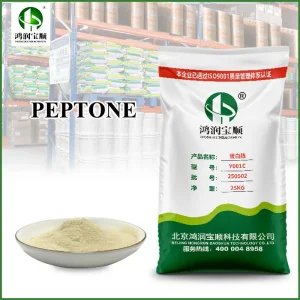
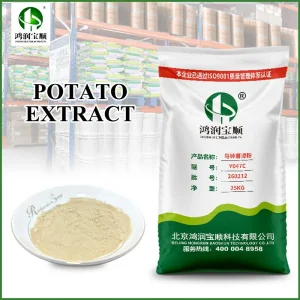
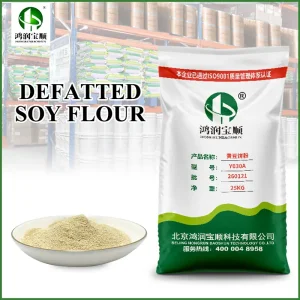
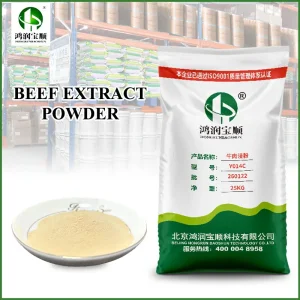
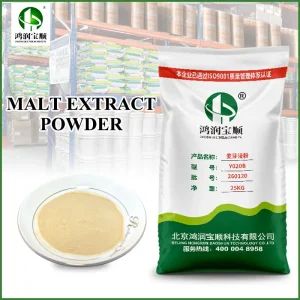
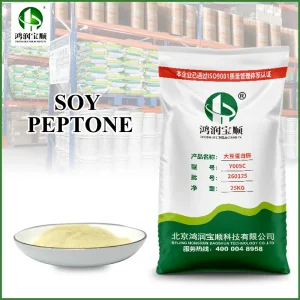
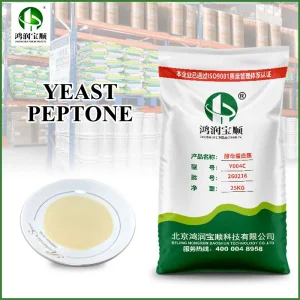
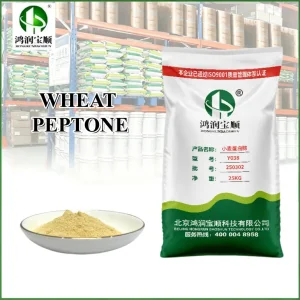
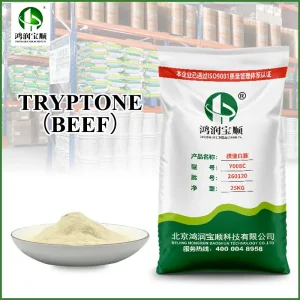
Explore our high-purity culture media raw materials and biological nitrogen sources engineered for maximum bio-availability.
In modern agricultural and industrial fermentation ecosystems, the reliance on high-efficiency protein is hitting structural resource ceilings. Conventional soybean meal, though rich in crude protein, contains significant loads of Anti-Nutritional Factors (ANFs) such as glycinin, beta-conglycinin, trypsin inhibitors, and phytic acid. These compounds hinder intestinal assimilation in young livestock and aquaculture species and limit yield parameters in bio-industrial fermentation reactors.
As a response to these systemic limitations, Fermented Soybean Meal (FSBM) has emerged as the definitive plant protein upgrading technology. Through solid-state fermentation driven by specialized strains like Bacillus subtilis, Lactobacillus plantarum, and Saccharomyces cerevisiae, molecular matrices are systematically restructured. Complex proteins with molecular weights exceeding 30 kDa are enzymatically cleaved into easily absorbable micro-peptides (under 15 kDa), while trypsin inhibitors and antigenic proteins are reduced to safe, negligible thresholds.
Global regulatory landscapes are accelerating restrictions on prophylactic antibiotic usage in feed. Highly digestible fermented soybean meal contains rich organic acids and probiotics that support gut morphology, actively replacing the functional space previously filled by chemical growth promoters.
The finite availability of marine fishmeal continues to inflate prices. FSBM, with its optimized amino acid profile, low antigenicity, and stable supply chain, acts as a primary economic alternative to marine-derived proteins in shrimp and carnivorous fish culture.
Modern industrial microbial fermenters require highly soluble, consistent organic nitrogen. Fermented soy peptone and hydrolyzed soy formulations provide the necessary peptides and vitamins to feed scaling biopharmaceutical and organic acid cultures.
International sourcing agents face severe volatility in plant protein procurement. Quality consistency across production batches is a constant concern when dealing with regional bulk suppliers. Heavy chemical residues, GMO contaminants, erratic peptide size distributions, and microbial contamination can easily cause millions in downstream manufacturing and farming losses.
Strategic global buyers demand verified specifications. High-quality FSBM must achieve a crude protein level exceeding 50%, with less than 10% moisture, and an acid-soluble protein ratio to total protein of more than 10% (indicating successful peptide breakdown). Crucially, trypsin inhibitor content must fall below 1.5 mg/g to ensure it does not inhibit digestive enzymes.
Additionally, supply chain traceability is key. Industrial buyers require manufacturers that can control raw materials from non-GMO agricultural origins, verify the absence of toxic pesticide residue, and guarantee reliable batch sizes that eliminate logistical delays.

Established in 2008 and rooted in the prestigious China (Beijing) Pilot Free Trade Zone Science and Technology Innovation Area, Beijing Hongrun Baoshun Technology Co., Ltd. has evolved into a modern high-tech enterprise integrating R&D, advanced production, and international sales. The company has earned dual certifications as a National "High-tech Enterprise" and a "Zhongguancun High-tech Enterprise," proving its commitment to technological innovation and manufacturing excellence.

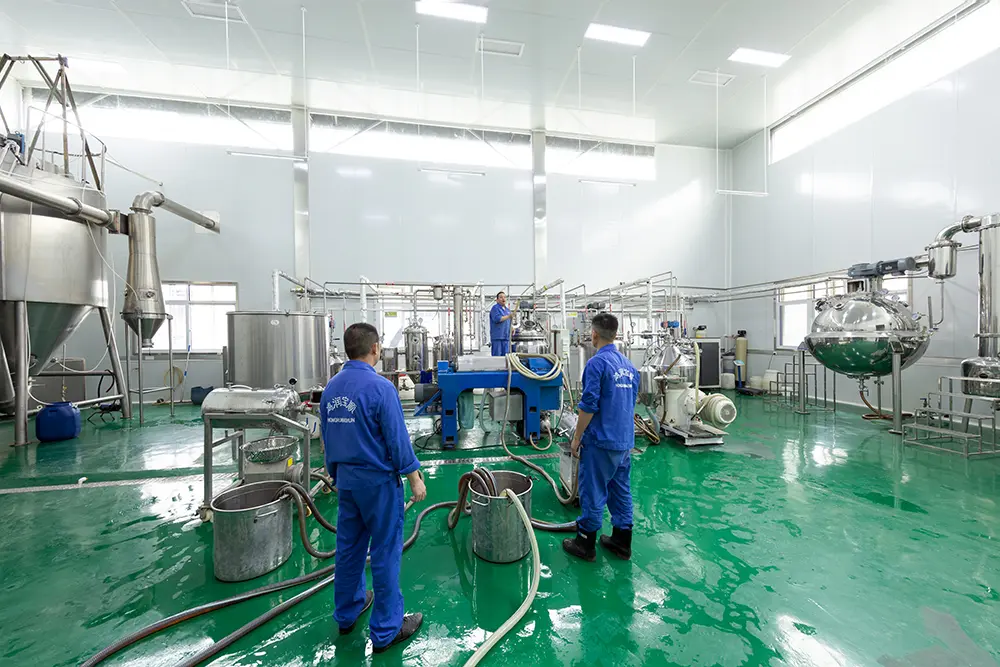
In 2018, Hongrun Baoshun significantly upgraded its industrial capacity, shifting its main production core to the Qili Industrial Park in Langzhong, Sichuan. The Phase I and Phase II factories combine for a vast floor area exceeding 40,000 square meters, supported by a 20,000 square meter modern logistics warehouse. Operating with over 100 highly skilled technical staff, the facility maintains completely isolated production lines for animal-derived and plant-derived raw materials to eliminate any potential cross-contamination.
The facility specializes in manufacturing premium biological inputs, peptones, yeast extracts, and fermented protein powders, meeting diverse pharmaceutical, feed, and culture media requirements with large-scale batch uniformity.
The corporate ecosystem of Beijing Hongrun Baoshun Technology Co., Ltd. operates through five dedicated subsidiaries that coordinate closely to cover the entire development lifecycle:
Focuses on advanced microbiological assay development and biotechnology research to design specialized cultures and enzymes for our production processes.
Oversees core bio-fermentation workflows, maintaining real-time automated controls over temperature, pH, and drying stages.
Specializes in high-purity pharmaceutical-grade plant and animal peptone processing for laboratory and biomedicine sectors.
Manages technological upgrades, introducing smart machinery and ecological waste recovery systems to reduce carbon footprints.
Controls commercial logistical channels, managing global container bookings and ensuring proper cargo conditions during transit.
We operate under the strict rule of "no substandard products leave the factory." Our plants are fully certified under the ISO 9001:2015 Quality Management System and hold MUI Halal Certification. Our quality assurance labs are equipped with advanced HPLC, gas chromatography, and atomic absorption spectrometers to inspect each batch for peptide distribution, amino acid profiles, heavy metals, and pathogenic bacteria.
Our biological raw materials and fermented soybean meal derivatives address critical requirements across several key industries:
Provides highly soluble plant-derived nitrogen sources, replacing animal peptones to eliminate BSE/TSE contamination risks in microbiology labs.
Acts as highly refined biological nutrients in vaccine production and recombinant protein expression systems where consistency is paramount.
Provides cost-effective industrial amino acid fermentation, organic acid cultivation, and enzyme preparation substrates at scale.
Serves as a protective carrier and primary growth substrate for beneficial live microorganisms, preserving cell counts and viability.
Functions as a natural bio-stimulant and nitrogen source in eco-friendly organic fertilizers, promoting root growth and crop yield.
 Dehydrated Culture Medium
 Plating Medium Applications
 Advanced Testing Reagents
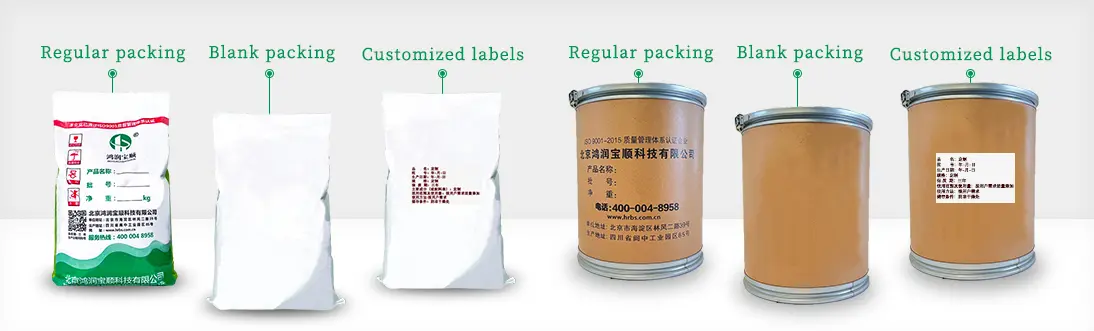
Different industrial processes require unique particle sizes, peptide ranges, solubility profiles, and pH responses. We offer customized production to meet these specific requirements:
Consult with our engineers to define your target peptide size distribution, solubility, and nitrogen parameters.
We provide complimentary samples of up to 500g for lab testing to verify cell growth or animal feed efficacy.
Produce pilot batches in our Sichuan plant to evaluate stability under real-world manufacturing conditions.
Initiate automated commercial runs with continuous quality inspection and reliable shipping schedules.
Our R&D roadmap focuses on three primary developments to meet the evolving demands of industrial biotechnology:
Combining solid-state bacterial fermentation with target-specific enzymes to control peptide size down to the single kilodalton level for high-density microbial systems.
Developing co-fermentation strategies that use multiple probiotic strains to maximize gut morphology support and pathogen inhibition in animal feed.
Integrating solar thermal energy, high-efficiency evaporators, and closed-loop waste heat recovery to reduce carbon intensity per ton of plant protein produced.
Get technical answers regarding the composition, storage, application, and quality control of our fermented soybean meal and biological peptone range.
Browse our complete catalog of microbial nitrogen sources, plant peptones, and high-protein agricultural inputs.
 Hongrun Baoshun