Hongrun Baoshun
Lactose Fermenting Bacteria: An Industrial Whitepaper
Optimizing microbial fermentation via advanced, high-purity raw materials and controlled nutritional design.
The Metabolic Framework of Lactose Fermentation
Lactose-fermenting bacteria, predominantly comprising lactic acid bacteria (LAB) such as Lactobacillus, Streptococcus, and Lactococcus species, play a core role in biotechnology, food engineering, and pharmaceuticals. These microorganisms possess the unique enzymological machinery to metabolize lactose—a disaccharide consisting of galactose and glucose—into lactic acid, short-chain fatty acids (SCFAs), and other vital metabolites.
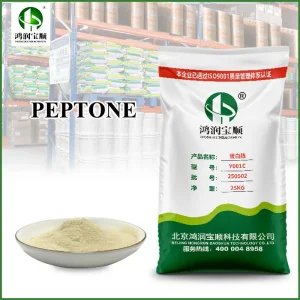
The metabolic efficiency of this process is highly dependent on the availability of complex organic nitrogen sources. Because many wild-type and industrial lactose-fermenting strains are fastidious organisms—meaning they lack the biosynthetic pathways to synthesize certain essential amino acids and B-vitamins—the quality of peptones, yeast extracts, and beef extracts in the culture medium directly determines cellular growth rates, lactic acid yield, and viability during downstream processes like freeze-drying.
E-E-A-T Sourcing: Sourcing From Certified Factories
As a leading Chinese supplier, Beijing Hongrun Baoshun Technology Co., Ltd. (established in 2008) provides deep technical expertise and strict adherence to global quality metrics. Operating within the China (Beijing) Pilot Free Trade Zone and backed by dual certifications as a National "High-Tech Enterprise" and a "Zhongguancun High-Tech Enterprise," we integrate advanced biotechnology with industrial-scale output.
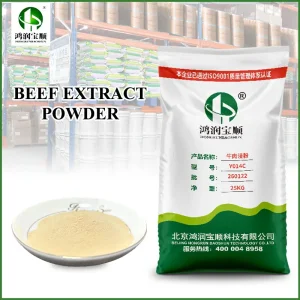
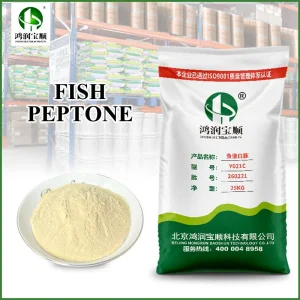
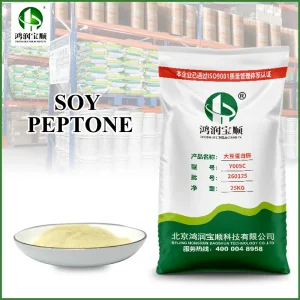
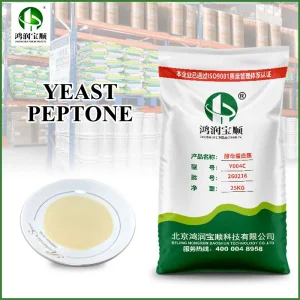
Our raw materials, including soy peptone, yeast peptone, and animal tissues-derived peptides, are produced under stringent ISO 9001:2015 Quality Management Systems and MUI Halal requirements. This ensures our global clients receive chemically consistent, endotoxin-monitored, and high-bioavailability raw materials suitable for batch, fed-batch, and continuous fermentation strategies.

Technical Roadmap & Future Outlook of Lactose Fermenting Cultures
The industrial utilization of lactose-fermenting bacteria is shifting from traditional empirical brewing to precision metabolic engineering. Modern applications require strains to perform under high osmotic pressure, low pH, and challenging thermal ranges. To support these evolving demands, the culture media must also evolve.
- Synthetic and Vegan-Compliant Formulations: With rising global regulatory demands for animal-free production (TSE/BSE-free verification), plant-derived nitrogen sources such as Soy Peptone and Wheat Peptone are replacing bovine peptones. These vegetable protein hydrolysates offer customized peptide profiles tailored for probiotic strains.
- Precision Nitrogen Fingerprinting: By tracking the specific peptide molecular weight distribution within yeast extracts and peptones, we optimize media to match the precise uptake kinetics of targets like Lactobacillus rhamnosus and Bifidobacterium animalis.
- Enhancing Cryoprotective Capabilities: Advanced nitrogen sources rich in free amino acids like proline and glutamic acid serve as natural osmoprotectants, increasing bacterial survival rates by up to 35% during post-fermentation lyophilization (freeze-drying).
Localized Application Scenarios: Where Our Raw Materials Drive Yields
1. Industrial Dairy & Starter Cultures
In dairy processing plants globally, rapid acidification is critical to inhibit foodborne pathogens. Using our premium yeast extracts and peptones ensures starter cultures (e.g., Streptococcus thermophilus) reach peak log-phase growth rapidly, ensuring consistent batch acidification times and optimal texture development in cheese and yogurt.
2. Clinical Probiotic & Nutraceutical Production
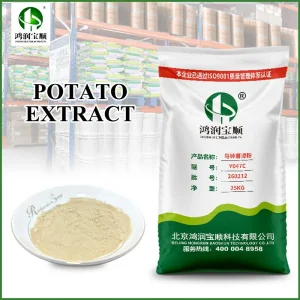
For therapeutic probiotics targeting gut health, high cell density is required. Our soy peptone and potato extract supply balanced carbohydrates, organic nitrogen, and vital growth factors, allowing manufacturers to achieve dry cell weights exceeding traditional limits while maintaining vegan compliance.
3. Silage Fermentation & Agriculture Preservation
Lactose-fermenting bacteria are widely sprayed onto forage to preserve nutrients through rapid lactic acid generation. Our agricultural-grade organic nitrogen supplies offer a highly cost-efficient solution to cultivate large-volume, robust agricultural inoculants locally.