Direct supply from ISO 9001 certified and MUI Halal-compliant manufacturing plants.
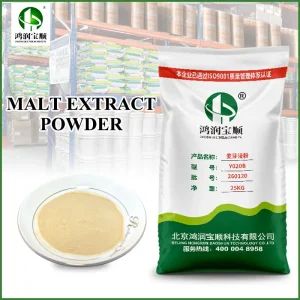
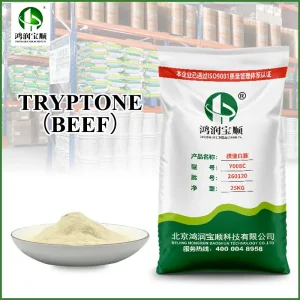
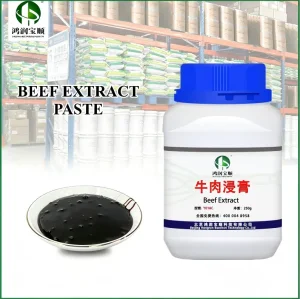
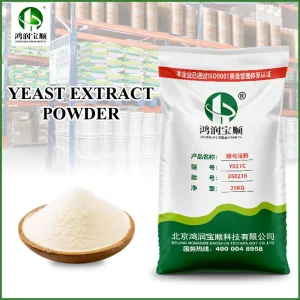
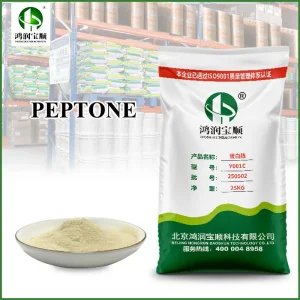
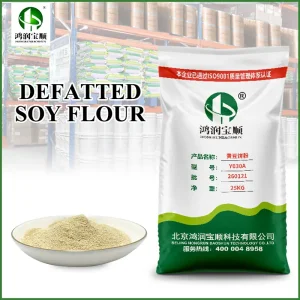
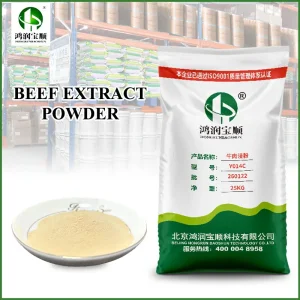
Lactose Peptone Water is a liquid culture medium primarily formulated to facilitate the presumptive identification and growth of coliform bacteria, particularly Escherichia coli, as well as serving as an essential pre-enrichment broth for pathogenic organisms like Salmonella species in food, water, and waste processing materials.
The medium's diagnostic capability relies on a simple yet highly effective biochemical reaction: the enzymatically digested peptones provide essential sources of nitrogen, amino acids, and vital trace minerals required for bacterial metabolism, while the incorporated lactose serves as a fermentable carbohydrate source. Standard formulations maintain an osmotic equilibrium using sodium chloride, ensuring the viability of sublethally injured organisms during the recovery phase.
"By monitoring the enzymatic breakdown and production of gas/acid within the liquid matrix, analysts can confidently screen water supplies and biological materials in compliance with international microbial limits."
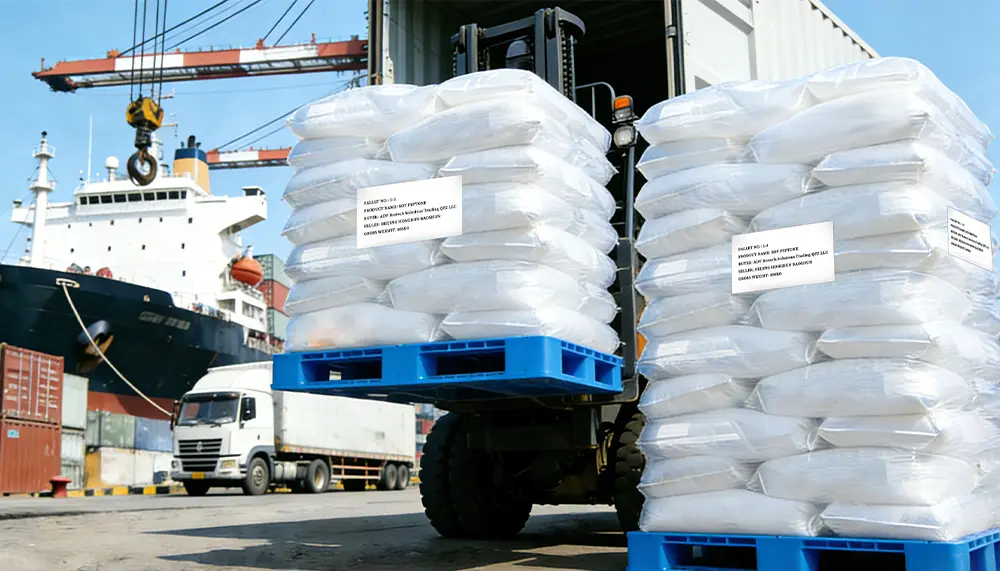
Meeting the strict technical specifications required for food safety, clinical diagnostics, and clean water compliance.
Municipal water departments and global ecological institutes rely on Lactose Peptone Water to detect presumptive coliforms, identifying potential fecal contamination in environmental water bodies before distribution.
From dairy farms to poultry processing lines, compliance testing for E. coli relies heavily on LPW pre-enrichment. Ensuring zero-tolerance pathogens do not enter the global food supply chain is paramount.
Pharmaceutical bio-burden testing requires highly standardized formulations. LPW guarantees raw ingredients remain uncontaminated, preserving high clinical standards in sterile environment control.
Strategic movements in raw material synthesis, security of supply, and high-purity processing.
Historically, laboratories relied on freshly prepared media or ready-to-use liquid batches. However, long-distance supply chains and risk of contamination have shifted the market towards dry, highly stable Dehydrated Culture Media (DCM). Anhydrous formulations reduce transport weight, prolong shelf life under varying warehouse climates, and allow customization on-demand.
By shifting to dry powdered forms of Lactose Peptone Water, companies can mitigate shipping costs and achieve precise concentrations that conform to specific regional regulatory standards (such as US-EPA or European Pharmacopoeia specifications).
Rising regulatory pressures surrounding Transmissible Spongiform Encephalopathies (TSE/BSE) have accelerated the demand for animal-free culture components. Modern research labs prefer media prepared with plant-derived nitrogen sources like soy peptones or wheat peptones.
Hongrun Baoshun has stayed ahead of this regulatory curve by operating independent plant-source processing lines, ensuring that high-purity, animal-free alternatives match the physiological efficiency of traditional casein peptones.
Optimizing risk profiles, bulk purchasing workflows, and quality validation metrics for large-scale operations.
Procurement teams demand fully transparent records of raw meat or plant collection, enzyme digestion processes, and packaging environments. Complete documentation (COA, MSDS, TSE/BSE-free Certificates) is essential for rapid clearance.
Slight fluctuations in peptone concentration or mineral content can lead to varying growth curves. Our computerized mixing and advanced spray-drying systems ensure every manufactured batch is structurally identical.
Global biological supply chains require certifications to cater to diverse regions. Having MUI Halal and ISO 9001 certifications guarantees product compatibility with global regulatory frameworks.
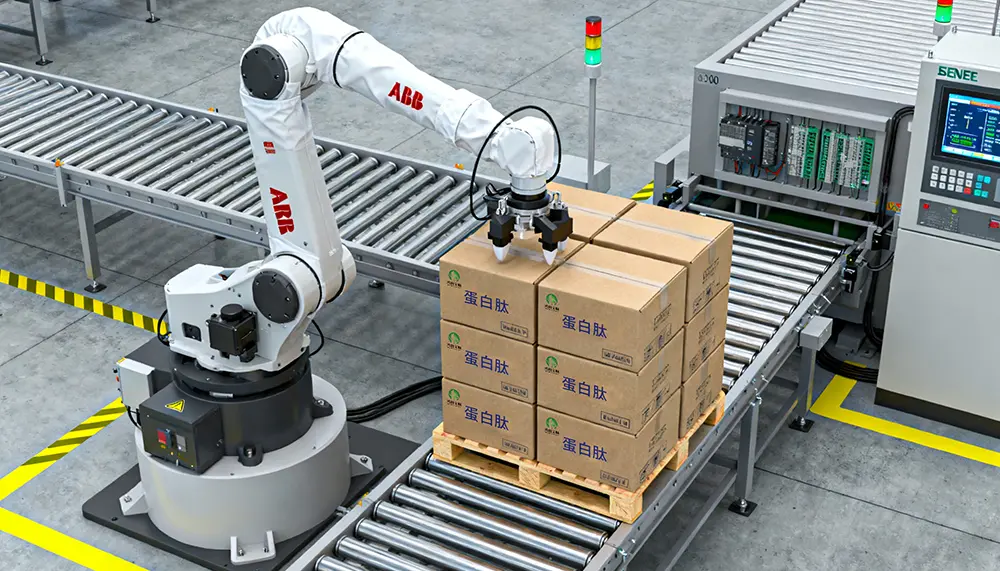
Operating from our state-of-the-art facility in Qili Industrial Park (Sichuan), Beijing Hongrun Baoshun Technology Co., Ltd. oversees more than 40,000 square meters of production space, supported by 20,000 square meters of high-density temperature-controlled warehousing.
By separating animal-derived and plant-derived production zones, we eliminate cross-contamination risks. With advanced industrial spray dry-mills, sterile packaging lines, and fully automated diagnostic assay controls, we offer unmatched scale to pharmaceutical, biochemical, and agricultural clients worldwide.
How global labs utilize Lactose Peptone Water for presumptive coliform testing.
Collect samples in sterile container. Dispense dehydrated LPW at 13g/L, autoclavable at 121°C for 15 minutes. Inoculate testing aliquot with Durham tubes inside. Incubate at 35°C for 24-48 hours. Observe for presence of gas/acid.
Mince 25g of solid sample (e.g., raw poultry/dairy) and blend with 225ml Lactose Peptone Water. Using this non-selective pre-enrichment step, sublethally injured pathogen cells recover before isolation stages.
In massive amino-acid or enzyme fermentation schemes, LPW serves as a rapid inoculating media, helping micro-colonies expand exponentially in balanced osmotic conditions prior to major reactor scale-up.
Addressing the technical, regulatory, and practical questions of biological laboratory managers.
Essential organic nutrients engineered for microbiological and agricultural biotechnology.
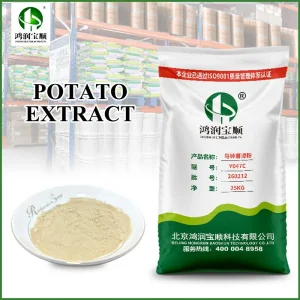
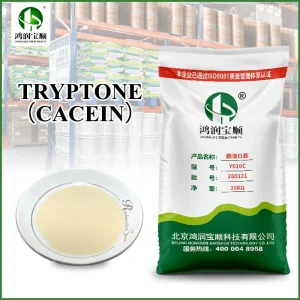
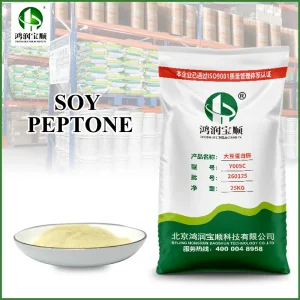
 Hongrun Baoshun