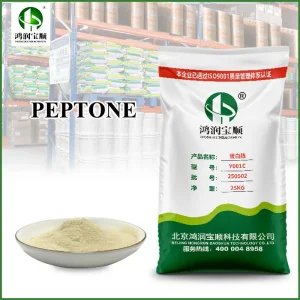
High-purity organic nitrogen sources manufactured to strict international quality standards
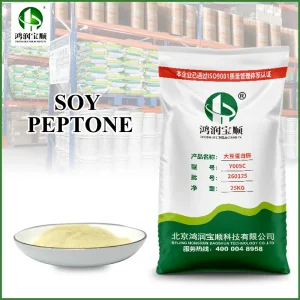
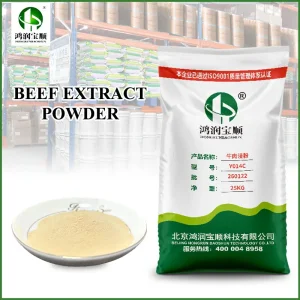
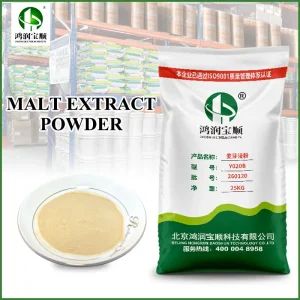
Roasted soybean meal has emerged as an indispensable cornerstone in both modern animal nutrition and industrial biotechnology. Historically utilized primarily as a high-protein feed ingredient for livestock, technological advancements have unlocked its deep potential as a key precursor for plant-derived peptones and culture media. Today, the global demand for roasted soybean meal is driven by a macro shift toward sustainable, animal-free organic nitrogen sources in industrial fermentation, pharmaceutical production, and biological agriculture.
From a commercial perspective, roasted soybean meal provides a complete amino acid profile, high protein density, and excellent cost-efficiency. Manufacturers globally are optimizing thermal processing systems to deliver soybean meal with precise nutritional and physical characteristics. By roasting soybeans under strictly controlled temperature and moisture regimes, producers effectively eliminate anti-nutritional factors (ANFs) such as trypsin inhibitors and lectins, while preserving the structural integrity of valuable proteins and amino acids. This makes the meal highly digestible for animals and highly bioavailable for microbial metabolism during enzymatic hydrolysis.

The industrial biotechnology landscape is undergoing a significant transition. Regulatory frameworks, particularly in the biopharmaceutical and vaccine sectors, increasingly restrict or discourage the use of animal-derived media due to concerns over Transmissible Spongiform Encephalopathies (TSE/BSE) and viral contamination. As a result, roasted soybean meal derivatives, such as soy peptone and hydrolyzed vegetable proteins, have become the preferred alternative.
Global logistics and supply chain strategies now prioritize high-purity, standardized soybean processing. High-quality manufacturers are located close to premium agricultural bases, ensuring that raw soybeans are processed shortly after harvest to prevent lipid oxidation and preserve protein solubility. The rising demand for organic acids, industrial enzymes, biopesticides, and bioplastics has further expanded the market for bulk industrial-grade soy peptone, placing manufacturers at the intersection of traditional agriculture and high-tech biotechnology.
Understanding the transition from raw soybean meal to highly bioavailable plant peptones
The core challenge in utilizing soybean protein for industrial processes lies in the presence of naturally occurring antinutrients. Raw soybeans contain significant quantities of Kunitz and Bowman-Birk trypsin inhibitors, which interfere with protein breakdown. Furthermore, urease activity in raw soy can lead to unwanted ammonia accumulation in biochemical reactions.
Applying heat between 110°C and 130°C denatures the tertiary structure of trypsin inhibitors, rendering them inactive. This step is critical to ensure that downstream proteolytic enzymes can efficiently cleave the soybean proteins into bioavailable peptides.
Using specific endo- and exo-proteases, the roasted soy proteins are broken down into a defined spectrum of molecular weights. This produces soy peptone rich in free amino acids, di-peptides, and tri-peptides, which are easily absorbed by microbial cultures.
Hydrolyzed soy proteins provide essential vitamins (specifically B-complex vitamins), carbohydrates, and minerals (such as potassium, magnesium, and sulfur), serving as a complete growth medium for sensitive organisms.
A key indicator of soybean meal quality is the Nitrogen Solubility Index (NSI) and the Protein Dispersibility Index (PDI). Over-roasting can lead to the Maillard reaction, where sugars bind to amino acids, reducing nutritional value and solubility. Under-roasting, on the other hand, leaves active trypsin inhibitors behind. Achieving the perfect balance requires advanced instrumentation and continuous quality control. By optimizing the moisture levels and the duration of heat exposure, manufacturers can produce a meal that retains high protein solubility while achieving low urease activity.
Established in 2008 • Science & Technology Innovation Area
Beijing Hongrun Baoshun Technology Co., Ltd. was established in 2008 and took root in the China (Beijing) Pilot Free Trade Zone Science and Technology Innovation Area. Leveraging its outstanding strength and unremitting pursuit, it has evolved into a modern high-tech enterprise integrating research and development, production, and sales. Moreover, it stands out as a distinguished recipient of dual certifications as a national "High-tech Enterprise" and a "Zhongguancun High-tech Enterprise."
In 2018, the company upgraded its strategic layout by expanding its production footprint to the Qili Industrial Park in Langzhong, Sichuan. Here, the combined floor area of Phase I and Phase II factories exceeds 40,000 square meters, with a storage area of 20,000 square meters, showcasing its grand scale and formidable strength. Over 100 employees work in unison, relying on independent production lines for animals and plants to meticulously craft a diverse range of products, including peptones and yeast (extract) powders. With large batch sizes, a comprehensive range of specifications, multiple grades, and the ability to customize according to customer needs, it fully meets the diverse demands of the market.
Our five specialized subsidiaries develop in synergy, forming a powerful collective force to deliver premium biotech raw materials worldwide:
We strictly adhere to the quality standard of "no substandard products leaving the factory."
From soybean cultivation to premium plant peptone extraction
Non-GMO soybeans are selected based on size, moisture content, and protein density, and cleaned to remove impurities.
Soybeans are roasted at optimized temperatures to deactivate anti-nutritional factors (urease, trypsin inhibitors) without damaging key proteins.
Outer hulls are separated, and the roasted kernels are ground into a fine, high-solubility meal ready for aqueous extraction.
Proprietary food-grade proteases digest the slurry at specified temperature and pH curves, producing targeted molecular weight peptide profiles.
Ultrafiltration removes insoluble fibers and large molecular proteins, followed by concentration to optimize solids density.
The liquid concentrate is spray-dried in sterile chambers to yield a free-flowing, non-hygroscopic, highly soluble powder.
Optimized formulations designed to meet the demands of global industries
Our plant-derived peptones serve as the primary nitrogen source in dehydrated and plating media, supporting the growth of fastidious bacteria and fungi without risk of animal pathogens.
We provide ultra-pure, cell-culture-grade plant protein hydrolysates. These are strictly monitored for heavy metals, endotoxins, and clarity, meeting the quality standards required for bioprocess applications.
In large-scale industrial fermentation (such as the production of amylases, proteases, or organic acids), our raw materials offer a cost-effective, high-yield nitrogen source that enhances growth rates and production efficiency.
Lactic acid bacteria, bifidobacteria, and other probiotics require bioavailable peptides for efficient biomass accumulation. Our plant nitrogen sources support stable cell density without using dairy proteins.
Applied as biological fertilizer enhancers and organic nitrogen additives, our products stimulate beneficial soil microflora, improve soil structure, and increase crop resistance to stressors.
How our manufacturing capability and service system support your supply chain
We supply a wide range of microbial fermentation raw materials, offering animal-derived (beef, fish), plant-derived (soy, wheat), and yeast-derived peptones and extracts from a single source.
With our 40,000㎡ production base in Sichuan and 20,000㎡ of storage area, we manage the entire production process independently to ensure consistent supply and controllable lead times.
We operate under the ISO9001:2015 quality management system and maintain MUI Halal compliance. Our strict testing protocols ensure that no substandard product leaves the factory.
We offer free product samples up to 500g (excluding shipping fees) to support your R&D team in evaluating performance and compatibility before making bulk orders.
Our R&D department can customize product specifications, including molecular weight distribution and filtration levels, to align with your specific fermentation requirements.
Our dedicated team provides clear and professional communication in multiple languages, assisting with logistics and regulatory paperwork for clients worldwide.
Technical answers regarding raw materials, quality standards, and processing technologies
Roasting soybean meal under controlled thermal conditions is essential to denature trypsin inhibitors and lectins, which are natural antinutrients in raw soybeans. Eliminating these factors prevents them from inhibiting proteases during enzymatic hydrolysis. This step ensures clean peptide fragmentation, increases nitrogen solubility, and yields a highly bioavailable plant peptone for industrial fermentation.
Yes, our plant-derived products, including soy peptone and wheat peptone, are produced on dedicated animal-free manufacturing lines and carry MUI Halal certification. This clean-line processing ensures that they meet the strict requirements of global food, biotech, and pharmaceutical supply chains.
We enforce strict quality control at our 40,000㎡ Langzhong production base under our ISO9001:2015 system. By using standardized raw materials, automated temperature controls during roasting, and controlled enzymatic digestion, we keep variability in peptide molecular weight distribution, pH, moisture, and ash content to a minimum across batches.
Yes. We offer customizable formulations to meet the specific requirements of our clients. By adjusting our enzyme cocktails and digestion times, we can tailor the ratio of free amino acids to short-chain and long-chain peptides, optimizing the nitrogen source for your target strain's metabolic pathway.
We provide free evaluation samples of up to 500g per product to qualified businesses and research institutions. The customer is responsible for shipping costs and any import customs clearance fees. Please contact our sales team to arrange sample shipments for your lab evaluations.
Refined raw materials and extracts designed for industrial applications
 Hongrun Baoshun