Select catalog of direct manufacturer-sourced plant proteins, yeast peptones, and biological fermentation substrates.
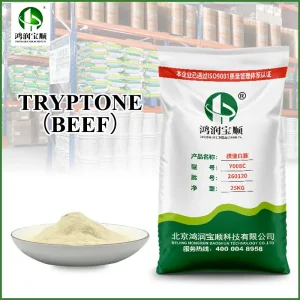
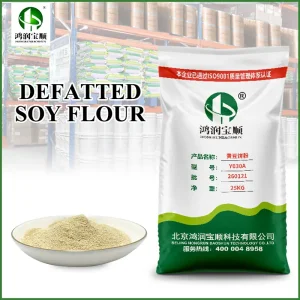
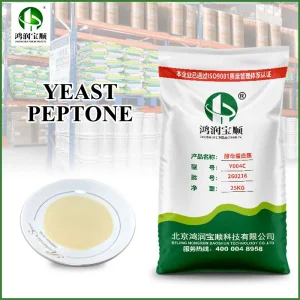
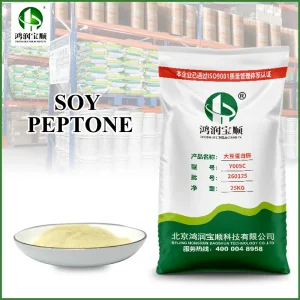
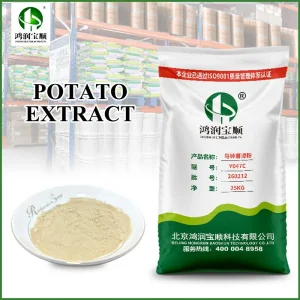
The global demand for high-concentration organic nitrogen sources has undergone a paradigm shift. Standard agricultural-grade soybean meal no longer satisfies the rigorous specifications of modern biotechnological industrial applications. In the context of industrial microbiology, animal feed science, and bio-based agriculture, wholesale soybean meal processing factories act as the critical gateway converting raw agricultural products into bioactive nutrients.
Currently, the global biochemical sector relies heavily on stable supplies of non-GMO plant proteins. Factories are pressured to shift from basic solvent extraction processes to advanced biological processing methods, such as solid-state and liquid fermentation. The primary objective is to decrease anti-nutritional factors (such as trypsin inhibitors, phytate, and soybean oligosaccharides) while maximizing peptide concentration, free amino acid availability, and microbial digestibility. Consequently, standard production footprints have expanded into multi-functional facilities capable of supplying specialized, high-purity protein fractions globally.
Several macro-economic factors influence the current state of the global industrial soybean meal market. Primarily, the rise of the circular bio-economy and regulatory restrictions on animal-derived proteins (due to concerns about BSE and other transmissible spongiform encephalopathies) have accelerated the demand for high-performance plant alternatives. Soy peptone, fermented soybean meal, and organic soy flour have emerged as gold standards for replacing bovine extracts in microbial fermentation media, vaccine production, and probiotics propagation.
Creating highly bio-available organic nitrogen from raw soy requires a sophisticated, multi-phase technical roadmap. The processing pipeline at our state-of-the-art facilities leverages automated control loops to govern temperature, pH, enzyme additions, and drying dynamics, ensuring batch-to-batch consistency.
Non-GMO soybeans undergo automated mechanical cleaning, sizing, and de-hulking. Solvent-free pressing and controlled low-temperature oil extraction ensure the raw protein structures remain un-denatured, preserving the primary peptide linkages for subsequent enzymatic cleavage.
Using proprietary food-grade endo- and exo-proteases, we split long-chain proteins into easily digestible peptides (di-peptides, tri-peptides) and free amino acids. Microbial fermentation utilizing selected probiotic strains (such as Lactobacillus or Bacillus subtilis) reduces anti-nutritional factors by over 95%.
The liquid digest passes through multi-stage microfiltration and ultrafiltration units to remove insoluble cell debris and macromolecular polysaccharides. Vacuum evaporation then concentrates the liquid under low temperatures, preserving heat-sensitive amino acids.
Our large-scale spray drying towers transform the concentrated slurry into free-flowing, highly soluble powders. Continuous air-flow control prevents caramelization. Packaging occurs in Class 100,000 cleanrooms to eliminate contamination risk.
Our standard operating procedures maintain tight control over crucial analytical parameters: Total Nitrogen (TN) ≥ 7.0%, Amino Nitrogen (AN) ≥ 2.5%, moisture content ≤ 6.0%, and ash content ≤ 10%. By monitoring molecular weight distribution via HPLC, we ensure that over 80% of the peptides in our premium soy peptone fall below 2,000 Daltons, which corresponds to the ideal uptake threshold for most microbial organisms.
Beijing Hongrun Baoshun Technology Co., Ltd. (established in 2008) operates at the convergence of advanced biotechnology and robust raw material logistics. Our strategically selected production hubs demonstrate how the Chinese manufacturing model blends high-capacity manufacturing with strict quality standards.
Our upgrade in 2018 expanded our manufacturing capabilities to the Qili Industrial Park in Langzhong, Sichuan. Spanning more than 40,000 square meters of production area and supported by 20,000 square meters of advanced warehousing space, this facility houses separate, dedicated production lines for animal- and plant-based protein extraction.
By keeping these lines structurally independent, we completely eliminate cross-contamination, satisfying the strict requirements of pharmaceutical developers, kosher inspectors, and halal certifiers.
Our business structure includes specialized operating entities: Beijing Yaoyou Technology, Sichuan Baoshun Biotechnology, Sichuan Romgee Biotechnology, Sichuan Yingwen Technology, and Sichuan Runxiaobao Technology. This integrated approach ensures consistent supply stability, enabling us to guarantee delivery timeframes and maintain uniform pricing, even during global market shifts.
Industrial applications for processed soybean products vary significantly by region, regulated by local agricultural demands, clinical needs, and bioprocessing standards. By tuning our manufacturing parameters, we support several localized applications:
Biotech clients utilize high-solubility soy peptone as a non-animal organic nitrogen substrate to cultivate starter cultures, industrial enzymes, and secondary metabolites like organic acids.
Highly digestible fermented soybean meal serves as a functional protein source for shrimp, salmon, and larval feeds. The enzymatic treatment reduces intestinal inflammation, supporting improved feed conversion ratios (FCR).
In eco-friendly crop cultivation, our water-soluble soy protein powder acts as a natural biostimulant, supplying amino acids directly to plant tissues and feeding beneficial soil microbiomes.
Entering global biotechnology markets requires alignment with international certification schemes. Beijing Hongrun Baoshun Technology Co., Ltd. operates under strict quality management frameworks, verified by our ISO 9001:2015 Certification and full compliance with MUI Halal Certification standards.
Our compliance team maintains trace documentation for all incoming grain shipments, conducting heavy metal testing, pesticide residue screenings, and pathogen assays on every production run.
We are upgrading our processing systems to integrate continuous enzymatic hydrolysis loops controlled by artificial intelligence. By monitoring enzyme kinetics in real time, we can adjust processing temperatures and pH on the fly. This precision enables us to customize peptide molecular weight curves, matching the growth needs of specific industrial strains (such as yeasts, filamentous fungi, or fastidious bacteria like Lactobacillus).
Providing clear technical answers to simplify industrial qualification and procurement decisions.
High-purity yeast extracts, casein tryptones, and organic nitrogen powders designed for biological fermentation systems.
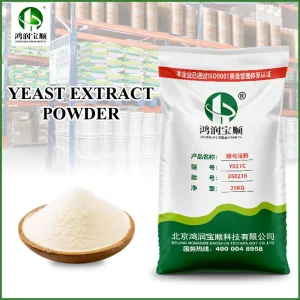
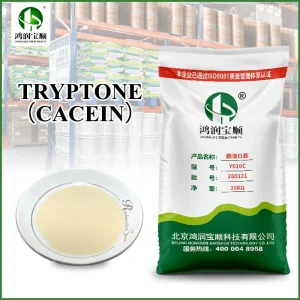
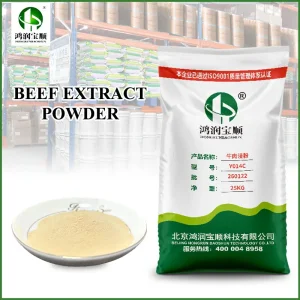
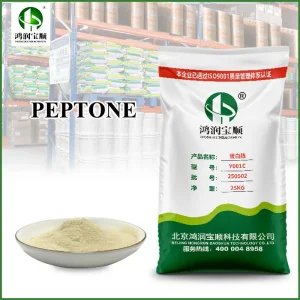
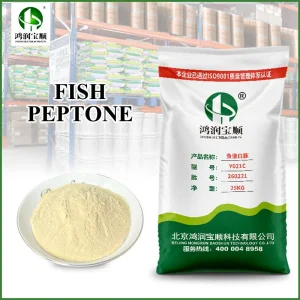
 Hongrun Baoshun