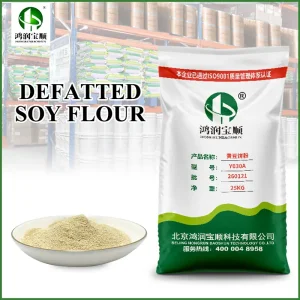
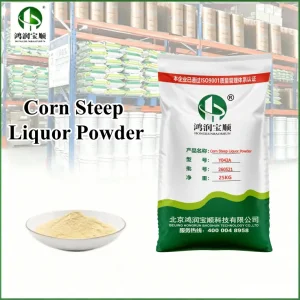
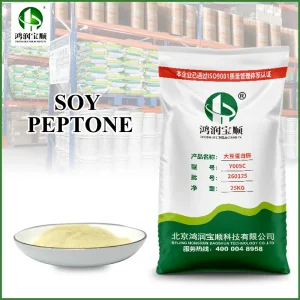
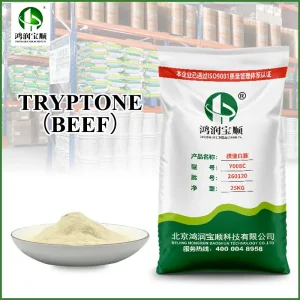
Butyric acid, a four-carbon carboxylic acid, has emerged as a cornerstone molecule in modern industrial biotechnology. Transitioning from historically fossil-reliant, chemically synthesized pathways to bio-based fermentation systems is no longer just an ecological objective; it is a profound commercial imperative. In biological systems, butyric acid acts as a crucial metabolite for gut health, a precursor to biofuels, and an indispensable building block in the chemical, pharmaceutical, and animal nutrition sectors.
Globally, industrial butyric acid production via fermentation relies heavily on the optimization of anaerobic microbes, primarily from the genus Clostridium (e.g., Clostridium butyricum, Clostridium acetobutylicum). The efficiency of this pathway depends fundamentally on media composition. Raw fermentation performance requires precisely formulated organic nitrogen sources, mineral matrices, and carbon feedstocks to maximize biomass and butyric yield while mitigating metabolic stress.
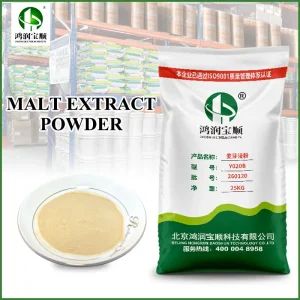
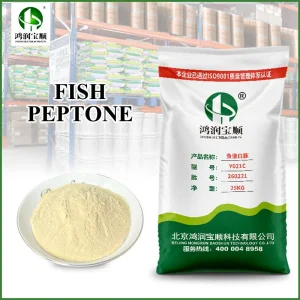
The metabolic pathways of butyric acid-producing microbes demand complex nutrients. Yeast extract and soy peptone provide crucial free amino acids, active peptides, and B-vitamins that facilitate rapid cell proliferation during the initial growth phase.
To steer anaerobic fermentation from acidogenesis (cell expansion and growth) to solventogenesis (butyric acid accumulation), specific organic nitrogen balances are critical. High-purity nitrogen sources prevent pre-mature fermentation stagnation.
Post-fermentation separation is highly sensitive to impurity residues. Utilizing premium raw materials like clarified peptones and highly soluble yeast extract powder minimizes downstream purification complexity and operational costs.
Established Year
Modern Production Area
Spacious Storage Capacity
Certified Quality Standard
Established in 2008, Beijing Hongrun Baoshun Technology Co., Ltd. has established deep roots in the Science and Technology Innovation Area of the China (Beijing) Pilot Free Trade Zone. As an integrated enterprise focusing on R&D, advanced manufacturing, and global trade, the company holds dual certifications as a National "High-Tech Enterprise" and a "Zhongguancun High-Tech Enterprise." We are dedicated to providing global biopharma, fermentation, and probiotics businesses with highly stable, industry-grade fermentation raw materials.
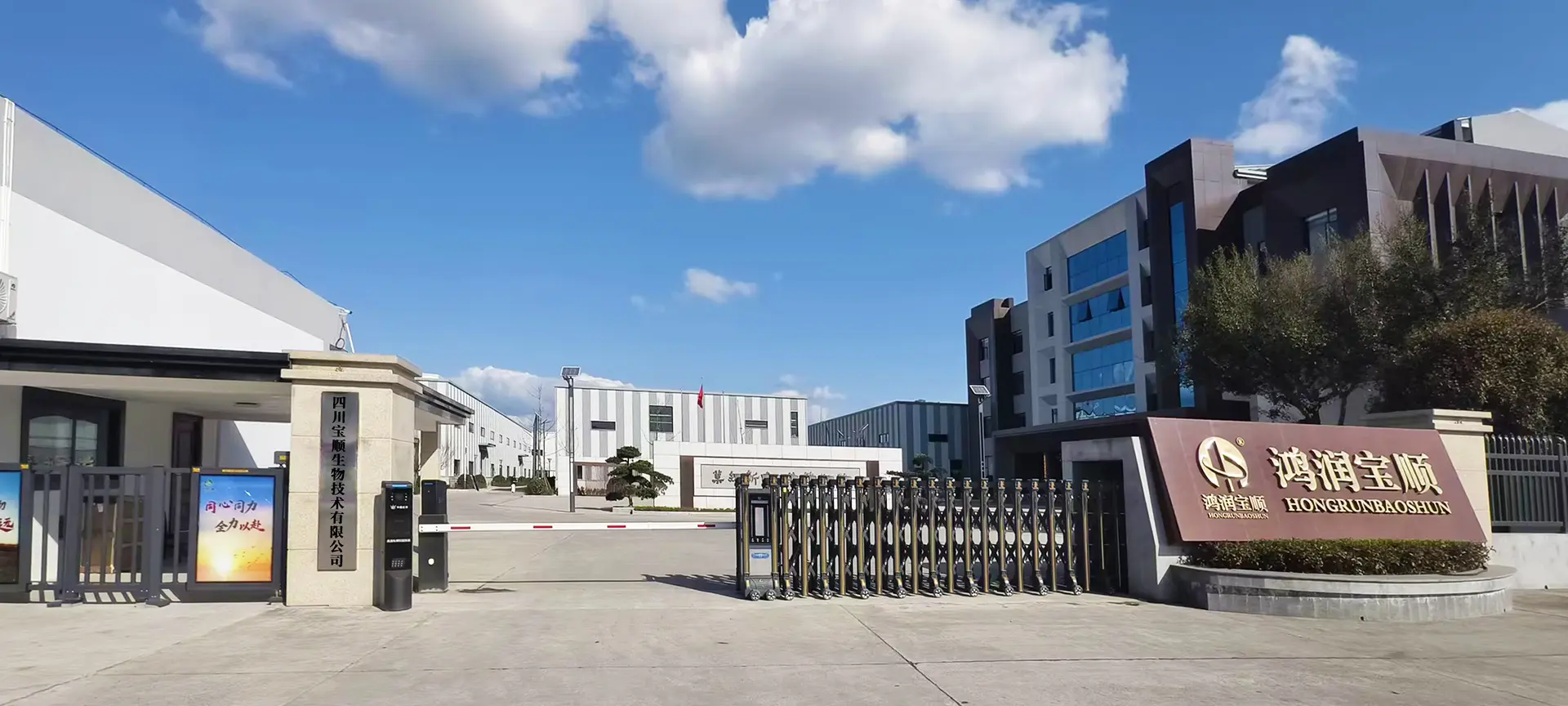
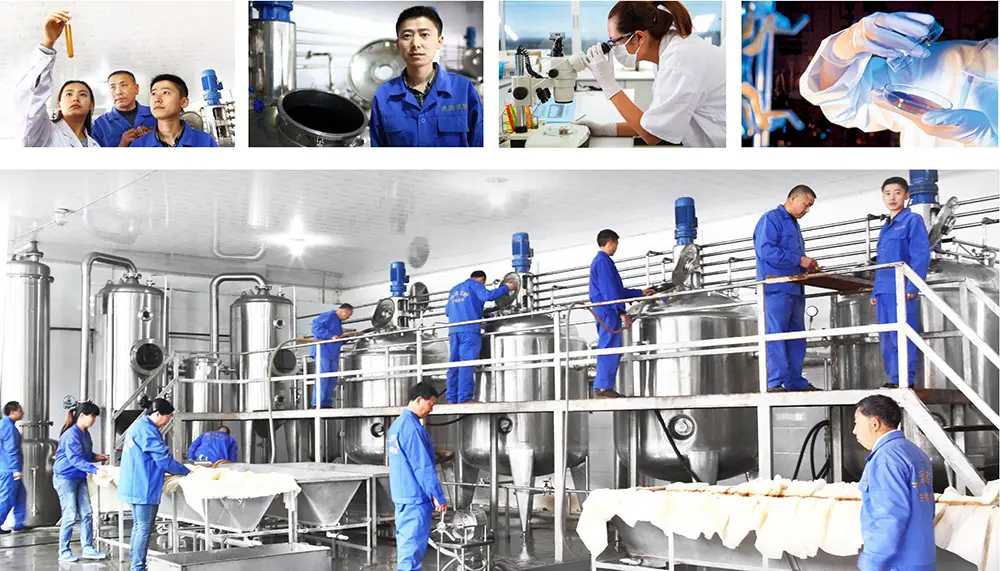
To guarantee scaling capacity, we established a massive 40,000-square-meter manufacturing footprint at the Qili Industrial Park in Langzhong, Sichuan. Supported by a 20,000-square-meter temperature-regulated warehousing facility and a dedicated team of over 100 biochemical and manufacturing specialists, we operate independent production lines for animal-derived, plant-derived, and yeast-derived ingredients. This strict segregation ensures compliance with religious, dietary, and cross-contamination guidelines (such as Halal and BSE/TSE-free protocols).
Our operational capability is strengthened by our five specialized subsidiaries. This robust infrastructure enables end-to-end supply chain integration, from raw material procurement to localized technical support:
In anaerobic fermentation, the conversion of carbon sources to butyrate follows a multi-step enzymatic pathway. Clostridium species metabolize glucose or starch via the Embden-Meyerhof-Parnas (EMP) glycolytic pathway to yield pyruvate. Pyruvate is subsequently oxidized to Acetyl-CoA, which enters the butyryl-CoA pathway. The final step involves the conversion of butyryl-CoA to butyric acid, catalyzed by phosphotransbutyrylase (Ptb) and butyrate kinase (Buk), or coenzyme A transferase.
This biochemical cascade requires a precise and balanced supply of cofactors, nitrogen, and vitamins. Complex organic nitrogen matrices play multiple roles:
Anaerobic enzymes like pyruvate-ferredoxin oxidoreductase rely heavily on thiamine, biotin, and nicotinic acid. Highly refined Yeast Extract Powder contains natural, bio-available forms of these key cofactors, lowering metabolic lag phase duration.
Different bacterial strains require specific free amino acids (e.g., glutamate, aspartate, and leucine) for cell envelope repair and enzyme synthesis. Plant-derived Soy Peptone and Wheat Peptone provide a balanced amino acid profile suitable for non-animal bioprocesses.
During fermentation scale-up, short-chain oligopeptides (di- and tri-peptides) are absorbed more efficiently by microbial cells than free amino acids or large polypeptides. Beef Tryptone and Casein Tryptone are processed to optimize this precise peptide distribution.
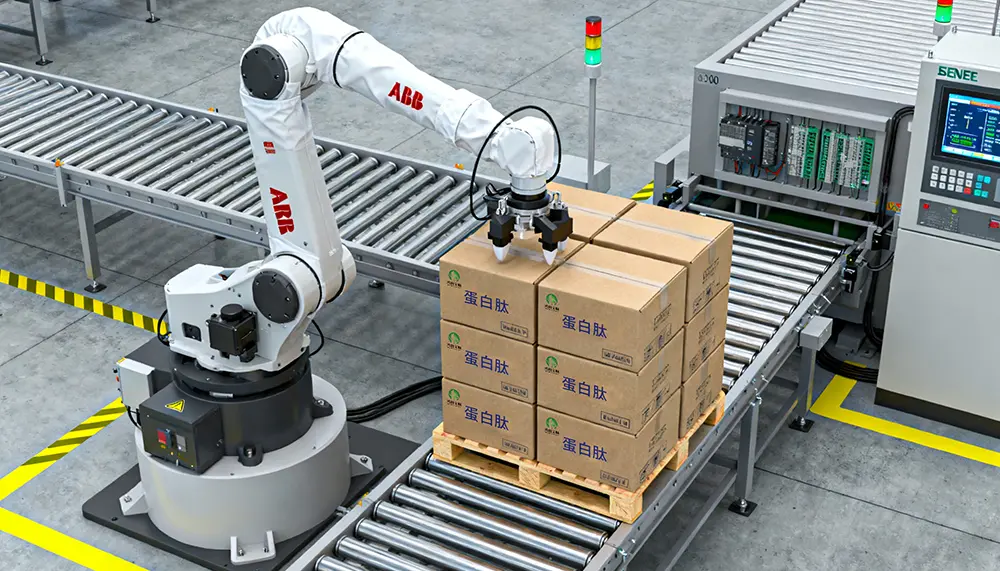
B2B procurement professionals sourcing raw materials for butyric acid fermentation face three primary challenges: batch-to-batch consistency, regulatory compliance, and supply chain security. Variability in organic nitrogen sources can lead to unpredictable fermentation runs, yielding inconsistent batch quality. Meeting diverse regional guidelines (such as European pharmaceutical standards, Halal certifications for the Middle East and Southeast Asia, and GM-free demands for organic foods) requires verified supply origin traceabilities.
Beijing Hongrun Baoshun Technology addresses these requirements through our structural supply solutions:
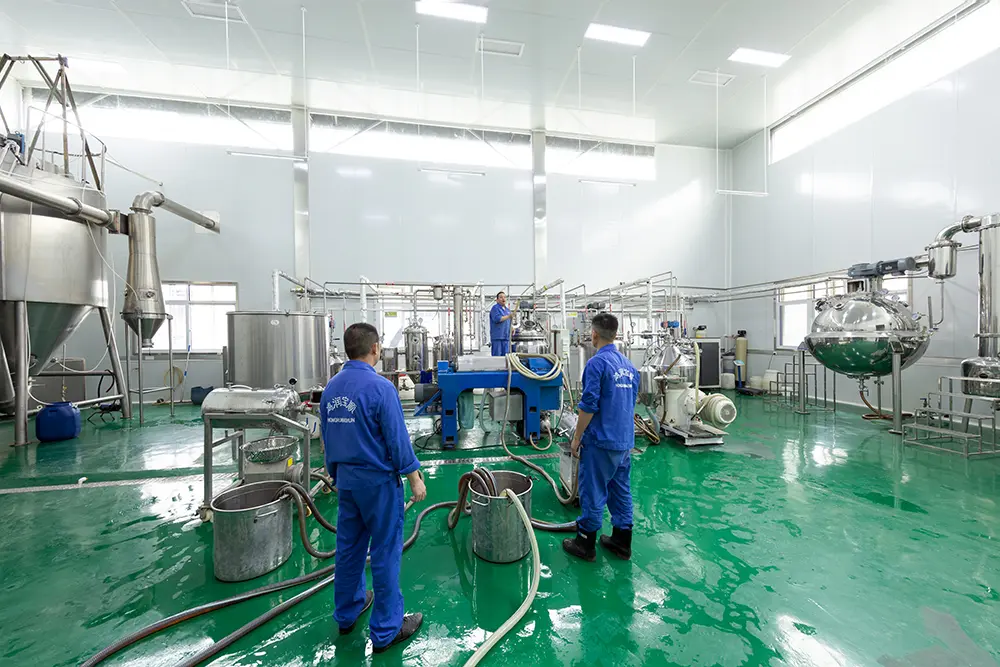
Our modern manufacturing facility utilizes automated hydrolysis and multi-stage filtration to control nitrogen levels, amino acid profiles, and physical solubility across every single production run.
We strictly adhere to ISO 9001:2015 quality management and MUI Halal certification requirements, enabling our ingredients to be used globally in food, pharma, and industrial fermentation.
Operating a dedicated 20,000-square-meter warehouse, we maintain key product reserves to buffer global supply chain fluctuations, ensuring reliable, on-time delivery.
For custom fermentation requirements, choosing the right nitrogen source is critical:
Providing high-purity dehydrated culture media, biological diagnostic reagents, and specialty peptones that meet strict microbiological purity requirements.
Utilizing high-nutrient fermented soybean meal and organic nitrogen feed additives to improve animal digestive health and feed utilization rates.
Optimizing culture media for beneficial microbes like Clostridium butyricum, Lactobacillus, and Bifidobacterium to maximize viable cell counts.
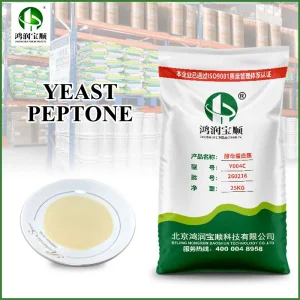
Supplying cost-effective bulk nitrogen sources (such as yeast peptone and corn steep liquor powder) for large-scale industrial chemical and organic acid production.
Providing eco-friendly, organic nitrogen-rich substrates to manufacture bio-fertilizers and biopesticides, promoting sustainable farming practices.
Providing clean, soluble protein hydrolysates to improve water quality control systems and support optimal larval nutrition.
The future of industrial bioprocessing lies in targeted media design. Standardized "one-size-fits-all" peptones are gradually being replaced by customized nutrient formulations tailored to specific microbial strains and bioreactor dynamics. Beijing Hongrun Baoshun Technology's R&D focus is centered on identifying how peptide molecular weight distributions influence specific microbial metabolic pathways.
Our upcoming product development initiatives focus on three primary goals:
 Hongrun Baoshun