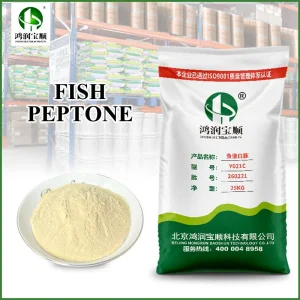
Select grade-optimized raw materials for microbial growth, precision culture media preparation, and consistent bioprocess scale-up.
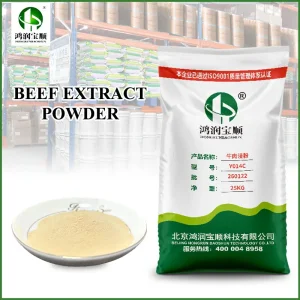
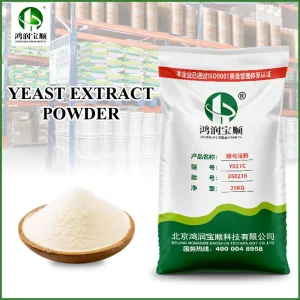
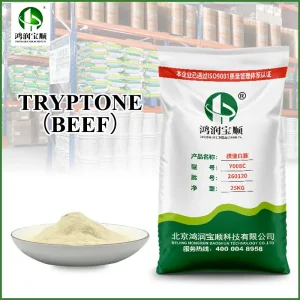
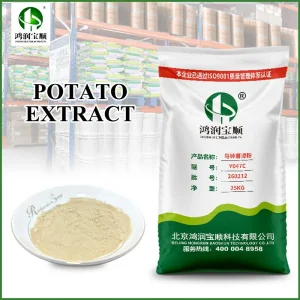
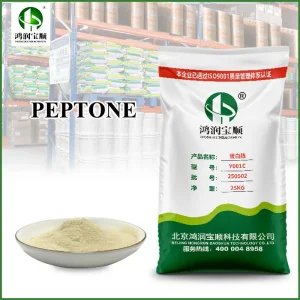
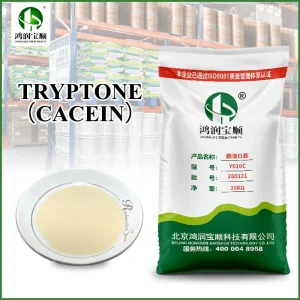
Understanding the macro factors that shape the global trade, safety standards, and bioprocess performance of Chinese biological fermentation suppliers.
In modern industrial biotechnology, precision fermentation has transitioned from a niche method of chemical synthesis to the backbone of global pharmaceutical, agricultural, food, and micro-ecological production. The performance of industrial bioreactors is highly dependent on the quality of organic nitrogen sources—such as peptones, yeast extracts, beef extracts, and pancreatic digests. These inputs provide the essential amino acids, small peptides, vitamins, and growth factors required by high-density cell cultures.
China has established itself as a leading global manufacturer and exporter of these raw materials. The country's extensive agricultural infrastructure, advanced enzymatic hydrolysis technologies, and scale-up capabilities have positioned Chinese factories as primary partners for international biotech buyers. However, navigating the Chinese market requires an understanding of the critical technical, environmental, and regulatory parameters that directly influence fermentation yields, batch-to-batch consistency, and product purity.
Analyzing raw material parameters, factory capabilities, and processing control strategies that impact manufacturing yield.
The molecular weight distribution of peptones and protein hydrolysates determines how readily microbes can assimilate nitrogen. Industrial strains vary in their preference for free amino acids versus short-chain di/tri-peptides. Leading Chinese factories rely on controlled enzymatic cleavage (pepsin, trypsin, or papain digests) to optimize molecular weight distributions, maintaining consistent Total Nitrogen (TN) to Amino Nitrogen (AN) ratios across different batches.
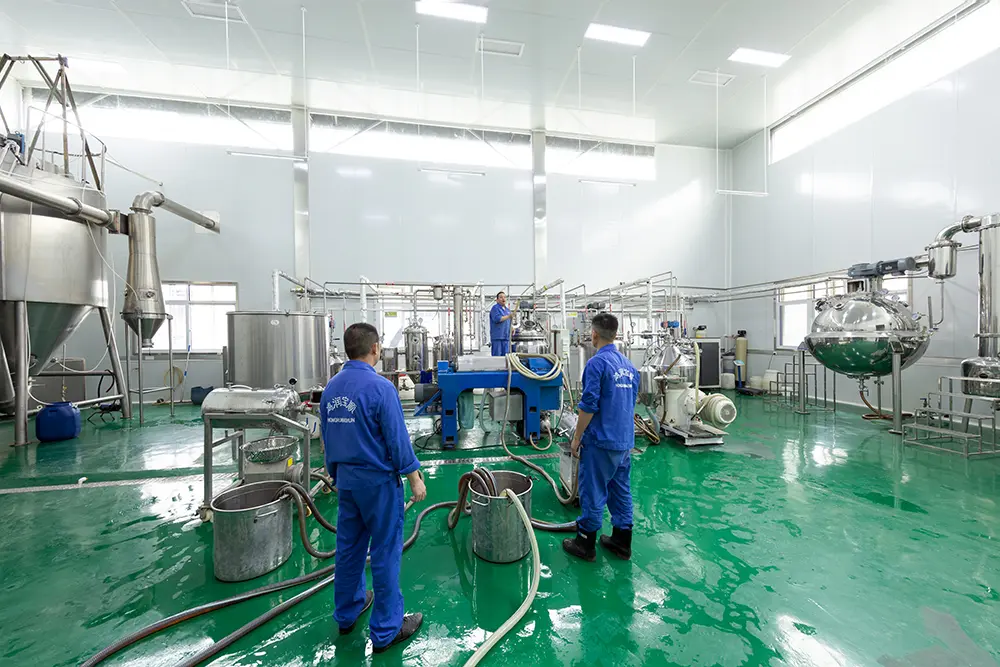
Variations in temperature, pH, and enzyme activity during digestion can lead to batch-to-batch variability. Advanced production plants employ automated, closed-loop PLC systems to stabilize temperature, pressure, and duration during the digestion process. Consistent enzyme dosing ensures stable peptide profiling, which helps prevent fermentation failures during pilot-scale and commercial production.
Excessive sodium, phosphate, or heavy metal residues can inhibit the growth of sensitive strains or complicate downstream purification. Suppliers must implement membrane filtration, ion exchange, and carbon decolorization to control ash content, heavy metals, and bacterial endotoxins, making these products suitable for biopharmaceutical applications.
For animal-derived nitrogen sources (such as beef extract and tryptone), compliance with biosecurity regulations is essential. Sourcing raw materials from verified, disease-free zones and obtaining certifications like MUI Halal or ISO9001:2015 is necessary to meet global import regulations and support supply chain integrity.
A certified leader in biotechnology innovation, offering high-quality animal and plant protein solutions for global industries.
Established in 2008 in the China (Beijing) Pilot Free Trade Zone Science and Technology Innovation Area, Beijing Hongrun Baoshun Technology Co., Ltd. integrates R&D, large-scale production, and global sales. Recognized as a national "High-tech Enterprise" and a "Zhongguancun High-tech Enterprise," the company has built a reliable supply chain network for microbial fermentation raw materials.
In 2018, Hongrun Baoshun expanded its manufacturing capabilities with a new production base in the Qili Industrial Park in Langzhong, Sichuan. The Phase I and Phase II factories cover more than 40,000 square meters, supported by 20,000 square meters of storage. This facility operates dedicated animal and plant-derived processing lines to prevent cross-contamination and ensure quality control.
The company operates through five specialized subsidiaries to manage the value chain: Beijing Yaoyou Technology, Sichuan Baoshun Biotechnology, Sichuan Romgee Biotechnology, Sichuan Yingwen Technology, and Sichuan Runxiaobao Technology. This integrated structure supports compliance with ISO9001:2015 quality management and MUI Halal standards, adhering to a strict policy of "no substandard products leaving the factory."

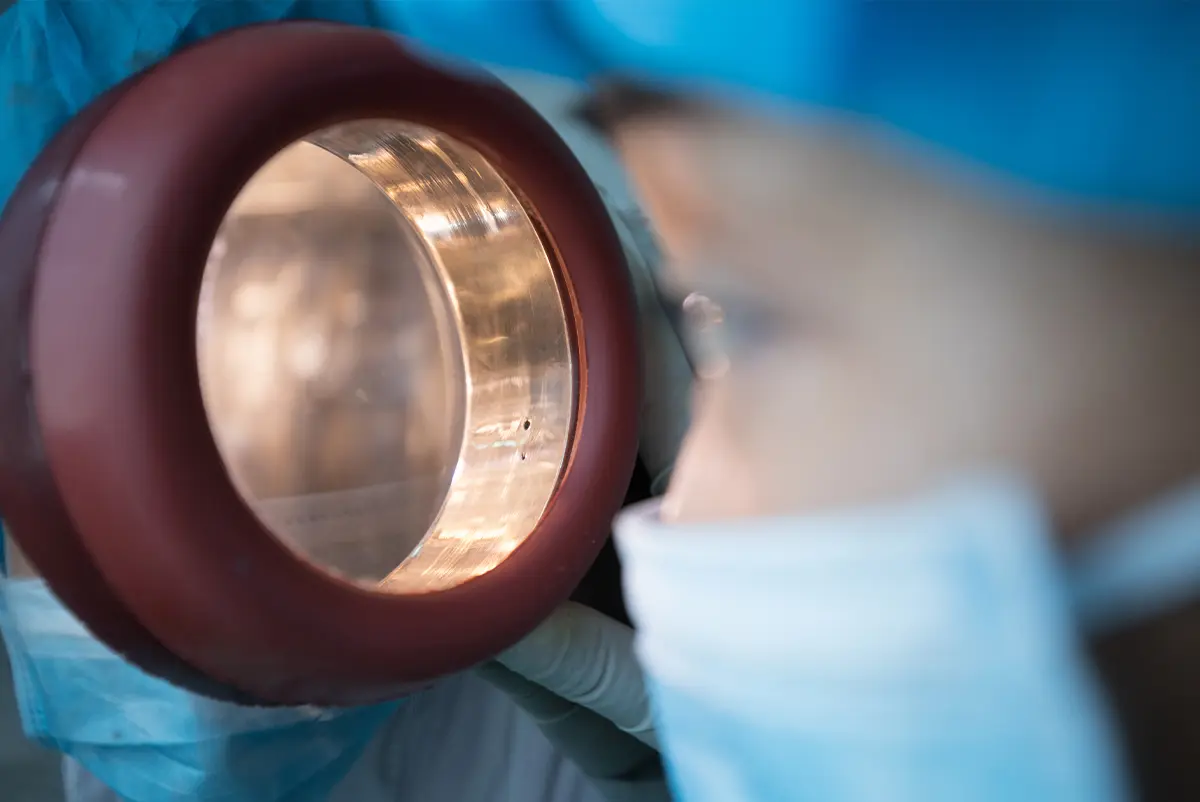
Evaluating the shift toward animal-free nitrogen sources and advanced enzymatic hydrolysates.
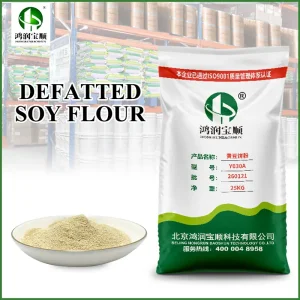
Driven by concerns over BSE/TSE contamination and the growth of clean-label bioproducts, demand for plant-based nitrogen sources (pea, wheat, soy, and potato extracts) is increasing. Manufacturers are optimizing plant protein solubility to match the performance of animal-derived peptones.
Standard peptones are being replaced by tailored molecular weight profiles. By combining endopeptidases and exopeptidases, factories can customize peptide and amino acid content to meet the specific requirements of target microbial strains.
Implementing inline HPLC, nitrogen determination, and automated spray-drying temperature controls helps minimize batch-to-batch variation, improving predictability in large-scale bioreactor operations.
Hongrun Baoshun's organic nitrogen portfolio supports diverse industrial applications globally.
Essential components for dehydrated and plating media used in clinical diagnostics and research labs.
Supports the expression of recombinant proteins, vaccines, and monoclonal antibodies in mammalian and bacterial cultures.
Assists in the production of bulk amino acids, citric acids, and vitamins via industrial fermentation.
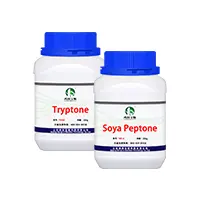
Optimizes growth dynamics for high-density cultures of Lactobacillus, Bifidobacterium, and other beneficial microflora.
Leverage our production scale, quality control systems, and customer-focused services to optimize your supply chain.
We supply animal, plant, and yeast-derived nitrogen sources to meet diverse application requirements.
With independent production lines and raw material reserves, we guarantee consistent supply and controlled lead times.
Our materials undergo strict testing to ensure high purity, consistency, and compliance with import regulations.
We provide up to 500g of sample product for evaluation and quality trials (excluding shipping fees).
We offer technical guidance throughout the process, including pre-sales consultation and product application advice.
We support personalized adjustments to peptide size, nitrogen ratios, and packaging parameters to match client needs.
Common queries regarding sourcing, compliance, and application of industrial fermentation raw materials.
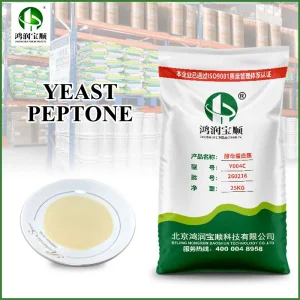
Choosing a nitrogen source depends on your microbial strain's nutritional requirements, biosecurity limits, and downstream purification steps. Animal-derived peptones (e.g., beef peptone, tryptone) provide complex growth factors and are suitable for demanding pathogens and biopharmaceutical systems. Plant-derived peptones (e.g., soybean, wheat) are used in animal-free production systems and help simplify regulatory compliance, though they may require process optimization to match growth rates.
We manage consistency through automated control of the hydrolysis reaction, including pH, temperature, and enzymatic activity. Finished batches undergo analysis for free amino nitrogen ratios, ash levels, and molecular weight distribution before release, ensuring performance stability in large-scale bioreactors.
Yes. We support custom adjustments to total/amino nitrogen ratios, specific enzyme digests, and salt/ash levels to optimize nutrient performance for specific target organisms. Please contact our technical team to discuss specifications.
Our production facilities are certified under the ISO9001:2015 quality management system and hold MUI Halal certifications. This supports compliance with international standards for feed, food, and biomanufacturing applications.
Explore animal-free protein digests, plant extracts, and specialty biological nutrients for industrial-scale bioprocessing.
 Hongrun Baoshun