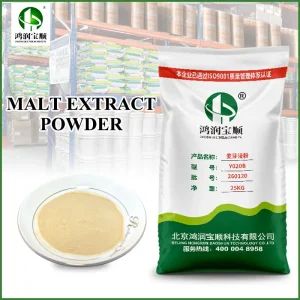
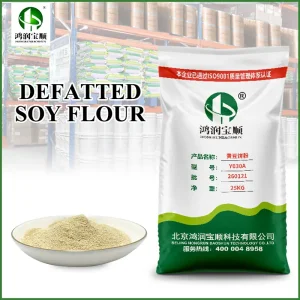
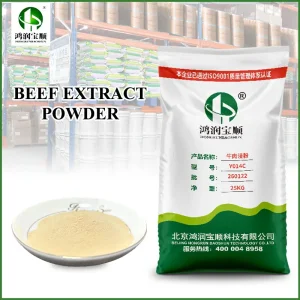
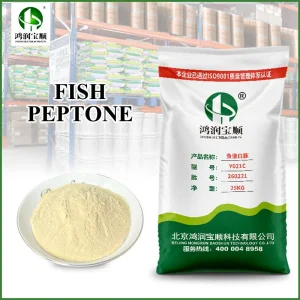
Explore our core selection of animal, plant, and yeast-derived nitrogen nutrients tailored for microbial growth, biostimulants, and industrial fermentation.
Modern industrial biotechnology and intensive agricultural systems demand highly efficient, bio-available nitrogen sources. Traditional synthetic nitrogen salts often fall short in complex fermentation environments, failing to provide the vital growth factors, amino acids, and vitamins required by high-density bacterial cultures and premium biostimulants. Our high nitrogen plant food, peptones, and yeast extracts resolve these processing bottlenecks.
As a leading China High Nitrogen Plant Food Manufacturer & Supplier, Beijing Hongrun Baoshun Technology Co., Ltd. specializes in delivering high-purity, standardized amino acid and peptide profiles. By adopting state-of-the-art enzymatic hydrolysis and low-temperature vacuum concentration, we guarantee raw materials with exceptional solubility, thermal stability during sterilization, and minimal batch-to-batch variation.
Our solutions directly support the global transition toward ecological farming and precision biomanufacturing. By replacing synthetic urea with plant-derived non-GMO wheat peptones, soy peptones, and natural yeast extracts, manufacturers achieve higher cell densities, accelerated growth rates, and clean label compliance.

Established in 2008, Beijing Hongrun Baoshun Technology Co., Ltd. has expanded its production footprint to meet the growing global demand for high-quality microbial and agricultural nitrogen sources.
Our strategic expansion into the Qili Industrial Park in Langzhong, Sichuan (Phase I & Phase II) has enabled a reliable supply chain. Operative under rigid quality management structures, our five core subsidiaries—Beijing Yaoyou Technology, Sichuan Baoshun Biotechnology, Sichuan Romgee Biotechnology, Sichuan Yingwen Technology, and Sichuan Runxiaobao Technology—develop in synergy to offer unparalleled service, flexible pricing, and rapid delivery times.
Understanding the biochemistry of organic nitrogen sources and their physiological impact on crops, plants, and microorganisms.
Acid digestion destroys critical amino acids (such as Tryptophan) and elevates salt levels, which inhibits microbial growth and crop health. Our advanced enzymatic hydrolysis process maintains intact bioactive peptides, vitamins, and natural minerals, providing a more balanced nitrogen source.
We configure the molecular size distribution of our peptones. By balancing free amino acids, di-peptides, tri-peptides, and larger polypeptides, we ensure that organisms receive immediate nutrition followed by a sustained release of nitrogen over long growth cycles.
By keeping plant-derived (Soy, Wheat, Potato, Malt) and animal-derived (Beef, Fish, Casein Tryptone) lines strictly separated, we eliminate cross-contamination. This dual-track manufacturing strategy guarantees Halal compliance and fulfills vegan and non-GMO market mandates.
Our raw materials serve key roles across multiple high-performance industries around the globe.

In organic agriculture, our plant peptones and fermented soybean meals function as premium biostimulants. Rich in organic nitrogen, they chelates trace elements, making micronutrients like Iron, Zinc, and Manganese highly mobile and easily absorbed by crop roots. This enhances chlorophyll synthesis and fortifies crops against abiotic stressors.
For biopharmaceutical labs and fermentation factories, consistency is critical. Our tryptone, yeast peptones, and malt extracts are manufactured to strict physical and chemical specifications, offering optimal amino-nitrogen ratios. They drive the production of biofuels, industrial enzymes, organic acids, and probiotics like Lactobacillus.
Maintaining the viability of beneficial live microorganisms requires highly refined nutrients. Our animal-free peptones and yeast powders support high-density cultures of probiotics without introducing common allergens, making them ideal for the functional food, dietary supplement, and animal health sectors.
Every fermentation process and biological crop formulation has unique nitrogen requirements. We provide flexible, customized solutions to match your specific industrial applications.
Custom amino acid ratios, peptide sizes, and solubility specifications matched to your specific organism.
We provide up to 500g of free product samples (excluding shipping fees) for laboratory testing before bulk orders.
Strategically positioned warehouses ensure efficient export procedures, short lead times, and reliable delivery.
Access technical consulting from our expert R&D team, along with complete COA, MSDS, and Halal certification support.
Choosing the correct organic nitrogen compound is crucial for optimizing cell yield, crop growth, and industrial output.
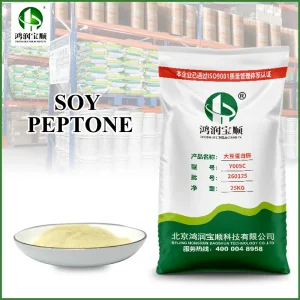
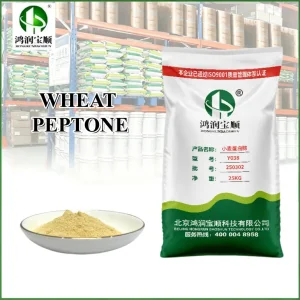
Ideal for animal-free (TSE/BSE-free) biotech fermentation and biological farming. Soy peptone is rich in carbohydrates and vitamins, making it suitable for cultivating diverse bacterial cultures. Wheat peptone, derived from wheat gluten, provides a distinct glutamic acid profile that promotes plant health.
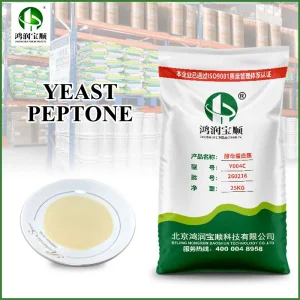
Naturally rich in B-complex vitamins, growth factors, and nucleotides, yeast-derived nitrogen sources function as excellent growth accelerators. They are widely used in starter cultures for probiotic formulations, lactic acid bacteria production, and high-density fermentation processes.
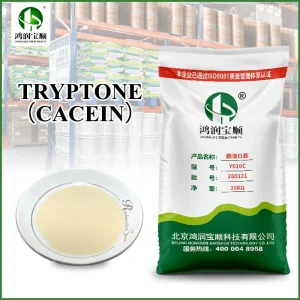
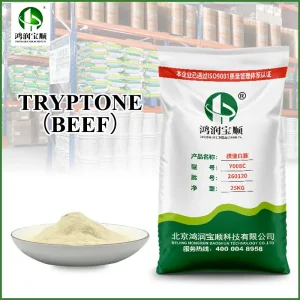
Formed through the pancreatic digestion of casein, tryptones contain high amounts of tryptophan and other essential amino acids. They are indispensable for analytical microbiological media, sterility testing, and standard molecular biology assays (e.g., LB broth).
Providing a complex nitrogen profile complete with essential growth factors, minerals, and trace elements, animal peptones support the growth of fastidious microorganisms that struggle on plant-derived media.
Find answers to common technical, logistics, and quality assurance questions from our global partners.
Total Nitrogen (TN) measures all nitrogen forms in the product, including proteins, peptides, amino acids, and inorganic nitrogen. Amino Nitrogen (AN) measures the nitrogen present specifically as free amino groups. The AN/TN ratio reflects the degree of protein hydrolysis; a higher ratio indicates a greater concentration of free amino acids and shorter peptides, which are easier for microorganisms and plants to absorb immediately.
We maintain consistency by controlling raw material sourcing, adhering to standardized enzyme ratios, and utilizing automated, temperature-regulated hydrolysis systems. Every production batch undergoes strict quality control checks for solubility, pH, moisture content, ash, total nitrogen, amino nitrogen, and microbiological performance before release.
Yes, our plant-derived materials, including our wheat and soy peptones, are produced from non-GMO raw crops. We provide complete documentation and traceability certificates to support our clients' regulatory compliance and clean-label requirements.
Our manufacturing facilities operate under MUI Halal standards. We maintain strict segregation between plant and animal processing lines. Every step of our supply chain, from sourcing raw materials to final packaging, is audited to prevent cross-contamination and ensure compliance.
Because our dry powders are highly hygroscopic, they should be stored in their original sealed packaging in a cool, dry place below 30°C. Under these conditions, the shelf life is 24 to 36 months. We package our products in moisture-barrier bags to prevent clumping during transport and storage.
Yes, our R&D team can customize hydrolysis duration and enzyme formulations to produce peptones with specific molecular weight distributions. We work with clients to develop trial batches that meet their target molecular specifications.
We offer up to 500g of free samples per product for laboratory testing and validation. Clients are only responsible for covering the shipping and customs fees.
Our plant peptones are rich in free amino acids like glycine and glutamic acid, which act as natural chelators. They bind to metallic micronutrients (e.g., Fe, Zn, Cu, Mn), forming stable complexes that remain soluble and easily absorbable by plants across a wide pH range, preventing nutrient lock-out in the soil.
Discover our full range of peptones, biological extracts, and protein meals designed for high-density microbial fermentation and sustainable agriculture.
 Hongrun Baoshun