Premium raw materials, plant-derived proteins, and enzymatic digests curated for industrial fermentation and diagnostic culture formulations.
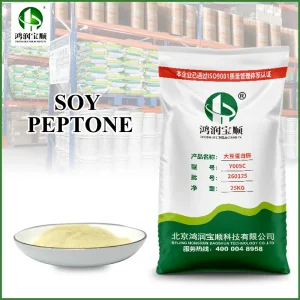
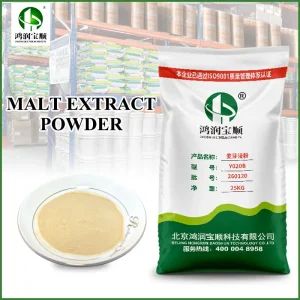
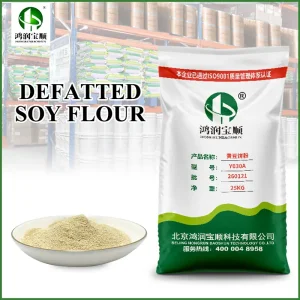
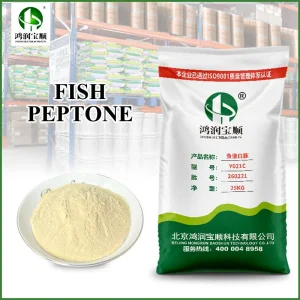
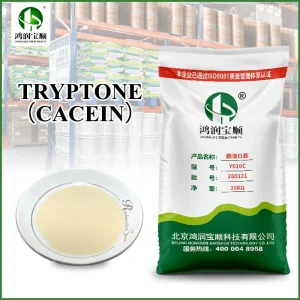
Established in 2008 and taking root in the Science and Technology Innovation Area of the China (Beijing) Pilot Free Trade Zone, Beijing Hongrun Baoshun Technology Co., Ltd. has evolved into a modern, state-level high-tech enterprise. Integrating cutting-edge R&D, advanced biological manufacturing, and global sales networks, we have earned dual distinctions as a National High-tech Enterprise and a Zhongguancun High-tech Enterprise.
Our commitment to microbial diagnostics, culture media manufacturing, and raw material innovation has positioned us as a key supplier for bio-pharma, veterinary research, food safety testing, and industrial fermentation sectors globally. Guided by strict international quality standards, we adhere to the operational rule: "no substandard products leave the factory."
A comprehensive study on recovery performance, pH dynamics, osmotic balances, and manufacturing protocols within Chinese biotech ecosystems.
Modified Buffered Peptone Water (mBPW) represents a specialized modification of traditional Buffered Peptone Water (BPW). It is strategically formulated to facilitate the pre-enrichment of sublethally injured foodborne pathogens, most notably Salmonella species, from complex food matrices, cocoa-containing products, dairy formulas, and environmental samples. The medium relies on high-quality enzymatic digests of animal or plant proteins to deliver key nitrogenous substances, peptides, and free amino acids required for rapid cellular repair and subsequent growth.
What differentiates mBPW is its enhanced buffering capacity. Food matrices like cocoa, acidic vegetables, and fermented foods tend to produce organic acids during incubation, leading to rapid drop in pH. To combat this, mBPW incorporates a precisely calculated sodium phosphate-potassium phosphate buffering system. This buffer maintains the physiological pH value at 7.2 ± 0.2 throughout the critical incubation window, ensuring that bacterial cells do not perish due to self-acidification. Sodium chloride is included to stabilize osmotic pressure, protecting damaged bacterial membranes from osmotic lysis.
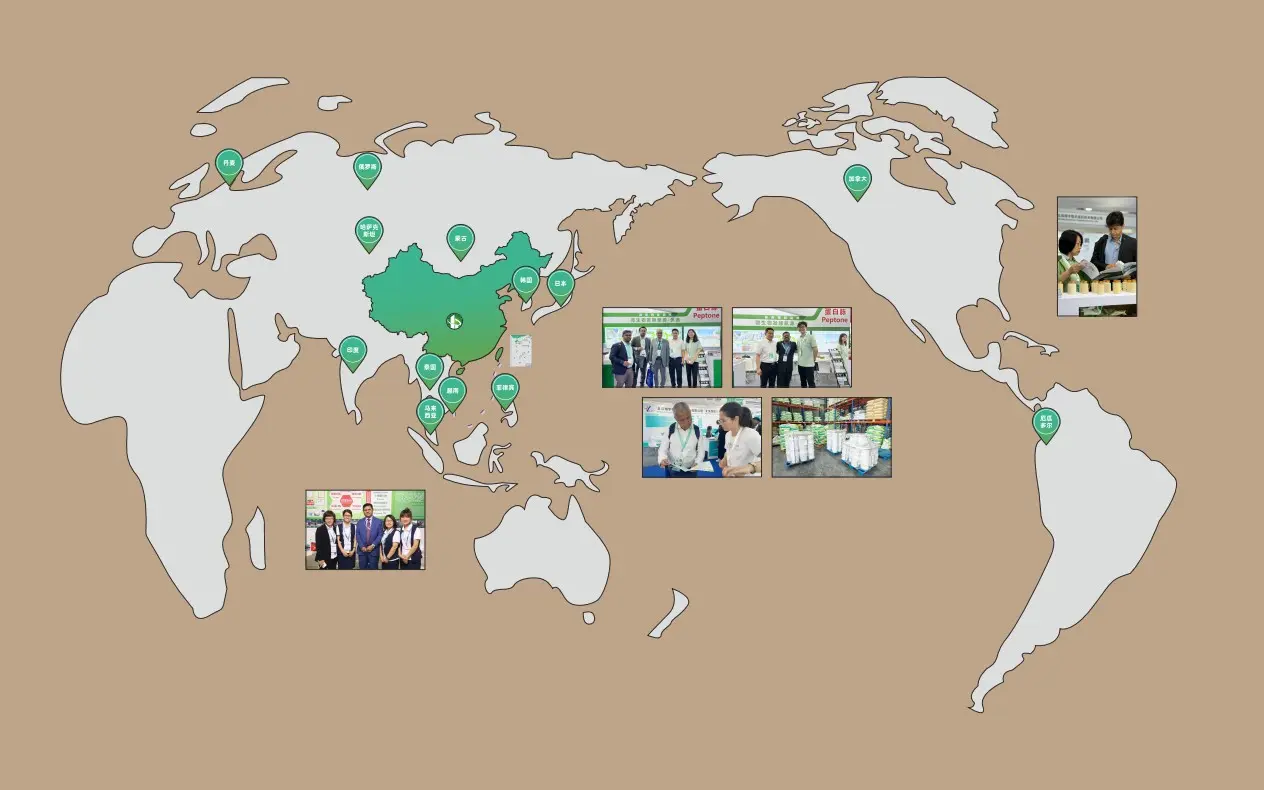
China has grown to become the cornerstone of global dehydrated culture media production. Choosing a top-tier Chinese manufacturer like Beijing Hongrun Baoshun Technology provides pharmaceutical and diagnostic laboratories with key competitive edges:
Global procurement teams in multinational diagnostics, food testing networks, and biopharma hubs prioritize three key metrics when sourcing mBPW and fermentation ingredients from China:
In 2018, Hongrun Baoshun upgraded its manufacturing capabilities, creating a massive, modern production base in Sichuan to service global biotech demands.
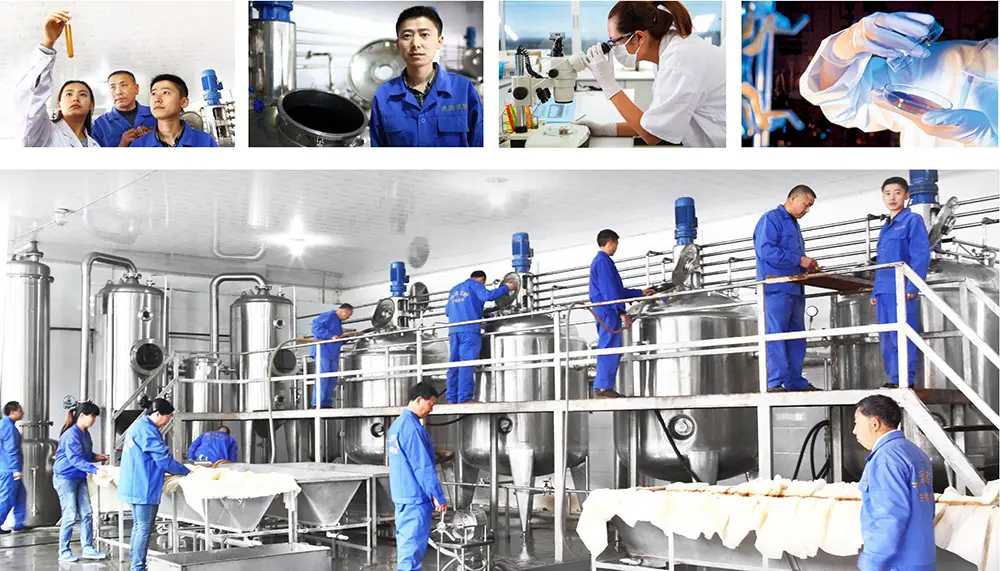
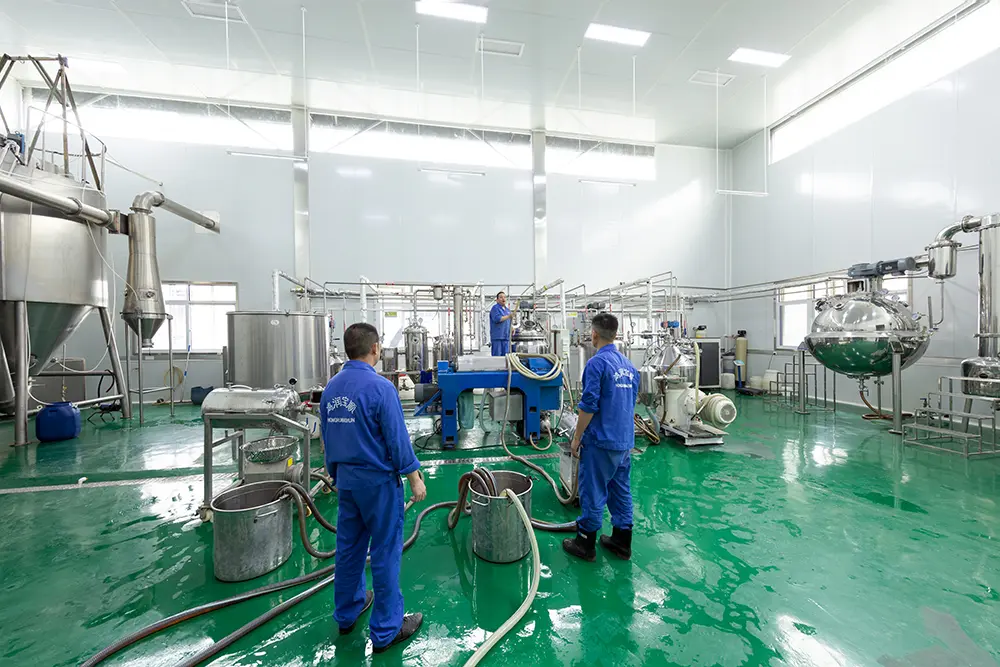
Expanding our footprint to the Qili Industrial Park in Langzhong, Sichuan, represented a major leap forward for the company. Spanning Phase I and Phase II developments, the modern facility occupies over 40,000 square meters of space, paired with a dedicated 20,000-square-meter storage center.
More than 100 highly skilled bio-engineers, quality analysts, and operations personnel work together inside this facility. Utilizing independent lines for animal-based and plant-based protein processing, we generate bulk quantities of high-purity peptones, yeast extracts, yeast powders, and ready-to-use culture media bases. These facilities enable us to satisfy strict batch size parameters, customize formulations on demand, and maintain predictable delivery timelines for international distributors.
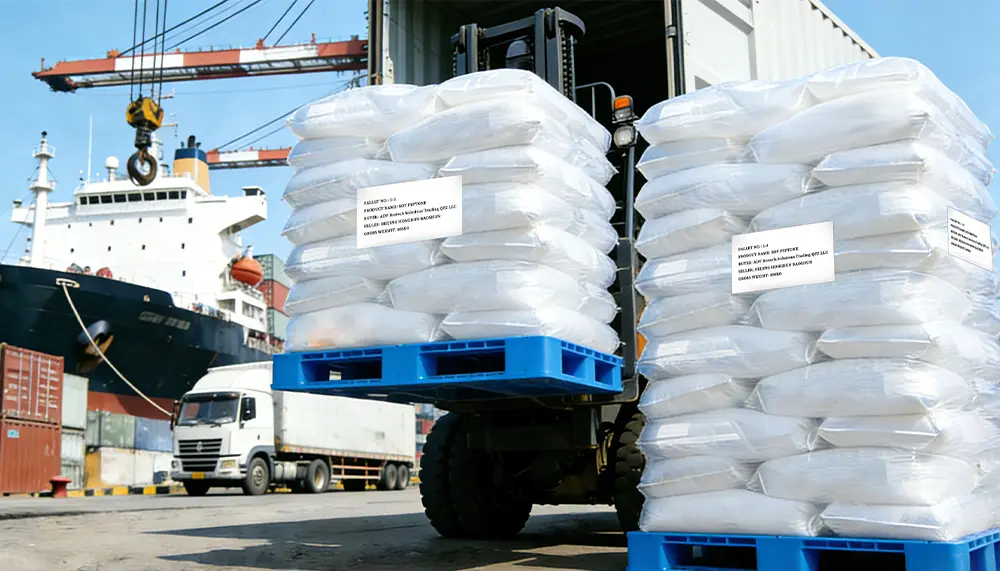
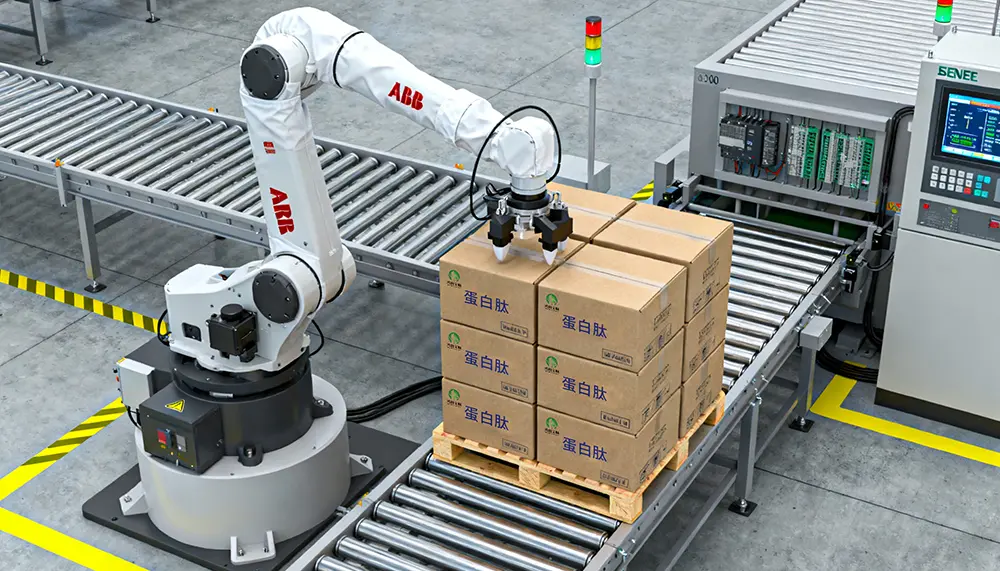
Our operational strength is amplified by the close cooperation of our five specialized subsidiaries:
Together, this group forms a complete supply chain. From chemical synthesis and enzymatic digestion to packaging and customs clearance, every step is certified under ISO 9001:2015 and compliant with MUI Halal standards, guaranteeing seamless integration into global lab workflows.
Ensuring absolute consistency, customized specifications, and reliable technical support for bio-manufacturers and commercial laboratories worldwide.
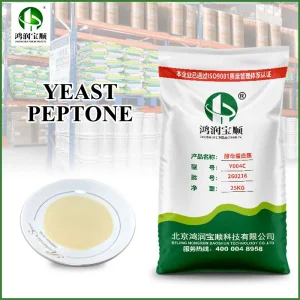
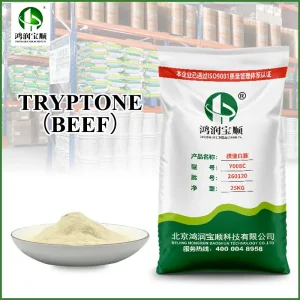
We supply a broad range of biological raw materials originating from animal, plant, and yeast sources, meeting all microbial diagnostic and industrial fermentation needs.
Fully independent manufacturing operations at our Sichuan base guarantee large production capacities, reliable raw material access, and predictable delivery timelines.
By leveraging advanced microbial processing and strict quality checks, we maintain high purity levels and steady batch-to-batch diagnostic performance.
We offer free samples of up to 500g per product (excluding shipping costs), allowing labs to run trials and confirm compatibility before placing bulk orders.
Our raw materials and media support diverse industries, from high-stakes pharmaceuticals to sustainable agriculture.
Forming the basic nutritional structure for dehydrated media, agar plates, and pre-packaged broth kits used in testing labs globally.
Supplying consistent, ultra-pure nitrogen and peptide profiles required for cell cultivation, vaccine development, and therapeutic research.
Optimizing high-yield microbial expressions, enzyme extractions, and industrial fermentation systems using tailored organic nitrogen bases.
Nurturing beneficial microbial populations and helping maintain optimal biological balances for animal and human health formulations.
Supporting environmental sustainability through high-efficiency nitrogen sources designed for organic biopesticides and biofertilizer fermentation.
Serving as the core growth accelerator for industrial amino acid syntheses, critical food enzyme extractions, and high-performance biochemical lines.
Adapting to changing microflora trends and unique testing conditions through custom formulation and packaging adjustments.
As bacteria evolve and testing regulations change, off-the-shelf media formats sometimes fall short. Factors like local water conditions, air purity variables, and unique food matrices call for adaptive solutions.
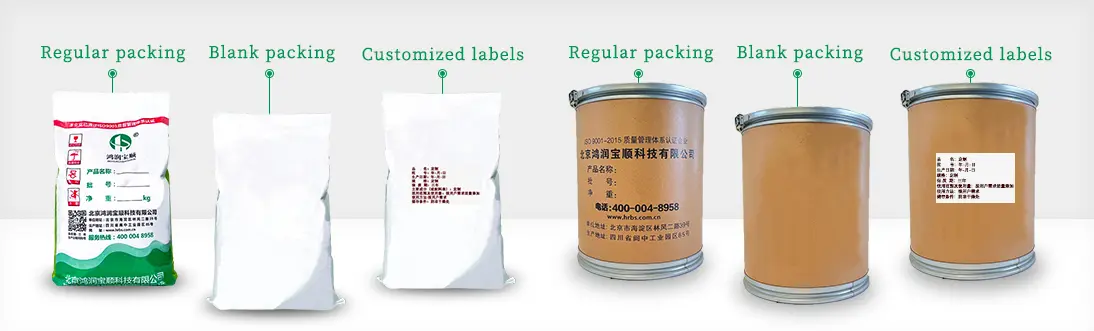
To support this need, Hongrun Baoshun runs a long-term customization program. We work closely with client research teams to modify specific formulations—such as adjust buffer capacities, vary salt contents, or modify peptide distributions—ensuring reliable diagnostic performance across different applications.
Providing guidance from initial consultations through system setup and ongoing verification steps.
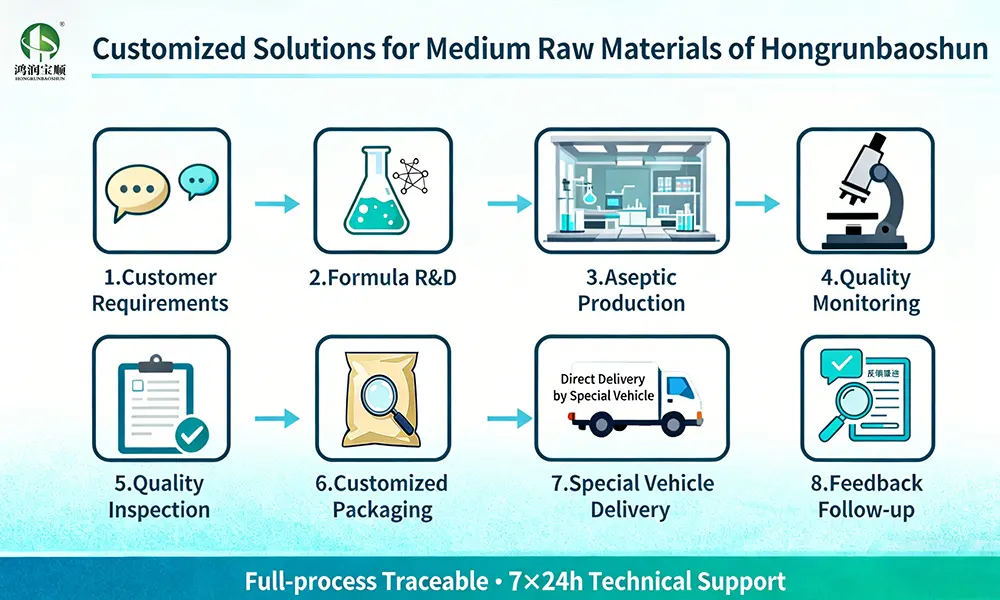
Developing custom formulations, functional options, and packaging designs tailored to your testing rules.
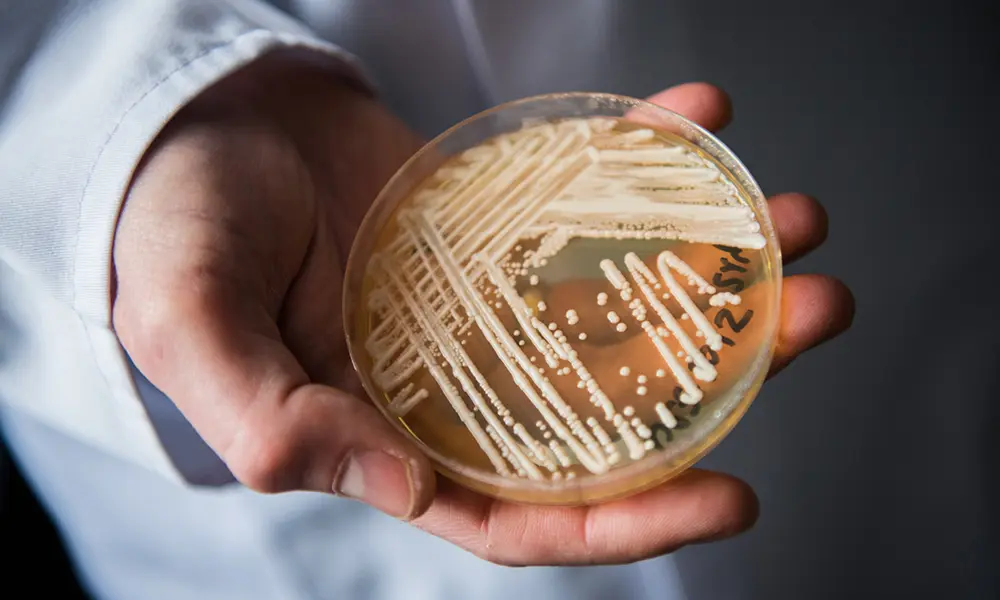
Adhering to strict, standardized processing checks to maintain stable, reliable batch performance.
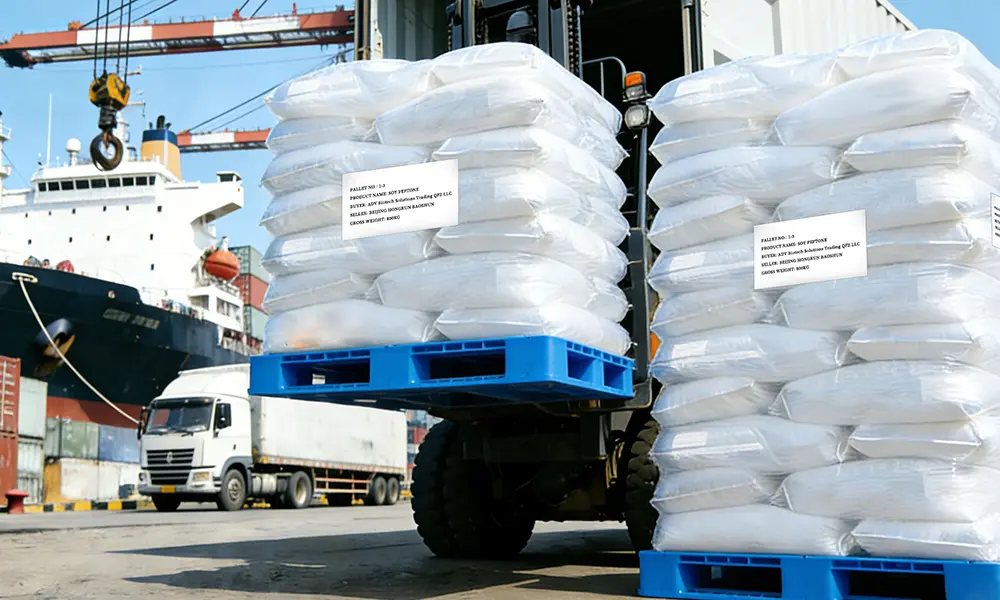
Utilizing strategic regional warehouses and streamlined order processing to ensure short delivery lead times.

Offering volume-based discounts and flexible arrangement models to help manage laboratory budgets.
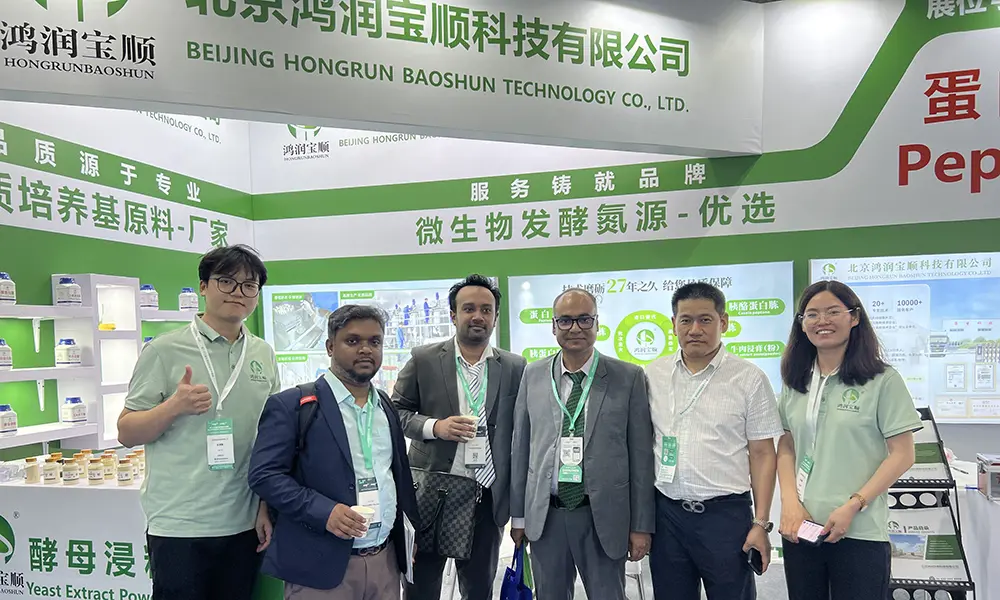
Ensuring clear, barrier-free communication through an experienced, international sales and support team.

Providing comprehensive support, including clear return/exchange policies, user training, and periodic check-ins to secure your workflows.
Analyzing key shifts in regulatory testing compliance, automation compatibility, and specialized diagnostic formulas.
Global food export markets are enforcing stricter compliance requirements regarding pathogen contamination, driving the adoption of high-sensitivity diagnostic methods. In the past, food testing labs relied on traditional cultural plating protocols that required 3 to 5 days to yield definitive results. Today, modern supply chains require fast turnaround cycles. As a result, labs are adopting rapid PCR assays, next-generation sequencing (NGS), and automated ELISA methods to detect Salmonella within 24 hours.
These rapid, enzyme-based molecular diagnostic techniques require clean, particle-free growth media. Un-dissolved particulates or precipitates in the pre-enrichment broth can interfere with optical readers, plug fluidic channels, or inhibit polymerases. Consequently, diagnostic manufacturers must source highly soluble, clear mBPW bases. These media must dissolve quickly at room temperature, remain stable during autoclaving, and leave no trace elements that could disrupt downstream molecular diagnostics.
Standard Buffered Peptone Water struggles when testing colored or acidic matrices like cocoa, dark chocolate, tea, and dry spices. The high concentrations of polyphenols and organic acids in these matrices can lower the pH of the enrichment broth, inhibiting bacterial repair mechanisms and potentially causing false-negative readings for Salmonella contamination.
To address this issue, manufacturers modify buffered peptone water formulations by increasing the phosphate buffer concentration or adding targeted neutralizers (like Tween 80 or lecithin). These additions help neutralize natural antimicrobial components present in the sample, ensuring that injured cells can recover and grow, which leads to reliable, repeatable diagnostic outcomes.
Addressing key technical, regulatory, and procurement questions from industrial buyers and laboratory managers.
Standard BPW is a general-purpose pre-enrichment medium designed for simple food matrices under standards like ISO 6579. Modified BPW (mBPW) features an optimized formulation—often with increased phosphate buffer capacity or added selective agents like novobiocin—specifically designed to handle challenging matrices (e.g., cocoa, highly acidic foods) and suppress competing microflora while maximizing target pathogen recovery.
During incubation, background organisms and target bacteria ferment available carbohydrates, releasing organic acids that can lower the media's pH. If the pH drops below critical physiological levels (under 5.5), sublethally injured pathogen cells can die off, leading to false-negative results. The phosphate buffer system in mBPW keeps the pH around 7.2, providing a stable environment for cell recovery.
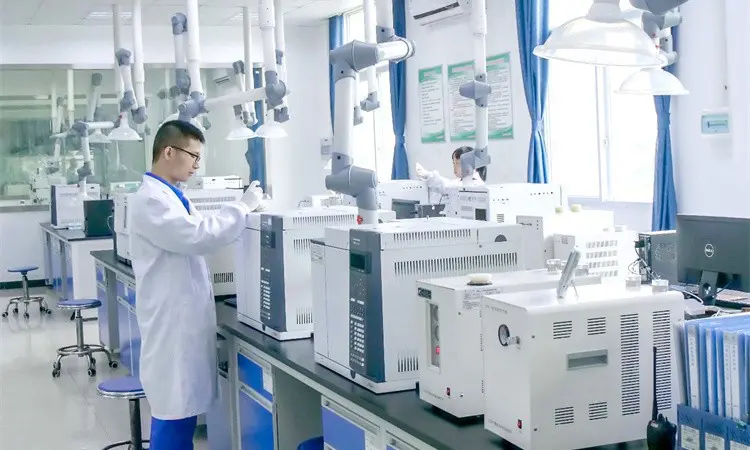
We control the quality of our raw materials by producing our animal peptones, plant peptones, and yeast extracts in-house at our Sichuan facilities. Every batch undergoes validation testing in line with ISO 11133 standards to confirm consistent peptide distribution, pH profiles, and growth productivity ratios.
Yes. We operate separate production lines for plant-derived and animal-derived proteins at our facility. This segregation allows us to supply 100% plant-based peptones (such as Soy Peptone) to formulate animal-free culture media, preventing cross-species protein contamination.
We offer dehydrated culture media (DCM) in standard 25kg fiber drums for bulk industrial customers, as well as 500g bottles for lab distributors. We can also provide custom packaging sizes, private-label options, and custom pre-blended formulations tailored to client specifications.
Explore our complete range of high-performance nitrogen sources, yeast extracts, and custom broth ingredients.
 Hongrun Baoshun