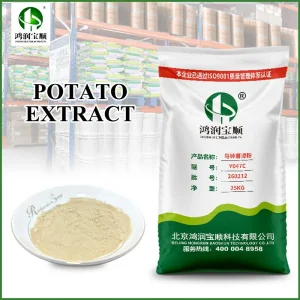
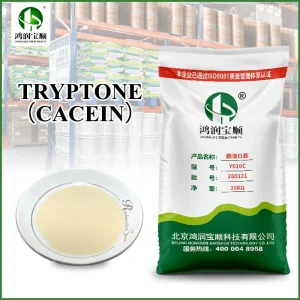
High-purity raw materials sourced from sustainable substrates, manufactured using advanced enzymatic degradation to optimize bioavailability.
In modern agricultural science, industrial biotechnology, and biopharmaceuticals, the transition from synthetic chemical components to natural biological agents has accelerated. Natural organic nitrogen represents a critical molecular vehicle for nitrogen assimilation. Unlike synthetic urea or chemical fertilizers, which release ammonia rapidly and disrupt rhizosphere microbial balance, organic nitrogen sources derived from enzymatic hydrolysates (such as animal- and plant-sourced peptones, yeast extracts, and tryptone) provide stable, bioavailable polypeptides and free amino acids.
Global enterprise buyers—ranging from commercial fermentation industries to bio-fertilizer formulators—are shifting their supply chains toward certified ecological inputs. This change is driven by environmental regulations, the demand for non-GMO biological inputs, and the critical need to preserve soil microbial biodiversity. Natural organic nitrogen components not only supply the structural amino blocks needed for plant growth but also serve as foundational substrates for producing probiotics, bio-control agents, and plant stimulants.

Scale, precision, and certification drive our advanced biological raw material production base.
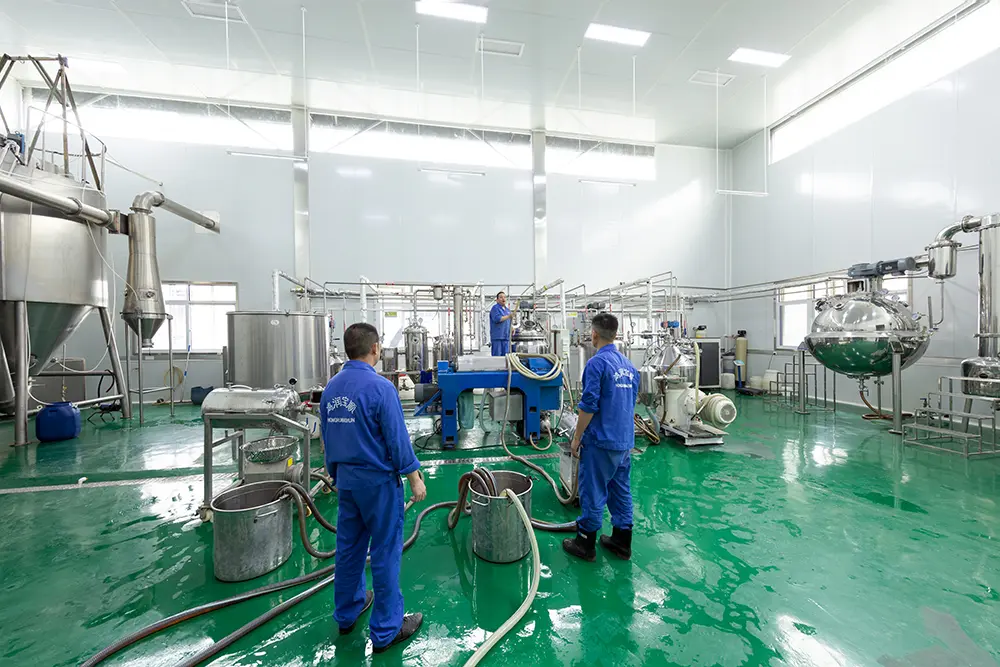
Established in 2008 in the China (Beijing) Pilot Free Trade Zone, Hongrun Baoshun has expanded its operations to Langzhong, Sichuan. The Phase I and Phase II factories span over 40,000 square meters of advanced manufacturing space and house a 20,000 square meter logistics and storage facility.
To prevent cross-contamination and ensure the integrity of our organic nitrogen sources, we operate completely separate production lines for animal-derived products (such as beef extract, fish peptone, and tryptone) and plant-derived products (such as wheat peptone, corn steep liquor, and soybean meal).
Leveraging five specialized subsidiaries—Beijing Yaoyou Technology, Sichuan Baoshun Biotech, Sichuan Romgee Biotech, Sichuan Yingwen Tech, and Sichuan Runxiaobao Tech—we run a vertically integrated business from laboratory research to global commercial distribution.
Established and Rooted in Science & Tech Zones
Advanced Production & Customization Facility
Traceable Batch Integrity & Strict QA Policy
Free Evaluation Samples Distributed Worldwide
Industrial raw materials entering global biotech and agricultural markets must comply with stringent regulatory frameworks. Importing materials like animal-derived peptones and plant-based protein powders requires reliable proof of quality and safety.
Our facility holds ISO 9001:2015 Quality Management System certification and MUI Halal Certification. This ensures compliance with regional standards in Southeast Asia, the Middle East, Europe, and North America.
We provide comprehensive documentation support, including Certificates of Analysis (COA), Allergen Declarations, BSE/TSE-Free Certificates, and heavy metal testing profiles. This documentation helps clear import customs smoothly and guarantees raw material traceability for our customers.
Whether you require ultra-soluble powders for foliar application or coarse granulates for biological feed pellets, our production facility adjusts extraction parameters to match your specific requirements.
Our professional trade and biological support team facilitates clear communication, addressing inquiries and technical requirements from clients worldwide.
Providing custom biological nutrition and media bases to support research, farming, and bio-industrial processes.
Used to culture bacteria, fungi, yeast, and viruses. Dehydrated culture media, plating media, and testing reagents rely on our peptones and yeast extracts for a steady supply of vitamins, amino acids, and essential minerals.
Promotes rhizosphere colonization and acts as a base for organic bio-fertilizers. Our fermented soybean meal and yeast extracts improve plant nutrient uptake and strengthen defenses against pathogens.
Used as high-purity nitrogen sources for industrial vaccine manufacturing, therapeutic proteins, and monoclonal antibody production. Our materials meet strict standards for clarity and batch consistency.
Used in bioremediation and wastewater treatment. Providing organic nitrogen to targeted bacterial colonies accelerates the breakdown of pollutants and heavy metals in industrial effluent.
A technical guide for selecting substrates based on fermentation and agricultural application requirements.
| Product Category | Primary Source Substrate | Nitrogen Profile (AN/TN Ratio) | Solubility & Clarity | Optimal Application Focus |
|---|---|---|---|---|
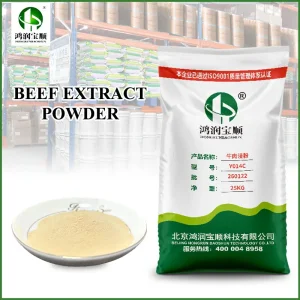
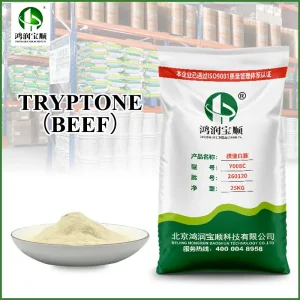
| Beef Peptone & Tryptone | Bovine Muscle/Bone Hydrolysis | Moderate (30% - 40%) | Excellent / Light Yellow | Biomedical Fermentation, Clinical Diagnostics Culture |
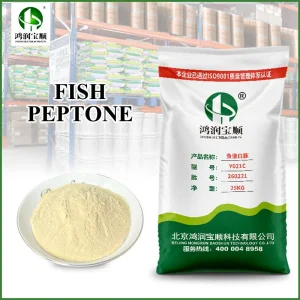
| Fish Peptone | Oceanic Fish Protein Cleavage | High (40% - 50%) | Rapid Solubility / Amber Clear | Probiotics Multiplications, Lactic Acid Bacteria |
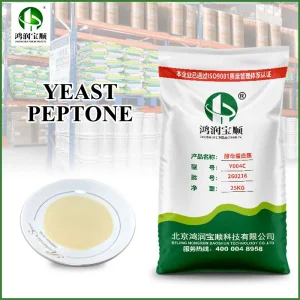
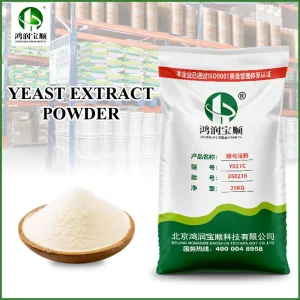
| Yeast Extract & Peptone | Saccharomyces cerevisiae Autolysis | Highly Bioactive (B-Vitamins rich) | High Clarity / No Precipitate | Recombinant Protein Synthesis, High-Yield Yeast Culturing |
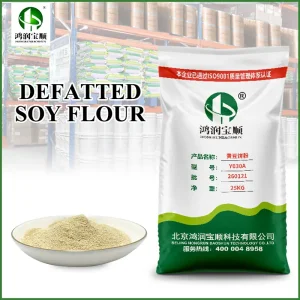
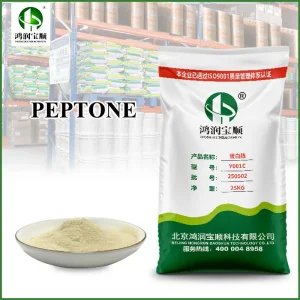
| Wheat & Soybean Peptones | Non-GMO Plant Protein Isolates | Balanced Organic Amino Carbon | Moderate / Trace Micro-particles | Eco-friendly Bio-fertilizers, Plant-sourced Fermenters |
Traceable manufacturing processes designed to meet demanding quality specifications.
The industrial landscape is evolving toward plant-derived alternatives, circular processes, and automated quality control.
Global pharmaceutical and high-end agriculture markets are increasingly adopting Animal Component-Free (ADCF) materials. This shift is designed to eliminate risk profiles associated with prions and animal pathogens, highlighting the growing importance of plant peptones derived from wheat, potato, and soy.
Traditional raw acid digestion is being replaced by enzymatic hydrolysis. Multi-stage enzymatic breakdown yields specific polypeptide lengths and amino profiles. This approach optimizes nutrition for targeted bacterial strains, enhancing overall growth efficiency.
Enterprise buyers now require complete sustainability verification, including documentation on raw material origins and energy consumption during drying processes. Modern facilities are updating tracking methods to provide carbon footprint metrics for each product batch.
Answering common technical questions on natural organic nitrogen substrates and global procurement processes.
 Hongrun Baoshun