Premium organic substrates processed under stringent quality guidelines to meet complex industrial microbial culture demands.
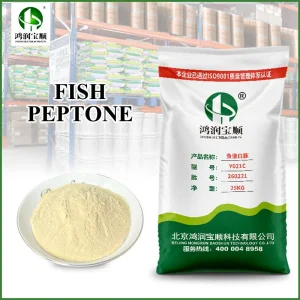
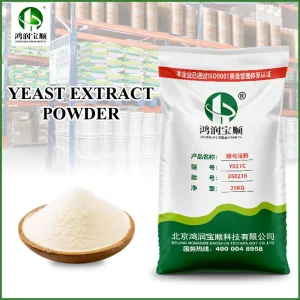
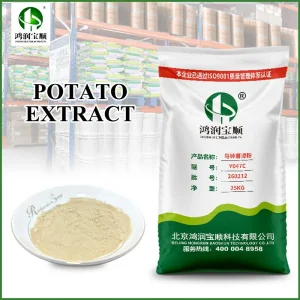
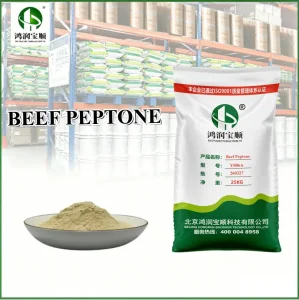
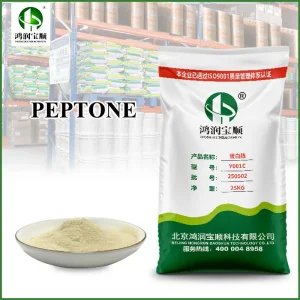
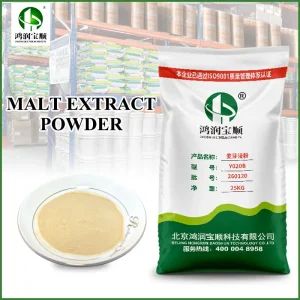
An analytical breakdown of biological nitrogen sources, microbial metabolism, and the strategic positioning of Chinese manufacturing.
In global industrial microbiology and biotechnology, the configuration of culture media determines production yields, scaling success, and cost efficiency. Nitrogen is a critical macronutrient, forming the base of amino acids, proteins, nucleic acids, and enzymatic catalysts essential for cell growth and metabolite production. While inorganic nitrogen (such as ammonium sulfate or anhydrous ammonia) is cheap and easily absorbed, it lacks the complex molecular profile required by fastidious microbes, genetically engineered strains, and secondary metabolite processes.
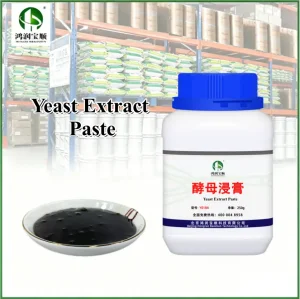
Organic nitrogen sources—including animal peptone, plant peptone, yeast extract, beef extract, and tryptone—provide a balanced matrix of free amino acids, bioactive peptides, vitamins (particularly B-complex), and trace elements. This complex mixture acts as a metabolic buffer, maintaining consistent pH levels and reducing cellular stress during rapid growth phases. Research shows that peptones and extracts act as precursors for enzyme synthesis, accelerating metabolic pathways that synthesize complex molecules like antibiotics, recombinant proteins, monoclonal antibodies, and organic acids.
As biopharmaceuticals, enzyme preparations, synthetic biology, and bio-agriculture expand globally, the demand for high-grade, batch-to-batch consistent organic nitrogen is growing. Meeting this demand requires raw material safety (such as animal disease clearance and non-GMO plant sources), precise control over molecular weight distribution, and complete solubility.
China has become a major hub for high-quality organic nitrogen sources. Driven by industrial integration, local producers like Beijing Hongrun Baoshun Technology Co., Ltd. have combined raw material access with advanced biotechnology. This creates several key advantages:
First, Chinese factories benefit from stable local supply chains. With access to large animal husbandry resources and plant agricultural markets, factories can source fresh beef tissue, casein, fish protein, and wheat gluten at scale. This proximity ensures raw materials are fresh, minimizing degradation prior to enzymatic processing.
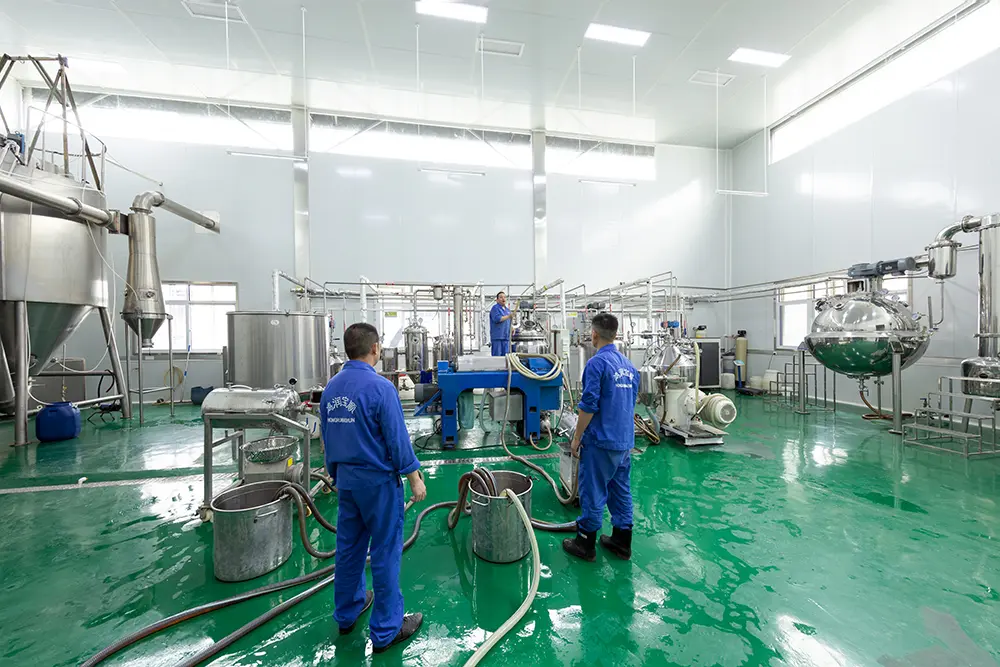
Second, continuous technological upgrades in China's manufacturing sector have standardized processes. Modern facilities use automated enzymatic hydrolysis bioreactors, multi-stage membrane filtration, and low-temperature spray drying. These systems maintain the nutrient profiles of heat-sensitive compounds, ensuring that products like peptones and yeast extracts dissolve completely and remain stable.
Established in 2008 and rooted in the Science and Technology Innovation Area of the China (Beijing) Pilot Free Trade Zone, Beijing Hongrun Baoshun Technology Co., Ltd. has developed into a modern high-tech enterprise. Integrating R&D, manufacturing, and global sales, we are recognized as both a national "High-tech Enterprise" and a "Zhongguancun High-tech Enterprise." Our team is dedicated to providing high-purity biological raw materials for industrial fermentation, pharmaceuticals, culture media, and scientific research.
In 2018, we expanded our production footprint to the Qili Industrial Park in Langzhong, Sichuan. Phase I and Phase II factories cover more than 40,000 square meters of production space, backed by a 20,000 square meter storage facility. Over 100 employees operate our independent, specialized animal and plant processing lines. This separation prevents cross-contamination, ensuring compliance with strict global standards and customization requirements.

Through integrated subsidiaries and international certifications, we maintain high-quality controls across all product lines.
Our five specialized subsidiaries work together to streamline operations:
We operate under the policy of *“no substandard products leaving the factory.”* Our quality management systems are certified to ISO 9001:2015, and our key product lines hold MUI Halal certification, ensuring compliance with global religious and regulatory standards.
Why biotechnical buyers and production managers choose Hongrun Baoshun for industrial organic nitrogen sourcing.
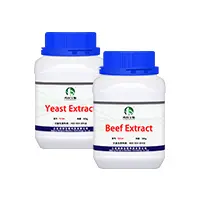
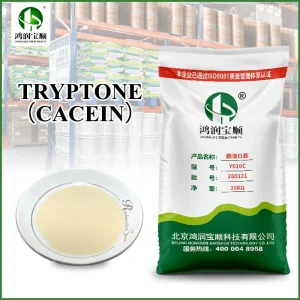
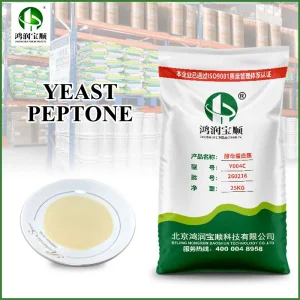
We supply a broad range of nitrogen substrates, including animal peptone (beef, fish, tryptone), plant protein peptones (wheat, soy, potato), and high-yield yeast extracts.
With 40,000 square meters of production space and 20,000 square meters of storage capacity, we guarantee consistent stock levels and reliable lead times for global deliveries.
Our advanced enzymatic hydrolysis and low-heat drying processes ensure high purity and low salt levels, delivering consistent cell density and metabolite yields.
We provide complimentary evaluation samples of up to 500g per product, allowing technical directors to test performance before committing to volume purchases.
Our organic nitrogen sources are formulated to meet the demands of various biological applications.
Essential ingredients for dehydrated culture media, plating media, and testing reagents. Supports rapid bacterial, fungal, and viral research applications.
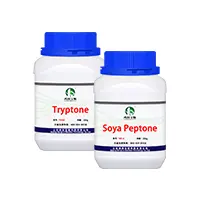
Provides amino acids and peptides for cell culture and biopharmaceutical manufacturing, including vaccine production and recombinant proteins.
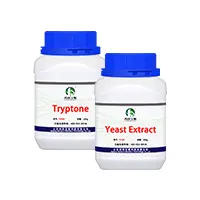
Optimizes microbial pathways for synthesizing essential amino acids, improving conversion efficiency and reducing batch fermentation times.
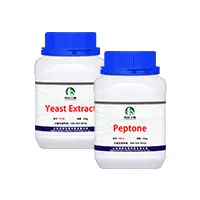
Supplies biological nutrients that promote gut health in livestock and enhance root absorption in agricultural soil systems.
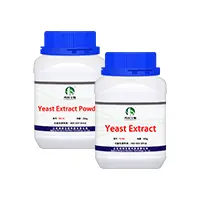
Supports beneficial bacteria in closed aquaculture loops, managing ammonia-nitrogen levels to maintain water quality.
Provides nutrients to wastewater treatment consortia, accelerating the breakdown of industrial organic pollutants.
Meeting the needs of varying bacterial species, regional environments, and specific processing conditions with customized formulations.
Different industrial strains exhibit specific metabolic preferences. A wild-type yeast strain may thrive on basic yeast peptone, whereas a genetically modified strain might require a specific peptide length distribution to prevent feedback inhibition. Variations in water quality, aeration levels, and temperature profiles in local production hubs demand custom media profiles.
Beijing Hongrun Baoshun Technology Co., Ltd. provides customized organic nitrogen solutions. We analyze target micro-organism growth patterns and adjust parameters such as nitrogen ratios, enzymatic digestion depth, and salt content to optimize your bioprocess.
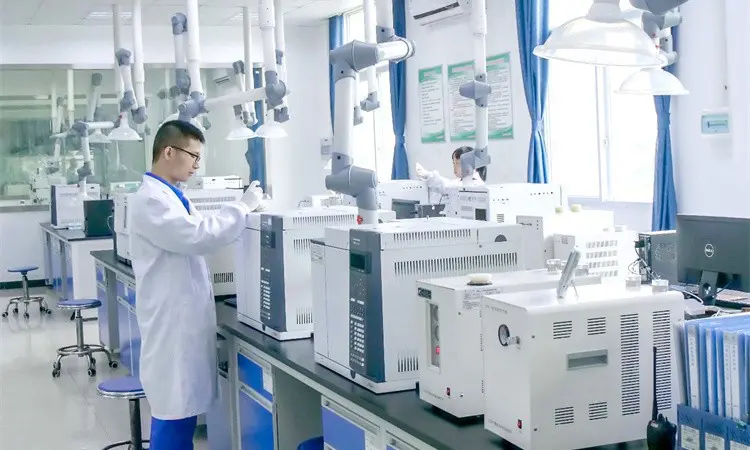
We provide technical support throughout the product lifecycle, including pre-sales consultation and process optimization to help ensure system stability.
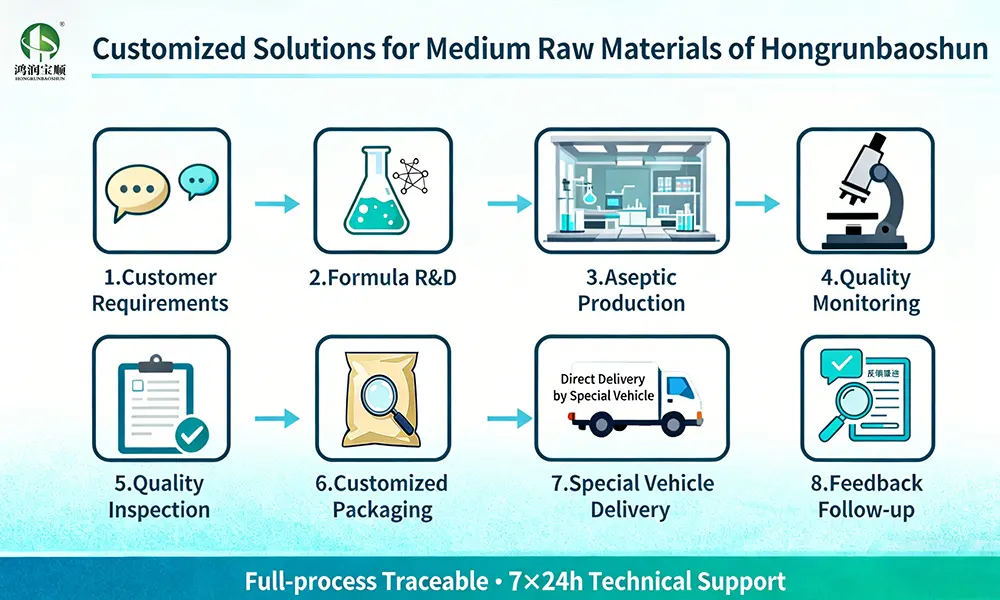
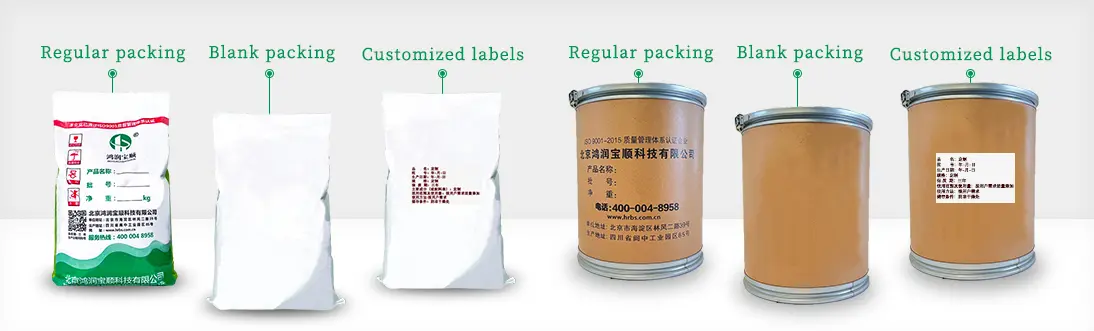
We support customization according to your specific strain requirements, covering product design, functional development, packaging, and application setup.
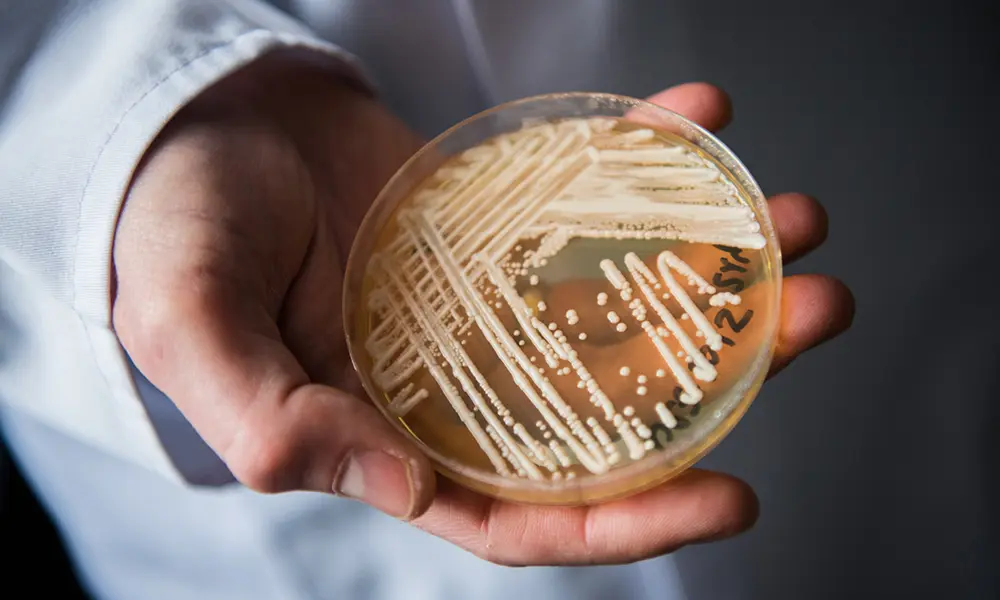
Our quality control system and standardized manufacturing processes help ensure consistent product performance, purity, and batch uniformity.
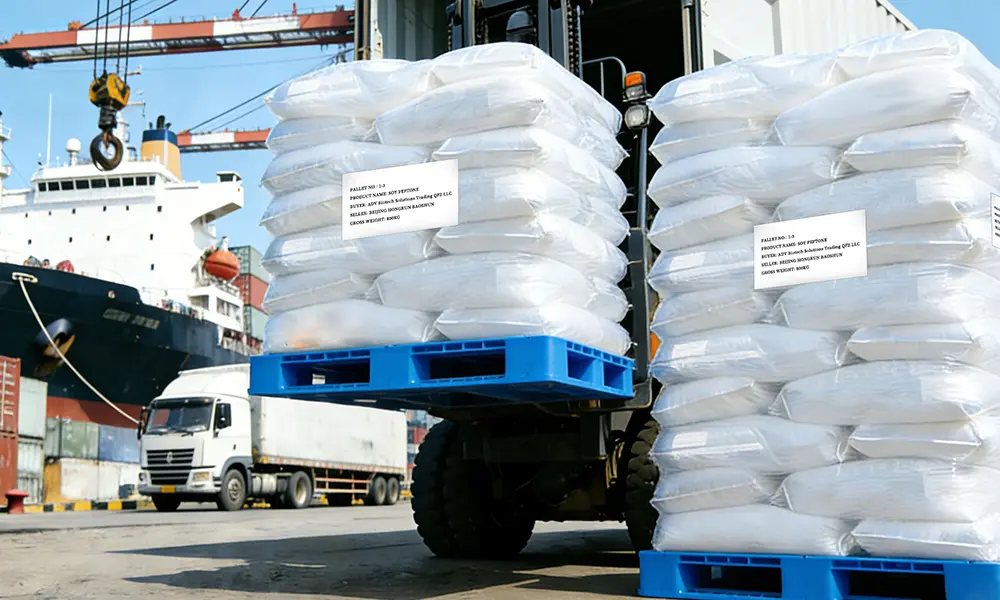
Through managed logistics networks and regional warehouses, we coordinate rapid shipping and import clearance support to streamline supply chains.
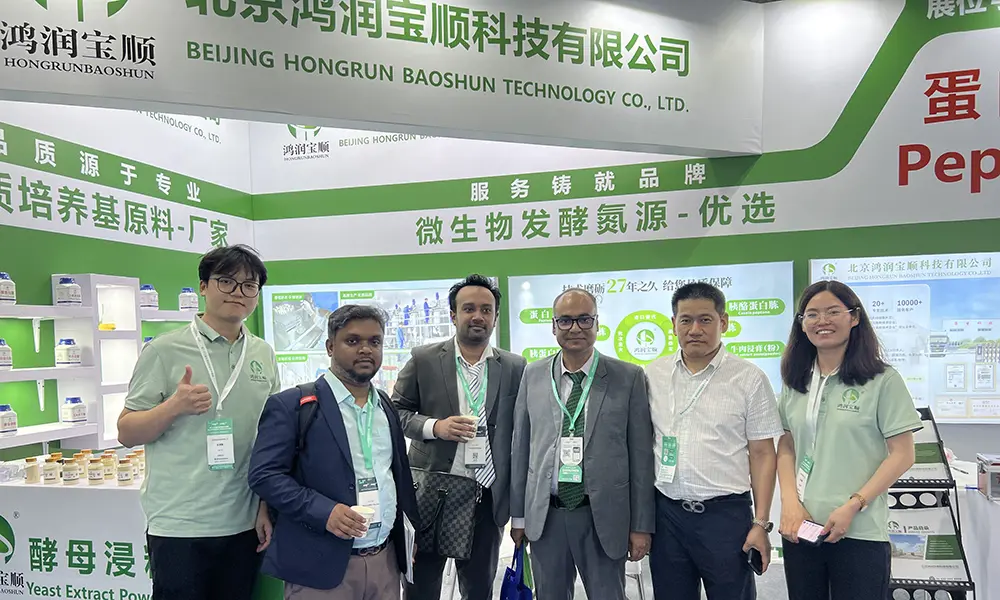
Our technical sales team handles communications in multiple languages to facilitate direct technical alignment and support for overseas buyers.
Key technical parameters and quality considerations for global procurement managers when selecting organic nitrogen sources.
For animal-derived nitrogen sources (such as beef extract, beef peptone, and trypsin digests of casein), suppliers must provide veterinary certificates demonstrating origin from BSE/TSE-free zones. Our animal processing lines are fully segregated to avoid contamination.
The balance of free amino acids versus longer-chain peptides affects fermentation yield. We adjust the hydrolysis duration and enzyme formulations to control the peptide molecular weight distribution for target applications.
Elevated levels of copper, iron, zinc, or chlorides can inhibit cell growth and interfere with downstream purification. Our membrane filtration systems remove these minerals to help ensure high purity.
Technical innovations expected to shape the bio-fermentation sector between 2026 and 2030.
The bio-fermentation industry is shifting toward more sustainable and animal-free raw materials. Regulatory pressure and consumer demand for vegan and allergen-free products are accelerating the development of plant-based peptones, such as wheat, potato, and soy, as well as yeast-derived alternatives.
In addition, modern synthetic biology projects require raw materials with high consistency to feed robotic, automated high-throughput bioreactors. Suppliers are increasingly integrating real-time spectroscopy and automation to maintain consistency in molecular weight distribution across batches, helping to reduce process variability.
Technical answers to common queries regarding product specifications, certifications, sample evaluation, and logistics.
High-purity organic nitrogen sources designed for industrial fermentation and microbiological culture systems.
 Hongrun Baoshun