Explore our industrial-grade peptones, extracts, and plant-derived nutrients engineered for demanding cell culture and probiotic fermentation processes.
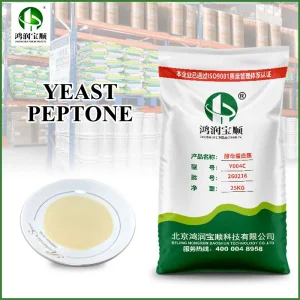
In modern industrial biotechnology, maximizing cell density, product yield, and consistency is the cornerstone of economic viability. Yeast Extract Broth (YEB) serves as a baseline nutritional workhorse. Unlike synthetic, chemically-defined media, YEB provides a complex matrix of organic nitrogen, free amino acids, vitamins, and minerals that accelerate cellular recovery, biomass production, and secondary metabolite synthesis.
Yeast extracts are produced by the autolysis of Saccharomyces cerevisiae, where endogenous cellular enzymes break down cell walls and proteins into highly bioavailable components. The resulting broth is rich in B-complex vitamins (thiamine, riboflavin, niacin, pantothenic acid), which act as coenzymes in crucial metabolic processes, and nucleic acid fractions, which serve as direct precursors for DNA and RNA synthesis.
Pioneering microbial raw materials since 2008 with advanced manufacturing plants in Beijing and Sichuan.
Beijing Hongrun Baoshun Technology Co., Ltd. was established in 2008 in the China (Beijing) Pilot Free Trade Zone Science and Technology Innovation Area. Over the past decade and a half, we have grown into a high-tech enterprise integrating R&D, manufacturing, and distribution, carrying dual certifications as a National "High-tech Enterprise" and a "Zhongguancun High-tech Enterprise".
In 2018, we expanded our production capabilities by building a modern manufacturing hub in the Qili Industrial Park in Langzhong, Sichuan. Phase I and Phase II factories collectively exceed 40,000 square meters of facility area, supported by a 20,000 square meters storage infrastructure. With dedicated, separate production lines for animal and plant raw materials, we ensure strict segregation and cross-contamination prevention.
Operating through five active subsidiaries—Beijing Yaoyou Technology, Sichuan Baoshun Biotechnology, Sichuan Romgee Biotechnology, Sichuan Yingwen Technology, and Sichuan Runxiaobao Technology—we maintain an integrated approach to quality management, strictly adhering to the standard that "no substandard products leave the factory".

How geographical and industrial synergies in China translate to consistency, volume, and cost-effectiveness for global biotechnology brands.
Yeast cultivation relies heavily on sugar beet and cane molasses. China’s vast agricultural ecosystem provides a steady supply of high-grade molasses, enabling continuous fermentation processes and buffering our factories against global ingredient price shocks.
Our plants in Langzhong, Sichuan benefit from localized manufacturing incentives, high-efficiency energy grids, and natural gas infrastructure. By scaling production lines, we reduce variable processing costs while ensuring reliable thermal control for large-volume spray dryers.
With massive storage capacity (20,000 sqm) and connections to China's logistics networks—including direct rail lines to Central Europe and rapid routes to Shanghai, Shenzhen, and Qingdao ports—we minimize lead times for international orders.
International pharmaceutical and industrial buyers demand compliance, safety, and operational resilience. Here is how our standards align.
The primary concern for bio-fermentation operators is batch variation, which can disrupt metabolic profiles and ruin target yields. Our facility applies automated PLC systems to control temperatures, pH, and enzymatic hydrolysis periods, guaranteeing that critical components, such as amino nitrogen, remain within narrow specification limits (±0.5%).
High-density cell cultures are highly sensitive to heavy metals and mineral imbalances. We employ Inductively Coupled Plasma Mass Spectrometry (ICP-MS) to monitor trace metals (such as lead, arsenic, and cadmium), ensuring they remain below USP/EP guidelines. Our processes also monitor endotoxin levels to support pharmaceutical media requirements.
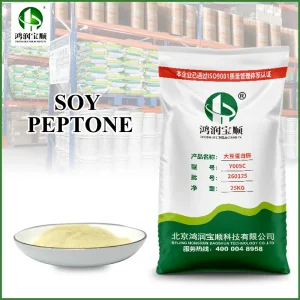
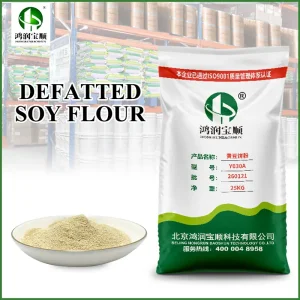
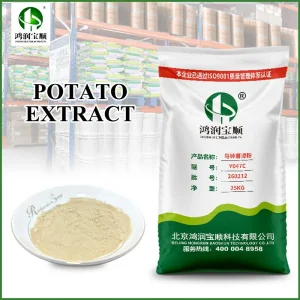
The industry is shifting toward animal-free ingredients to mitigate viral transmission risk and simplify downstream purification. We offer plant-derived alternatives (such as Soy Peptone and Wheat Peptone) alongside our pure Yeast Extract series, providing certified allergen-free and GMO-free documentation for global markets.
Comprehensive global management standards applied at every step.
Fully certified production lines for globally compliant formulations.
Providing tailored biological media formulations to match specific regional standards and specialized bioreactor requirements.
Depending on handling systems and dust control rules, factories require different ingredient formats. We supply high-solubility fine powders, dust-free granulates to improve occupational safety, and concentrated pastes for large-scale liquid fermentation projects.
Different microorganisms have unique metabolic demands. We collaborate with clients to optimize growth factor distributions, modifying hydrolysis levels or adding raw materials (such as malt extract or soy protein digests) to create ideal growth media.
We provide full regulatory support for international shipping, including Certificates of Analysis (COAs), material safety data sheets (MSDS), non-GMO verifications, and phytosanitary certificates, ensuring hassle-free import clearance at major global ports.
A detailed look at the nutritional density, applications, and suitability of various nitrogen and growth factor sources.
| Nitrogen Source | Total Nitrogen (TN) | Amino Nitrogen (AN) | Primary Nutritional Profile | Key Applications | Allergen / BSE Risk |
|---|---|---|---|---|---|
| Yeast Extract Broth / Powder | 10.0% – 12.0% | 3.5% – 5.0% | Rich in B-Complex vitamins, growth factors, nucleotides, and trace elements. | Probiotics, pharmaceuticals, vaccines, organic acids. | Allergen-Free / Zero BSE Risk |
| Soy Peptone (Plant Source) | 8.5% – 10.5% | 2.0% – 4.0% | High carbohydrate content, balanced amino acids, peptides. | Fungi cultivation, plant-based vaccine production, cosmetics. | Allergen (Soy) / Zero BSE Risk |
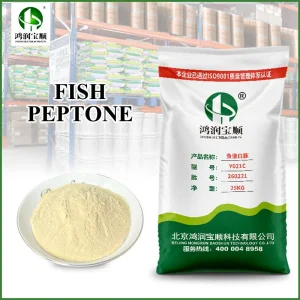
| Fish Peptone (Marine Source) | 11.5% – 13.0% | 3.0% – 5.5% | Rich in peptides, low mineral ash, marine growth factors. | Probiotics, fastidious microorganisms, enzyme production. | Allergen (Fish) / Zero BSE Risk |
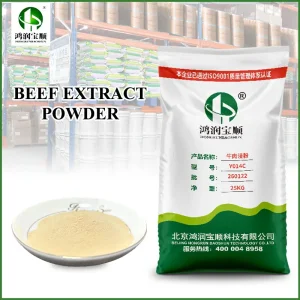
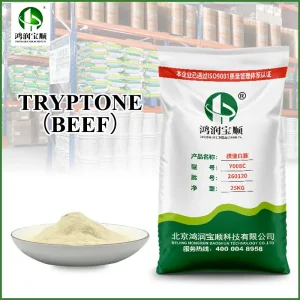
| Beef Extract / Peptone | 12.0% – 14.0% | 3.5% – 5.5% | Highly bioavailable amino acids, creatine, carnine, purines. | Diagnostic media, biopharma cell line development. | BSE Risk requires strict certification |
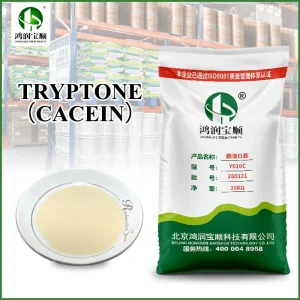
| Tryptone (Casein Digest) | 12.5% – 13.5% | 3.0% – 4.5% | Rich in tryptophan, clear solubility, highly standardized peptides. | E. coli genetics, sterility testing, molecular biology. | Allergen (Milk) / Low Risk |
How Yeast Extract Broth and complementary peptones are utilized across modern bio-industries.
Crucial for synthesizing monoclonal antibodies, recombinant therapeutic proteins, and vaccines. Highly purified, low-endotoxin yeast extract provides a clean nutrition source for host cell systems, ensuring high yields while simplifying filtration processes.
Yeast Extract Broth provides the essential amino acids and B vitamins required by fastidious lactic acid bacteria (such as Lactobacillus and Bifidobacterium), optimizing strain count and viability in commercial probiotic production.
Used to produce organic acids, industrial enzymes, biofuels, and bioplastics (PLA/PHA). The highly bioavailable nutrients in YEB speed up production cycles, lowering operational costs and improving factory throughput.
Supports the cultivation of biocontrol agents like Bacillus thuringiensis and nitrogen-fixing soil inoculants, helping factories manufacture highly concentrated agricultural products.
Adapting to regulatory updates, environmental goals, and the rise of precision biotechnology.
Global regulatory bodies are pushing to minimize animal-derived materials to eliminate risk of transmissible spongiform encephalopathy (BSE/TSE). Plant digests, combined with autolyzed yeast extract, are increasingly replacing traditional beef and gelatin peptones.
While chemically defined media (CDM) offer clean profiles, they often lack the raw growth performance of complex nutrients. Modern processes frequently use hybrid strategies, supplementing CDM with ultra-filtered yeast extracts to improve cell growth without introducing unwanted impurities.
Modern production values environmental impact. Sourcing yeast cultivated on upcycled agricultural molasses reduces the carbon footprint of manufacturing, helping international brands meet their corporate sustainability targets.
Advanced factories are utilizing real-time monitoring and spectroscopic analysis of amino acid profiles during the yeast autolysis step, ensuring product performance is highly repeatable across manufacturing runs.
Expert answers to common questions about selecting, purchasing, and using industrial yeast extract broth.
Ensure production stability with our extensive range of high-nitrogen substrates and plant proteins.
 Hongrun Baoshun